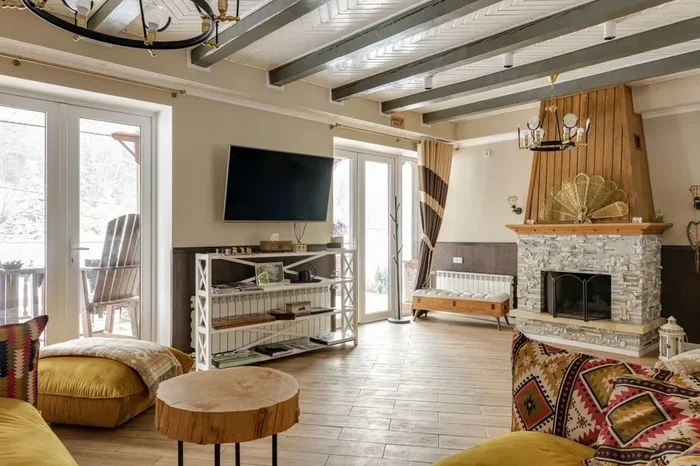
Rustic Paint Colors for Living Room Design Inspiration
Rustic paint colors for living room spaces bring warmth, charm, and a timeless feel to any home. Whether you prefer warm earth tones, soft creams, or deep barnwood hues, the right palette can completely change the mood of your room. This guide covers the best rustic color schemes, practical tips, and design ideas to help you create a cozy and inviting living space. You will learn how to choose colors, pair them with furniture, and avoid common mistakes.
There is something magical about rustic paint colors for living room spaces. They instantly make a room feel warm, welcoming, and full of character. Whether you live in a countryside cottage or a city apartment, rustic tones can bring a slice of nature and comfort right into your home.
Choosing the right colors for your living room walls is one of the most impactful decisions you will make. Paint sets the tone for everything else in the space. It affects the mood, the lighting, and even how spacious or cozy the room feels. When you lean into a rustic aesthetic, you are choosing a style that celebrates natural materials, warm hues, and a lived-in charm that never goes out of fashion.
This guide will walk you through the best rustic paint colors for living rooms, how to pair them with furniture and decor, and practical tips to avoid common pitfalls. By the end, you will have a clear roadmap to create a living room that feels both stylish and deeply comfortable.
Key Takeaways
- Warm earth tones like terracotta and burnt sienna form the foundation of any rustic living room palette.
- Soft neutrals such as cream, beige, and warm white keep spaces feeling open while maintaining a cozy rustic vibe.
- Deep accent colors like forest green and navy add depth and character without overwhelming the room.
- Distressed and matte finishes enhance the authentic rustic look better than glossy paints.
- Testing paint samples on your walls before committing ensures the color works with your natural lighting.
- Pairing paint colors with the right furniture and accent pieces ties the entire room together.
- Avoiding too many bold colors at once keeps the rustic feel balanced and harmonious.
📑 Table of Contents
- Understanding Rustic Paint Colors for Living Room Spaces
- Pairing Rustic Paint Colors with Furniture
- How to Style Shelves and Surfaces with Rustic Colors
- Best Rustic Color Combinations for Living Rooms
- Common Mistakes to Avoid When Choosing Rustic Paint Colors
- Expert Tips for a Perfect Rustic Living Room
- Conclusion
Understanding Rustic Paint Colors for Living Room Spaces
Before you grab a paintbrush, it helps to understand what makes a color “rustic.” Rustic design draws inspiration from nature, farmhouses, and old-world charm. The colors reflect earth, wood, stone, and sky. They are rarely bright or harsh. Instead, they feel grounded and soothing.
The best rustic paint colors for living room schemes fall into a few key categories. Each one creates a slightly different mood, so it is worth exploring them all before you decide.
Warm Earth Tones
Warm earth tones are the heart of rustic design. Think of colors you see in nature: rich soil, dried grass, autumn leaves, and sunbaked clay. These colors make a room feel grounded and inviting.
Popular warm earth tones include:
- Terracotta – a warm, reddish-orange that adds energy and warmth.
- Burnt sienna – a deeper, muted orange-brown with a lot of character.
- Ochre – a golden yellow-brown that feels sunny and cheerful.
- Raw umber – a dark brown that works beautifully as an accent wall.
- Warm clay – a soft, dusty pink-brown that feels very cozy.
These tones work especially well in rooms that get plenty of natural light. They can make a large living room feel intimate and a small room feel warm without closing it in.
Soft Neutrals and Creams
Not every rustic living room needs bold wall colors. Sometimes the most beautiful approach is to keep things soft and understated. Soft neutrals and creams create a calm backdrop that lets your furniture and decor shine.
Consider these gentle options:
- Warm cream – not stark white, but a creamy, buttery shade that feels homey.
- Beige – a timeless neutral that pairs with almost any rustic furniture style.
- Taupe – a gray-brown that adds subtle sophistication to a rustic space.
- Warm white – a white with yellow or pink undertones that keeps the room bright.
Soft neutrals are perfect if you plan to add lots of accent pieces for living room displays. They give your decorative items a neutral stage to stand out against.
Deep and Moody Hues
If you want a more dramatic rustic look, deep and moody colors are your best friend. These shades add richness and depth, making a living room feel like a cozy retreat you never want to leave.
Some favorites include:
- Forest green – evokes woodland cabins and lush gardens.
- Navy blue – adds a grounded, elegant feel that pairs well with wood furniture.
- Deep burgundy – a classic rustic color that feels both warm and luxurious.
- Charcoal – a dark gray that adds modern edge to a traditional rustic palette.
Deep colors work best as accent walls or in rooms with good lighting. They can make a small living room feel cramped if used on all four walls, so use them strategically.
Pairing Rustic Paint Colors with Furniture
Once you choose your rustic paint colors for living room walls, the next step is pairing them with furniture. The wrong furniture choice can clash with even the most beautiful paint color. The right one makes everything feel cohesive and intentional.
Wood Furniture and Natural Finishes
Wood is the number one companion for rustic paint colors. Whether it is a solid oak coffee table, a weathered wood bookshelf, or a reclaimed wood entertainment center, wooden furniture brings the rustic theme to life. Look for pieces with visible grain, natural knots, and imperfect edges. These details add authenticity.
When pairing wood furniture with rustic wall colors, consider the wood tone:
- Light wood (pine, birch) pairs well with warm creams, soft yellows, and light earth tones.
- Medium wood (oak, ash) complements terracotta, ochre, and taupe walls beautifully.
- Dark wood (walnut, mahogany) looks stunning against deep greens, navy, and charcoal accents.
If you are shopping for new furniture, check out how to choose furniture for a living room to make sure every piece supports your rustic vision.
Metal and Wrought Iron Accents
Metal accents add an industrial edge that balances the softness of rustic colors. Wrought iron light fixtures, black metal picture frames, and iron candle holders all work well. They create a contrast that keeps the room from feeling too sweet or overly feminine.
Brushed brass and copper finishes also fit the rustic aesthetic. They add a warm glow that complements earth tones and creams perfectly. A brass table lamp or copper wall hooks can be the finishing touch that ties the whole room together.
How to Style Shelves and Surfaces with Rustic Colors
Walls are just the beginning. How you style your shelves, side tables, and surfaces matters just as much as the paint color you choose. The right styling turns a nicely painted room into a fully realized rustic living space.
Styling Open Shelves
Open shelves are a staple in rustic living rooms. They give you a place to display books, plants, candles, and collected treasures. When your shelves sit against a wall painted in a rustic color, they become part of the room’s story.
Here are some tips for styling open shelves in a rustic living room:
- Use wooden or woven baskets to store smaller items and add texture.
- Mix heights by stacking books horizontally and placing taller items like vases or plants behind them.
- Add natural elements like dried flowers, pine cones, or stones for an organic feel.
- Stick to a color palette that complements your wall color to keep things harmonious.
For more detailed guidance, read how to decorate shelves in living room to learn styling techniques that work with any rustic color scheme.
Side Tables and Surface Styling
A side table is one of the most used and visible pieces in a living room. It should look like it belongs. In a rustic space, look for side tables made from reclaimed wood, metal with a weathered finish, or a mix of both.
Keep the surface simple but curated. A small stack of books, a candle, and a ceramic vase are all you need. Avoid clutter. In a rustic room, less is often more. The goal is to make every item look intentional and meaningful.
For specific tips on making your side table look its best, explore how to style a side table in living room for easy ideas that complement your rustic walls.
Best Rustic Color Combinations for Living Rooms
Choosing one rustic color is easy. Combining multiple colors in a way that looks cohesive takes a little more thought. The key is to pick a dominant color, a secondary color, and an accent color. This creates depth without chaos.
| Combination | Dominant Color | Secondary Color | Accent Color | Best For |
|---|---|---|---|---|
| Classic Farmhouse | Warm cream | Burnt sienna | Deep green | Bright, airy rooms |
| Cabin Retreat | Charcoal | Warm brown | Rust orange | Moody, dramatic spaces |
| Mediterranean Rustic | Terracotta | Warm white | Olive green | Sunny, open layouts |
| Modern Rustic | Taupe | Sage green | Black iron | Contemporary rustic blends |
| Cottage Core | Soft sage | Cream | Dusty pink | Cozy, feminine spaces |
These combinations give you a starting point. You can always adjust the shades to match your personal taste and the natural light in your room. The goal is balance. No single color should dominate unless it is the wall color, and every accent should feel purposeful.
Common Mistakes to Avoid When Choosing Rustic Paint Colors
Even the best intentions can lead to mistakes when choosing paint colors. Here are the most common pitfalls and how to avoid them.
Skipping the Sample Test
Never buy a full gallon of paint without testing it first. Paint colors look different on walls than they do on a paint chip. The color can shift depending on your lighting, the size of the room, and the colors of your furniture and flooring.
Buy a small sample size and paint a large swatch on your wall. Look at it in the morning, afternoon, and evening. Watch how the color changes with natural light and artificial light. This one step can save you from a costly repaint.
Using Too Many Bold Colors
Rustic does not mean every wall needs a different bold color. When you use too many strong colors at once, the room feels busy and chaotic. Stick to one or two main colors and let the rest of the room stay neutral. Let the paint do the talking and keep your furniture and decor as supporting actors.
Ignoring the Ceiling and Trim
It is easy to focus only on the walls and forget about the ceiling and trim. In a rustic room, white or off-white trim works well with almost any wall color. The ceiling can stay white, or you can paint it a lighter shade of your wall color for a subtle, cohesive look.
Forgetting About the Floor
Your floor is a big part of the room’s color story. If you have dark hardwood floors, lighter wall colors will create a nice contrast. If your floors are light, you can go darker on the walls without making the room feel top-heavy. Always consider how your wall color interacts with the floor.
Expert Tips for a Perfect Rustic Living Room
Professional designers and experienced homeowners share a few insider tips that can elevate your rustic living room from good to great.
Embrace Imperfection
Rustic design celebrates imperfection. Do not worry about achieving a flawless, picture-perfect look. A slightly uneven texture, a visible brush stroke, or a paint finish that is not perfectly smooth can actually enhance the rustic charm. Consider using a matte or eggshell finish rather than a high-gloss paint. Matte finishes absorb light and create a softer, more organic feel.
Layer Your Textures
Color is only one part of the equation. Texture plays a huge role in rustic design. Layer rugs, throws, and cushions in natural materials like linen, wool, and cotton. Add a woven jute area rug. Drape a chunky knit blanket over your sofa. These textural elements make the room feel rich and inviting, even if the color palette is simple.
Let Nature In
Bring the outdoors inside. Place potted plants around the room, use wooden bowls and baskets, and display natural objects like stones or driftwood. These elements reinforce the rustic theme and make the paint colors feel more connected to the natural world.
Consider the Whole Home
While this guide focuses on the living room, remember that your rooms should flow together. If your living room has warm terracotta walls, you do not need to repeat that exact color in the hallway or kitchen. But the overall tone should feel consistent. Use similar neutrals, wood tones, and accent colors throughout your home to create a unified feel.
For more ideas on creating a cohesive look across your home, explore aesthetic living room ideas for inspiration that bridges different rooms and styles.
Conclusion
Rustic paint colors for living room design is all about warmth, authenticity, and comfort. Whether you choose soft creams, rich earth tones, or deep moody hues, the right color can transform your living room into a space that feels truly like home. The key is to choose colors that reflect your personal style, pair them thoughtfully with furniture and decor, and avoid the common mistakes that can undermine the rustic look.
Start by testing your top color choices, build your palette around a dominant and a secondary shade, and let your accessories and textures bring the room to life. Take your time, enjoy the process, and trust your instincts. A well-designed rustic living room is not just a room. It is a feeling. And with the right rustic paint colors, you can create that feeling every time you walk through your door.
Frequently Asked Questions
What are the most popular rustic paint colors for living rooms?
The most popular choices include warm cream, terracotta, burnt sienna, sage green, and taupe. These colors capture the earthy, natural feel that defines rustic design. They work well with wood furniture and natural textures.
Can I use rustic paint colors in a small living room?
Absolutely. Stick to lighter rustic shades like warm cream, soft beige, or pale sage for small rooms. These colors keep the space feeling open while still adding rustic warmth. You can always add deeper tones through furniture and accent walls.
Do I need to have wood furniture to use rustic paint colors?
Not necessarily, but wood furniture enhances the rustic look significantly. If you do not have wooden pieces, you can still achieve the rustic feel through textures like woven fabrics, natural fiber rugs, and metal accents in warm finishes.
What finish should I use for rustic living room paint?
A matte or eggshell finish works best for rustic walls. These finishes absorb light rather than reflecting it, which creates a softer and more organic look. They also hide imperfections better than glossy finishes.
How do I make my rustic living room feel cohesive?
Stick to a consistent color palette across the room. Choose a dominant wall color, a secondary color for furniture or textiles, and one or two accent colors for decor. Keeping tones within the same family ensures everything feels connected and intentional.
Are rustic paint colors still in style?
Yes, rustic design remains very popular. The timeless appeal of earth tones and natural materials means these colors never truly go out of style. They continue to evolve with trends, but the core warmth and comfort of rustic palettes keep them relevant year after year.