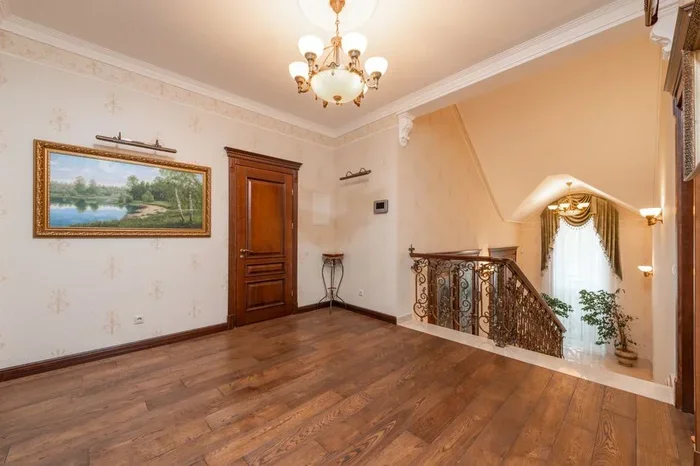
Neutral Paint for Living Room Best Colors for Every Home
Neutral paint for living room spaces is the easiest way to create a timeless, elegant, and versatile home interior. Whether you prefer warm beiges, cool grays, or soft whites, the right neutral shade can transform your living area into a calm retreat. This guide covers the best colors, pairing tips, and practical advice to help you choose with confidence.
Key Takeaways
- Neutral paint for living rooms offers endless versatility and works with any decor style.
- Warm neutrals like beige and cream create a cozy and inviting atmosphere.
- Cool neutrals like gray and white give a modern and clean look.
- Always test paint samples on your walls before committing to a full room.
- Pairing neutral walls with accent pieces adds depth and personality to your space.
- The right paint finish matters just as much as the color you choose.
📑 Table of Contents
- Neutral Paint for Living Room: The Ultimate Guide to Choosing the Best Colors
- Why Neutral Paint for Living Room Spaces Works So Well
- Best Neutral Paint Colors for Every Living Room
- How to Choose the Right Neutral Paint for Your Space
- Pairing Neutral Paint with Living Room Decor
- Common Mistakes to Avoid When Painting Your Living Room Neutral
- Expert Tips for a Stunning Neutral Living Room
- Conclusion
Neutral Paint for Living Room: The Ultimate Guide to Choosing the Best Colors
Neutral paint for living room spaces has never been more popular. Homeowners and renters alike are discovering how easy it is to create a beautiful space without the stress of bold or bright colors. A neutral palette gives you a clean canvas. From there, you can add furniture, art, and decor that truly reflect your personality.
If you have been staring at paint swatches feeling overwhelmed, you are not alone. Choosing the right shade can feel like a big decision. But here is the good news. Neutral colors are forgiving, timeless, and incredibly easy to work with. This guide will walk you through the best options, how to pick the perfect tone, and simple tips to make your living room shine.
Whether you are planning a full living room makeover or just refreshing your walls, understanding neutral paint options will save you time and money. Let us dive in and explore everything you need to know.
Why Neutral Paint for Living Room Spaces Works So Well
Neutral colors have been a favorite in home design for decades. And for good reason. They create a sense of calm and balance that few other color families can match. When you paint your living room in a neutral tone, you set the stage for a space that feels open, peaceful, and welcoming.
One of the biggest advantages of neutral wall colors is flexibility. You can change your furniture, rugs, and curtains without worrying about clashing with your walls. A neutral base also makes it easier to switch up your living room color palette whenever the mood strikes. You do not need to repaint the entire room to refresh the look.
Timeless Appeal
Trends come and go. Bold colors that feel exciting today can feel dated in just a few years. Neutral tones, on the other hand, never go out of style. Think about classic living rooms you have seen in magazines or Pinterest boards. More often than not, they rely on soft whites, warm beiges, or gentle grays. These are colors that feel both current and classic at the same time.
Makes Small Spaces Feel Larger
If your living room is on the smaller side, neutral paint can work wonders. Light neutrals like soft white and pale gray reflect natural light and make walls seem to recede. This creates the illusion of more space. Even in a larger room, light neutrals keep the atmosphere airy and open.
Easier to Sell Your Home
Neutral paint is one of the best investments you can make if you ever plan to sell your home. Most buyers prefer neutral walls because they can imagine their own furniture and style in the space. Bold or dark colors can turn some buyers off. A neutral living room, however, feels like a blank slate that almost anyone can love.
Best Neutral Paint Colors for Every Living Room
Not all neutrals are created equal. The right shade depends on your lighting, your furniture, and the mood you want to create. Here are some of the most popular and beautiful options to consider.
Warm Beige and Cream
Beige and cream are the backbone of neutral design. These warm neutral tones bring a sense of comfort and warmth to any room. They pair beautifully with wood furniture, soft textiles, and earthy decor. A warm beige works especially well in rooms that get plenty of natural light.
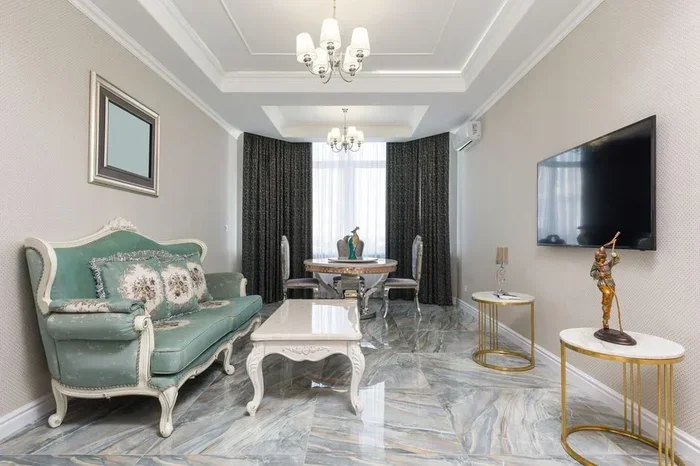
If you want something slightly cooler, a warm cream can add a soft and elegant feel. Cream walls look stunning with both modern and traditional furniture styles. They also make a great backdrop for colorful accent pieces.
Soft Gray
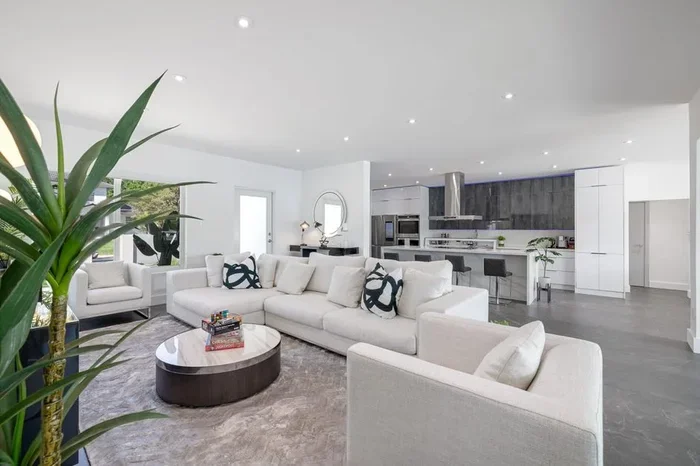
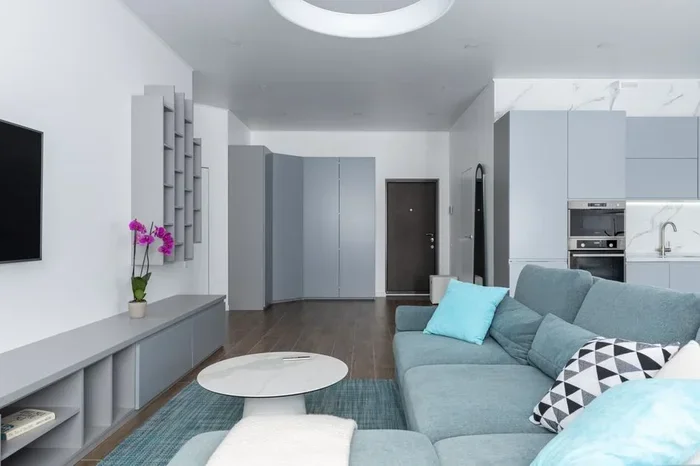
Gray is one of the most versatile neutral paint colors available. It works in both warm and cool settings. A warm gray with hints of beige or taupe feels cozy and inviting. A cool gray with blue or green undertones creates a sleek and modern look.
Gray is also fantastic for creating an accent wall in living room spaces. You can paint one wall in a deeper gray while keeping the rest in a lighter shade. This adds visual interest without overwhelming the room.
Warm White and Off-White
Pure white can sometimes feel cold and clinical. That is where warm whites and off-whites come in. These shades add a gentle warmth that makes a room feel lived-in and comfortable. They also pair well with almost any other color, making them a safe and stylish choice.
Earthy Greige
Greige is a blend of gray and beige that has become hugely popular in recent years. It offers the best of both worlds. You get the softness of beige and the sophistication of gray. Greige works beautifully in almost any living room, especially those with natural wood elements and organic textures.
How to Choose the Right Neutral Paint for Your Space
Picking a neutral color is not just about choosing a name on a paint chip. There are several factors that can affect how a color looks in your specific room. Here is what you need to keep in mind.
Consider Your Natural Lighting
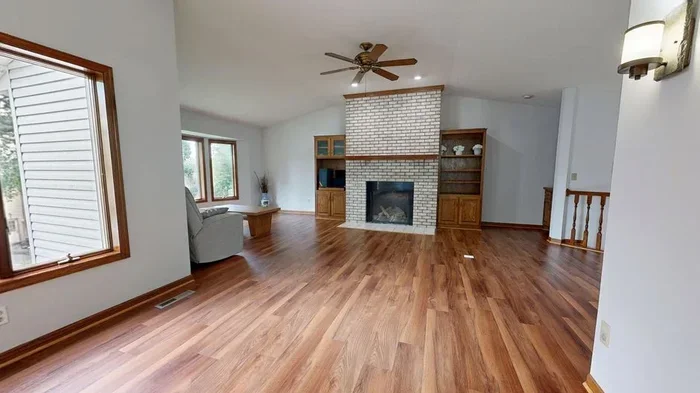
The amount of natural light your living room receives plays a huge role in how your paint color will look. Rooms with large windows and plenty of sunlight can handle deeper neutrals. North-facing rooms or spaces with limited natural light benefit from lighter, warmer neutrals. A light neutral paint will help brighten these spaces and prevent them from feeling dark or cave-like.
Look at Your Existing Furniture
Before you buy paint, take a good look at your furniture. What colors are your sofa, chairs, and coffee table? Your wall color should complement these pieces, not compete with them. If your furniture is dark wood, a warm beige or cream will create a beautiful contrast. If your furniture is light-colored, you have more freedom to explore deeper neutrals.
Test Before You Commit
This is advice you will hear over and over again, and for good reason. Paint a large swatch on your wall and observe it at different times of the day. Colors can look completely different in morning light versus evening light. Give yourself a few days to live with the sample before making a final decision.
Think About Paint Finish
The finish of your paint matters just as much as the color. A matte finish hides imperfections and gives a soft, elegant look. A satin finish is slightly more reflective and easier to clean. For living room walls, a satin or eggshell finish is often the best choice. It adds a subtle glow without being too shiny.
Pairing Neutral Paint with Living Room Decor
One of the best things about neutral walls is how easy they are to style. A neutral base gives you the freedom to mix and match decor without worrying about color clashes. Here are some ideas to bring your living room together.
Add Texture for Depth
When your walls are neutral, texture becomes your best friend. Layer different textures through throw pillows, blankets, rugs, and curtains. A chunky knit throw, a woven jute rug, and velvet cushions can turn a simple neutral room into a rich and inviting space. Texture adds visual interest without adding color.
Use Accent Pieces to Create Focal Points
A neutral room is the perfect backdrop for bold accent pieces. A vibrant piece of abstract art, a colorful area rug, or a unique coffee table can become the centerpiece of your room. If you are unsure where to start, explore some accent pieces for living room inspiration to find items that speak to your style.
Bring in Plants for Life
Plants are one of the easiest ways to add warmth and personality to a neutral living room. Green foliage against a neutral wall creates a fresh and calming atmosphere. You do not need a green thumb to make this work. Pothos, snake plants, and peace lilies are all low-maintenance options that thrive indoors.
Mix Patterns and Materials
Do not be afraid to mix patterns in a neutral room. Stripes, florals, and geometric prints all look stunning against neutral walls. The key is to stick to a consistent color palette. Choose two or three accent colors and weave them through your pillows, throws, and decor items. This keeps the room feeling cohesive and put-together.
Common Mistakes to Avoid When Painting Your Living Room Neutral
Even with the best intentions, it is easy to make mistakes when choosing a neutral paint. Here are some common pitfalls and how to avoid them.
Choosing the Wrong Undertone
Every neutral color has an undertone. It might be pink, yellow, blue, or green. If you pick a neutral with a pink undertone but your furniture has warm wood tones, the room can feel unbalanced. Always check the undertone of your paint and compare it to the colors already in your room. This small step can make a huge difference in the final result.
Ignoring the Ceiling and Trim
Your wall color does not exist in isolation. The ceiling, trim, and doors all play a role in the overall look. A crisp white ceiling can make your walls feel more vibrant. A slightly tinted ceiling in a matching neutral tone can create a more cohesive and enveloping feel. Think about the whole room when making your paint choices.
Using Too Much of One Color
Painting every surface in the same neutral can feel flat and boring. Create depth by using slightly different shades in different areas. For example, a lighter neutral on the ceiling, a medium tone on the walls, and a deeper shade on an accent wall in living room can add dimension and interest.
Skipping the Primer
Primer is not optional, especially when working with neutral paints. A good primer helps the color look true and ensures better coverage. It also helps the paint last longer. Do not skip this step, even if the paint can says it has primer built in. A separate primer gives you the best results.
Expert Tips for a Stunning Neutral Living Room
Want to take your neutral living room to the next level? Here are some expert-backed tips that make a real difference.
Layer Your Lighting
Neutral rooms benefit greatly from layered lighting. Combine overhead lights, floor lamps, and table lamps to create a warm and inviting glow. Lighting can completely change the mood of a neutral room, especially in the evening hours.
Add a Statement Piece
Even in the most neutral room, one statement piece can tie everything together. This could be a large piece of wall art, a unique light fixture, or a standout piece of furniture. Keep the rest of the room relatively simple so the statement piece can really shine.
Refresh with Small Changes
One of the joys of a neutral living room is how easy it is to refresh. Swap out throw pillows, change your curtains, or rearrange your furniture. These small changes can make your room feel brand new without any repainting. For more ideas on refreshing your space, check out our guide on aesthetic living room ideas for inspiration.
Coordinate with Your Flooring
Your floor color and material should work in harmony with your wall color. Light wood floors pair well with warm neutrals. Dark floors look stunning with lighter wall colors. If you are unsure, bring a paint swatch to the store and hold it next to your flooring. This simple trick can help you see how the colors work together.
For more tips on choosing furniture that complements your neutral walls, visit our guide on how to choose furniture for a living room. The right furniture can elevate your neutral palette and bring your vision to life.
Conclusion
Choosing the right neutral paint for living room spaces is one of the most impactful decisions you can make in your home. Neutral colors offer timeless beauty, incredible versatility, and a sense of calm that transforms any room. Whether you lean toward warm beiges, cool grays, or soft whites, the key is to choose a shade that feels right for your space and your style.
Take your time, test your samples, and do not be afraid to mix textures and accents. A well-designed neutral living room is a space that feels both elegant and comfortable. It is a room you will never want to leave. Start your living room refresh today and discover how the perfect neutral shade can change your home for the better.
Remember, the best neutral paint is the one that makes you feel at home. Trust your instincts, lean into your personal style, and enjoy the process of creating a space that is truly yours.
Frequently Asked Questions
What are the best neutral paint colors for a small living room?
Light warm neutrals like soft white, pale cream, and light beige work best in small living rooms. These shades reflect natural light and make the space feel open and airy. Avoid dark or cool grays in small rooms, as they can make the space feel cramped.
Can I use neutral paint if I have bold furniture?
Absolutely. Neutral walls are the perfect backdrop for bold furniture pieces. A neutral base lets your furniture stand out without overwhelming the room. Just make sure your wall color complements the dominant color in your furniture.
How do I know if a neutral paint has the right undertone?
Look closely at the paint swatch under natural light. If it looks pinkish, it has a pink undertone. If it looks yellow or golden, it has a warm undertone. If it looks slightly blue or green, it has a cool undertone. Compare the swatch to items in your room to find the best match.
What paint finish is best for living room walls?
An eggshell or satin finish is ideal for living room walls. These finishes are durable, easy to clean, and have a subtle sheen that looks elegant. Avoid matte finishes in high-traffic areas, as they can be harder to clean and show marks more easily.
How many neutral colors should I use in one living room?
Stick to two or three neutral shades for a cohesive look. Use the lightest shade on the ceiling, a medium tone on the walls, and a deeper shade for an accent wall or furniture. This creates depth without making the room feel chaotic.
Is neutral paint still in style?
Yes, neutral paint has remained a staple in interior design for decades and continues to be a top choice. While trends come and go, neutral tones provide a timeless foundation that never goes out of style. They also adapt easily to changing decor trends, making them a smart long-term choice for any home.