Best Mid Century Modern Paint Colors for Living Room
Mid century modern paint colors for living room spaces bring warmth, nostalgia, and timeless style. This guide covers the best hues like mustard yellow, teal, olive green, and burnt orange. You will learn how to choose colors that match your furniture, lighting, and personal taste.
Mid century modern paint colors for living room spaces have made a huge comeback. People love the warm tones, bold accents, and clean lines that define this style. Whether you are updating one wall or redoing the entire room, the right color can change everything.
The mid century modern era spans roughly from the 1940s to the 1960s. Designers during this time favored colors that felt optimistic and fresh. Think of sunny yellows, deep teals, and earthy greens. These hues still feel fresh today because they are rooted in nature and simplicity. If you want a living room that feels both stylish and inviting, these colors are a great place to start.
Key Takeaways
- Timeless Palette: Mid century modern colors like mustard yellow, teal, and olive green remain popular because they work in almost any living room.
- Natural Light Matters: The way your room gets light changes how these colors look on your walls.
- Pair With the Right Furniture: Matching your paint to your mid century furniture creates a cohesive and stylish look.
- Use the 60-30-10 Rule: This simple trick helps you balance colors without overthinking it.
- Avoid Common Mistakes: Skipping a test patch or ignoring your existing decor can lead to disappointing results.
📑 Table of Contents
- Why Mid Century Modern Colors Still Work Today
- Top Mid Century Modern Paint Colors for Living Room Spaces
- How to Choose the Right Color for Your Living Room
- Creating a Cohesive Mid Century Color Scheme
- Common Mistakes to Avoid When Using Mid Century Colors
- Where to Find Inspiration for Your Mid Century Living Room
- Bringing It All Together
Why Mid Century Modern Colors Still Work Today
Mid century modern colors have a special quality that makes them stand out. They are not too bright and not too dull. Instead, they sit right in the middle with a warm, grounded feel. This balance is why they work in so many different homes.
The aesthetic living room ideas from this era focused on simplicity and function. Colors were chosen to complement clean furniture lines and natural materials. When you use these same tones today, you bring that same sense of calm and purpose into your space. The retro living room vibe feels cozy without being overwhelming.
Another reason these colors last is their versatility. A teal wall can look modern in a minimalist room or vintage in a more eclectic space. Mustard yellow adds energy without feeling loud. These hues adapt to your style, which is why they keep coming back in interior design trends.
The Story Behind the Palette
After World War II, people wanted hopeful and joyful design. Bright but earthy tones reflected this optimism. Designers like Eames and Noguchi used colors that felt approachable. They paired bold accent walls with warm neutrals. This approach created rooms that felt both lively and relaxing.
Top Mid Century Modern Paint Colors for Living Room Spaces
Now let us dive into the specific colors that define the mid century modern look. Each of these hues brings something unique to your living room.
Mustard Yellow
Mustard yellow is arguably the most iconic mid century modern color. It brings warmth and energy to any room. This color works beautifully as an accent wall or on all four walls if your furniture is neutral.
Pair mustard yellow with walnut wood tones and white trim for an authentic mid century feel. It also looks great with brass fixtures and vintage accessories. If your room gets plenty of natural light, mustard yellow will glow beautifully. In darker rooms, use it on just one wall to avoid overwhelming the space.
Teal and Turquoise
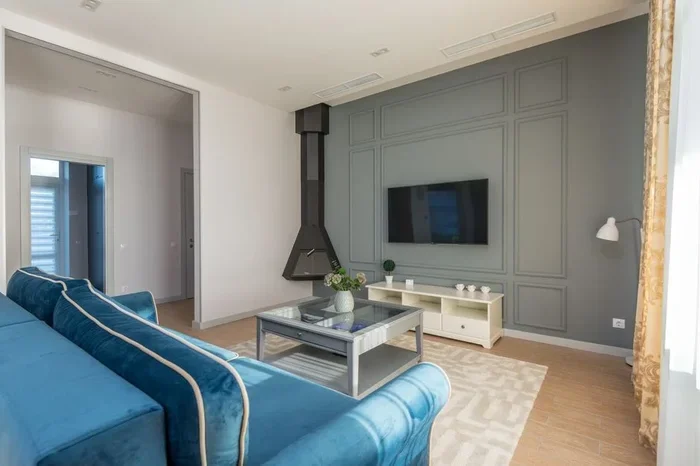
Teal is a deep blue-green that screams mid century style. It feels both calming and sophisticated. Turquoise is a lighter version that adds a playful touch. Both colors work well in living rooms with plenty of white or cream furniture.
A teal accent wall pairs perfectly with mustard yellow throw pillows and natural wood shelves. You can find great accent pieces for living room items in teal and turquoise that tie the whole room together. These colors also look stunning next to vintage textiles like woven rugs and linen curtains.
Olive Green and Avocado
Olive green brings a earthy, grounded feel to mid century modern spaces. It connects the room to nature and creates a soothing atmosphere. Avocado green is a brighter, more playful take on this hue.
Olive green works well on lower walls or in rooms with limited light. Avocado green shines on upper walls or as a fun color for built-in cabinets. Both colors pair beautifully with warm wood tones and brass hardware. They also complement neutral sofas and vintage patterned cushions.
Burnt Orange and Rust
Burnt orange adds a bold, cozy touch to any living room. Rust is a deeper, more subdued version of this warm hue. Together, they create a rich and inviting atmosphere that feels very mid century.
Use burnt orange on a single wall or through accessories like throw blankets and lampshades. Rust works well on wood furniture or as a secondary wall color. These warm tones pair amazingly with cool teals and deep navies. The contrast creates visual interest without feeling chaotic.
Walnut and Warm Neutrals
Walnut tones are essential for mid century modern rooms. They are not just for furniture. A warm neutral paint color like walnut can anchor the entire space.
Walnut walls create a sophisticated backdrop for colorful furniture and art. They work especially well in rooms with large windows and natural light. Pair walnut walls with white trim and mustard accents for a classic mid century look. These warm neutrals also make small living rooms feel cozy without feeling dark.
How to Choose the Right Color for Your Living Room
Choosing the right mid century modern paint colors for living room spaces takes a bit of planning. Here are some key factors to consider before you pick up a paintbrush.
Consider Your Natural Light
The amount of light your room receives changes everything. Rooms with lots of windows can handle bolder colors like teal and mustard. These hues might feel too intense in a dimly lit room without much natural light.
For darker living rooms, stick with lighter shades of these colors. A soft olive or pale mustard can brighten the space while still keeping the mid century feel. You can also use a lighter base coat and add depth with accent walls.
Match With Your Existing Furniture
Think about what furniture you already have or plan to buy. Mid century modern furniture often features walnut, teak, and rosewood tones. Your paint colors should complement these wood types rather than compete with them.
If your furniture is already walnut, warm neutrals and mustard yellow work wonderfully. Teal and olive green pair well with lighter wood pieces. How to choose furniture for a living room in the mid century style becomes much easier when your colors are already planned out.
Test Before You Commit
Always test your chosen colors on a small section of the wall first. Paint a two-foot by two-foot patch and observe it at different times of day. Colors can look completely different in morning light versus evening light.
Give the test patch at least two days before making your final decision. This simple step can save you from costly repainting mistakes. Trust the process, and you will find the perfect shade.
Creating a Cohesive Mid Century Color Scheme
Using one bold color is great, but combining colors is where the magic happens. A well-planned color scheme brings your entire living room together.
The 60-30-10 Rule
The 60-30-10 rule is a classic design trick. It works perfectly for mid century modern spaces. Here is how it breaks down:
- 60% Dominant Color: This is your main wall color, usually a warm neutral like cream, beige, or walnut.
- 30% Secondary Color: This is your mid-tone color, like olive green, mustard yellow, or teal.
- 10% Accent Color: This is your pop of bold color, such as burnt orange, turquoise, or rust.
Following this rule keeps your room balanced and visually appealing. It also gives you room to experiment with bolder hues without the room feeling chaotic. The dominant neutral color gives your eyes a place to rest, while the accent color adds energy and personality.
Pairing Colors With Accessories and Decor
Your paint colors set the foundation, but accessories bring the room to life. Vintage lamps, woven baskets, and abstract art all play a role. How to style open shelves living room with mid century colors is a great way to tie everything together.
Use your accent color in throw pillows, rugs, and curtains. Place decorative objects in matching tones on your side tables and shelves. A well-styled side table in living room can showcase your color scheme beautifully. How to place furniture in living room also matters, as the arrangement affects how colors flow from one area to another.
Common Mistakes to Avoid When Using Mid Century Colors
Even with the best intentions, some mistakes can undermine your mid century modern living room. Here are pitfalls to watch out for.
First, using too many bold colors at once. Stick to the 60-30-10 rule and let the neutral tones do the heavy lifting. Second, ignoring your flooring. Dark walnut floors pair differently than light wood or tile. Your paint should complement what is already on the ground.
Third, skipping the ceiling. White ceilings are standard, but a soft cream or pale blue can add depth. Fourth, forgetting about trim and doors. Painting them in a contrasting mid century tone can add character. Finally, not considering the overall aesthetic. Your paint colors should work with your aesthetic living room decor, not against it.
Where to Find Inspiration for Your Mid Century Living Room
Finding the right inspiration can kickstart your design journey. Start by looking at vintage mid century interiors and modern reinterpretations. Pinterest and design blogs are full of real examples using these exact color palettes.
Visit furniture stores that carry mid century pieces and note the colors they pair together. How to decorate shelves in living room with mid century accents can also spark ideas. Look for vintage art prints, retro textiles, and natural materials like wood and leather. These elements all support the mid century color story.
Take photos of rooms you love and identify the recurring colors. Over time, you will develop an eye for what works in your space. The goal is to create a room that feels personal and timeless at the same time.
Bringing It All Together
Mid century modern paint colors for living room spaces offer a timeless and versatile approach to interior design. From warm mustard yellows to deep teals and earthy olive greens, these colors bring personality and charm to any home. The key is to balance bold accents with warm neutrals and let your furniture and decor guide your choices.
Remember to test your colors, consider your lighting, and follow the 60-30-10 rule for the best results. Whether you are going all in with a bold teal wall or keeping things subtle with walnut neutrals, the mid century modern style will never go out of date. Your living room can become a space that feels both nostalgic and fresh, a true reflection of timeless design.
Frequently Asked Questions
What are the most popular mid century modern paint colors for living room walls?
Mustard yellow, teal, olive green, burnt orange, and walnut neutrals are the most popular choices. These colors capture the warm and optimistic spirit of mid century design. They work well with natural wood furniture and vintage accessories.
Can I use mid century modern colors in a small living room?
Absolutely. Use lighter versions of these colors like pale mustard or soft teal in smaller rooms. Stick to the 60-30-10 rule and let neutral tones dominate. This keeps the space feeling open while still embracing the mid century aesthetic.
Do I need to have mid century furniture to use these paint colors?
Not at all. Mid century colors work with many different furniture styles. They add warmth and character to modern, Scandinavian, and even eclectic spaces. The key is choosing colors that complement your existing decor rather than matching it exactly.
What lighting works best with mid century modern living room colors?
Warm lighting enhances mid century colors beautifully. Use warm white bulbs and add layered lighting with floor lamps and table lamps. Natural light also brings out the richness of colors like teal and mustard. Avoid cool or harsh lighting which can make warm tones feel flat.
How do I pair mid century paint colors with my current furniture?
Start by identifying the dominant wood tone in your furniture. Walnut pieces pair well with warm neutrals and mustard. Lighter wood works with olive green and teal. Choose one accent color from your furniture and build your palette around it.
Are there any modern twists on traditional mid century color palettes?
Yes, many designers now pair classic mid century colors with matte black accents and brass fixtures. Adding jewel tones like deep navy or burgundy can also create a modern edge. The key is keeping the warm, earthy foundation that defines the mid century style.