How to Arrange Sofa and Loveseat in Small Living Room
Arranging a sofa and loveseat in a small living room doesn’t have to be hard. You can create a cozy living room that feels open and stylish with the right small living room layout. This guide shares furniture arrangement tips that work for apartments and compact spaces. Discover how to pick the right sizes, choose the best layout, and avoid common mistakes that shrink your room.
Living in a small space doesn’t mean you have to sacrifice style or comfort. How to arrange sofa and loveseat in small living room is a question many homeowners and renters ask every day. The good news? You don’t need a huge room to create a beautiful, functional seating area. With the right small living room layout, even the tiniest space can feel warm and inviting.
This guide walks you through everything you need to know. You’ll learn how to measure your room, pick the right furniture sizes, choose a layout that works, and style your space like a pro. Whether you live in an apartment or a cozy studio, these furniture arrangement tips will transform your living area.
Key Takeaways
- Measure first: Always map your room dimensions before buying any compact furniture.
- Pick the right scale: Choose slim-profile sofas and loveseats that match your room’s proportions.
- Try the L-shape layout: It’s one of the best seating arrangements for small spaces.
- Use rugs and lighting wisely: They define zones and make your room feel larger.
- Avoid blocking traffic flow: Leave at least 30 inches of walkways for easy movement.
- Check return policies: Review the terms and conditions before purchasing large furniture pieces online.
- Go multifunctional: Choose pieces with hidden storage or dual purposes.
📑 Table of Contents
Measure Your Space Before You Buy
The first step in any successful room makeover is measuring. It sounds simple, but many people skip this and end up with furniture that doesn’t fit. Before you shop, grab a tape measure and a notebook.
Why Room Dimensions Matter
Your room’s dimensions dictate everything. The size of your sofa, the placement of your loveseat, and even where your coffee table goes all depend on the space you have. Write down the length and width of your room. Then note the locations of windows, doors, and any architectural features like fireplaces or built-in shelves.
Don’t forget to measure doorways and hallways too. You need to make sure your new compact furniture can actually get through them. A beautiful sofa that gets stuck in the hallway is a frustrating problem you can easily avoid.
Create a Floor Plan
Draw a simple floor plan on graph paper or use a free online tool. Mark the dimensions of your room and any fixed features. Then draw rectangles to represent your sofa and loveseat at scale. This living room furniture arrangement exercise helps you visualize the space before you spend a single dollar.
Here’s a quick tip: leave at least 30 inches of walkway space between furniture pieces. This keeps the room feeling open and makes it easy to move around. A space-saving sofa idea works best when you allow enough breathing room around it.
Choose the Right Size Sofa and Loveseat
Once you know your room’s size, it’s time to pick furniture that fits. Choosing the right dimensions is the single most important decision you’ll make.
Consider Compact and Slim-Frame Options
Today’s market is full of small space decor solutions. Look for sofas with slim arms and shallow seat depths. A standard sofa can be 35 to 40 inches deep, but compact models often come in at 30 inches or less. That extra few inches can make a huge difference in a tight room.
Loveseats are naturally smaller than full-size sofas, which makes them perfect partners for compact living rooms. A well-proportioned loveseat paired with a small sofa creates a balanced seating arrangement without overwhelming the space.
Match Furniture to Your Room’s Scale
Think about your room’s proportions when selecting pieces. A large, oversized sofa in a tiny room will make the space feel cramped. On the other hand, furniture that’s too small can make the room look sparse and unfinished.
A good rule of thumb: your sofa should take up no more than two-thirds of the wall it sits against. This leaves visual breathing room and keeps the room proportions feeling natural. If you’re unsure, opt for a two-seater sofa instead of a three-seater. It gives you more flexibility in your layout.
| Furniture Type | Ideal Length | Ideal Depth | Best For |
|---|---|---|---|
| Compact Sofa | 60–75 inches | 28–32 inches | Rooms under 10×10 ft |
| Standard Loveseat | 50–60 inches | 30–34 inches | Small to medium rooms |
| Slim-Arm Sofa | 70–85 inches | 28–30 inches | Narrow living rooms |
| Apartment-Size Sectional | 75–90 inches | 32–35 inches | Open-concept spaces |
Find the Best Layout for Your Small Living Room
Now comes the fun part: arranging your furniture. The layout you choose affects everything from how the room looks to how it feels when you walk through it.
The L-Shaped Arrangement
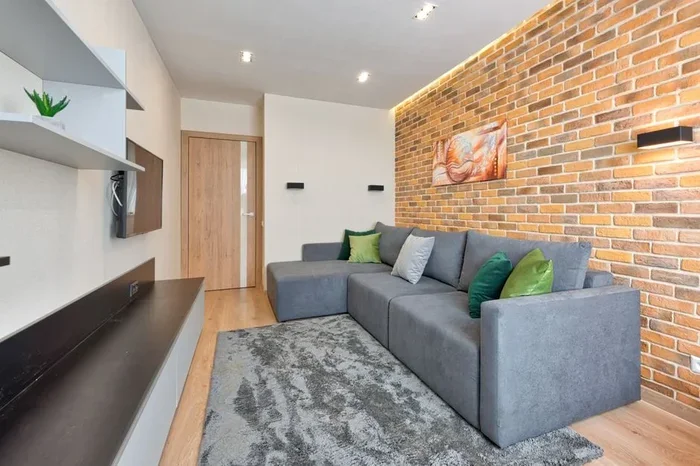
The L-shape layout is one of the most popular small living room layout ideas, and for good reason. Place your sofa along one wall and your loveseat perpendicular to it at the opposite end. This creates a natural conversation area and defines the seating zone without blocking pathways.
Add a small coffee table in the center of the L-shape. Keep it lightweight or choose a nesting table so you can move it easily. This arrangement works especially well in rectangular rooms where you want to anchor the seating in one area.
The Facing Configuration
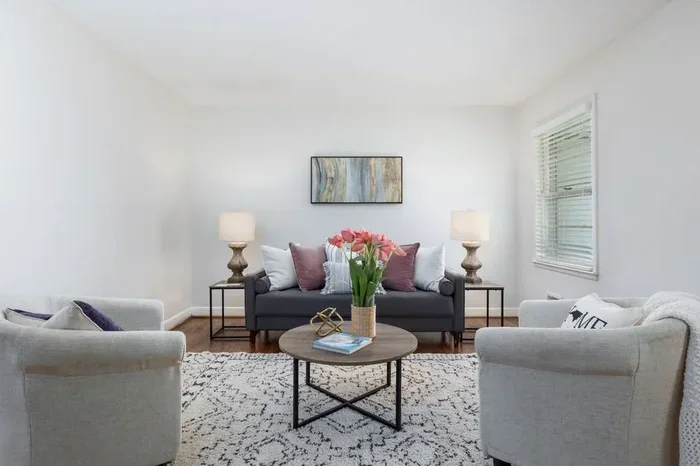
If your room is square or nearly square, try placing the sofa and loveseat facing each other. Angle them slightly toward a focal point like a TV or fireplace. This creates an intimate, conversational setup that makes the room feel cozy.
Use a low-profile coffee table between them to keep sightlines open. Low furniture helps maintain a sense of height in the room, which makes the space feel larger. This is a great apartment living room idea for studios and one-bedrooms.
The Floating Layout
In a truly tiny room, you might try the floating layout. Instead of pushing all furniture against the walls, pull your sofa and loveseat slightly inward. This creates a conversation pit in the center of the room and makes the space feel more dynamic.
The floating layout works best when you have a defined focal point, like a large window or a statement wall. Place a slim console table behind the sofa to add function without taking up floor space. This approach is one of the most effective space-saving sofa ideas for rooms under 150 square feet.
Maximize Space with Smart Styling Tips
Choosing the right furniture is only half the battle. How you style and accessorize your room makes a big difference in how spacious it feels.
Use Rugs to Define Zones
A well-placed area rug does wonders for a small living room. It anchors your sofa and loveseat grouping and visually separates the seating area from the rest of the room. Choose a rug that’s large enough to fit at least the front legs of all your furniture on it.
Light-colored rugs make a room feel bigger and brighter. Dark rugs add warmth and coziness but can shrink the perceived space. Stick to neutral tones or soft pastels for the best visual balance in a compact room.
Pick the Right Coffee Table
Your coffee table should complement your furniture without dominating the room. Consider a round table, which takes up less visual space than a rectangular one. Glass-top tables are another great choice because they let the floor show through, creating an illusion of more space.
If you’re tight on room, skip the traditional coffee table altogether. Use a small nesting table or a pouf that can double as a footrest and extra seating. These multifunctional furniture pieces save space without sacrificing function.
Add Storage Without Clutter
A tidy room always feels more spacious. Choose a loveseat with hidden storage compartments or add a slim storage ottoman nearby. Wall-mounted shelves above your sofa keep the floor clear and draw the eye upward, making the room feel taller.
Keep surfaces clear and limit decorative items to a few meaningful pieces. A single large painting on the wall works better than a gallery wall of small frames in a small room. Every small space decor choice should serve a purpose.
Common Mistakes to Avoid
Even with the best intentions, it’s easy to make layout mistakes that shrink your room. Here are the most common ones to watch out for.
Blocking Natural Light
Never place your sofa or loveseat in front of a window. Natural light is your best friend in a small room. Blocking it with furniture makes the space feel dark and confined. Instead, position your seating to face the window or let light flow freely around the furniture.
If you need a window treatment, choose sheer curtains that let light through. They soften the look while keeping the room bright and airy.
Overcrowding the Room
It’s tempting to fill every corner with furniture, especially if you love hosting. But cramming too many pieces into a small room creates chaos. Stick to the essentials: a sofa, a loveseat, a coffee table, and one or two accent pieces.
Remember, negative space is your friend. Empty areas around furniture give the eye room to rest and make the room feel organized. A well-edited living room furniture arrangement always looks better than a crowded one.
Ignoring Traffic Flow
Walk through your room and make sure you can move freely. You need clear paths between furniture and doorways. If you have to squeeze past the coffee table to reach the sofa, your layout needs adjustment.
Good traffic flow also affects how comfortable the room feels. When people can move easily, they naturally stay longer and enjoy the space more. This is one of the most overlooked aspects of furniture layout tips for small rooms.
Expert Tips for a Cozy Small Living Room
Once your furniture is in place, a few finishing touches can elevate the entire room. These expert-backed ideas help you get the most from your small space.
Use mirrors strategically. Placing a large mirror opposite a window reflects natural light and creates the illusion of depth. Your room will feel instantly bigger and brighter.
Choose light-colored upholstery. Soft neutrals, pastels, and light grays make furniture feel less heavy in a small room. You can always add colorful throw pillows and blankets for personality without overwhelming the space.
Layer your lighting. Combine overhead lights with floor lamps and table lamps. Multiple light sources eliminate harsh shadows and make the room feel warm and welcoming at any time of day.
Keep curtains simple. Hang curtains close to the ceiling and let them fall just below the window frame. This trick draws the eye upward and makes your walls appear taller.
Stick to a cohesive color palette. Using three to four complementary colors throughout the room creates a sense of harmony. When colors flow naturally from one piece to the next, the space feels more put-together and spacious.
Final Thoughts
Arranging a sofa and loveseat in a small living room is all about balance, proportion, and smart choices. Start by measuring your space accurately and choosing furniture that fits your room’s scale. Pick a layout that supports your daily routine and feels natural to move through. Style with intention, keep clutter to a minimum, and let natural light do its magic.
Before you finalize any purchase, make sure to review the terms and conditions of the retailer, especially regarding returns and delivery. This protects your investment and ensures a smooth buying experience.
With the right approach, your small living room can become the most comfortable and stylish room in your home. Trust your instincts, experiment with different layouts, and enjoy the process of creating a space that truly feels like yours.
Frequently Asked Questions
What is the best sofa size for a small living room?
A compact sofa between 60 and 75 inches long works best in most small living rooms. Choose a slim profile with a depth of 28 to 32 inches. This gives you comfortable seating without overwhelming the space.
Should I put my sofa against the wall in a small room?
Not always. While pushing furniture against the wall is common, pulling your sofa slightly forward can create a more inviting layout. The floating technique adds depth and makes the room feel more dynamic.
Can I use a loveseat and sofa together in a tiny room?
Absolutely. A loveseat paired with a small sofa is one of the best seating arrangements for compact spaces. Just make sure both pieces are proportional to the room and leave enough walkway space between them.
What type of coffee table works best in a small living room?
Round or oval coffee tables are ideal because they take up less visual space and allow easy movement around them. Glass-top tables are another great option since they keep the floor visible.
How do I make a small living room feel bigger?
Use light colors, add mirrors, maximize natural light, and choose multifunctional furniture with hidden storage. Keeping the room clutter-free and maintaining clear traffic flow also helps create an open feel.
What layout works best for a rectangular small living room?
The L-shaped arrangement works wonderfully for rectangular rooms. Place the sofa along the longer wall and the loveseat perpendicular to it. This creates a defined seating area while keeping pathways clear for easy movement.