Colonial Style Living Room Design Inspiration Guide
A colonial style living room blends timeless elegance with warm, inviting charm. This guide covers everything from furniture choices to color palettes and decor accents. You will learn how to create a traditional living room that feels both classic and comfortable. We break down key design elements like symmetry, moldings, and lighting. Use these tips to transform your space with colonial interior design inspiration.
Key Takeaways
- Symmetry is essential: Colonial design relies on balanced layouts and centered focal points to create a harmonious feel.
- Neutral color palettes work best: Warm whites, creams, and soft grays form the foundation of a colonial style living room.
- Wood furniture and hardwood floors: Rich wood tones and classic pieces define the authentic colonial look.
- Architectural details matter: Crown molding, wainscoting, and paneled walls add depth and character to your space.
- Accessorize with purpose: Antique accessories, draped curtains, and crown chandeliers complete the colonial aesthetic.
- Mix old and new: You can blend colonial elements with modern comforts for a livable, stylish result.
📑 Table of Contents
- Create a Beautiful Colonial Style Living Room
- Core Elements of a Colonial Style Living Room
- Color Palettes for a Colonial Living Room
- Furniture Selection for an Authentic Colonial Look
- Lighting and Window Treatments
- Decor and Accessories That Complete the Look
- Common Mistakes to Avoid
- Expert Tips for a Polished Colonial Living Room
- Key Takeaways
- Conclusion
Create a Beautiful Colonial Style Living Room
A colonial style living room brings a sense of history, warmth, and refined simplicity into any home. This design approach draws from early American heritage and European influences. The result is a space that feels both timeless and welcoming. Whether you are renovating or just refreshing your space, colonial design offers endless inspiration.
Many people love the colonial interior design aesthetic because it balances form and function. The rooms feel grounded and orderly without being stiff. You do not need a historic home to achieve this look. With the right choices, any living room can reflect this classic style. Let us explore how to bring this elegant look to life.
Why Colonial Design Still Matters Today
Design trends come and go, but colonial style has real staying power. Its focus on craftsmanship and natural materials stands the test of time. The traditional living room feel it creates never goes out of style. People today crave spaces that feel grounded and intentional.
Colonial design also works beautifully with modern lifestyles. You can mix heritage pieces with contemporary comforts. This flexibility makes it a smart choice for many homeowners. The style adapts to small apartments and large estates alike. Its universal appeal is one reason it remains so popular.
Core Elements of a Colonial Style Living Room
Every great colonial style living room shares a few key design elements. These building blocks create the look and feel that define the style. Understanding them helps you make confident design choices. Let us break down the most important components.
Symmetrical Layout and Balanced Proportions
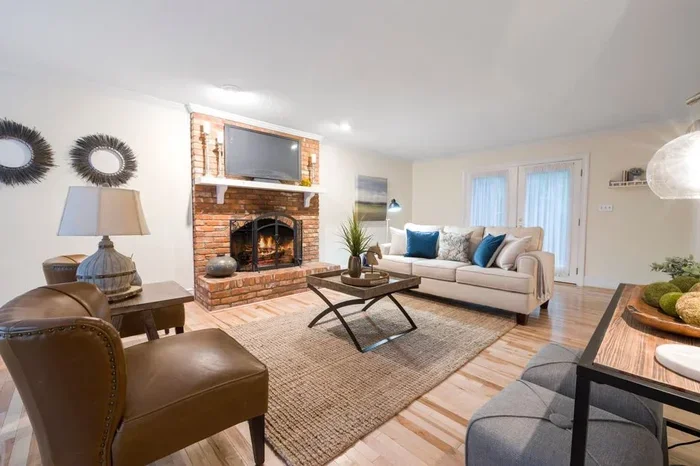
Symmetry is at the heart of colonial design. Furniture is arranged in balanced pairs around a central focal point. A fireplace often sits at the center of the room. Matching sofas, chairs, and side tables create visual harmony.
This balanced approach makes the room feel calm and ordered. The eye moves naturally across the space without feeling crowded. Even the window treatments often mirror each other on both sides. Symmetrical layout is one of the easiest ways to capture the colonial spirit.
Rich Wood Furniture and Flooring
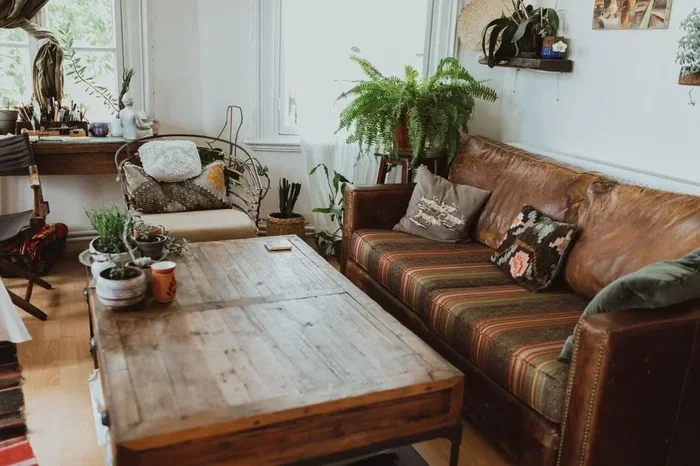
Wood plays a starring role in colonial interior design. Dark oak, walnut, and cherry are common choices for furniture pieces. A solid wood coffee table anchors the seating area beautifully. Chairs with turned legs and carved details add authentic charm.
Hardwood floors are a must for this style. Wide-plank oak or maple floors give the room a warm, natural foundation. The wood tones complement the furniture and create a cohesive feel. If replacing floors is not an option, area rugs in warm tones work well too.
Architectural Details That Make the Difference
One thing that sets a true colonial style living room apart is the architectural detail. These elements add depth, texture, and character to the walls and ceiling.
Crown molding along the ceiling edge frames the room with elegance. Wainscoting on the lower half of walls adds a refined, layered look. Paneled walls in darker wood tones create a sense of richness and tradition. These details may seem small, but they transform the entire room.
Fireplace mantels are another signature feature. A carved wooden mantel or a stone fireplace becomes the room’s centerpiece. Above it, you can hang a large mirror or a piece of heritage art. These architectural touches give your space an authentic colonial feel.
Color Palettes for a Colonial Living Room
The right colors set the mood for your colonial style living room. The palette tends to be warm, restrained, and inviting. Most schemes rely on a base of neutral tones accented with deeper hues.
Neutral Foundations
Warm whites, soft creams, and gentle grays form the base of most colonial rooms. These colors make the space feel open and airy. They also let wood tones and architectural details stand out. Paint the walls in a warm off-white for an authentic look.
Accent Colors That Work Well
Deep blues, forest greens, and warm reds make excellent accent colors. Use them on throw pillows, curtains, or a statement chair. Warm tones like burgundy and mustard add richness without overwhelming the room. Stick to two or three accent colors to keep things cohesive.
| Base Color | Accent Color | Vibe It Creates |
|---|---|---|
| Warm White | Navy Blue | Classic and refined |
| Cream | Forest Green | Natural and grounded |
| Soft Gray | Burgundy | Elegant and warm |
| Beige | Gold or Mustard | Inviting and cheerful |
Furniture Selection for an Authentic Colonial Look
Choosing the right furniture is key to nailing the colonial interior design aesthetic. The pieces should feel sturdy, well-crafted, and classic. Avoid anything that looks too modern or minimalist.
Seating Options
Look for sofas and chairs with clean lines and solid construction. Rolled arms, turned legs, and upholstered backs are hallmarks of the style. Settee-style seating works wonderfully in a colonial style living room. It encourages conversation and keeps the layout symmetrical.
Upholstery fabrics should feel substantial. Think linen, cotton, or leather in neutral or muted tones. Avoid bold patterns; solid colors or subtle textures work best. A few well-placed throw pillows add comfort without cluttering the space.
Coffee and Side Tables
Wooden tables with simple, elegant shapes are ideal. Look for pieces with tapered legs and smooth finishes. A trunk-style coffee table adds a rustic colonial touch. Side tables placed symmetrically on each side of the sofa complete the arrangement.
Storage and Display Pieces
Built-in bookshelves and display cabinets fit right into colonial design. They provide storage while showcasing your favorite pieces. Antique clocks, ceramic vases, and framed old maps make great display items. These antique accessories add personality and a sense of history to the room.
Lighting and Window Treatments
Lighting plays a big role in setting the mood of a colonial style living room. The goal is to create a warm, layered glow that feels both elegant and functional.
Overhead Lighting
A crown chandelier hung over the coffee table or seating area is a stunning focal point. Choose fixtures with brass, bronze, or iron finishes. Crystal details add a touch of refinement without feeling too formal. Wall sconces placed on either side of the fireplace or mirrors add balanced ambient light.
Window Treatments
Draped curtains in linen or cotton bring softness and warmth to the windows. Floor-length panels in neutral or accent colors look most authentic. Sheer layers underneath provide privacy while letting in natural light. Wooden blinds or shutters also work well and add a rustic touch.
Natural light is your best friend in colonial design. Keep windows unobstructed where possible. The interplay of light and shadow on wood surfaces and moldings creates a beautiful atmosphere throughout the day.
Decor and Accessories That Complete the Look
The finishing touches bring your colonial style living room to life. This is where you add personality and warmth to the space. Thoughtful decor choices make the room feel curated and intentional.
Rugs and Textiles
A wool or jute area rug ties the seating group together. Choose patterns that are simple and classic. Avoid anything too bold or modern. Layered textiles like throws and cushions add comfort and visual interest.
Art and Wall Decor
Framed botanical prints, vintage landscapes, and family portraits work beautifully on the walls. Hang them in matching frames for a polished look. A large statement piece above the fireplace draws the eye and anchors the room. Heritage decor items like old maps and brass instruments add unique character.
Greenery and Natural Elements
Fresh flowers or potted plants bring life into a colonial room. A simple arrangement on the coffee table or mantel feels natural and unforced. Dried arrangements like lavender or wheat also fit the aesthetic. Natural materials like stone, wood, and woven baskets reinforce the grounded feel of the space.
Common Mistakes to Avoid
Even with the best intentions, it is easy to make mistakes when designing a colonial style living room. Here are a few pitfalls to watch out for.
- Overdoing the dark tones: Too much dark wood or heavy color can make the room feel small and heavy. Balance dark pieces with lighter walls and airy textiles.
- Ignoring symmetry: Placing furniture randomly breaks the colonial feel. Take time to arrange pieces in balanced pairs.
- Skipping architectural details: Without molding, wainscoting, or a fireplace, the room may feel flat. Even simple updates like adding molding can make a big difference.
- Using too many modern pieces: Mixing in sleek contemporary furniture can clash with the traditional aesthetic. Keep the focus on classic, crafted items.
- Neglecting lighting layers: Relying on one overhead light creates a flat atmosphere. Use a mix of chandeliers, sconces, and table lamps for warmth.
Expert Tips for a Polished Colonial Living Room
Design professionals who specialize in colonial interior design share a few insider tips. These small moves can elevate your room from good to great.
Start with a clear focal point. Every colonial style living room needs a centered anchor. The fireplace is the most traditional choice. If you do not have one, a large window or a statement mirror can work instead.
Pay attention to scale. Furniture should fit the room proportionally. Oversized pieces in a small room feel cramped. Undersized pieces in a large room look lost. Measure your space before purchasing anything.
Add layers of texture. Mix smooth wood with rough linen and soft velvet. This interplay of textures makes the room feel rich and inviting. It also gives you more to play with when updating the decor seasonally.
Keep the color story consistent. Stick to your chosen palette throughout the room. This creates a sense of calm and order that is central to the colonial aesthetic. Warm tones and natural materials should tie everything together seamlessly.
Key Takeaways
- Symmetry is essential: Colonial design relies on balanced layouts and centered focal points to create a harmonious feel.
- Neutral color palettes work best: Warm whites, creams, and soft grays form the foundation of a colonial style living room.
- Rich wood furniture and hardwood floors: Dark wood tones and classic pieces define the authentic colonial look.
- Architectural details matter: Crown molding, wainscoting, and paneled walls add depth and character to your space.
- Accessorize with purpose: Antique accessories, draped curtains, and crown chandeliers complete the colonial aesthetic.
- Mix old and new: You can blend colonial elements with modern comforts for a livable, stylish result.
Conclusion
Designing a colonial style living room is a rewarding journey. The style offers a beautiful blend of history, craftsmanship, and warmth. From the symmetrical layout to the rich wood tones and thoughtful accessories, every detail counts. You do not need a large budget or a historic home to achieve this look. Start with the basics, add your personal touches, and let the style evolve naturally.
The beauty of colonial interior design lies in its simplicity and enduring appeal. A well-designed colonial living room feels like a retreat from the busy modern world. It is a place where family and guests feel welcomed and at ease. Use the tips in this guide to create a space that reflects timeless elegance and genuine comfort. Your colonial style living room will be a source of pride and joy for years to come.
Frequently Asked Questions
What makes a living room feel colonial in style?
A colonial style living room feels defined by its symmetry, rich wood furniture, and neutral color palette. Architectural details like crown molding and wainscoting add authenticity. Balanced furniture arrangements and classic accessories complete the look.
What colors work best for a colonial living room?
Warm whites, creams, soft grays, and beige form the base. Accent with deep blues, forest greens, or burgundy through pillows and curtains. The overall feel should remain warm, grounded, and inviting.
Can I mix colonial style with modern elements?
Absolutely. Many homeowners blend colonial furniture with modern lighting or minimalist decor. The key is to keep the core colonial elements strong. Let the traditional pieces anchor the room while modern touches add freshness.
What type of flooring is best for a colonial living room?
Wide-plank hardwood floors in oak or maple are the most authentic choice. Dark wood tones complement the furniture and add warmth. If hardwood is not an option, large area rugs in natural fibers also work well.
How do I light a colonial style living room properly?
Use layered lighting for the best effect. A crown chandelier provides overhead light, while wall sconces and table lamps add warmth. Draped curtains help control natural light and soften the room throughout the day.
Where can I find authentic colonial furniture pieces?
Antique shops, estate sales, and vintage markets are excellent sources. Many reproduction furniture brands also offer colonial-style pieces. Look for items with turned legs, solid wood construction, and simple, clean lines.