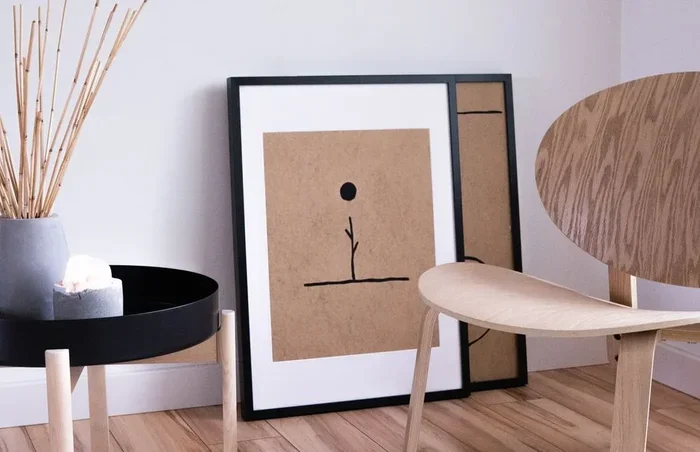
Japandi Interior Design Living Room Decor Ideas 2024
Japandi interior design living room decor merges the best of Japanese minimalism and Scandinavian coziness. This trending style creates serene, functional spaces with natural materials and clean lines. In 2024, homeowners are embracing muted palettes, organic textures, and intentional simplicity. You will learn how to choose furniture, colors, and decor that bring harmony to your living room. Start transforming your space into a peaceful retreat today.
Key Takeaways
- Japandi design blends Japanese minimalism with Scandinavian warmth for a balanced look.
- A neutral color palette with earthy tones sets the foundation for any japandi living room.
- Natural materials like wood, bamboo, and linen are essential to achieving the authentic japandi feel.
- Furniture should be low-profile, functional, and free of unnecessary ornamentation.
- Lighting plays a huge role in creating the calm, inviting atmosphere japandi spaces are known for.
- Small intentional decor choices make a big impact in maintaining the japandi aesthetic.
📑 Table of Contents
- What Is Japandi Interior Design and Why Is It So Popular?
- Key Elements of a Japandi Living Room
- Japandi Living Room Color Palette Ideas
- Furniture and Layout Tips for Japandi Living Rooms
- Decor and Accessories for a Japandi Living Room
- Common Mistakes to Avoid in Japandi Design
- How to Start Your Japandi Living Room Transformation
- Final Thoughts on Japandi Living Room Design
What Is Japandi Interior Design and Why Is It So Popular?
Japandi interior design living room spaces have taken the decor world by storm. The term “japandi” comes from combining “Japanese” and “Scandinavian” design traditions. These two styles share a love for simplicity, function, and natural beauty. Together, they create something truly special for modern homes.
Japanese design brings calm, discipline, and a deep respect for nature. Scandinavian design adds warmth, coziness, and practical elegance. When you mix them together, you get a look that feels both peaceful and inviting. This is why so many homeowners are turning to japandi for their living rooms.
The style is not just about looking good. It is about creating a space that helps you relax and breathe. In a busy world, that matters more than ever. People want their homes to feel like a retreat, not a storage room for stuff.
Japandi design also works well in small and large spaces alike. It adapts to any room size because it focuses on essentials. There is no need for clutter or excess decoration. Every piece has a purpose and a place.
The rise of minimalist living has pushed japandi into the spotlight. More people are choosing quality over quantity. They want fewer things, but better things. This philosophy fits perfectly with the japandi mindset.
Why 2024 Is the Year of Japandi
Interior trends come and go, but japandi feels timeless. In 2024, people are seeking comfort and calm in their homes. After years of uncertainty, the desire for peaceful spaces has grown stronger. Japandi answers that need beautifully.
Designers and influencers alike are showcasing japandi living rooms online. Social media has helped spread the style far and wide. Pinterest and Instagram are full of stunning japandi inspiration photos. This visibility has made it one of the most searched interior styles today.
The style also aligns with sustainable living. Japandi encourages buying fewer, better-made items. It favors natural and eco-friendly materials. This makes it a responsible choice for the environment too.
Key Elements of a Japandi Living Room
Creating a japandi interior design living room starts with understanding its core elements. Each piece and detail works together to build a sense of harmony. Let us break down the most important components you need to know.
Clean Lines and Simple Forms
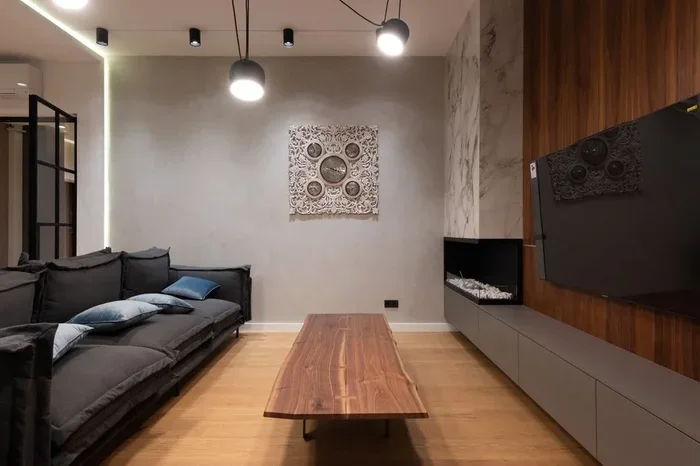
Both Japanese and Scandinavian design love clean lines. Furniture should have smooth, simple shapes without heavy ornamentation. Think of a low sofa with straight edges or a sleek wooden coffee table. The goal is to let the form speak for itself.
Avoid busy patterns or overly decorated pieces. Instead, choose items with a sense of quiet elegance. A simple linen armchair or a bare wooden shelf can be more powerful than anything ornate. Less really is more in japandi design.
Natural Materials Everywhere
Natural materials are the backbone of japandi style. Wood, bamboo, rattan, linen, cotton, and stone all play a role. These materials bring warmth and texture without feeling heavy. They connect your indoor space to the natural world outside.
For your living room, look for furniture made from light-toned wood. Oak, ash, and birch are popular choices. A bamboo rug or a linen throw blanket adds layers of natural texture. Stone or clay accents on shelves or decor pieces complete the look.
Wabi-Sabi: The Beauty of Imperfection
Wabi-sabi is a Japanese concept that celebrates imperfection and impermanence. In japandi design, this means embracing handmade, rustic, and organic items. A ceramic vase with uneven edges or a wood grain with visible knots tells a story. These small imperfections add character and warmth to your space.
Do not chase perfection when decorating. Instead, choose items that feel authentic and lived-in. A handmade clay bowl or a hand-woven basket adds soul to your japandi living room. This is what makes the space feel truly unique.
Functional and Purposeful Decor
Every item in a japandi living room should serve a purpose. Decor is not just for show. It should also be useful or meaningful. This approach keeps the space free of clutter and full of intention.
A wooden tray can hold your books while also acting as a display piece. A woven basket can store blankets and look beautiful doing it. Even your wall art should feel purposeful. A single calligraphy scroll or a simple nature photograph works wonders.
Japandi Living Room Color Palette Ideas
The color palette is one of the easiest ways to set the japandi tone. Japandi interior design living room schemes rely on soft, muted, and earthy hues. These colors create a calm and grounding atmosphere that feels instantly relaxing.
The Neutral Base
Start with a neutral foundation. White, cream, soft gray, and warm beige are your best friends. These colors make the space feel open and airy. They also let your natural materials and textures stand out beautifully.
Paint your walls in a soft warm white or a light greige shade. If you have darker walls, consider a lighter color to keep the space feeling bright. Neutral walls give you endless flexibility with furniture and decor choices.
Earthy Accent Colors
Add depth with earthy accent colors. Think warm brown, soft terracotta, muted olive green, and dusty sage. These tones echo the natural world and bring a sense of grounding. Use them in small doses through cushions, rugs, or art pieces.
Avoid bright or saturated colors. Japandi design favors subtlety over boldness. A single terracotta pillow or an olive green throw can add just the right pop of warmth. Keep the overall palette soft and cohesive for the best results.
The Power of Wood Tones
Wood is a natural color in any japandi space. Light wood tones like honey, pale oak, or bamboo create a bright and airy feel. Darker wood tones like walnut add richness and contrast. Mixing both can add visual interest while staying true to the style.
Consider a light wood coffee table paired with a darker wood media console. This creates a balanced and layered look. Wood tones tie the whole room together and give it that signature japandi warmth.
Furniture and Layout Tips for Japandi Living Rooms
How you arrange and choose furniture makes or breaks your japandi interior design living room. The layout should feel open, balanced, and intentional. Every piece needs to earn its place in the room.
Choose Low-Profile Furniture
Japandi furniture tends to sit low to the ground. Low sofas, low coffee tables, and floor-level seating create a grounded feel. This style mirrors traditional Japanese room design and brings a sense of calm. It also makes the room feel more spacious.
A low linen sofa in a neutral tone is a great starting point. Pair it with a simple wooden coffee table at a similar height. Keep the furniture pieces streamlined and avoid anything bulky or tall.
Embrace Open Space
Open space is just as important as the furniture you place. Japandi design values breathing room. Do not fill every corner of the room. Leave areas of empty floor space to let the room feel calm and uncluttered.
Arrange your furniture to create clear pathways. A simple L-shaped sofa arrangement works well. Make sure there is enough room to walk comfortably between pieces. The empty space itself becomes part of the design.
Multipurpose and Modular Pieces
Scandinavian design loves smart functionality. Look for furniture that does double duty. A storage ottoman can serve as a seat and a place to stash blankets. A modular sofa lets you rearrange the layout whenever you want.
Multipurpose pieces help you keep the room clutter-free. They also make small living rooms feel more spacious. When every piece pulls double weight, you need fewer things overall. This is the japandi way.
Decor and Accessories for a Japandi Living Room
The decor you choose brings your japandi interior design living room to life. In japandi style, less is always more. Each accessory should be chosen with care and intention.
Lighting: Warm and Soft
Lighting sets the mood in any japandi space. Avoid harsh overhead lights whenever possible. Instead, use warm, soft lighting that creates a cozy glow. Paper lanterns, fabric table lamps, and simple pendant lights work beautifully.
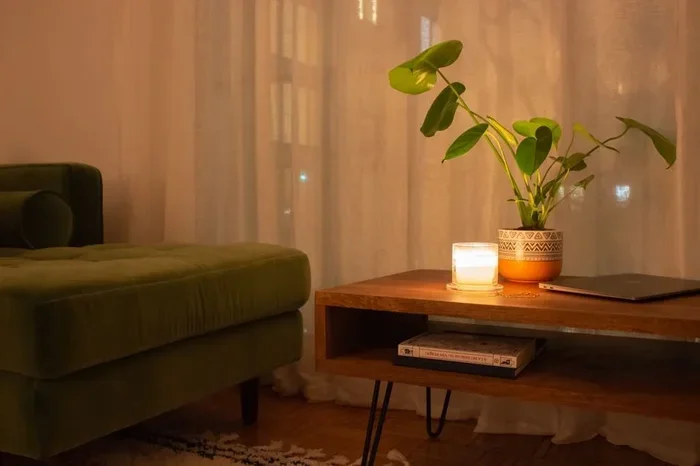
Shoji-style floor lamps with paper shades are a classic japandi choice. They cast a gentle, diffused light that feels incredibly calming. Candles and string lights also add a lovely warm touch during evenings.
Natural light is equally important. Keep your windows unobstructed when possible. Sheer linen curtains let sunlight filter through softly. The interplay of natural and artificial light creates a serene atmosphere all day long.
Plants and Greenery
Bringing nature indoors is a core part of japandi design. Plants add life, color, and freshness to your living room. They also improve air quality and boost your mood. Choose simple, elegant planters in ceramic or clay pots.
A single tall plant like a peace lily or a snake plant makes a strong statement. Small potted succulents on a wooden shelf add a delicate touch. Avoid overdoing it with too many plants. A few well-placed green friends are enough to capture the japandi spirit.
Art and Wall Decor
Wall art in a japandi living room should be simple and meaningful. A single piece of calligraphy or a minimalist landscape painting works best. Avoid busy gallery walls with many small frames. One or two thoughtfully chosen pieces make a bigger impact.
Consider a hanging scroll with Japanese calligraphy or a simple ink wash painting. A framed nature photograph in a thin wooden frame also fits the style. The key is to let the art breathe and stand on its own without competition.
Textiles and Soft Furnishings
Textiles add warmth and comfort to your japandi living room. Linen curtains, cotton throw pillows, and wool blankets are excellent choices. Stick to neutral or earthy tones for a cohesive look. Textures matter more than patterns in japandi design.
A thick woven rug in a natural fiber like jute or sisal anchors the seating area. A chunky knit throw draped over your sofa adds instant coziness. These soft touches make the room feel inviting without adding visual clutter.
Common Mistakes to Avoid in Japandi Design
Even with the best intentions, it is easy to make mistakes when creating a japandi interior design living room. Knowing what to avoid saves you time and money. Here are the most common pitfalls to watch out for.
Over-Decorating the Space
The biggest mistake is adding too much decor. Japandi is all about restraint. If your shelves are packed with objects, it is time to edit. Keep only the items that bring you joy or serve a real purpose. A few well-chosen pieces speak louder than a room full of decorations.
Using the Wrong Materials
Avoid synthetic or shiny materials. Plastic, glossy lacquer, and metallic finishes clash with the japandi aesthetic. Stick to natural materials like wood, linen, cotton, and stone. These textures create the warmth and authenticity that define the style.
Ignoring the Balance Between Japanese and Scandinavian
Some people lean too far into one style and lose the balance. A room that is all Japanese might feel cold and sparse. A room that is all Scandinavian might feel too casual. The magic of japandi lies in the blend. Make sure both influences are visible in your space.
Choosing Bright or Bold Colors
Bright colors have their place in design, but not in japandi. Avoid neon accents, loud reds, or electric blues. Stick to the soft, muted, and earthy palette that defines the style. If you want a pop of color, keep it very subtle and natural.
How to Start Your Japandi Living Room Transformation
Now that you understand the core principles, it is time to start applying them. You do not need to overhaul your entire room at once. Small, thoughtful changes can transform your space into a japandi haven. Here is a simple step-by-step approach.
- Declutter first. Remove anything you do not need or love. Japandi design thrives on emptiness and open space.
- Choose a neutral color palette. Paint walls, swap out bold textiles, and reset the foundation.
- Invest in natural materials. Add wood furniture, linen cushions, and cotton throws one at a time.
- Edit your decor ruthlessly. Keep only the pieces that feel intentional and meaningful.
- Focus on lighting. Replace harsh bulbs with warm ones and add layered light sources.
- Bring in greenery. Add one or two plants to breathe life into the space.
Remember, japandi is a journey, not a destination. Take your time and enjoy the process. The goal is to create a space that feels peaceful and authentic to you. Let your japandi interior design living room evolve naturally over time.
Final Thoughts on Japandi Living Room Design
Japandi interior design living room spaces offer so much more than just good looks. They offer a way of living that prioritizes calm, intention, and connection to nature. In 2024, this style continues to resonate with people seeking peace in their homes.
Whether you are starting from scratch or refreshing an existing room, japandi gives you a clear and beautiful framework. Focus on natural materials, muted colors, clean lines, and purposeful decor. Let go of the need for excess and embrace the beauty of simplicity.
Your living room should be a place where you feel grounded and at ease. Japandi design helps you create exactly that. Start small, stay intentional, and watch your space transform into a serene retreat you will love spending time in.
Frequently Asked Questions
What is the difference between Japandi and Scandinavian design?
Scandinavian design focuses on warmth, light, and cozy functionality. Japandi combines those qualities with Japanese minimalism and wabi-sabi philosophy. The result is a look that is even more restrained, earthy, and meditative than pure Scandinavian style.
Can I use color in a Japandi living room?
Yes, but keep it subtle and muted. Earthy tones like warm brown, soft terracotta, olive green, and dusty sage work beautifully. Avoid bright or saturated colors. The goal is a soft, grounded palette that feels calm and natural.
Do I need expensive furniture for Japandi design?
Not at all. Japandi is about intentionality, not price tags. You can find affordable wooden furniture, linen textiles, and simple decor at many budget-friendly stores. Focus on quality and simplicity rather than brand names or luxury labels.
How much empty space should a Japandi living room have?
Open space is a key part of japandi design. Aim to keep at least 40 to 50 percent of your floor area visible and uncluttered. This creates the sense of calm and breathing room that defines the style. Let the empty space do its work.
What plants work best in a Japandi living room?
Choose simple, elegant plants with clean shapes. A peace lily, snake plant, or a single bonsai tree fits the aesthetic perfectly. Use plain ceramic or clay pots. Avoid overly decorative or colorful planters. Less is more when it comes to greenery.
Is Japandi design suitable for small living rooms?
Absolutely. Japandi is ideal for small spaces because it embraces minimalism and open layouts. Low-profile furniture and a neutral palette make rooms feel larger. The focus on function over excess means you only keep what you truly need.
=== CONCLUSION ===
Japandi interior design living room decor offers a timeless and refreshing approach to modern living. It brings together the best of two beloved design traditions into a style that feels both peaceful and welcoming. By focusing on natural materials, muted colors, clean lines, and intentional decor, you can create a space that truly nourishes your soul.
Remember, the heart of japandi is simplicity and balance. You do not need a big budget or a designer to achieve this look. Start with small changes, stay true to the principles, and let your space evolve naturally. Your dream japandi living room is closer than you think.