Interior Design For Living Room Makeovers You Will Love
Interior design for living room makeovers can completely refresh your home and boost your mood every single day. This guide covers everything from choosing the right color palette to arranging furniture like a pro. You will learn practical tips, style ideas, and budget-friendly tricks that work for any space. Whether you prefer a modern look or a cozy vibe, these strategies will help you create a room you truly love. Read on to turn your living room into the heart of your home.
Your living room is more than just a room. It is where you relax, entertain guests, and spend quality time with family. A well-thought-out interior design for living room space can completely change how you feel every time you walk through the door. Whether your current setup feels outdated or you simply crave a fresh look, a makeover can bring new life into your home.
The good news is that you do not need a huge budget or professional training to get amazing results. With the right ideas and a clear plan, anyone can transform their living space into something beautiful and functional. This guide walks you through every step of the process. You will find practical tips, real examples, and creative ideas that make living room design feel exciting instead of overwhelming.
So grab a cup of coffee, and let us dive into the world of interior design for living room makeovers. By the end of this article, you will have all the tools and confidence you need to start your own transformation. Let us make your living room the best room in your house.
Key Takeaways
- Start with a style: Identifying your design style is the first step to a successful living room makeover.
- Color sets the mood: The right color palette can make a small room feel spacious or a large room feel intimate.
- Furniture placement matters: A well-planned layout improves flow, comfort, and the overall feel of the space.
- Lighting changes everything: Layering ambient, task, and accent lighting adds depth and warmth to any room.
- Accessories add personality: Throw pillows, rugs, wall art, and mirrors are easy ways to refresh your look.
- Budget makeovers work: You do not need to spend a fortune to achieve a beautiful interior design for living room transformation.
- Small changes have big impact: Even swapping a few accent pieces can completely change the feel of your space.
📑 Table of Contents
- Why Your Living Room Deserves a Makeover
- Finding Your Interior Design Style
- Choosing the Right Color Palette
- Furniture Layout and Arrangement Tips
- Lighting and Accessories That Transform a Room
- Budget-Friendly Living Room Makeover Ideas
- Common Mistakes to Avoid in Living Room Design
- Bringing It All Together
Why Your Living Room Deserves a Makeover
Life changes fast. Families grow, hobbies evolve, and tastes shift over time. Your living room should keep up with who you are today, not who you were five years ago. A room makeover gives you the chance to align your space with your current lifestyle and personality.
Beyond personal satisfaction, a refreshed living room adds real value to your home. Potential buyers notice a well-designed living space. Even if you are not planning to sell, you get to enjoy the benefits every single day. A beautiful living room design improves your mood, reduces stress, and makes your home feel like a true retreat.
Think about how much time you spend in this room. You watch movies there. You read books. You host dinners. You play with your kids. Every activity deserves a space that supports it. A thoughtful interior design for living room plan ensures every corner works hard for you.
Signs Your Living Room Needs a Refresh
Not sure if your space needs an update? Here are some clear signs to watch for:
- The furniture feels stale or uncomfortable
- The color scheme looks dull or outdated
- The room lacks a clear focal point
- Storage feels insufficient or cluttered
- The lighting makes the space feel dark or flat
- You no longer feel excited to spend time there
If several of these sound familiar, it is time to consider a living room makeover. The great part is that you can tackle small changes first and build from there. Not every update needs to happen all at once.
Finding Your Interior Design Style
Before you buy anything new, take time to explore different styles. Knowing what you love makes every decision easier. A clear vision keeps you focused and saves money in the long run. The goal is to create a space that feels authentically you.
Popular Living Room Styles to Consider
There are many directions you can go with interior design for living room projects. Here are some of the most popular styles that homeowners love:
- Modern Minimalist: Clean lines, neutral colors, and clutter-free surfaces. This style focuses on function and simplicity.
- Scandinavian: Warm woods, soft textures, and a cozy yet airy feel. It brings comfort without feeling heavy.
- Bohemian: Bold colors, layered textures, and eclectic accessories. It feels free, creative, and personal.
- Classic Traditional: Rich wood furniture, elegant fabrics, and timeless details. It creates a refined and polished look.
- Coastal: Light blues, whites, and natural materials. It brings a relaxed beach vibe indoors.
- Mid-Century Modern: Retro-inspired furniture, warm tones, and organic shapes. It adds character and charm.
You do not have to pick just one style. Many beautiful living rooms blend elements from two or three styles. The key is to keep things balanced. Start by browsing magazines, Pinterest boards, or design blogs for inspiration. Save images that catch your eye and look for patterns. Over time, a clear style will emerge.
Choosing the Right Color Palette
Color is one of the most powerful tools in interior design for living room projects. The right palette sets the entire mood of the space. It affects how big or small the room feels, how warm or cool it is, and how inviting it appears.
How to Pick Colors That Work Together
Choosing colors can feel intimidating, but it does not have to be. Start with a simple rule: pick one dominant color, one secondary color, and one accent color. The dominant color covers the largest areas like walls or big furniture pieces. The secondary color adds depth and interest. The accent color pops through smaller items like cushions, art, or vases.
Neutral tones like white, beige, gray, and soft taupe work beautifully as a base. They create a calm backdrop that lets your accent colors shine. If you want a bolder look, try deep navy, forest green, or warm terracotta. These colors add richness and personality without overwhelming the space.
Always test your colors in the actual room. Paint a small swatch on the wall and look at it during different times of the day. Natural light and artificial light change how colors appear. What looks perfect in the store might feel different under your own ceiling lights.
Color Psychology in Living Room Design
Colors affect emotions more than most people realize. Soft blues and greens promote calm and relaxation. Warm yellows and oranges create energy and coziness. Deep purples add a sense of luxury and creativity. When choosing your living room color scheme, think about how you want the room to feel. Match the colors to the mood you want to create.
Furniture Layout and Arrangement Tips
Even the most beautiful furniture will fall flat if the layout does not work. The way you arrange pieces in your living room design affects everything from conversation flow to how spacious the room feels. A smart layout makes the room functional and visually balanced.
Start With the Focal Point
Every living room needs a focal point. This is the first thing people see when they enter the space. Common focal points include a fireplace, a large window with a view, a television, or a striking piece of statement furniture. Once you identify the focal point, arrange your seating to face it.
Your sofa should be the anchor of the room. Place it facing the focal point and build the rest of the arrangement around it. Add armchairs, ottomans, and side tables to create a cozy conversation area. Leave enough space between pieces so people can move around comfortably.
Common Furniture Layout Mistakes to Avoid
Many homeowners make the same mistakes when arranging furniture. Here are a few to watch out for:
- Pushing all furniture against the walls, which makes the room feel empty and cold
- Blocking walkways and traffic flow with bulky pieces
- Choosing furniture that is too large or too small for the space
- Ignoring the balance between seating and open floor area
- Forgetting to create defined zones in open-concept spaces
To avoid these issues, measure your room first. Sketch a floor plan on paper or use a free online tool. This simple step saves time and money. You will know exactly what size furniture fits and where each piece should go before you buy anything.
Lighting and Accessories That Transform a Room
Lighting is the secret weapon of great interior design for living room spaces. It sets the atmosphere, highlights key features, and makes the room feel alive. Accessories add the finishing touches that turn a good room into a great one.
Layer Your Lighting for Maximum Impact
The best living rooms use a mix of lighting types. Ambient lighting provides overall illumination. Task lighting helps with specific activities like reading or working. Accent lighting draws attention to artwork, plants, or architectural details.
Start with a statement ceiling fixture or chandelier as your main light source. Then add floor lamps and table lamps for task and ambient light. Finally, consider LED strip lights or picture lights for accent effects. Dimmer switches are a game-changer too. They let you adjust the brightness to match the mood of the moment.
Natural light also plays a huge role. Keep windows unobstructed when possible. Use sheer curtains to soften harsh sunlight while keeping the room bright. Mirrors placed opposite windows bounce light around the room and make it feel larger and more open.
Accessorizing Like a Pro
Accessories bring personality and warmth to a living room. They are the finishing touches that make the space feel curated and intentional. Here are some easy ways to accessorize:
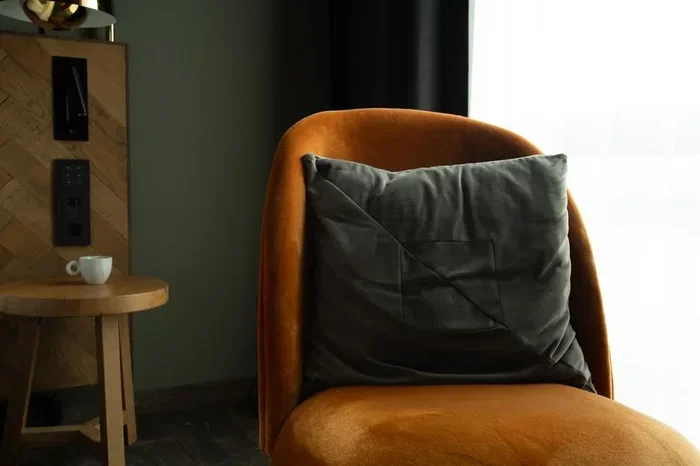
- Throw pillows: Mix different sizes, textures, and patterns for visual interest
- Area rugs: Define the seating area and add warmth underfoot
- Wall art: Create a gallery wall or hang a single bold piece
- Decorative mirrors: Add depth and reflect light across the room
- Plants and flowers: Bring life and color into the space naturally
- Books and trays: Style coffee tables and side tables with intention
- Throw blankets: Add texture and an inviting, cozy feel
The key to great accessorizing is restraint. Too many items create clutter. Group accessories in odd numbers and vary heights and textures for a polished look. Remember, less is often more when it comes to home styling.
Budget-Friendly Living Room Makeover Ideas
A stunning living room makeover does not require a massive budget. Some of the best transformations come from small, strategic changes. With creativity and planning, you can refresh your space without breaking the bank.
High-Impact, Low-Cost Updates
Here are some budget-friendly ideas that deliver big results:
- Repaint the walls: A fresh coat of paint is one of the most affordable ways to transform a room. Choose a color that energizes or relaxes you.
- Rearrange the furniture: A new layout costs nothing but creates an entirely different feel.
- Swap out throw pillows and blankets: New textiles instantly update the look and add comfort.
- Add a new area rug: It anchors the seating area and adds color and texture.
- Update lighting fixtures: A new pendant light or floor lamp changes the room’s ambiance dramatically.
- Refresh wall art: Print new artwork or create a DIY gallery wall with framed photos and prints.
- Declutter and organize: A clean, tidy room always looks better than an expensive, cluttered one.
Before you spend any money, walk through your current living room with fresh eyes. What can you repurpose? What can you remove? Sometimes the best interior design for living room upgrade is simply clearing out what no longer serves the space.
When to Invest in Bigger Pieces
While small changes work wonders, some upgrades are worth the investment. A comfortable sofa, a quality area rug, or well-made accent furniture can last for years and elevate the entire room. Focus your budget on pieces you use daily and that will stand the test of time.
Look for sales, visit outlet stores, or consider secondhand furniture in excellent condition. Many vintage pieces offer better quality and unique style than new mass-market options. Patience and smart shopping go a long way in any home renovation project.
Common Mistakes to Avoid in Living Room Design
Even the best intentions can lead to missteps in interior design for living room projects. Being aware of common mistakes helps you avoid them and achieve better results from the start.
- Skipping the plan: Buying furniture without a layout leads to poor fit and wasted money
- Ignoring scale: Oversized or undersized furniture throws off the entire room balance
- Neglecting storage: A beautiful room quickly loses its appeal when clutter piles up
- Following trends blindly: Trends fade fast. Choose a timeless foundation and add trendy accents you can swap out easily
- Forgetting about comfort: Style means nothing if the room is not a comfortable place to relax
Keep these pitfalls in mind as you work through your makeover. Take your time and trust your instincts. The best living room design is one that feels right to you and supports your daily life.
Bringing It All Together
A successful interior design for living room project comes down to three things: a clear vision, thoughtful planning, and personal touches. Start by identifying your style and choosing a color palette that reflects your personality. Arrange your furniture to support comfort and conversation. Layer your lighting and add accessories that tell your story.
Remember that a room makeover does not have to happen overnight. Small changes add up over time. Each new throw pillow, piece of art, or plant brings you closer to the living room of your dreams. The process itself is part of the joy of creating a home you love.
Your living room is the space where life happens. It is where you laugh with friends, unwind after a long day, and make memories with family. Investing in its design is an investment in your happiness and well-being. Start today, take it one step at a time, and enjoy the journey of transforming your space.
With the right ideas and a willingness to experiment, your living room makeover can exceed your wildest expectations. Trust the process, celebrate small wins, and enjoy every moment of creating a space that truly feels like home.
Frequently Asked Questions
What is the first step in interior design for living room makeovers?
The first step is identifying your personal style and assessing the current state of your room. Take note of what you like and what is not working. Create a rough plan or mood board to guide your decisions. This foundation keeps your makeover focused and prevents costly mistakes.
How can I make my living room look more expensive without spending a lot?
Focus on simple upgrades like a fresh paint job, new throw pillows, and updated lighting. Decluttering also makes a huge difference. Adding a well-placed mirror and a quality area rug can elevate the entire look. Small, intentional changes often deliver the biggest impact.
What color palette works best for a small living room?
Light and neutral tones like soft white, warm beige, and pale gray make small rooms feel open and airy. Avoid dark colors on walls in small spaces. Instead, add color through accessories and accent pieces. This keeps the room bright while still feeling personal and inviting.
How do I arrange furniture in a small living room?
Start by identifying the focal point and arrange seating to face it. Choose smaller-scale furniture and leave open walkways. Use a sofa with exposed legs to create a sense of lightness. An area rug can define the seating zone without closing off the space.
What are the best budget-friendly living room makeover ideas?
Repainting walls, rearranging furniture, swapping textiles, and updating lighting fixtures are all affordable and impactful. Adding new wall art and plants also refreshes the space at minimal cost. Decluttering and organizing can transform a room without any spending at all.
How often should I update my living room interior design?
There is no set timeline. Focus on making updates when your needs or tastes change. Small refreshes like new pillows or art can happen yearly. Bigger changes like furniture replacement might happen every five to ten years. Follow your instincts and make changes that feel right for your lifestyle.
=== CONCLUSION ===
Interior design for living room makeovers is an exciting journey that anyone can embark on. With the right style direction, a thoughtful color palette, smart furniture layout, and the right lighting and accessories, you can completely transform your space. Budget-friendly updates and a clear plan make the process enjoyable and rewarding. Start with one change today and build from there. Your dream living room is closer than you think.