Interior Design Concept Art Ideas to Transform Your Space
Interior design concept art brings your dream space to life before you lift a single paintbrush. These visual blueprints help you explore colors, textures, and layouts with confidence. Whether you love minimalist vibes or bold statements, concept art makes every design decision clearer and easier.
Interior design concept art is one of the most exciting steps in creating a beautiful home. It is the visual blueprint that turns a blank room into a space you truly love. Before you buy furniture or pick out paint colors, concept art helps you see the big picture. Think of it as a creative sketch that shows your vision in detail.
Whether you are redecorating a single room or redesigning your entire home, concept art gives you direction. It pulls together colors, textures, furniture styles, and lighting into one clear image. This process saves time, money, and guesswork. You get to test ideas before making any big commitments.
In this guide, we will explore the best interior design concept art ideas that can transform your space. We will cover styles, tools, color strategies, and practical tips you can use right away. By the end, you will feel confident enough to start your own concept art journey.
Key Takeaways
- Concept art sets the foundation: It gives you a visual roadmap before any real work begins.
- Multiple styles work: From minimalist to luxury, concept art adapts to any design preference.
- Color and texture matter most: A strong palette ties every element together beautifully.
- Digital tools make it easy: You don’t need to be an artist to create compelling concept art.
- Wall design is key: The right wall treatment can completely change a room’s feel.
- Start small: You can test ideas with art pieces before committing to a full redesign.
📑 Table of Contents
What Is Interior Design Concept Art?
Interior design concept art is a visual representation of a design idea. It can take many forms, from hand-drawn sketches to digital renderings. The goal is simple: show what a space could look like before any real work starts. This artistic step bridges the gap between imagination and reality.
Concept art is not just for professional designers. Homeowners can use it too. It helps you communicate your ideas clearly, especially when working with contractors or decorators. A strong concept piece speaks louder than a thousand words ever could.
Why Concept Art Matters in Design
Without a visual plan, design decisions become scattered. You might pick a sofa that looks great on its own but clashes with your walls. Concept art prevents this problem. It keeps every element aligned with your overall vision.
Here are a few reasons why concept art is so valuable:
- Clarity: You see exactly what the finished space will look like.
- Budget control: You avoid buying items that do not fit the design.
- Better communication: Contractors and suppliers understand your vision faster.
- Creative freedom: You can experiment with bold ideas without real-world risk.
- Time savings: Decisions come faster when you have a clear reference point.
Popular Interior Design Concept Art Styles
Not all concept art looks the same. Different styles suit different tastes and spaces. Let us explore the most popular approaches that homeowners and designers love today.
Minimalist Concept Art
Minimalism focuses on clean lines, open space, and simple color palettes. In concept art, this style uses lots of white space and very few elements. The result feels calm, airy, and intentional.
If you love the idea of a clutter-free home, minimalist concept art is a great starting point. You can pair this style with minimalist wall art for living room to keep the look cohesive and refined.
Luxury and Elegant Concept Art
Luxury concept art leans into rich materials, deep colors, and ornate details. Think gold accents, marble textures, and statement furniture. This style creates a sense of grandeur and sophistication in any room.
Luxury design often uses dramatic lighting and bold artwork. The concept art phase is where you plan these bold choices carefully. The goal is a space that feels expensive and curated without being over the top.
Modern and Contemporary Concept Art
Modern concept art blends form and function seamlessly. Clean geometry, neutral tones, and innovative materials define this style. The concept art shows how each piece serves a purpose while still looking beautiful.
Contemporary design is closely related but slightly more flexible. It mixes modern elements with vintage or industrial touches. Your concept art can blend both styles to create something truly unique.
Rustic and Warm Concept Art
Rustic concept art celebrates natural materials like wood, stone, and linen. Warm tones and earthy textures dominate this style. It creates a cozy, inviting atmosphere that feels grounded and peaceful.
A living room white and wood interior design is a perfect example of rustic concept art in action. The combination of white walls and natural wood furniture creates a fresh yet warm feel that many homeowners adore.
How to Create Your Own Interior Design Concept Art
Creating concept art does not require a fine arts degree. With the right tools and approach, anyone can develop compelling visual ideas for their space. Here is a step-by-step guide to get you started.
Step 1: Define Your Vision
Start by asking yourself what feeling you want your space to evoke. Do you want it to feel peaceful and serene? Or bold and energizing? Write down a few words that describe your dream room. This simple exercise becomes the emotional core of your concept art.
Step 2: Gather Inspiration
Browse magazines, Pinterest boards, and design blogs. Save every image that speaks to you. Look for recurring themes in the colors, shapes, and styles that attract you. Over time, patterns will emerge that guide your concept art direction.
Step 3: Choose Your Color Palette
Color is the backbone of any concept art piece. Pick two to three main colors and one or two accent shades. Your palette should reflect the mood you defined in step one. A calming bedroom might use soft blues and creams, while a lively living room could embrace warm oranges and deep greens.
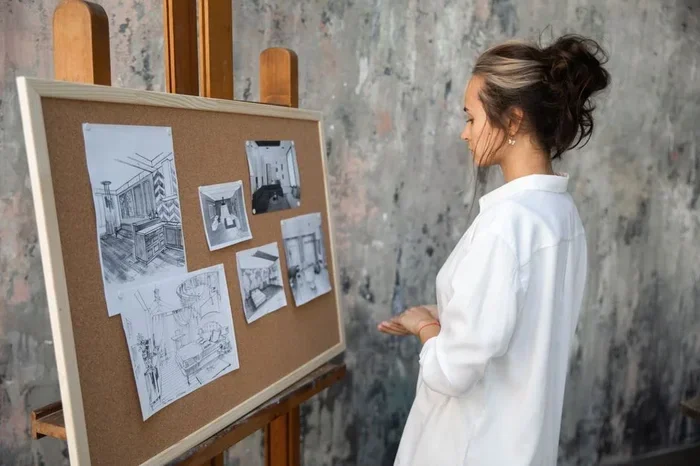
Step 4: Sketch or Render Your Ideas
You can sketch by hand or use digital tools like SketchUp, Canva, or Procreate. The goal is not perfection but clarity. Show the layout of furniture, the position of walls, and the flow of the room. Even simple shapes and blocks can communicate a powerful concept.
Step 5: Refine and Share
Once you have a draft, review it with fresh eyes. Does it capture the feeling you wanted? Share it with someone you trust for feedback. Small adjustments at this stage save big headaches later.
The Role of Color in Interior Design Concept Art
Color does more than make a room look pretty. It shapes how you feel in a space. Warm tones like red and orange create energy, while cool tones like blue and green bring calm. Your concept art should reflect the emotional impact you want each room to have.
A living room white and gold interior design shows how a simple color choice can elevate an entire space. The white base keeps things fresh and open, while gold accents add warmth and richness. This combination works beautifully in concept art because it balances simplicity with elegance.
Building a Cohesive Color Story
Your concept art should tell a color story that flows through the room. Start with a dominant neutral shade. Then add one or two supporting colors. Finally, use an accent color sparingly for impact. This three-layer approach keeps your design balanced and visually interesting.
Here are some color combinations that work well in concept art:
- Navy and cream: Classic and timeless with a sophisticated edge.
- Sage green and beige: Natural and calming for bedroom and bathroom spaces.
- Charcoal and mustard: Bold and modern for living areas and dining rooms.
- Blush pink and gray: Soft and stylish for a contemporary feminine look.
Wall Design and Concept Art
Walls are the largest surface in any room, and they play a starring role in concept art. The right wall design sets the tone for everything else. Whether you prefer paint, wallpaper, tiles, or panels, your walls should support the overall concept.
A living room wall design can completely change the personality of a space. In concept art, you can experiment with different wall treatments before committing. You might try a bold accent wall, a subtle texture, or an artistic mural.
Wall Tiles as Design Elements
Wall tiles add dimension and visual interest to any room. In concept art, tiles can create patterns, borders, or focal points. A living room wall tiles design might feature geometric shapes, handmade ceramics, or mosaic details. These elements give your concept art a tactile quality that feels real and inviting.
Wallpaper and Panels for Visual Impact
Wallpaper offers endless creative possibilities. From floral prints to abstract patterns, it brings life to flat walls. Wall panels add a more structured, three-dimensional feel. Both options translate beautifully into concept art because they add depth and character.
In your concept art, consider how the wall treatment interacts with your furniture and lighting. A busy wallpaper might need simpler furniture to balance it. A plain wall might benefit from a statement panel or textured finish.
Common Mistakes to Avoid in Concept Art
Even the best designers make mistakes during the concept art phase. Knowing what to avoid saves you time, money, and frustration. Here are the most common pitfalls and how to steer clear of them.
Skipping the Planning Phase
Many people jump straight into buying furniture and paint. This approach often leads to a disconnected, messy result. Always create concept art first. It does not need to be elaborate, but it should give you a clear direction.
Ignoring Scale and Proportion
Concept art should reflect the actual size of your room. A tiny apartment does not need oversized furniture, and a large living room does not look good with too many small pieces. Pay attention to proportions in your sketches and renderings.
Overloading with Trends
Trends come and go, but your home should feel timeless. Use trends as small accents rather than the foundation of your concept art. A trendy throw pillow works. A trendy wallpaper on every wall might not age well.
Forgetting About Lighting
Lighting changes everything in a room. Natural light, overhead fixtures, and lamps all affect how colors and textures look. Include lighting in your concept art to get an accurate preview of the final result.
Quick Tips for Stunning Concept Art
Here are some fast, practical tips to make your interior design concept art stand out:
- Use real product images: Place photos of actual furniture and decor into your concept art for a realistic preview.
- Keep it simple: You do not need detailed drawings. Simple block layouts communicate ideas just as well.
- Add texture swatches: Include samples of fabric, wood grain, or tile in your concept board for a tactile feel.
- Test in different light: View your concept art in morning light, afternoon light, and evening light to see how it changes.
- Create multiple versions: Make two or three concept variations. Comparing them side by side helps you pick the best direction.
- Use a mood board: A digital mood board brings together colors, textures, and inspiration into one visual story.
Conclusion
Interior design concept art is a powerful tool that transforms how you approach home decor. It gives you a clear vision, saves money, and prevents costly mistakes. Whether you prefer minimalist lines, luxury warmth, or rustic charm, concept art brings your ideas to life in a way that words alone cannot.
Start small if you need to. Even a simple sketch or a digital mood board can change the way you see your space. The key is to begin. Use the ideas and tips in this guide to create concept art that excites you and guides your design journey. Your dream space is closer than you think, and concept art is the bridge that gets you there.
Remember, every great room starts with a vision. Let your interior design concept art be that vision. Explore, experiment, and enjoy the process of creating a home that truly reflects who you are.
Frequently Asked Questions
What is interior design concept art used for?
Interior design concept art serves as a visual blueprint for a space. It helps you plan colors, furniture placement, textures, and overall style before making any real changes. It is used by both professional designers and homeowners to communicate ideas clearly and avoid costly mistakes.
Do I need artistic skills to create concept art?
Not at all. Concept art is about communication, not perfection. Simple sketches, digital renderings, and mood boards all work well. Tools like Canva, SketchUp, and even paper and pencil are enough to get started. The goal is clarity, not artistic mastery.
How is concept art different from a mood board?
A mood board collects inspiration images and color swatches in a collage format. Concept art goes a step further by showing the actual layout and spatial arrangement of a room. Think of a mood board as the ingredients list and concept art as the finished recipe.
Can concept art help me save money on home decor?
Absolutely. When you have a clear visual plan, you buy only what fits the design. This prevents impulse purchases and returns. Concept art also helps you prioritize spending on the pieces that matter most to the overall vision.
What tools are best for creating digital concept art?
Popular tools include SketchUp for 3D room layouts, Canva for mood boards, Procreate for hand-drawn sketches, and Planner 5D for easy floor planning. Many of these tools are free or low-cost, making concept art accessible to everyone regardless of budget.
How many concept art versions should I create?
Creating two to three versions is usually enough. One version can represent your primary vision, while others explore alternative color schemes or layouts. Comparing them side by side helps you make confident decisions without second-guessing yourself later.
=== CONCLUSION ===
Interior design concept art turns your design dreams into a clear, actionable plan. It gives you confidence, saves resources, and ensures every choice aligns with your vision. Start experimenting with concept art today, and watch your space come alive with purpose and beauty.