Beautiful Living Room Shelf Ideas That Transform Your Space
Beautiful living room shelf ideas can completely change how your space looks and feels. Shelves give you extra storage, display spots, and a way to show your personal style. Whether you want floating shelves, corner units, or built-in designs, there is a perfect option for every room. These ideas work for small apartments and large living rooms alike. Read on to find the best shelf styles, styling tips, and mistakes to avoid.
Your living room is the heart of your home. It is where you relax, welcome guests, and spend quality time with family. But have you ever looked around and felt like something was missing? The answer might be as simple as adding the right living room shelf ideas. Shelves do more than hold books. They shape the entire feel of a room. They give you a place to display what you love, store everyday items, and add visual interest to bare walls. In this guide, we will explore the best shelf designs, styling tricks, and common mistakes to avoid. By the end, you will have everything you need to create stunning shelves that truly transform your space.
Whether you live in a cozy studio or a spacious family home, shelves work for you. They come in all shapes, sizes, and materials. You can go minimalist or bold, rustic or sleek. The best part? You do not need a big budget. With a little creativity, even simple shelves can look like a designer touch. Let us dive into the world of living room shelf ideas and find the perfect fit for your home.
Key Takeaways
- Floating shelves create a clean, modern look and save floor space in any living room.
- Built-in wall shelves offer custom storage and make a room feel more organized and cohesive.
- Corner shelves use dead space and add dimension without cluttering your room.
- Styling by height, texture, and color makes shelf displays look professional and intentional.
- Avoid overloading shelves — less is often more when it comes to shelf decor.
- Mix functional and decorative items to keep shelves both useful and beautiful.
- Plant-filled shelves bring life and warmth into any living room space.
📑 Table of Contents
Why Shelves Matter in Your Living Room
Shelves are one of the most versatile pieces of furniture you can add to a room. They do the heavy lifting when it comes to both style and function. Many homeowners underestimate the power of a well-placed shelf. But once you understand what shelves can do, you will never look at a blank wall the same way again.
The Role of Shelves in Room Design
Shelves act as visual anchors in a room. They draw the eye upward and give the room a sense of structure. When you use floating shelves or wall shelves, you create layers that make the space feel deeper. A bare wall can make even the most beautiful furniture feel flat. But add a few well-styled shelves, and suddenly the room has personality and depth.
Shelves also help you organize without hiding things away. Open shelving lets you see your favorite items every day. Books, plants, candles, and art pieces all get a chance to shine. This kind of display shelving turns ordinary objects into part of your room’s story.
How Shelves Boost Your Room’s Appeal
Beyond function, shelves are a design statement. They show your taste and style. A shelf filled with curated items tells a story about who you are. It adds warmth and character that mass-produced furniture simply cannot replicate.
Here is why shelves boost your living room’s appeal:
- They add vertical interest — shelves draw the eye up and make ceilings feel higher.
- They break up large wall spaces — a single big wall can feel overwhelming. Shelves break it into smaller, more inviting sections.
- They create focal points — a styled shelf becomes a natural conversation starter.
- They add texture and color — through books, plants, and decor items, shelves bring visual richness.
- They increase storage without bulk — unlike a bulky cabinet, shelves take up less floor space.
Top Living Room Shelf Ideas to Try Today
Now let us get to the fun part. There are so many directions you can go with living room shelf ideas. Each style brings a different vibe. Let us explore the most popular and effective options.
Floating Shelf Collections
Floating shelves are a top choice for modern living rooms. They mount directly to the wall with no visible brackets. This gives them a clean, airy look that works in almost any style of home.
You can arrange floating shelves in a row for a gallery effect. Or stagger them at different heights for a more dynamic look. They work great in minimalist living room designs because they keep the floor clear. A row of three floating shelves above a sofa is a classic move that never gets old.
Here are some quick tips for floating shelves:
- Use a level when mounting — crooked shelves look messy.
- Mix shelf depths for visual interest.
- Stick to a consistent color palette for a cohesive look.
- Leave some empty space on each shelf — do not overcrowd.
Corner Shelf Displays
Every living room has corners that go unused. Corner shelves turn that wasted space into valuable display area. They fit snugly into the angle of a room and add dimension without taking up floor space.
Corner shelves work beautifully in small living rooms where every inch counts. You can place a tall plant on one corner shelf and a stack of books on another. The result feels intentional and balanced. They also make great spots for decorative baskets or framed photos.
Built-In Wall Shelves
If you want a custom look, built-in wall shelves are the way to go. These are shelves that are actually built into the wall structure itself. They become part of the room rather than furniture you place inside it.
Built-in shelves create a seamless, unified look. They are perfect for open-concept living rooms where you want a continuous design flow. You can design them to fit around windows, doorways, or architectural features. Many homeowners love built-in shelves because they offer maximum storage with a polished, high-end appearance.
The downside? They require more planning and installation effort. But the payoff is worth it. A well-designed built-in shelf unit can completely transform a room.
Minimalist Open Shelving
Less is more with minimalist shelf design. This approach focuses on clean lines, simple shapes, and intentional placement. Each item on the shelf earns its spot.
Minimalist open shelving works best when you edit your items carefully. Choose a few beautiful pieces rather than filling every inch. A single ceramic vase, a small stack of art books, and one green plant can create a striking display. This style suits Scandinavian and modern living room designs perfectly.
Plant-Filled Shelving Units
Adding plants to your shelves brings instant life and energy. Plant-filled shelves have become hugely popular in recent years, and for good reason. Plants soften the look of hard surfaces and add natural color.
You can use trailing plants like pothos or string of pearls to drape over shelf edges. Place taller plants like snake plants or fiddle leaf figs on the floor behind shorter shelves. Mix different sizes and types for a lush, layered look. Plant shelves work in almost any decor style, from bohemian to modern.
Rustic Wooden Shelf Ideas
For a warm, cozy feel, consider rustic wooden shelves. Natural wood grain adds texture and warmth that few other materials can match. Reclaimed wood shelves, in particular, have a charming character that feels inviting and lived-in.
Rustic shelves pair well with warm lighting, leather furniture, and earthy tones. They are perfect for cabins, farmhouse-style homes, or anyone who loves a cozy aesthetic. You can stain wood darker for a rich look or keep it light and natural for a breezy feel.
How to Style Your Living Room Shelves
Having shelves is only half the battle. The real magic happens when you know how to style them well. A poorly styled shelf can look cluttered and chaotic. But a well-arranged shelf becomes the centerpiece of the room. Let us walk through the key principles of shelf styling.
Choosing the Right Items
Before you start placing items on your shelves, take a step back. Think about what you want to display. A good shelf mix includes three types of items:
- Functional items — books, baskets, storage boxes that serve a purpose.
- Decorative items — candles, vases, art objects that add beauty.
- Personal items — photos, travel souvenirs, heirlooms that tell your story.
Aim for a balance of all three. Too many functional items make the shelf feel sterile. Too many decorative pieces make it look cluttered. Personal items add warmth and make the shelf feel like yours.
Arranging by Height and Texture
One of the biggest secrets to great shelf styling is varying heights. Do not line everything up at the same level. Place taller items at the back and shorter ones in front. This creates depth and visual interest.
Texture matters just as much as height. Mix smooth ceramics with rough woven baskets. Pair glossy photo frames with matte wooden books. The contrast makes the shelf feel rich and layered. This is a key principle in shelf styling tips that interior designers use every day.
Color Coordination Tips
Color ties a shelf display together. You do not need every item to match perfectly. But having a general color scheme prevents the shelf from feeling chaotic.
Here are some easy approaches:
- Monochromatic — use different shades of one color for a calm, unified look.
- Neutral base with pops of color — keep most items in whites, creams, and browns, then add a few colorful pieces.
- Complementary colors — pair blue with orange or green with pink for a bold statement.
Remember, living room organization starts with the shelves. When items are color-coordinated, the room instantly feels more put together.
The Rule of Odd Numbers
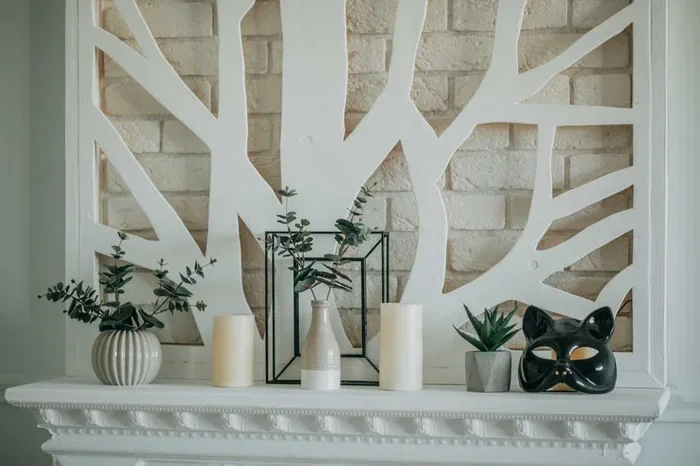
Interior designers often follow the rule of odd numbers. Group items in threes or fives rather than pairs. Odd numbers create visual movement and feel more natural to the eye. Try grouping three candles of different heights or five books stacked at varying angles. This small trick makes a big difference in how polished your shelves look.
Common Mistakes to Avoid
Even with the best intentions, it is easy to make mistakes when styling shelves. Knowing what to avoid saves you time and frustration. Here are the most common pitfalls people face with their living room shelf ideas.
Overcrowding the Shelves
The biggest mistake is cramming too much onto every shelf. When every inch is filled, the eye has nowhere to rest. The result feels cluttered and stressful rather than inviting. Give your shelves some breathing room. Empty space is not wasted space — it lets the important items stand out.
Ignoring Scale and Proportion
A tiny shelf crammed with oversized items looks awkward. A large shelf with only small items feels empty. Match the scale of your items to the size of the shelf. A big bookshelf can handle larger arrangements. A narrow floating shelf calls for fewer, more carefully chosen pieces.
Forgetting About Lighting
Shelves can look completely different depending on the lighting. A dim shelf disappears into the wall. A well-lit shelf becomes a feature. Consider adding LED strip lights or small puck lights beneath shelves. This creates a warm glow that highlights your decor and adds ambiance to the whole room.
Using Only One Shelf Style
Using the same shelf design throughout the room can feel repetitive. Mix and match where it makes sense. Use floating shelves on one wall and a built-in unit on another. Combine open shelves with closed cabinets for a balance of display and hidden storage. Variety keeps the room interesting.
Expert Tips for Stunning Shelf Displays
Want your shelves to look like they belong in a magazine? Interior designers share a few pro tips that make all the difference.
First, start with a blank slate. Remove everything from your shelves and start fresh. This gives you a chance to reassess what you truly want to display. Second, think in layers. Place items at different depths — some forward, some back, some on the floor of the shelf. This creates a three-dimensional look that feels curated rather than thrown together.
Third, use books as building blocks. Stack books horizontally and vertically to create bases for other items. This is one of the easiest shelf decor ideas and it works every time. Fourth, rotate your displays seasonally. Swap out a few items every few months to keep the room feeling fresh without a major overhaul.
Finally, trust your instincts. Shelves should reflect you. If something makes you smile when you see it, it belongs on your shelf. Do not worry about following every rule perfectly. The best decorative shelving looks personal and authentic.
Bringing It All Together
Living room shelf ideas offer endless possibilities for transforming your space. From floating shelves to built-in units, plant-filled displays to rustic wooden designs, there is a style for every home and every taste. The key is to balance form and function, play with height and texture, and let your personality shine through.
Remember, great shelf styling does not happen overnight. Start with one or two shelves and build from there. Experiment with arrangements. Swap items around. Over time, you will develop an eye for what works best in your space. The most important thing is to enjoy the process. Your shelves should make you happy every time you look at them.
So go ahead. Pick one idea from this guide and try it this weekend. You might be surprised at how much a few well-placed shelves can change your living room. With the right living room shelf ideas, your space can feel bigger, brighter, and more like you. Happy decorating!
Frequently Asked Questions
What are the best shelf materials for a living room?
Wood, metal, and laminate are the most popular materials. Wood adds warmth and works in most decor styles. Metal shelves suit modern and industrial looks. Laminate is affordable and comes in many finishes. Choose based on your room’s style and budget.
How do I hang floating shelves without studs?
You can use heavy-duty adhesive mounting strips or toggle bolts. Adhesive strips work for lightweight shelves with small items. Toggle bolts provide stronger support for heavier shelves. Always check the weight limit before choosing your mounting method.
How many items should I place on each shelf?
Keep groups of three to five items per shelf. This creates visual balance without overcrowding. Leave some negative space so the display feels clean and intentional. Quality matters more than quantity.
Can I use living room shelves in a small space?
Absolutely. Shelves are perfect for small rooms because they use vertical space instead of floor space. Corner shelves and floating shelves are especially great for tight areas. They add storage and style without making the room feel cramped.
How often should I change my shelf display?
There is no fixed rule. Some people update their shelves every season. Others change them whenever they feel bored. Rotating items keeps the room feeling fresh. Even swapping a few items can make a big difference.
What is the best way to clean and maintain wall shelves?
Dust shelves weekly with a soft microfiber cloth. For wooden shelves, use a damp cloth followed by a dry one. Avoid harsh chemicals that can damage the finish. Check mounting hardware every few months to make sure everything stays secure.
=== CONCLUSION ===
Living room shelf ideas are one of the simplest and most affordable ways to upgrade your home. Shelves add storage, display space, and visual interest all at once. Whether you choose floating shelves, corner units, or built-in designs, the right shelves can truly transform your living room. Style them with intention, mix heights and textures, and let your personality guide your choices. Start small, have fun, and watch your space come alive. Your dream living room is just a few shelves away.