How to Style a Large Sectional in a Small Living Room
Styling a large sectional in a small living room is easier than you think. With the right sectional sofa arrangement, color tricks, and furniture placement tips, you can create a cozy, stylish space that feels open and inviting. This guide covers everything from choosing the right size to avoiding common mistakes that shrink your room.
Key Takeaways
- Choose the right size: Measure your room first and pick a sectional that fits with breathing room on all sides.
- Use light colors and mirrors: These tricks make a small space feel larger and more open.
- Try a modular or L-shaped design: These shapes maximize seating without crowding the room.
- Create a clear focal point: Anchor the room around a TV, fireplace, or window, not the sofa.
- Add multi-functional pieces: Storage ottomans and nesting tables save space while adding style.
- Avoid pushing furniture against every wall: Floating your sectional can make the room feel bigger.
- Scale matters: Match your sectional’s proportions to the room size for visual balance.
📑 Table of Contents
Why a Large Sectional Can Work in a Small Living Room
You might think a big sofa belongs in a big room. But that is not always true. A large sectional in a small living room can actually look amazing when you plan it right. The secret is knowing how to balance size, style, and function.
Many people avoid big sofas because they fear the room will feel cramped. But here is the truth. A well-placed sectional can make a small living room feel cozy and inviting. It pulls people together and creates a natural gathering spot. The key is furniture placement tips that work with your space, not against it.
Think about your daily life. Do you watch movies with family? Do you host friends for game nights? A large sectional gives everyone a seat. It turns your small room into the heart of your home. And with the right approach, you do not have to sacrifice style for comfort.
Small living room furniture has come a long way. Designers now create pieces that look big but work smart. You get all the comfort of a oversized sofa without the clutter. Let us walk through exactly how to make it happen.
Choosing the Right Sectional Size and Shape
Measure Your Room Before You Buy
This sounds obvious, but many people skip it. Grab a tape measure and write down your room dimensions. Include doorways, windows, and any built-in features. You need to know exactly what fits before you shop.
As a general rule, leave at least 30 inches of walking space around your sectional sofa arrangement. This gives people room to move freely. It also prevents the room from feeling like a traffic jam. If your living room is 10 by 12 feet, a sectional that fills one wall works best.
Here are some quick measurements to keep in mind:
- Small rooms (under 150 sq ft): Choose a 65 to 80-inch-wide sectional.
- Medium rooms (150 to 250 sq ft): A 90 to 105-inch-wide sectional fits well.
- L-shaped sections: These work great in corners and save floor space.
- U-shaped sections: Best for rooms with open layouts and high ceilings.
Pick the Right Shape for Your Space
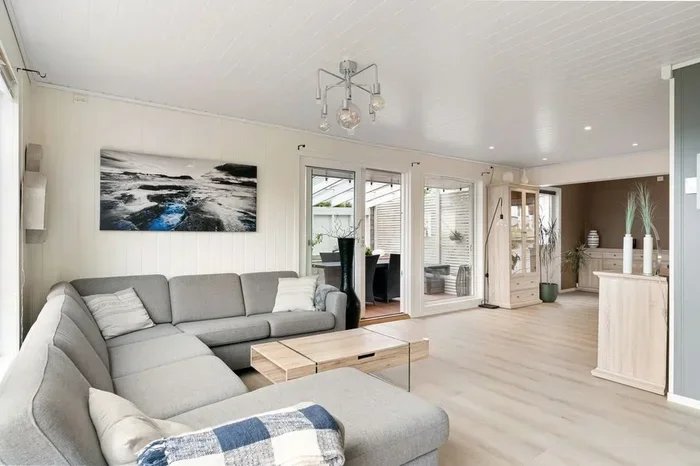
Not all sectionals are created equal. The shape you choose makes a huge difference in how the room feels. An L-shaped sectional hugs one corner and opens up the rest of the floor. This is often the best choice for small rooms.
U-shaped sectionals fill more space. They work in larger small rooms or open-concept layouts. Straight sectionals run along one wall and leave the center open. This creates a sense of flow.
Think about scale and proportion furniture. A massive sectional in a tiny room overwhelms the space. A petite sectional in a large room looks lost. The goal is balance. The sofa should feel like it belongs, not like it took over the room.
| Sectional Shape | Best For | Space Needed |
|---|---|---|
| L-shaped | Small to medium rooms | One corner, 80-100 sq ft |
| U-shaped | Open-concept rooms | Center of room, 120+ sq ft |
| Straight | Rooms with one focal wall | One wall, 70-90 sq ft |
| Modular | Flexible layouts | Any size, customizable |
Smart Layout Strategies for Your Sectional
Create a Focal Point First
Every room needs a focal point. This is the first thing people see when they walk in. It could be your TV, a fireplace, a window, or even a piece of art. Your living room focal point guides where you place the sectional.
Do not face the sofa away from the room. People should be able to see the focal point from the sofa. This creates a natural flow and makes the room feel intentional. If your TV is on one wall, position the sectional to face it directly.
Float the Sectional Instead of Pushing It Back
Here is a trick many interior designers use. Pull your sectional away from the wall. Even a few inches makes a difference. This is called floating furniture, and it opens up the floor space visually.
Floating the sofa creates depth. It also allows you to place a rug underneath, which defines the seating area. The room feels more spacious and polished. It is one of the simplest small space decorating tricks that works every time.
Use the Sectional to Divide Zones
In an open-concept home, a large sectional can act as a room divider. It separates the living area from the dining space without walls. This is a smart use of room divider ideas that adds function and style.
Place the sectional perpendicular to a pathway. This creates a natural boundary. People instinctively understand where the living room ends and the dining area begins. It keeps the flow smooth without blocking light or movement.
Add a Coffee Table That Fits
Do not crowd the area in front of the sectional with a huge table. Choose a compact or nesting coffee table. These take up less floor space and can be moved aside when needed.
Round tables work especially well in small rooms. They have no sharp corners, which makes the space feel safer and more open. A cozy living room setup balances seating, surfaces, and walking paths.
Color and Style Tips to Make It Fit
Go Light to Make the Room Feel Bigger
Color has a powerful effect on how we perceive space. Light colors reflect light and make rooms feel open. Dark colors absorb light and can shrink a room visually. If you want your large sectional in a small living room to breathe, choose lighter shades.
Soft whites, warm beiges, light grays, and pale blues all work beautifully. They keep the room feeling airy and calm. You can always add personality with throw pillows and blankets. These small accents bring color without overwhelming the space.
Use Mirrors to Create Depth
Hang a large mirror on the wall opposite a window. It bounces natural light around the room. This simple trick makes the space feel double its size. Mirrors are one of the best interior design for small rooms tools you can use.
Place the mirror where it reflects something beautiful, like a plant or a piece of art. This adds visual interest while expanding the sense of space. It is a win-win for your small living room furniture arrangement.
Match Your Style Without Overwhelming the Room
Your sectional should match your personal style. Love modern? Go for clean lines and neutral tones. Prefer cozy? Try a plush fabric in a warm color. The key is to stay consistent with your modern sectional design or traditional aesthetic.
Avoid mixing too many patterns and textures in a small room. Keep the palette simple. Add texture through a soft rug, a few cushions, or a throw blanket. This creates visual interest without visual chaos.
Quick Tips for Styling Your Sectional
- Use a rug under the sectional to anchor it in the room.
- Add floor lamps instead of table lamps to save surface space.
- Choose slim-profile side tables that tuck under the sofa.
- Hang curtains close to the ceiling to draw the eye upward.
- Keep window treatments simple and light-colored.
- Use vertical stripes on pillows or art to elongate the room.
- Stick to three main colors for a cohesive look.
Consider a Sectional with Storage
Every small room needs storage. A sectional sofa with storage gives you seats and hidden space for blankets, books, or remotes. This is one of the best multi-functional furniture choices for compact living rooms.
Storage ottomans also work well as extra seating and a place to stash items. Look for pieces that serve double duty. In a small room, every item should earn its spot.
Common Mistakes to Avoid
Buying a Sofa That Is Too Big
The most common mistake is choosing a sectional that is too large. It might look gorgeous in the store, but it will dominate your room at home. Always compare the sofa dimensions to your room dimensions before purchasing.
Remember the 2/3 rule. Your sectional should take up about two-thirds of the wall it sits against. This leaves enough negative space for the room to feel balanced. Visual balance in a room is essential for a polished look.
Blocking Walkways and Doorways
Do not place the sectional in a way that blocks doors or pathways. You need clear routes to move around the room. A cramped walkway makes even a beautiful room feel uncomfortable.
Walk through your layout before you commit. Imagine carrying a tray of drinks from the kitchen to the sofa. If the path is clear and easy, your layout works.
Ignoring the Room’s Natural Light
Position the sectional to take advantage of natural light. Do not block windows with a massive sofa. Light makes small rooms feel bigger and more welcoming.
If your window faces the sofa, use sheer curtains to soften the light. This keeps the brightness without the glare. Your sectional couch styles should complement the light in the room, not fight it.
Over-Accessorizing
It is tempting to fill every surface with decor. Resist that urge. In a small room, less is more. Choose a few meaningful pieces and let them shine.
Too many accessories create visual clutter. This makes the room feel smaller and chaotic. Edit your decor ruthlessly. Keep only what you love and what serves a purpose.
Expert Insight: How Interior Designers Think About Small Rooms
“The goal is not to make the room look bigger,” says interior designer Sarah Collins. “The goal is to make it feel comfortable and intentional. A large sectional anchors the room when it is scaled and placed correctly. Trust the process and measure twice.”
Final Thoughts on Styling Your Large Sectional
Styling a large sectional in a small living room comes down to three things. Choose the right size. Plan the layout with intention. Use color, light, and smart accessories to enhance the space.
You do not need a huge room to enjoy a big, comfortable sofa. With the right sectional sofa arrangement and a few clever tricks, your small living room can feel warm, stylish, and perfectly functional. The sectional becomes the centerpiece that ties the whole room together.
Start with measuring your space. Pick a shape that fits your layout. Choose colors that open up the room. Then add personal touches that make it feel like home. The process is simple, but the results are transformative.
Take your time. Do not rush the decision. A well-chosen sectional is an investment in your daily comfort and your home’s style. When you get it right, every corner of that small living room will feel like it was designed with care.
Now you have the tools and the confidence to make it happen. Go style that room. Your perfect large sectional setup is waiting for you.
Frequently Asked Questions
Can a large sectional really fit in a small living room?
Yes, absolutely. The key is choosing the right size and shape for your specific room dimensions. An L-shaped or modular sectional often works best because it fits into corners and leaves open floor space. Measure carefully and leave at least 30 inches of walking room around the sofa.
What is the best sectional shape for a small living room?
An L-shaped sectional is usually the best choice. It fits neatly into one corner and opens up the center of the room. U-shaped sectionals work in slightly larger small rooms, while straight sectionals are great when you have one main wall to work with.
What colors make a small living room with a large sectional feel bigger?
Light colors like white, beige, light gray, and soft blue reflect natural light and make the room feel open. You can add darker accent pillows or a bold throw for personality without shrinking the visual space. Stick to three main colors for a cohesive and airy look.
Should I push my sectional against the wall in a small room?
Not necessarily. Pulling the sectional a few inches away from the wall, a technique called floating furniture, creates a sense of depth and makes the room feel larger. It also allows you to place a rug underneath, which defines the seating area beautifully.
How do I choose the right coffee table for a sectional in a small room?
Pick a compact or nesting coffee table that can be moved easily when needed. Round tables are ideal because they have no sharp corners and create a softer flow. The table should be proportional to the sectional, not overpowering it.
Are storage sectionals worth it for small living rooms?
Yes, they are a game-changer. A sectional with built-in storage gives you seating and a hidden place for blankets, magazines, or remotes. In a small room, multi-functional furniture saves space and keeps clutter out of sight.
=== CONCLUSION ===
Styling a large sectional in a small living room is all about smart choices and intentional planning. You have learned how to pick the right size, choose the best shape, and arrange your furniture for maximum flow and comfort. Light colors, mirrors, and floating your sectional are simple tricks that make a big difference.
Avoid common pitfalls like buying too large a sofa or blocking walkways. Trust your measurements and prioritize balance and scale. With the right approach, your small living room can feel spacious, welcoming, and full of character.
Now it is your turn. Take what you have learned here and apply it to your own space. Measure your room. Visualize your layout. Choose a sectional that fits your life and your style. You deserve a living room that feels both comfortable and beautifully designed.