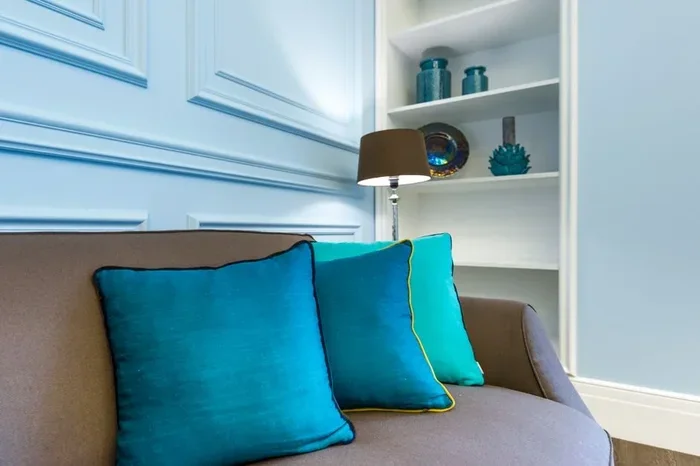
What Is the Best Light Bulb Color for Your Living Room
Finding the best light bulb color for your living room can completely transform your space. The right bulb creates a warm, inviting atmosphere that makes your home feel cozy and welcoming. Color temperature, measured in Kelvin, is the key factor that determines whether your lighting feels warm or cool. This guide breaks down everything you need to know about choosing the perfect bulb for your living room.
Lighting sets the mood in every room of your home. But when it comes to your living room, the choice of light bulb color can make or break the entire feel of the space. Many people don’t realize that the best light bulb color for living room depends on several factors. These include the room size, natural light availability, and the vibe you want to create. In this guide, we will walk you through everything you need to know about selecting the perfect bulb color.
Whether you are redecorating your living room or simply swapping out old bulbs, understanding light bulb color temperatures is essential. The wrong choice can make a cozy room feel cold and sterile. On the other hand, the right bulb can turn any space into a warm and inviting retreat. Let us dive into the details and help you find the perfect lighting setup for your home.
Key Takeaways
- Warm white bulbs (2700K-3000K) are the most popular choice for living rooms because they create a cozy and inviting atmosphere.
- Color temperature matters more than brightness when setting the mood in your living space.
- LED bulbs are the best option for energy efficiency and long-lasting performance in living room lighting.
- Layer your lighting with a mix of overhead, table, and floor lamps for a balanced look.
- Dimmer switches give you flexibility to adjust the light bulb color temperature and brightness throughout the day.
- Cool white bulbs (4000K-5000K) work well for task areas like reading nooks and study corners within the living room.
- Consider your room’s natural light when selecting bulb colors to avoid harsh or dull lighting.
📑 Table of Contents
- Understanding Color Temperature: The Kelvin Scale
- How to Choose the Best Light Bulb Color for Your Living Room
- The Best Bulb Types for Living Room Lighting
- Lighting Layers: How to Create the Perfect Ambiance
- Common Mistakes to Avoid When Choosing Light Bulb Colors
- Expert Tips for Perfect Living Room Lighting
- How Lighting Affects Your Mood and Well-Being
- Conclusion
Understanding Color Temperature: The Kelvin Scale
Before you buy any bulbs, it helps to understand how color temperature works. Light bulb color is measured in Kelvin (K). The lower the number, the warmer the light looks. The higher the number, the cooler and bluer the light appears. This concept is simple but very powerful when designing your living room lighting.
Here is a quick breakdown of what different Kelvin ranges mean:
- 2700K-3000K (Warm White): This range gives off a soft, yellowish glow. It feels cozy and relaxing. Most people choose this range for their living room because it mimics the warmth of a sunset.
- 3000K-3500K (Neutral White): This range balances warmth and clarity. It works well in rooms that need a clean look without feeling too cold.
- 4000K-5000K (Cool White): This range produces a bright, bluish-white light. It is great for task areas but can feel harsh in a cozy living room setting.
- 5000K-6500K (Daylight): This range mimics natural sunlight. It is best for workspaces and not typically recommended for living room ambient lighting.
Why Warm White Wins for Living Rooms
Most interior designers agree that warm white bulbs in the 2700K-3000K range are the best light bulb color for living room spaces. Warm white light creates a sense of comfort and relaxation. It makes furniture, wall colors, and decor pieces look their best. When you walk into a living room lit with warm white bulbs, it immediately feels like home.
Think about your favorite coffee shop or restaurant. The lighting is almost always warm and soft. That is no accident. Warm lighting makes people feel welcome and at ease. You can recreate that same feeling in your living room by choosing the right bulb color.
How to Choose the Best Light Bulb Color for Your Living Room
Choosing the right bulb color is not just about picking a number on the package. You need to consider your room’s specific needs. Here are the key factors to keep in mind when selecting the best light bulb color for living room use.
Consider Your Room Size
Small living rooms benefit from warmer light temperatures. Warm white bulbs make small spaces feel more intimate and less cramped. Cool white bulbs can make a small room feel even smaller and more sterile. If your living room is on the smaller side, stick with bulbs in the 2700K-3000K range.
Larger living rooms can handle a wider range of temperatures. You might even consider mixing warm and neutral bulbs in different areas of the room. This creates depth and visual interest. For example, you could use warm white bulbs in the seating area and neutral white bulbs near the reading chair.
Think About Your Wall Colors and Decor
The color of your walls and decor affects how light looks in the room. Warm white bulbs enhance earthy tones, warm reds, and soft creams. They make wood furniture glow beautifully. Cool white bulbs can make white walls look crisp and clean but may cast a harsh tone on warm-colored walls.
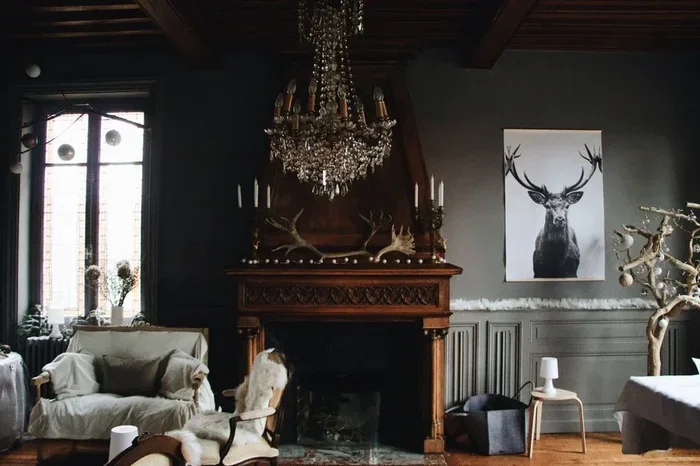
If you have aesthetic living room decor with rich wood tones, warm lighting will complement it perfectly. The bulbs will bring out the natural warmth in your furniture and accessories. If your decor leans more modern and minimalist, neutral white bulbs might be a better fit.
Match the Bulb to the Room’s Purpose
Think about how you use your living room. Do you watch movies there? Do you read books? Do you entertain guests? Each activity calls for a different lighting approach.
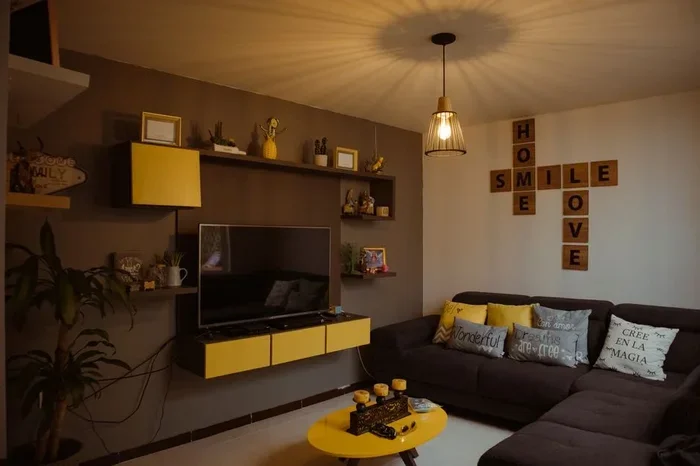
- Relaxing and watching TV: Warm white bulbs (2700K) create a cinema-like atmosphere.
- Reading and studying: Neutral white bulbs (3000K-3500K) provide enough brightness without straining your eyes.
- Entertaining guests: Warm white bulbs with dimmer switches let you adjust the mood from lively to relaxed.
The Best Bulb Types for Living Room Lighting
Not all bulbs are created equal. The type of bulb you choose matters just as much as the color temperature. Let us look at the most popular options and which ones work best for living room lighting.
LED Bulbs
LED bulbs are the clear winner for most living room setups. They use significantly less energy than traditional incandescent bulbs. They also last much longer, which means fewer replacements over time. LED bulbs come in a wide range of color temperatures, so you can easily find warm white options.
Many LED bulbs are now dimmable, which gives you extra control over your living room ambiance. You can start with bright light during the day and dim down for a cozy evening atmosphere. This flexibility makes LED bulbs the top choice for anyone looking to upgrade their living room lighting.
Smart Bulbs
Smart bulbs take lighting control to the next level. With a smart bulb, you can change the color temperature right from your phone or voice assistant. Some smart bulbs even let you adjust the color throughout the day. Imagine waking up with cool white light and winding down with warm white light.
Smart bulbs are a great investment if you want the flexibility to switch between different lighting moods. They pair well with smart home systems and can be programmed to follow your daily routine. If you are building aesthetic living room ideas at home, smart bulbs offer endless creative possibilities.
Incandescent and Halogen Bulbs
Traditional incandescent bulbs produce a naturally warm light that many people love. However, they use a lot of energy and do not last very long. Halogen bulbs are a slightly more efficient alternative. They produce a clean, bright light that is similar to natural daylight. Both options work well in living rooms but may cost more in the long run due to energy consumption.
Lighting Layers: How to Create the Perfect Ambiance
One of the biggest mistakes people make is relying on a single light source. The best living rooms use layered lighting. This means combining different types of light fixtures to create depth and balance. Layered lighting makes a room feel dynamic and inviting.
Overhead Lighting
Overhead lights, such as ceiling fixtures or recessed lights, provide general illumination for the room. For the best light bulb color for living room overhead fixtures, choose warm white bulbs in the 2700K-3000K range. This creates a soft, welcoming glow that fills the entire space evenly.
If your overhead light is very bright, consider using a dimmer switch. Dimming the overhead light allows you to lower the intensity when you want a more relaxed mood. This is especially useful in the evening when you want to wind down after a long day.
Accent Lighting
Accent lights highlight specific areas or objects in your living room. They draw attention to artwork, bookshelves, or architectural features. Use slightly brighter bulbs for accent lighting, but keep them in the warm white range for consistency.
If you have open shelves in your living room, placing accent lights above or below them can create a beautiful effect. The warm glow will highlight your decor items and add depth to the room. Check out our guide on how to style open shelves in your living room for more tips on combining lighting with shelving.
Task Lighting
Task lights serve a specific purpose, such as reading or working. Table lamps and floor lamps are common task lighting options in living rooms. For task areas, you can use neutral white bulbs (3000K-3500K) because they provide better visibility without being too harsh.
Place task lamps near seating areas where people like to read or do crafts. The focused light will reduce eye strain and make these activities more enjoyable. Pairing a warm overhead light with a neutral task lamp gives you the best of both worlds.
Common Mistakes to Avoid When Choosing Light Bulb Colors
Even with the best intentions, many people make mistakes when selecting light bulb colors for their living rooms. Here are some common pitfalls to watch out for.
- Choosing bulbs based only on brightness: Brightness (measured in lumens) is important, but color temperature matters just as much for setting the mood. A very bright cool white bulb can ruin the cozy feel of a living room.
- Using the same bulb color in every room: Different rooms have different purposes. Your living room might need warm light, while your home office needs cooler light. Tailor your bulb choices to each room.
- Ignoring natural light: Rooms with lots of natural sunlight can handle cooler bulbs. Rooms with few windows will feel better with warm bulbs that add warmth to the space.
- Not testing bulbs before committing: Buy one bulb of a new color temperature first. Live with it for a few days before replacing all the bulbs in your living room.
Another mistake is overlooking the importance of bulb compatibility with your fixtures. Some fixtures work better with specific bulb shapes and sizes. Make sure the bulbs you choose fit properly and look good in your lamps and fixtures. If you are unsure about how to arrange your furniture alongside your new lighting setup, check out our guide on how to place furniture in your living room for helpful advice.
Expert Tips for Perfect Living Room Lighting
Interior designers and lighting experts share some tried-and-true tips that can elevate your living room lighting game. Here are some professional insights to help you get the best results.
Use Three Different Light Sources
Designers recommend using at least three light sources in every living room. This could be a combination of overhead lights, table lamps, and floor lamps. Each source serves a different purpose and creates a layered effect that looks professional and polished.
The key is to make sure all three sources use compatible bulb colors. Mixing warm and cool bulbs in the same room can create a jarring visual effect. Stick to one color temperature family and vary the brightness levels instead.
Install Dimmer Switches
Dimmer switches are a game-changer for living room lighting. They allow you to adjust the brightness and warmth of your space throughout the day. In the morning, you might want bright light to start your day. In the evening, you might prefer a soft, warm glow for relaxation.
Dimmer switches work best with LED bulbs that are specifically labeled as dimmable. Not all LED bulbs are compatible with dimmers, so check the packaging before purchasing. Once installed, dimmer switches give you complete control over your living room atmosphere.
Pay Attention to the Color Rendering Index (CRI)
The Color Rendering Index (CRI) measures how accurately a bulb displays colors compared to natural light. Bulbs with a CRI of 90 or above render colors very naturally. This is especially important in living rooms where you want your furniture, artwork, and decor to look their true colors.
When shopping for bulbs, look for the CRI rating on the packaging. Higher CRI bulbs may cost a bit more, but the difference in color accuracy is well worth it. For the best light bulb color for living room setups, always aim for bulbs with a CRI of 90 or above.
How Lighting Affects Your Mood and Well-Being
The light bulb color you choose does more than just look good. It can actually affect your mood, energy levels, and sleep quality. Understanding this connection can help you make better lighting decisions for your living room.
Warm white light triggers the release of melatonin, which helps your body relax. This is why warm lighting feels so cozy and calming. Cool white light, on the other hand, suppresses melatonin and boosts alertness. That is why cool light is better for workspaces and not ideal for evening relaxation in the living room.
If you use your living room in the evening, warm bulbs are the way to go. They help your body prepare for sleep by signaling that it is time to wind down. If you love watching TV or reading before bed, the right bulb color can improve your sleep quality significantly.
For a well-rounded approach to living room design, consider how your lighting choices complement your overall decor style. Whether you are going for a modern, rustic, or minimalist look, the right bulb color ties everything together. You can explore more about creating the perfect atmosphere in our article on aesthetic living room ideas for additional inspiration.
Another great resource is our guide on aesthetic living room decor, which covers how lighting fits into the bigger picture of room design. Good lighting enhances every element in your living room, from your sofa to your wall art.
Conclusion
Choosing the best light bulb color for living room spaces comes down to understanding your personal preferences and the specific needs of your room. Warm white bulbs in the 2700K-3000K range remain the top choice for most living rooms because they create a cozy and inviting atmosphere. LED bulbs offer the best combination of energy efficiency, longevity, and color options.
Remember to layer your lighting with a mix of overhead, accent, and task sources. Use dimmer switches to adjust the mood throughout the day. Pay attention to your room size, wall colors, and natural light when making your choice. Avoid common mistakes like using cool white bulbs in cozy spaces or ignoring the CRI rating.
The right light bulb color can transform your living room from a plain space into a warm and welcoming retreat. Take the time to experiment with different bulb colors and find what works best for your home. Your living room is where you relax, entertain, and spend quality time with family. It deserves lighting that makes you feel comfortable and happy every time you walk through the door.
Frequently Asked Questions
What is the best light bulb color for a cozy living room?
Warm white bulbs in the 2700K-3000K range are the best choice for a cozy living room. They produce a soft, yellowish glow that creates a relaxing and inviting atmosphere. This color temperature makes your space feel warm and comfortable, perfect for unwinding after a long day.
Can I use cool white bulbs in my living room?
Yes, but cool white bulbs (4000K-5000K) work best in task areas like reading nooks or study corners. They provide bright, focused light that is great for activities requiring attention. However, using cool white bulbs throughout the entire living room can make the space feel cold and less inviting.
Are LED bulbs the best choice for living room lighting?
LED bulbs are widely considered the best option for living room lighting. They are energy efficient, long lasting, and available in a wide range of color temperatures. LED bulbs also work well with dimmer switches, giving you full control over your living room ambiance.
How many light sources should a living room have?
Interior designers recommend using at least three light sources in a living room. This typically includes overhead lighting, a table lamp, and a floor lamp. Layering multiple light sources creates depth and allows you to adjust the lighting for different activities and moods throughout the day.
What is the Kelvin scale and why does it matter for living room bulbs?
The Kelvin scale measures the color temperature of light, ranging from warm (low numbers) to cool (high numbers). It matters because it directly affects the mood and feel of your living room. Lower Kelvin numbers (2700K-3000K) produce warm, cozy light, while higher numbers (4000K+) produce cooler, brighter light that can feel harsh in a relaxation space.
Should I use the same bulb color in every room?
No, different rooms serve different purposes and benefit from different bulb colors. Living rooms typically look best with warm white bulbs, while home offices may need cooler light for focus and productivity. Tailoring bulb colors to each room ensures every space in your home feels comfortable and functional.