Living Room Media Center Ideas for a Stunning Setup
A living room media center is the heart of modern home entertainment. These ideas will help you design a setup that looks great and works perfectly. You will learn about styles, furniture choices, and smart placement tips. A well-planned living room media center boosts both comfort and curb appeal.
A living room media center is more than just a TV stand. It is the focal point of your home entertainment setup. When done right, it ties the whole room together. You walk into the space and immediately feel the vibe. A great setup makes movie nights, gaming sessions, and casual viewing feel special.
But designing a living room media center can feel overwhelming. There are so many styles, sizes, and materials to choose from. Where do you even start? This guide breaks it all down. You will find practical ideas, expert tips, and real examples. By the end, you will know exactly how to build a setup that wows.
Whether you have a small apartment or a large open-plan living room, there is a living room media center idea for you. Let us dive in and explore the best options.
Key Takeaways
- Choose the right style: Match your living room media center to your home’s overall design.
- Prioritize storage: A good media console hides clutter and keeps things tidy.
- Placement matters: Proper TV and speaker positioning improves your viewing experience.
- Manage cables: Clean cable management makes your setup look professional.
- Add ambient lighting: The right lighting elevates the whole atmosphere of your entertainment area.
- Avoid common mistakes: Skip overcrowding and poor ventilation for a lasting setup.
📑 Table of Contents
Why Your Living Room Media Center Matters
The living room media center sets the tone for the entire space. It is where everyone gathers. Friends and family naturally gravitate toward the entertainment area. A well-designed center makes the room feel complete.
Beyond looks, a good setup improves function. You want easy access to devices. You want clean lines and smart storage. A home entertainment center that is poorly planned leads to frustration. Cables get tangled. Remote controls get lost. Sound quality suffers.
On the flip side, a thoughtfully arranged entertainment furniture setup enhances daily life. Everything feels organized. The room looks polished. Guests notice the details. Your living room layout should support both form and function.
How a Media Center Impacts Room Design
Your media wall or console anchors the room. It influences furniture placement and traffic flow. A bulky, mismatched unit can make the space feel cramped. A sleek, well-sized center opens things up. The right choice creates balance.
Think of the living room media center as the backbone of your design. It holds the TV, the speakers, and the devices. It also stores remotes, game controllers, and streaming devices. When all of this is hidden and organized, the room instantly looks better.
Popular Living Room Media Center Styles
Not every living room media center looks the same. Different styles suit different tastes. Let us explore the most popular options.
Modern Minimalist
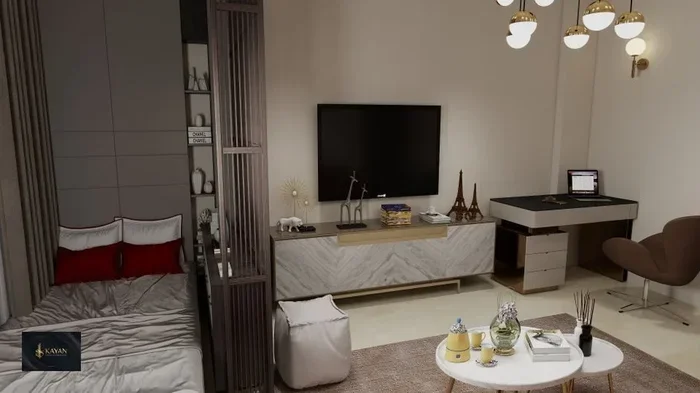
This style focuses on clean lines and neutral colors. A media console in white, gray, or black works perfectly. Floating shelves add a light feel. The goal is to keep things simple. Less clutter means more visual calm.
Many people choose a wall-mounted TV paired with a low-profile console. This creates an airy look. It works especially well in smaller rooms. The minimalist media center approach keeps the focus on the screen.
Rustic and Warm
Wood is the star here. Reclaimed wood, barn-style finishes, and natural textures give a cozy feel. A rustic entertainment center adds character to any room. It pairs well with leather and soft textiles.
Open shelving is common in this style. You can display books, plants, and decor alongside your devices. The living room media center feels inviting and lived-in. It blends entertainment with home comfort.
Industrial Edge
Think exposed brick, metal frames, and dark finishes. An industrial media console often features metal legs and raw wood tops. This style suits lofts and modern apartments. It adds a bold, urban vibe to the living room.
Metal shelving units and pipe-style brackets are popular here. The media wall becomes a statement piece. It shows personality and confidence in design.
Traditional and Classic
For a timeless look, go with rich wood finishes. Dark walnut, cherry, or mahogany pieces bring elegance. A traditional media center often features ornate details. Crown molding and carved accents add refinement.
This style suits formal living rooms. It creates a sense of permanence and sophistication. The home entertainment center becomes a piece of furniture that lasts for decades.
How to Choose the Right Media Console
The console is the foundation of your living room media center. Choosing the right one makes everything easier. Here is what to consider.
Size and Scale
Measure your space before you shop. The console should match the width of your TV. A unit that is too small looks lost. One that is too large overwhelms the room.
As a rule, the media console should be at least two-thirds the width of your TV. This creates visual balance. Leave enough floor space around it for easy movement.
Material and Finish
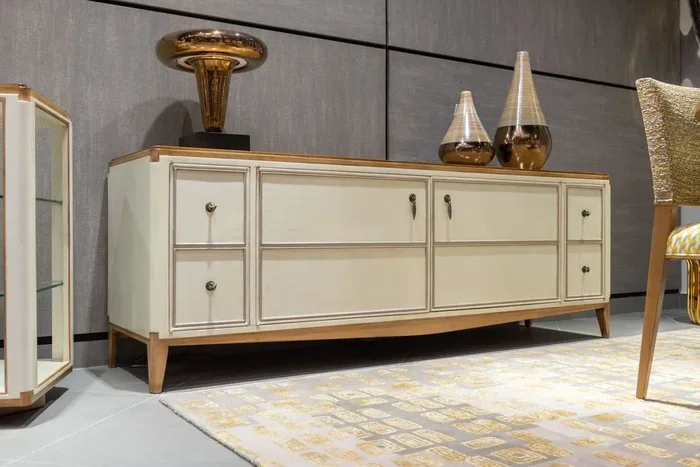
Wood, glass, metal, and engineered wood are the main options. Each brings a different feel. Wood offers warmth and durability. Glass gives a modern, open look. Metal adds an industrial edge.
Consider your living room furniture when choosing a finish. Match the tone and texture of your sofa and coffee table. A cohesive look makes the whole room feel intentional.
Storage and Compartments
A good media storage solution keeps things hidden. Look for cabinets with doors, drawers, and open shelves. Closed storage hides devices and remotes. Open shelves display decor and speakers.
Ventilation is also important. Electronics generate heat. Make sure your living room media center has enough airflow. Perforated backs or open designs help with this.
Budget-Friendly Options
You do not need to spend a fortune. Many affordable media consoles look great and perform well. IKEA, Target, and Wayfair offer budget-friendly options. DIY projects can also save money and add a personal touch.
| Style | Avg. Price Range | Best For |
|---|---|---|
| Modern Minimalist | $150 – $400 | Small spaces, clean look |
| Rustic Wood | $200 – $600 | Cozy, traditional homes |
| Industrial | $180 – $500 | Lofts and urban homes |
| Traditional | $300 – $1,000+ | Formal living rooms |
Tips for Perfect TV and Speaker Placement
Placement can make or break your living room media center setup. Even the best equipment feels wrong if positioned poorly.
TV Placement Best Practices
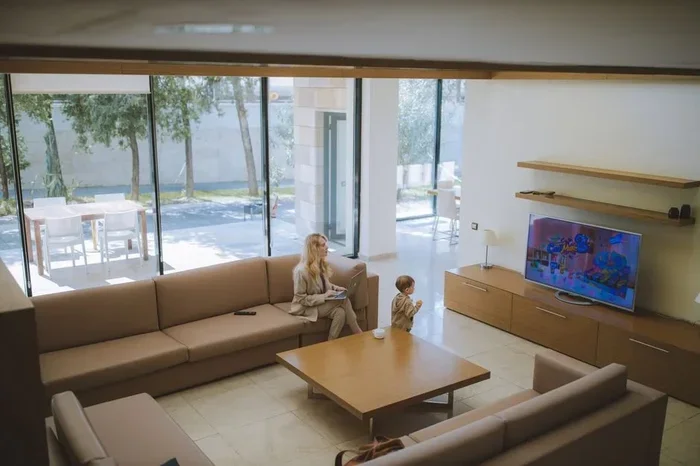
The center of the TV should sit at eye level when seated. This usually means the midpoint is around 42 to 48 inches from the floor. A wall-mounted TV saves floor space and looks sleek.
Avoid placing the TV directly opposite a window. Glare from sunlight ruins the viewing experience. If you must, use blackout curtains or anti-glare screen protectors.
Consider the seating distance too. A general rule is to sit 1.5 to 2.5 times the diagonal screen size away from the TV. This gives you a comfortable and immersive streaming setup.
Speaker Placement for Better Sound
Sound is just as important as picture quality. Proper speaker placement creates a cinematic feel right in your living room.
For a basic soundbar, place it directly below or above the TV. For a surround sound system, position speakers at ear level when seated. Front speakers should angle toward the listening area.
A subwoofer can go in a corner for richer bass. Experiment with placement until you find the sweet spot. The goal is balanced, immersive audio throughout the room.
Smart TV and Streaming Device Setup
Most modern smart TV setups connect to Wi-Fi for streaming. Place your router nearby for a strong signal. A media center with built-in smart features reduces the number of external devices you need.
Use an HDMI switcher if you have multiple devices. This keeps connections clean and simple. A gaming setup living room benefits from a dedicated HDMI port for the console.
Cable Management and Ambient Lighting
Nothing ruins a beautiful living room media center faster than messy cables. And poor lighting takes the atmosphere from great to mediocre. These two areas deserve special attention.
Keeping Cables Hidden
Start with a console that has cable management features. Many media consoles include rear access panels and cord holes. Route cables through the back and down to a power strip hidden inside.
Cable raceways and adhesive cord covers are cheap and effective. They hide wires along walls and furniture edges. For a wall-mounted TV, in-wall cable kits create a truly clean look.
Label your cables at both ends. This saves time when troubleshooting or rearranging. A well-managed setup makes the entire media wall look professional and polished.
Using Ambient Lighting
Lighting transforms the mood of any entertainment area. Ambient lighting adds depth and warmth to the room.
LED strip lights behind the TV are a popular choice. They reduce eye strain and add a soft glow. Choose colors that match your room palette. Warm white works for most setups.
Consider placing lamps or sconces near the living room media center. Floating shelves with built-in LED strips also look stunning. The goal is soft, indirect light that complements the screen.
Quick Tips for Lighting and Cables
- Use blackout curtains to control natural light during movie time.
- Choose LED strips with remote control for easy adjustments.
- Keep power strips inside closed cabinets for a clean look.
- Use cable ties or Velcro straps to bundle wires neatly.
- Avoid placing lights directly where they reflect on the screen.
Common Mistakes to Avoid
Even with the best ideas, mistakes happen. Here are the most common ones people make with their living room media center.
Overcrowding the Space
It is tempting to fill every shelf and surface. But too much stuff creates visual clutter. Keep the media console area clean and intentional. Only display items you truly enjoy.
Ignoring Ventilation
Electronics need airflow to stay cool. Enclosed cabinets with no ventilation can cause overheating. This shortens the life of your devices. Leave gaps or choose open-back designs for proper air circulation.
Skipping Surge Protection
A power surge can damage all your connected devices. Use a quality surge protector with your home entertainment center. This is a small investment that saves money and headaches.
Forgetting About Acoustics
Hard surfaces reflect sound and create echo. Add rugs, curtains, and soft furniture near the living room media center. This improves sound quality without extra equipment.
Choosing Style Over Function
Looks matter, but function matters more. A beautiful console that does not fit your devices or needs will frustrate you. Always prioritize how you will use the space. Style and function should go hand in hand.
Expert Insight
Interior designers often say the best living room media center feels invisible. It should not scream for attention. Instead, it should support the room’s design while delivering top performance. Choose pieces that blend with your overall aesthetic.
The best setups balance technology with design. Your entertainment furniture should feel like a natural part of the room. When in doubt, keep it simple and let the content on screen do the talking.
Final Thoughts on Your Living Room Media Center
Designing a living room media center is a rewarding project. It combines creativity with practical planning. You get to shape the entertainment heart of your home. The result is a space that looks incredible and works flawlessly.
Start with a clear vision. Choose a style that reflects your personality. Pick a media console that fits your space and needs. Focus on placement, cable management, and lighting. Avoid the common pitfalls that trip up many homeowners.
Remember, your living room media center is not just about technology. It is about creating a space where you and your family can relax and enjoy entertainment together. Take your time, make thoughtful choices, and enjoy the process.
The best setups evolve over time. Start with the basics and add details as you go. A great living room media center is never truly finished. It grows with your needs and your taste. That is what makes it exciting.
Now you have all the tools and ideas to get started. Pick your favorite style, gather your inspiration, and build the living room media center of your dreams. Your future self will thank you every movie night.
Frequently Asked Questions
What is the best size for a living room media center console?
The console should be at least two-thirds the width of your TV. This creates visual balance and fits most devices comfortably. Measure your space first to ensure a proper fit.
How do I hide cables in my living room media center setup?
Use a console with rear cable access panels. You can also install in-wall cable kits for a wall-mounted TV. Cable raceways and adhesive cord covers are affordable alternatives that keep wires hidden.
What lighting works best behind a TV for a living room media center?
LED strip lights in warm white are the most popular choice. They reduce eye strain and add a soft ambient glow. Avoid bright or colorful lights that reflect on the screen.
Can I use a living room media center for gaming too?
Absolutely. Many media consoles work great for gaming setups. Make sure the unit has enough ventilation and space for your console and accessories. A dedicated HDMI port keeps connections simple.
How do I improve the sound quality of my living room media center?
Place speakers at ear level when seated and angle them toward the listening area. Add rugs and curtains to reduce echo. A soundbar or surround sound system makes a big difference in any media wall setup.
What materials are best for a living room media center console?
Wood offers warmth and durability, while glass creates a modern feel. Metal adds an industrial edge. Choose a material that complements your existing living room furniture and fits your lifestyle.