What To Do With An Empty Wall In Living Room Ideas
Not sure what to do with an empty wall in your living room? You have plenty of options, from hanging a gallery wall to installing floating shelves. A bare wall can make your room feel unfinished, but the right living room wall decor instantly adds style and personality. This guide covers the best ideas to fill that space with confidence.
Every living room has at least one wall that feels a little too bare. Maybe you just moved into a new place, or maybe you have been staring at that gap for months. Either way, what to do with an empty wall in living room is a question many homeowners face. A blank wall can make even the best living room design feel incomplete. But don’t worry, there are tons of ways to fix that.
The good news is that filling an empty wall does not have to be expensive or complicated. You can go bold with a painted accent wall, or keep it simple with a few framed prints. The key is finding an idea that fits your style and your room. In this guide, we walk you through the best empty wall ideas so you can turn that blank space into a feature you love.
Key Takeaways
- Gallery walls are a classic and easy way to fill a large empty wall with personality.
- Floating shelves add function and style, giving you space to display decor and books.
- Accent walls with paint or wallpaper create a bold focal point in any living room.
- Wall-mounted TV setups save space and create a clean, modern look.
- Large artwork or mirrors make a strong statement without cluttering the room.
- Shelving and sideboards offer storage while decorating your wall effectively.
📑 Table of Contents
- Why Your Empty Wall Matters in Living Room Design
- Gallery Walls: The Classic Empty Wall Solution
- Floating Shelves and Wall-Mounted Storage
- Painted Accent Walls and Wallpaper
- Large Artwork and Statement Mirrors
- Wall-Mounted TV and Media Setup
- Textured and Three-Dimensional Wall Treatments
- Common Mistakes to Avoid When Decorating an Empty Wall
- Quick Tips for Styling Your Wall Like a Pro
- Final Thoughts on Filling Your Empty Wall
Why Your Empty Wall Matters in Living Room Design
A living room without a focal point can feel flat. Your walls take up a huge part of your visual space. When they are empty, the eye has nowhere to land. This is why living room wall decor is so important. It gives the room structure and character.
Think of your wall as a canvas. You would not hang a blank canvas in a gallery, right? The same idea applies to your home. A well-decorated wall ties the whole room together. It balances your living room furniture arrangement and makes the space feel intentional.
The Psychology of Empty Walls
Research shows that people feel more relaxed in rooms that feel complete. An empty wall can subconsciously make a room feel unfinished. On the other hand, a styled wall adds warmth and visual interest. Even a single piece of art can change how a room feels.
Here are a few reasons you should address that blank wall:
- It improves the overall room balance and flow.
- It adds a focal point for the space.
- It reflects your personal style and taste.
- It makes the room feel more inviting and cozy.
- It can increase the perceived value of your home.
Gallery Walls: The Classic Empty Wall Solution
If you are searching for what to do with an empty wall in living room, a gallery wall is probably the first idea that comes to mind. And for good reason. Gallery walls are versatile, affordable, and incredibly effective. They let you showcase your personality through a curated mix of art, photos, and objects.
How to Plan Your Gallery Wall
Before you start hammering nails, take some time to plan. A gallery wall can quickly go from charming to chaotic if you do not think it through. Here are some tips to get started:
- Choose a theme or color palette to keep things cohesive.
- Lay out your pieces on the floor first to test the arrangement.
- Mix different frame sizes for visual interest.
- Include a variety of items like prints, mirrors, and small shelves.
- Leave enough space between pieces so the wall does not feel crowded.
A great approach is to start with a central anchor piece and build outward. This gives your gallery wall a natural structure. You can also use a grid layout for a clean, modern look. Or go for an organic, asymmetrical arrangement if you prefer a more relaxed feel.
Gallery Wall Do’s and Don’ts
| Do | Don’t |
|---|---|
| Use consistent framing styles | Hang pieces too high |
| Mix art with small objects | Overcrowd the wall |
| Step back frequently to check balance | Ignore the room’s color scheme |
| Use a level for alignment | Stick to only one shape or size |
Floating Shelves and Wall-Mounted Storage
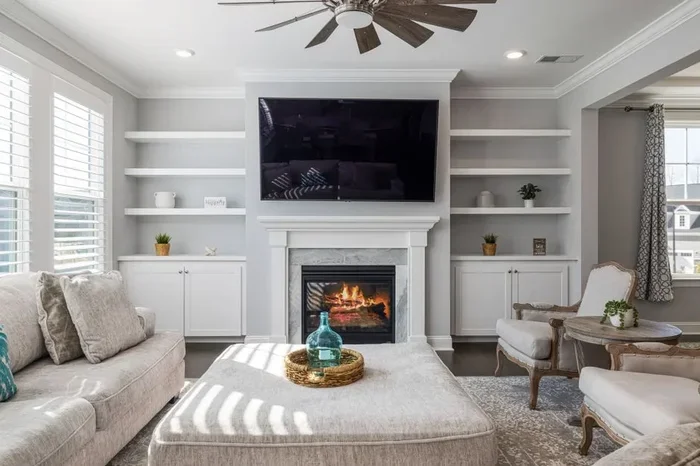
Another fantastic option is to use floating shelves. These are perfect for filling a large empty wall while keeping things practical. You can display books, plants, candles, and small decorative items. They add depth and dimension to your wall without taking up floor space.
If you want a more built-in look, consider installing a wall-mounted sideboard. This gives you storage and display space in one piece. A sideboard also works well as a media console or bar storage unit. It is one of the most functional ways to decorate a blank wall.
For more ideas on shelf styling, check out our guide on How To Decorate Shelves In Living Room. It covers everything from arrangement to choosing the right items for your shelves.
Types of Wall-Mounted Storage
- Floating shelves — Simple and versatile, great for displaying decor.
- Wall-mounted cabinets — Provide hidden storage for a clean look.
- Open shelving units — Ideal for larger walls that need both display and storage.
- Wall-mounted sideboards — Combine storage with a stylish furniture piece.
When styling your shelves, remember to vary the heights and textures of your items. A mix of tall and short items creates visual rhythm. Add a small plant or a decorative bowl to soften the look. You can also learn more about how to style open shelves for extra inspiration.
Painted Accent Walls and Wallpaper
Sometimes the simplest solution is the most powerful. Painting one wall a bold color can completely change the feel of your living room. This is known as an accent wall, and it is one of the most popular living room makeover ideas out there.
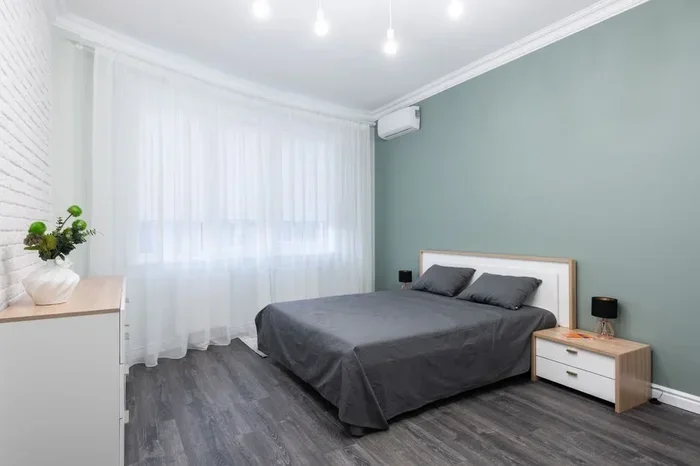
An accent wall draws the eye and creates a natural focal point. It works especially well in rooms with neutral furniture. A deep navy, warm terracotta, or soft sage green can add depth and character without overwhelming the space.
Choosing the Right Color or Pattern
- Pick a color that complements your existing furniture and decor.
- Consider the natural light in your room when choosing a shade.
- Wallpaper with a subtle pattern adds texture without being too busy.
- Geometric or striped wallpaper can make a modern statement.
- Textured wall panels offer a tactile, dimensional look.
If you are not ready to commit to a full accent wall, try a wall treatment like shiplap or wainscoting. These add architectural interest and make a plain wall feel designed. They are also relatively easy to install and can be painted any color you like.
Large Artwork and Statement Mirrors
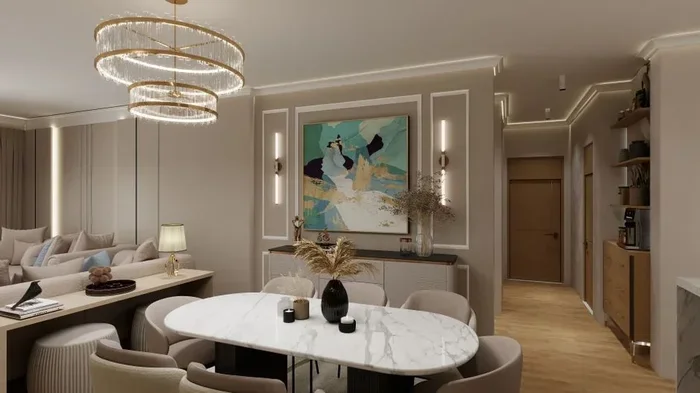
Not every empty wall idea requires a collection of small pieces. Sometimes one big, bold piece is all you need. A large painting or a oversized photograph can serve as the centerpiece of your entire living room.
Mirrors are another excellent choice for a bare wall. They reflect light and make the room feel larger and brighter. A large mirror also adds a sense of elegance and depth. It is especially effective in smaller living rooms where you want to create the illusion of more space.
When choosing a large piece of art, think about the scale of your wall. A small print lost on a big wall will look lost. Go big or go home, as they say. You can also pair a large artwork with a couple of smaller pieces nearby for a layered look.
Artwork Sizing Guide
- For a wide wall, choose a piece that covers about two-thirds of the width.
- Hang artwork so the center is at eye level, about 57 to 60 inches from the floor.
- Leave at least 6 to 8 inches between the top of the furniture and the bottom of the frame.
- For mirrors, consider the shape that complements your room’s style.
Wall-Mounted TV and Media Setup
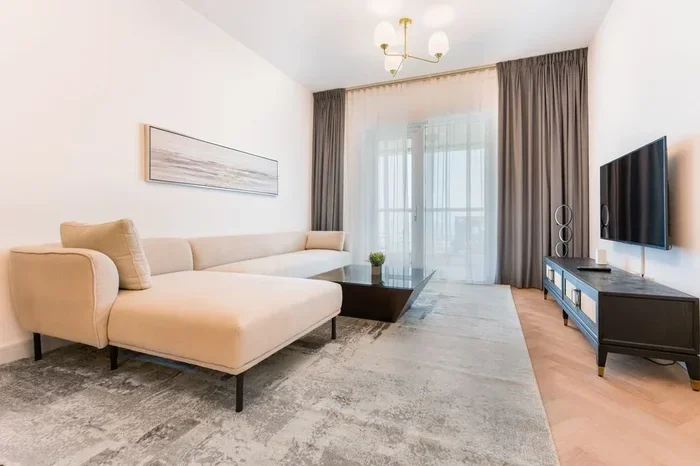
If your living room design includes a television, how you mount it matters a lot. A wall-mounted TV frees up floor space and creates a sleek, modern look. It is one of the most practical ways to deal with a wall that needs to serve double duty as an entertainment center.
You can pair your mounted TV with a floating shelf or a media console below. This gives you space for devices, books, and decor. A clean media wall makes the whole room look more organized and put-together.
For tips on arranging your entire entertainment area, take a look at our article on How To Arrange Living Room Furniture With Tv. It covers placement, lighting, and styling for the best results.
Media Wall Styling Tips
- Keep the area around the TV clutter-free for a clean look.
- Use a wall-mounted console to save floor space.
- Add ambient lighting behind the TV for a cinematic feel.
- Incorporate hidden storage to keep cables and remotes out of sight.
- Balance the TV area with decor on either side.
Textured and Three-Dimensional Wall Treatments
Texture is an underrated tool in living room styling. A flat, plain wall can feel boring no matter how much art you hang. Adding texture gives the wall depth and makes it feel designed even without a lot of decor.
Options like wood panels, stone veneers, or 3D wall tiles can transform an empty wall into a real conversation starter. These treatments work especially well in modern, rustic, or Scandinavian-inspired spaces. They add warmth and a natural element that softens the room.
Popular Textured Wall Options
- Wood panels — Warm and versatile, available in many finishes.
- 3D geometric panels — Add a modern, artistic feel.
- Brick or stone veneer — Perfect for industrial or rustic styles.
- Fabric wall panels — Soft and sound-absorbing, great for cozy rooms.
You do not need to cover the entire wall with texture. A single textured panel or a partial treatment can be just as effective. It gives you that designed look without feeling overwhelming.
Common Mistakes to Avoid When Decorating an Empty Wall
Even with the best intentions, it is easy to make mistakes when decorating a bare wall. Here are some common pitfalls to watch out for:
- Skipping the planning phase. Jumping in without a plan often leads to an unbalanced or cluttered look. Take time to measure your wall and sketch your layout first.
- Choosing the wrong size artwork. A piece that is too small gets lost, and one that is too large overwhelms the space. Always consider the scale of your wall.
- Ignoring the room’s existing style. Your wall decor should complement your furniture and color scheme, not clash with it.
- Hanging things too high. Art and shelves should be at a comfortable viewing height. Center pieces around eye level for the best effect.
- Overcrowding the wall. More is not always better. Leave some breathing room so each piece can stand out.
By avoiding these mistakes, you can create a polished and intentional look that elevates your entire living room design.
Quick Tips for Styling Your Wall Like a Pro
Want your empty wall to look like it was designed by a professional? Follow these quick tips:
- Start with a focal point, like a large mirror or a bold piece of art.
- Use a mix of heights and textures to create visual interest.
- Stick to a color palette that ties into the rest of the room.
- Add a shelf or two for functional display space.
- Step back and assess the arrangement from different angles.
- Do not be afraid to rearrange until it feels right.
The best wall décor is the one that feels authentic to you. Trust your instincts and have fun with it. Your living room should reflect who you are.
Final Thoughts on Filling Your Empty Wall
Dealing with an empty wall in living room does not have to be stressful. Whether you choose a gallery wall, floating shelves, an accent wall, or a statement piece of art, the key is to start. You do not need to get it perfect on the first try. Decor is a process, and your wall will evolve with your taste over time.
Use the ideas in this guide as a starting point. Mix and match different approaches until you find what feels right for your space. The goal is a wall that makes your whole living room feel complete, balanced, and uniquely yours. With a little planning and creativity, that blank wall will become the best part of your room.
Frequently Asked Questions
What is the best thing to put on an empty living room wall?
The best option depends on your style and the size of the wall. Gallery walls work well for medium to large walls, while a single large piece of art suits smaller spaces. Floating shelves are a great choice if you want both decoration and storage.
How do I arrange artwork on a large empty wall?
Start by choosing an anchor piece and build around it. Lay everything out on the floor first to test the arrangement. Keep a consistent spacing of about 2 to 3 inches between pieces for a clean look.
Can I use an empty wall as a TV wall?
Absolutely. A wall-mounted TV with floating shelves or a media console below is a clean and modern solution. You can also add decorative panels or lighting around the TV area to make it feel more designed.
What colors work best for an accent wall?
Deep blues, warm terracottas, soft greens, and charcoal grays are popular choices. Pick a color that complements your furniture and ties into the rest of the room’s color palette.
How much does it cost to decorate an empty wall?
Costs vary widely. A DIY gallery wall with thrifted frames can cost under $50. Floating shelves run about $20 to $60 each. Larger projects like textured wall panels or custom art can range from $100 to several hundred dollars.
Should I hire a professional to decorate my living room wall?
Not necessarily. Many wall decor projects are easy to do yourself with basic tools like a level, a drill, and some hanging hardware. However, if you are installing heavy shelving or complex treatments, consulting a professional is a smart move.