Zen Wall Art for Living Room Ideas That Transform Your Space
Zen wall art for living room spaces creates a peaceful, balanced atmosphere that transforms any home. Whether you prefer minimalist designs, nature-inspired prints, or Japanese aesthetics, the right wall art sets the tone for relaxation. This guide covers styles, placement tips, and practical ideas to help you choose pieces that truly reflect a zen lifestyle.
Your living room is the heart of your home. It is where you relax, unwind, and spend time with family and friends. The walls around you set the mood for the entire space. That is why choosing the right zen wall art for living room can make a huge difference. When you fill your walls with peaceful, intentional art, the whole room feels calmer and more inviting.
Zen art is all about simplicity, balance, and harmony. It comes from Japanese traditions that value mindfulness and quiet beauty. You do not need a fancy budget or a huge space to bring this style into your home. With the right pieces, even a small living room can feel like a tranquil retreat. In this guide, we will walk you through everything you need to know about selecting and styling zen wall art for living room spaces.
Key Takeaways
- Choose calming themes: Nature scenes, abstract zen art, and Japanese-inspired pieces create a serene vibe in any living room.
- Focus on placement: Hang art at eye level and use grouping techniques to maximize visual impact and balance.
- Mix materials wisely: Wood, bamboo, metal, and canvas each bring a different zen energy to your space.
- Keep it simple: Less is more when it comes to zen decor — avoid clutter and let each piece breathe.
- Match your style: Whether you love modern minimalism or traditional Japanese art, there is a zen wall art option for everyone.
- Use color intentionally: Neutral tones, soft greens, and muted earth colors enhance the tranquil feeling of your room.
📑 Table of Contents
Why Zen Wall Art Matters for Your Living Room
The art you hang on your walls shapes how you feel in a room. Busy, loud artwork can make a space feel chaotic. But zen wall art for living room designs promote stillness and clarity. They encourage you to slow down and breathe. This is especially important in the living room, where you start and end each day.
Research shows that natural scenes and minimalist designs reduce stress. They lower blood pressure and calm the mind. When you choose zen-inspired wall art, you are not just decorating. You are creating a healthier, more peaceful environment for yourself and your loved ones. The right pieces can turn an ordinary room into a personal sanctuary.
What Makes Art “Zen”?
Zen art has a few key characteristics that set it apart. It focuses on simplicity and empty space. You will often see soft colors, natural textures, and gentle lines. Common themes include water, mountains, bamboo, and cherry blossoms. These images connect us to nature and help us feel grounded. The goal is not to impress — it is to create a sense of peace.
Top Zen Wall Art Styles for Living Rooms
There are many styles of zen wall art for living room decor. Each one brings a different energy and mood. Let us explore the most popular options so you can find what fits your taste.
Japanese Ink Wash Paintings
Sumi-e, or Japanese ink wash painting, is one of the most traditional forms of zen art. These pieces use simple brushstrokes to capture nature scenes. You might see a single bamboo stalk, a mountain landscape, or a flowing river. The beauty is in the simplicity. A single ink wash painting can become the focal point of your entire wall.
These works look stunning in rooms with natural wood furniture and neutral tones. They pair especially well with japandi living room furniture and minimalist Scandinavian designs. The monochrome palette keeps the room feeling clean and uncluttered.
Abstract Zen Art
Not all zen art features recognizable images. Abstract zen art uses shapes, lines, and gentle color gradients to create a meditative feeling. Think of soft watercolor washes in pale blues and greens. Or geometric patterns that mimic the flow of water or wind. These pieces work beautifully in modern living rooms where you want a contemporary feel.
Abstract zen wall art for living room is incredibly versatile. It fits with many different color schemes and furniture styles. You can find large-scale abstract pieces that make a bold statement, or smaller works that add subtle texture to a gallery wall.
Nature-Inspired Prints and Photography
Nothing says zen quite like nature. Forest scenes, ocean waves, cherry blossom branches, and mountain landscapes all bring the outdoors inside. Black and white nature photography is especially popular in zen decor because it feels calm and timeless.
When choosing nature prints, look for images with lots of open space and gentle compositions. Avoid busy, cluttered photographs. The goal is to capture the quiet beauty of the natural world. These pieces complement aesthetic living room decor perfectly and work well alongside plants and natural materials.
Bamboo and Mixed Media Art
For a truly unique look, consider bamboo wall art or mixed media pieces. Bamboo is a symbol of strength and flexibility in zen philosophy. You can find woven bamboo panels, bamboo shadow boxes, and art that combines bamboo with other natural materials like stone or pressed flowers.
These pieces add texture and depth to your walls. They feel organic and handmade, which adds warmth to any room. Mixed media zen art also makes a great conversation starter when guests visit your home.
How to Choose the Right Zen Wall Art
With so many options available, choosing the perfect pieces can feel overwhelming. Here are some practical tips to guide your decision-making process.
Consider Your Room Size
The size of your living room should influence the size of your wall art. A large, empty wall can handle a big, bold piece or a gallery wall arrangement. Small rooms work best with one or two smaller pieces that do not overwhelm the space. Measure your wall before you shop so you know what will fit well.
Also think about the furniture below the art. A piece that hangs above a sofa should be about two-thirds the width of the sofa. This creates a balanced, intentional look. If you are unsure about placement, try how to place furniture in living room guides for additional layout tips.
Match Your Color Palette
Zen art typically features muted, natural colors. Think soft whites, warm beiges, gentle grays, and earthy greens. When choosing your pieces, look for colors that already exist in your room. This creates a cohesive, harmonious feel. If your room has warm wood tones, look for art with warm undertones. Cool-toned rooms pair well with blue and green zen pieces.
Think About the Frame
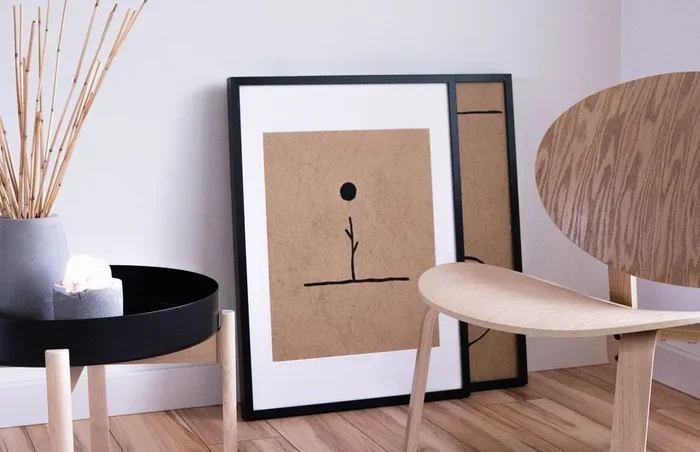
The frame matters more than people realize. For a true zen feel, choose simple, natural frames. Light wood, bamboo, or thin metal frames work best. Avoid heavy, ornate frames that compete with the art itself. Sometimes, frameless pieces or canvas wraps create the cleanest, most peaceful look.
Trust Your Gut Feeling
When you see a piece of zen art, you should feel something. It should bring you a sense of calm or joy. Do not buy something just because it is trendy or because someone else has it. Your living room is your personal space. The art should reflect who you are and how you want to feel when you walk through the door.
Styling Tips for Zen Wall Art
Choosing the art is only half the battle. How you display it matters just as much. Good styling makes your zen wall art for living room look intentional and polished.
Create a Focal Point
Every room needs a focal point, and your wall art can serve this purpose beautifully. Choose one standout piece and hang it at the center of the main wall. This is usually the wall directly across from the entrance or above the sofa. Let this piece breathe by keeping the surrounding walls relatively clear.
Build a Gallery Wall
If you have several smaller pieces, a gallery wall is a great option. Arrange them in a balanced, asymmetrical pattern. Leave enough space between each piece so they do not feel crowded. A zen gallery wall should feel curated, not cluttered. Stick to a consistent color palette or theme — for example, all nature scenes or all abstract pieces in the same color family.
Gallery walls look especially nice when combined with accent pieces for living room like small sculptures or decorative bowls placed on nearby shelves. This creates a cohesive vignette that ties the whole area together.
Use Shelves to Display Art
Open shelves are a fantastic way to display zen wall art in a more dynamic way. You can lean framed pieces against the wall on a shelf, or hang smaller artworks directly on the shelf brackets. This adds depth and dimension to your walls. It also makes it easy to swap out pieces whenever you want a fresh look.
For shelf styling inspiration, check out guides on how to style open shelves living room setups. These tips will help you create a balanced, beautiful display that enhances your zen aesthetic.
Layer with Plants and Natural Elements
Zen art looks even better when paired with natural elements. Place a small potted plant near your wall art. Add a woven basket or a stone vase to the shelf below. These layers create a rich, textured look that feels grounded and organic. The combination of art and nature is at the heart of zen design philosophy.
Common Mistakes to Avoid
Even with the best intentions, it is easy to make mistakes when styling zen wall art. Here are some common pitfalls to watch out for.
- Too many pieces: Zen is about simplicity. Filling every wall with art creates visual noise and goes against the zen philosophy. Choose a few meaningful pieces instead of covering every inch.
- Wrong scale: Tiny art on a huge wall looks lost and awkward. Oversized art in a small room feels overwhelming. Always match the art size to the wall and room proportions.
- Clashing colors: Bright, saturated colors can clash with the calm energy of zen decor. Stick to soft, muted tones that promote relaxation.
- Poor placement: Hanging art too high or too low makes the room feel off-balance. Center artwork at eye level, which is typically about 57 to 60 inches from the floor.
- Ignoring lighting: Good lighting makes your wall art glow. Use soft, warm lighting to highlight your pieces. Harsh overhead lights can wash out the beauty of your art.
Where to Find Quality Zen Wall Art
You do not need to spend a fortune to find beautiful zen wall art for living room pieces. There are many places to explore, both online and in person.
- Local art markets: These are great places to find unique, handmade zen art at reasonable prices. You also support local artists.
- Online marketplaces: Websites like Etsy and Society6 offer thousands of zen-inspired prints and originals. You can filter by style, color, and price.
- Home decor stores: Stores that specialize in minimalist and japanese-inspired decor often carry curated zen art collections.
- Thrift shops and flea markets: You can find vintage Japanese prints and abstract art for a fraction of retail price. A little patience goes a long way.
When shopping, always look at the quality of the print and the materials used. A well-made piece will last for years and only looks better with age. Consider investing in a few high-quality pieces rather than many cheap ones. This approach aligns perfectly with the zen principle of valuing quality over quantity.
Combining Zen Art with Other Decor Styles
One of the best things about zen wall art is how well it pairs with other decor styles. You do not need a fully Japanese or minimalist room to enjoy it. Zen art adds a peaceful touch to almost any design scheme.
In a modern living room, zen art provides a calming counterbalance to sleek furniture and bold accents. In a bohemian space, it adds an anchor of simplicity among more eclectic pieces. Even in traditional rooms, a single zen-inspired painting can introduce a refreshing sense of calm. The key is to let the art complement your existing decor rather than compete with it.
If you are also thinking about updating other parts of your living room, consider exploring aesthetic living room ideas for more inspiration. The more you understand about creating a cohesive look, the easier it becomes to integrate zen art seamlessly into your space.
Final Thoughts
Transforming your living room with zen wall art for living room is one of the simplest and most effective changes you can make. It does not require a major renovation or a big budget. A few thoughtfully chosen pieces can completely shift the energy of your space. You will notice the difference every time you walk into the room.
Start by choosing one or two pieces that resonate with you. Experiment with placement. Pay attention to how the art makes you feel. Over time, you will build a collection that truly reflects your zen lifestyle. The goal is not perfection — it is about creating a space that brings you peace, joy, and a sense of calm every single day.
Take your time. Enjoy the process. Your living room should be a place that nourishes your soul, and the right wall art is a powerful step toward making that happen.
Frequently Asked Questions
What is zen wall art and why is it popular?
Zen wall art is decorative art inspired by Japanese zen philosophy, focusing on simplicity, nature, and mindfulness. It is popular because it creates a calming atmosphere in any room. People love how it reduces visual clutter and promotes a sense of peace and balance in their living spaces.
What colors work best for zen wall art in a living room?
Neutral tones like soft whites, warm beiges, gentle grays, and muted earth colors work best. Soft greens and pale blues also complement the zen aesthetic. These colors promote relaxation and help create a tranquil, harmonious environment in your living room.
How do I hang zen wall art for maximum impact?
Hang your main piece at eye level, about 57 to 60 inches from the floor. Center it on the wall or above key furniture like a sofa. For gallery walls, leave generous spacing between pieces. Good lighting, such as a soft wall sconce, enhances the visual impact of your art.
Can zen wall art work in a small living room?
Absolutely! Zen art is perfect for small living rooms because it embraces simplicity and open space. Choose one or two smaller pieces rather than filling every wall. This keeps the room feeling open and uncluttered while still adding character and calm energy to the space.
What materials are best for zen wall art?
Natural materials like wood, bamboo, canvas, and rice paper are ideal for zen wall art. These materials feel warm and organic. Metal frames in simple, clean designs also work well. The key is to choose materials that feel authentic and grounded in nature.
How many pieces of wall art should I hang in my living room?
There is no set rule, but less is often more when it comes to zen decor. A single large piece or a small gallery wall of three to five works usually works best. Focus on quality over quantity. Each piece should feel intentional and contribute to the overall peaceful atmosphere of the room.