Where to Put a Mirror in Your Living Room for Style
Placing a mirror in your living room can transform the entire space by adding light, depth, and style. Whether you hang it above a fireplace, lean it against a wall, or position it opposite a window, the right mirror placement makes a huge difference. This guide covers the best spots, common mistakes, and expert tips to help you decide where to put a mirror in living room settings with confidence.
Key Takeaways
- Mirror above the fireplace: Creates a stunning focal point and makes the room feel larger.
- Opposite a window: Maximizes natural light and brightens dark corners of the living room.
- Above a sideboard or console: Adds elegance and balances the furniture arrangement.
- Leaning against a wall: Offers a casual, flexible option that works in any layout.
- Avoid placing mirrors facing clutter: They reflect everything, so keep the area clean and intentional.
- Use mirrors to extend the room: Position them to create the illusion of more space and depth.
📑 Table of Contents
Where to Put a Mirror in Living Room Spaces
A mirror is one of the most powerful tools in living room decor. It does more than just reflect your face. A well-placed mirror can make a small room feel bigger, bounce light around, and add a touch of elegance to any wall. But where exactly should you put it? The answer depends on your room layout, your style, and what you want to achieve.
In this guide, we will walk you through the best spots to hang or place a mirror in your living room. We will also cover mistakes to avoid and pro tips that interior designers use every day. Whether you have a cozy apartment or a spacious family room, these ideas will help you make the most of your space.
The placement of a mirror can completely change the mood of a room. A mirror above a fireplace draws the eye upward and creates a sense of height. A mirror near a window floods the room with extra sunlight. And a large leaning mirror adds drama without any drilling at all. Let us explore each option in detail.
Why Mirror Placement Matters in the Living Room
You might wonder why people put so much thought into where to put a mirror in living room setups. The reason is simple. Mirrors affect how we perceive space, light, and even mood. A poorly placed mirror can make a room feel awkward. A well-chosen spot, on the other hand, can make the entire room feel open and inviting.
Here is why mirror placement matters so much:
- Light amplification: A mirror reflects both natural and artificial light, making the room brighter.
- Depth illusion: Mirrors create the appearance of extra depth, which is perfect for small rooms.
- Focal point creation: A decorative mirror draws attention and anchors the room’s design.
- Style enhancement: The right mirror adds texture, frame style, and personality to your walls.
- Space expansion: Mirrors make walls seem to recede, giving the impression of a larger room.
When you think about mirror styling in the living room, think of the mirror as a design element, not just a functional object. It should work with your furniture, your color palette, and your overall living room layout. Taking a few extra minutes to plan your placement will pay off in a big way.
Best Spots to Hang a Mirror in the Living Room
Now let us get into the fun part. Here are the most popular and effective spots for mirror placement in the living room. Each option comes with its own benefits and style appeal.
Above the Fireplace
The fireplace is often the natural focal point of a living room. Placing a mirror above it is a classic move that works in almost every home. The mirror reflects the flames and draws the eye up the wall, making the ceiling feel higher and the room feel more open.
When choosing a mirror for above the fireplace, go for one that is wider than the fireplace opening. This creates a balanced, anchored look. A round mirror adds softness, while a rectangular mirror keeps things sleek and modern. You can also try an arched mirror for a touch of elegance.
If you have a smaller fireplace, avoid hanging a mirror that is too large. The mirror should complement the fireplace, not overpower it. This is one of the most impactful mirror placement tips you can follow.
Opposite a Window
One of the best ways to flood your living room with light is to place a mirror directly opposite a window. The mirror catches the incoming sunlight and bounces it deep into the room. This trick is especially helpful for rooms that feel dark or cramped.
For this placement, choose a mirror that is large enough to capture a good amount of light. A floor-length mirror works beautifully here. You can also lean a large mirror against the wall opposite the window for a casual, effortless look.
Keep in mind that the mirror will also reflect what is outside the window. If your view is beautiful, this placement turns the mirror into a living piece of art. If the view is not great, make sure the area outside the window is tidy and pleasant.
Above a Sideboard or Console Table
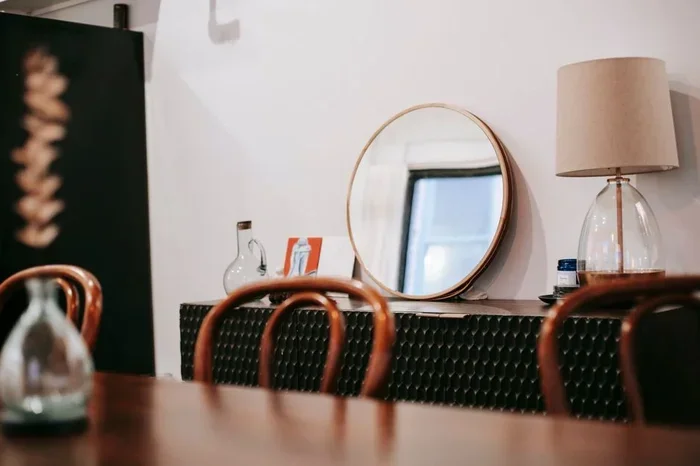
If your living room has a sideboard or a console table, placing a mirror above it is a timeless choice. This setup works especially well in formal living rooms and dining areas that flow into the living space. The mirror adds height and visual interest to an otherwise flat wall.
When styling a sideboard, think about balance. The mirror should be proportional to the furniture below it. A good rule of thumb is to make the mirror about two-thirds the width of the sideboard. This creates a harmonious look that feels intentional and polished.
You can also experiment with decorative mirror styles here. An ornate gold-framed mirror adds warmth and richness. A simple, frameless mirror keeps things clean and modern. Either way, this placement instantly elevates the look of your room.
On a Side Table or Accent Surface
Not every mirror needs to be hung on the wall. A small mirror placed on a side table or an accent shelf adds charm and function. It gives you a quick glance spot while also serving as a decorative piece. This approach works well when you want to add a subtle touch of glamour without committing to a wall installation.
When you style a side table in the living room, a small mirror can be a great companion piece. Place it next to a lamp, a candle, or a stack of books. The combination adds layers and texture to the surface.
Choose a mirror with an interesting frame or shape to make it stand out. A sunburst mirror, for example, adds a retro vibe. A petite oval mirror brings a soft, feminine touch. These small details make a big difference in your overall room styling.
On Open Shelves
If you have open shelves in the living room, a mirror placed on one of the shelves can add depth and dimension. Shelves often hold books, plants, and decorative objects. Adding a mirror among these items creates visual contrast and makes the shelf feel more dynamic.
You can lean a small mirror against the back of the shelf or mount it on the wall behind the shelf. Both approaches work well. The mirror reflects the items on the shelf and makes the display look more curated and intentional.
For more ideas on how to style shelves in your living room, check out our guide on how to style open shelves in the living room. It covers shelf arrangement in detail and pairs beautifully with mirror styling.
Common Mistakes to Avoid When Placing a Mirror
Knowing where to put a mirror is only half the battle. It is equally important to know where not to put one. Here are the most common mistakes people make when placing mirrors in the living room.
Facing the Mirror Toward Clutter
A mirror reflects everything in its line of sight. If you hang a mirror facing a messy corner, a cluttered table, or a crowded bookshelf, it will amplify the chaos. This is probably the biggest mistake people make with mirror placement.
Before you hang a mirror, look at what it will reflect. Make sure the area is clean, organized, and visually appealing. A mirror should enhance your space, not highlight its messiness.
Placing the Mirror Directly Across from Another Mirror
While it might seem like a cool idea, placing two mirrors directly across from each other creates an infinite reflection effect. This can feel disorienting and uncomfortable. It also bounces light around in a way that can be harsh and distracting.
If you have two mirrors in the same room, angle them slightly or place them on different walls. This avoids the tunnel effect and keeps the room feeling balanced and calm.
Choosing the Wrong Size
Size matters a lot when it comes to mirrors. A tiny mirror on a large wall looks lost and insignificant. A massive mirror on a small wall feels overwhelming and out of place. Always consider the scale of the mirror relative to the furniture and wall space around it.
As a general rule, the mirror should be at least two-thirds the width of the furniture it sits above. This proportion creates a sense of balance and makes the arrangement look intentional and well-designed.
Ignoring the Room’s Style
Every room has its own style, and the mirror you choose should complement it. A ornate, gilded mirror might look stunning in a traditional living room but feel out of place in a minimalist space. Conversely, a sleek, frameless mirror might look too cold in a cozy, eclectic room.
Think about your overall living room furniture style and choose a mirror that ties in with it. If your room has warm wood tones, consider a mirror with a warm wood frame. If your room is all white and bright, a simple white or silver-framed mirror fits right in.
Expert Tips for Styling a Mirror in the Living Room
Want to take your mirror game to the next level? Here are some expert tips that interior designers swear by.
Layer Mirrors with Other Decor
Mirrors look even better when they are part of a curated gallery wall or a styled shelf arrangement. Pair a mirror with framed art, photographs, or decorative objects. This creates visual depth and turns a simple mirror into a design statement.
You can also mix mirror shapes and sizes for a more eclectic look. A large rectangular mirror next to a small round mirror adds variety and interest. Just make sure there is a common thread, like a matching frame color or a consistent style, that ties everything together.
Use Mirrors to Highlight a Feature Wall
If your living room has a feature wall with wallpaper, textured panels, or a bold paint color, a mirror can highlight it beautifully. Hang the mirror so it partially overlaps the feature wall. This draws attention to the texture and adds a reflective quality that makes the wall feel even more dynamic.
Add a Mirror Near the Entryway
If your living room is open to the entryway, placing a mirror near the door is both practical and stylish. It gives you a last-minute check before heading out and also makes the transition from entry to living space feel more polished.
For more ideas on how to arrange furniture in a small space, including entryway and living room combinations, explore our article on how to arrange living room furniture in a small space. It covers smart layout strategies that work well with mirror placement.
Consider the Mirror’s Frame as Art
The frame of a mirror is just as important as the glass itself. A bold, decorative frame can serve as a piece of art on its own. Look for frames that match or complement other elements in the room, such as picture frames, furniture legs, or hardware on doors and cabinets.
Thick, chunky frames add a rustic or farmhouse feel. Thin, sleek frames suit modern and contemporary spaces. Ornate, carved frames bring a traditional or glam vibe. Choose the frame that matches your room’s personality.
How to Choose the Right Mirror for Your Living Room
Choosing the right mirror goes hand in hand with deciding where to put it. The style, size, shape, and frame of the mirror all matter. Here is a quick guide to help you pick the perfect mirror for your space.
Round vs. Rectangular Mirrors
Round mirrors soften the look of a room and work well in spaces with angular furniture. They add a touch of warmth and are a popular choice for modern living room designs. Rectangular mirrors, on the other hand, offer a more structured, formal look. They work best above fireplaces, consoles, and sideboards.
If your room has a lot of curves in the furniture, a rectangular mirror can add balance. If your room is very angular and boxy, a round mirror can add a welcome contrast.
Oversized vs. Small Mirrors
Oversized mirrors make a bold statement and are ideal for large walls or above big furniture pieces. They instantly become the centerpiece of the room. Small mirrors are more subtle and work well as accent pieces on side tables, shelves, or in gallery wall arrangements.
When in doubt, go bigger. An oversized mirror has more visual impact and does more to open up the space. A small mirror can always be added later as a supplementary piece.
Frameless vs. Framed Mirrors
Frameless mirrors have a clean, minimalist look that suits contemporary and Scandinavian interiors. Framed mirrors add character and work well in traditional, rustic, and glam styles. The frame also gives you an opportunity to introduce color or texture into the room.
For a living room mirror that feels both stylish and timeless, consider a thin wood frame in a neutral tone. It blends seamlessly with most decor styles and adds just enough warmth to keep the room feeling inviting.
Key Takeaways
- Above the fireplace: The most classic and impactful spot for a living room mirror.
- Opposite a window: Maximizes natural light and makes the room feel brighter and more open.
- Above a sideboard or console: Adds height, elegance, and visual balance to the furniture.
- On a side table or shelf: A smaller, decorative option that adds charm and function.
- Avoid reflecting clutter: Always check what the mirror will reflect before hanging it.
- Match the mirror to your room style: The frame, shape, and size should complement your existing decor.
- Go oversized when possible: A large mirror has more visual impact and opens up the space better than a small one.
Conclusion
Knowing where to put a mirror in living room spaces is a game-changer for your home decor. A mirror placed in the right spot can completely transform the feel of your room. It adds light, creates depth, and brings a polished, put-together look to any wall.
Whether you choose to hang a large mirror above your fireplace, lean a full-length mirror opposite your window, or place a small decorative mirror on a side table, the key is intention. Every mirror in your living room should serve a purpose and enhance the overall design. Use the tips in this guide to find the perfect spot for your mirror and watch your living room come to life.
Start with one mirror and build from there. Experiment with placement, try different sizes and shapes, and trust your instincts. The best living room mirror is the one that makes you smile every time you walk into the room.
Frequently Asked Questions
What is the best wall to put a mirror in the living room?
The best wall depends on your room layout, but the wall opposite a window is often the top choice. This placement reflects natural light and makes the room feel brighter and more open. The wall above a fireplace is another excellent option because it creates a strong focal point and draws the eye upward.
Should a mirror be bigger than the furniture above it?
Yes, a mirror should generally be wider than the furniture it sits above. A good rule is to make the mirror about two-thirds the width of the furniture. This creates a balanced, anchored look that feels intentional and well-designed in any living room setup.
Can I put a mirror in front of a TV in the living room?
It is best to avoid placing a mirror directly opposite a TV. The mirror will reflect the screen and cause glare, which can be distracting and reduce your viewing comfort. Instead, place the mirror on a perpendicular wall or use it on a different surface in the room.
How high should I hang a mirror in the living room?
The center of the mirror should be at eye level, which is typically about 57 to 60 inches from the floor. If the mirror is above a piece of furniture, hang it so the bottom of the mirror is about 6 to 12 inches above the furniture. This creates a comfortable and visually pleasing arrangement.
Do mirrors make a small living room look bigger?
Absolutely. Mirrors are one of the most effective ways to make a small living room feel more spacious. They reflect light and create the illusion of depth, which visually expands the room. Placing a large mirror opposite a window or on a narrow wall works especially well for this purpose.
What type of mirror is best for a living room?
The best type depends on your style, but a large rectangular mirror with a thin wood frame is a versatile choice that works in most living rooms. Round mirrors add softness and work well in modern spaces. For a more dramatic look, an oversized mirror with a decorative frame makes a bold statement and becomes a room centerpiece.