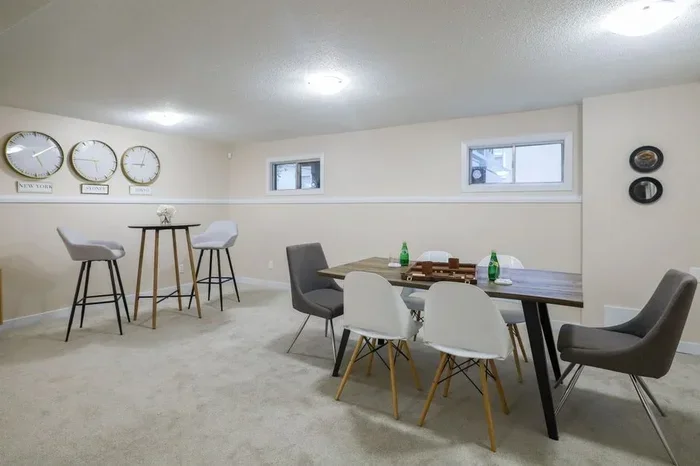
Where to Hang a Wall Clock in Your Living Room Right
Knowing where to hang a wall clock in living room spaces can completely transform your room’s look and feel. The right placement boosts both style and function. This guide covers the best walls, ideal heights, and common mistakes to avoid so your clock becomes a standout piece.
Have you ever walked into a living room and felt like something was off? Maybe the furniture looked great. Maybe the colors worked perfectly. But the space still felt incomplete. More often than not, the missing piece is a wall clock placed in the wrong spot. Where to hang a wall clock in living room settings is one of those small decisions that makes a huge difference. It affects the room’s balance, flow, and even how welcoming it feels.
A wall clock does more than tell time. It acts as a design anchor. It draws the eye upward and gives a room structure. But placing it incorrectly can create visual clutter or make the space feel off-balance. This guide walks you through everything you need to know about wall clock placement in your living room. We will cover the best walls, the right height, common mistakes, and expert tips that make the process simple and fun.
Key Takeaways
- Eye-level placement works best: Hang your clock at 57 to 60 inches from the floor for the most balanced look.
- Above the fireplace is a top choice: It creates a natural focal point and anchors the room beautifully.
- Avoid placing clocks near TVs: Glare and visual clutter can make the clock hard to read and less decorative.
- Consider the room’s layout first: The wall you choose should complement your furniture arrangement and traffic flow.
- Use a level and measuring tape: Even small misalignments make a big difference in how polished your space looks.
- Match clock size to wall space: A large clock needs a big wall; a small clock gets lost on a vast surface.
- Style matters as much as placement: Choose a clock that fits your living room aesthetic for a cohesive design.
📑 Table of Contents
- Why Wall Clock Placement Matters in Your Living Room
- Best Walls to Hang a Wall Clock
- The Right Height to Hang Your Wall Clock
- Wall Clock Placement Near Furniture and Electronics
- Common Mistakes to Avoid When Hanging a Wall Clock
- Expert Tips for Choosing and Placing Your Wall Clock
- Quick Tips for Perfect Wall Clock Placement
- Conclusion
Why Wall Clock Placement Matters in Your Living Room
A decorative wall clock is not just a functional item. It is a design element. Where you place it shapes how people see and move through your space. Think of it like hanging wall art placement — the position changes everything.
When you get the placement right, the clock blends into the room’s rhythm. It adds balance without shouting for attention. When you get it wrong, it creates tension. The room feels crowded or oddly empty. Living room design ideas always highlight the importance of thoughtful placement because it ties the whole room together.
Here are three reasons why wall clock positioning deserves your attention:
- Focal point creation: A well-placed clock draws the eye to a specific area, giving the room a natural center.
- Visual balance: Clocks add weight to a wall. Placing them correctly keeps the room feeling symmetrical and calm.
- Functional style: A clock serves double duty. It looks great and helps everyone keep track of time during gatherings.
The Role of a Wall Clock as Decor
Many people treat clocks as purely practical items. But in modern interior clock placement design, clocks are treated as art. A vintage wooden clock adds warmth. A sleek metal clock brings a modern edge. A bold colorful clock makes a statement. The key is matching the clock’s style to your living room wall decor theme.
Before you drill a hole, stand in the middle of your room. Look at each wall. Which wall feels like it needs something? That is usually the best wall for your clock. Trust your gut — it often knows what looks right.
Best Walls to Hang a Wall Clock
Not every wall in your living room is created equal for clock placement. Some walls naturally draw the eye. Others get lost in the room’s layout. Let us break down the best options so you can make a confident choice.
Above the Fireplace
The fireplace wall is the most popular spot for a wall clock above fireplace setups. It works because the fireplace already acts as a focal point. The clock sits naturally above it and completes the arrangement. This placement feels classic and balanced.
If you have a fireplace, this should be your first choice. Make sure the clock sits centered above the mantel. Leave at least six inches between the top of the mantel and the bottom of the clock. This gap keeps the look clean and prevents the clock from feeling cramped.
The Main Wall Opposite the Entrance
When you walk into a room, your eyes naturally go to the wall directly across from the door. This wall is perfect for a statement clock. It greets guests and sets the tone for the entire space.
This works especially well in open-concept layouts. If your living room furniture arrangement faces this wall, the clock becomes part of the room’s visual story. It anchors the seating area and gives the space a sense of purpose.
The Wall Above the Sofa
Placing a clock above the sofa is a trend that keeps growing. It creates a gallery-wall feel when paired with wall art or shelves. The clock sits above the sofa’s backrest and adds height to the seating area.
For this spot, choose a clock that is narrower than the sofa. A clock that is too wide looks overwhelming. A clock that is too small gets lost. Aim for a width that is about two-thirds the sofa’s length for the best proportions.
Walls with Built-In Shelves or Sideboards
If your living room has built-in shelves or a sideboard, the wall above them is a natural choice. The clock adds vertical interest to an otherwise horizontal surface. This works beautifully with how to decorate a sideboard in a living room approaches, where the sideboard holds decor items and the wall above carries the eye upward.
Similarly, if you have industrial wall shelves for living room setups, a clock placed above them ties the shelf decor together. It adds a functional element to what might otherwise be purely decorative shelving.
The Right Height to Hang Your Wall Clock
Height matters just as much as the wall you choose. A clock hung too high looks lost. One hung too low feels cramped. The sweet spot is where the clock feels natural and easy to read.
The 57-to-60-Inch Rule
Interior designers often follow the rule of hanging decorative items at eye level. For most adults, that means the center of the clock should sit between 57 and 60 inches from the floor. This is the same guideline used for hanging wall art and mirrors.
Why does this work? Because eye-level placement makes the clock easy to read from any seated position. Whether someone is on the couch, the loveseat, or an armchair, they can glance up and check the time without straining.
Adjusting Height for Different Furniture
Not every living room has the same furniture heights. Here is a simple guide to adjusting your clock height based on what is below it:
- Above a fireplace mantel: Center the clock 6 to 12 inches above the mantel top.
- Above a sofa: Leave 8 to 10 inches between the sofa back and the clock’s bottom edge.
- Above a side table: Keep 10 to 14 inches of space for a clean, uncluttered look.
- On a blank wall with no furniture below: Stick to the 57-to-60-inch center rule.
These numbers might seem small, but they make a real difference. A clock that sits too close to furniture feels crowded. One with too much space feels disconnected. Finding the right gap is the secret to a polished look.
Clock Size and Wall Space
The size of your clock should match the wall space available. A tiny clock on a huge wall disappears. A massive clock on a small wall overwhelms. As a general rule, the clock’s width should be about two-thirds the width of the furniture or wall section below it.
For example, if your sofa is 84 inches wide, a clock around 56 inches wide would look proportional. If your fireplace mantel is 60 inches wide, aim for a clock around 40 inches wide. These ratios keep things balanced and visually pleasing.
Wall Clock Placement Near Furniture and Electronics
Your living room layout plays a big role in where the clock should go. You need to think about furniture positioning, traffic flow, and even electronics like the TV.
Clock Placement Near the TV
This is one of the trickiest spots. A clock near the TV can work, but it needs careful thought. The last thing you want is glare from the screen making the clock hard to read. Bright sunlight from a window can cause the same problem.
If you want a clock near the TV, place it on a different wall than the one with the screen. Alternatively, choose a clock with a matte finish that reduces glare. Avoid placing the clock directly above or across from the TV, as this creates visual competition between the two elements.
For those following how to arrange living room furniture with TV guides, the clock should complement the TV area rather than fight for attention. Position it on an adjacent wall where it can serve as a secondary focal point.
Clock Placement in Seating Areas
The area where people actually sit deserves special attention. If you have a seating cluster with two sofas or a sofa and loveseat, the clock should be visible from all seats. This means hanging it centered above the main seating group.
For those working with specific layouts like how to arrange two sofas in living room with TV or how to arrange sofa and loveseat in living room, the clock becomes part of the overall arrangement. It should sit above the seating focal point, not off to the side where only one person can see it.
Clock Placement in Small Living Rooms
Small living rooms need smart wall clock placement more than large ones. In a compact space, every item competes for visual attention. Choose a slim, lightweight clock that does not overwhelm the room.
Consider placing the clock on the wall that draws the eye first when entering the room. This gives the space a sense of structure without adding clutter. For more tips on making the most of tight spaces, check out our guide on how to arrange living room furniture in small spaces.
Clock Placement Near Entryways
If your living room has a clear entryway, the wall near the door is a natural spot. Guests see the clock immediately, and it sets a welcoming tone. This works especially well in open floor plans where the living room flows into the entry area.
Make sure the clock does not block walkways or create a bumping hazard. Leave at least 30 inches of clearance between the clock and any door that swings open. Safety and style should go hand in hand.
Common Mistakes to Avoid When Hanging a Wall Clock
Even with the best intentions, people make mistakes when hanging wall clocks. Most of these errors are easy to avoid with a little planning. Here are the ones to watch out for.
Hanging the Clock Too High
This is the number one mistake. People want the clock to be a focal point, so they hang it too high. The result is a clock that feels disconnected from the room. It looks like it is floating in space rather than being part of the decor.
Remember the 57-to-60-inch rule. The clock should feel like it belongs in the room, not hovering above it. If you are unsure, hold the clock against the wall at different heights before marking the spot.
Choosing the Wrong Clock Size
A clock that is too small gets lost. A clock that is too large dominates. Both situations hurt the room’s balance. Always measure the wall or furniture section before buying a clock.
Take the time to compare sizes before you purchase. Visit a store if possible, or use paper cutouts to test different sizes on your wall at home. This simple step saves time, money, and frustration.
Ignoring the Room’s Style
A rustic wooden clock in a modern minimalist room can feel out of place. A sleek digital clock in a traditional living room sends mixed signals. Your clock should complement the room’s overall style.
Think about your aesthetic living room ideas and choose a clock that fits. If your room has warm tones and natural materials, go for wood or bamboo. If your style is modern and clean, choose metal or acrylic. The clock should feel like it belongs, not like it was added as an afterthought.
Skipping the Level
A crooked clock bothers the eye more than you might think. Even a few degrees off can make the room feel slightly wrong. Always use a level when marking your holes and hanging the clock.
It takes just a few extra seconds and makes a world of difference. If you are hanging the clock above furniture, make sure it is also level with the furniture edges. A clock that tilts away from a centered sofa looks unintentional and messy.
Forgetting About Light Sources
Bright lights, windows, and lamps can all affect how your clock looks and functions. A clock placed in direct sunlight may fade over time. A clock near a bright lamp may cast shadows that make the numbers hard to read at night.
Think about the room’s lighting throughout the day. Choose a spot where the clock is easy to read and looks good in all lighting conditions. If you love the spot but worry about glare, consider a clock with a non-reflective face or a matte finish.
Expert Tips for Choosing and Placing Your Wall Clock
Getting the clock itself is just as important as getting the placement right. Here are expert tips that help you choose and position your clock with confidence.
Match the Clock to the Room’s Scale
Large living rooms can handle bigger clocks. Small living rooms need smaller, more delicate pieces. The clock should feel proportional to the space. A good test is to stand in the center of the room and see if the clock feels balanced with the surrounding furniture.
Mix Function with Personality
Your clock should tell time clearly, but it should also reflect your personality. Choose a design you love looking at. After all, you will see it every day. Whether it is a bold retro style, a clean Scandinavian look, or a vintage farmhouse feel, the clock should make you smile.
Consider the Clock’s Movement
Not all clocks tick the same way. Some are silent. Some tick loudly. If your living room is a quiet retreat, a loud ticking clock can be distracting. Look for silent movement clocks, especially if the clock is in a bedroom-adjacent living room or a media area.
Layer with Other Wall Decor
A clock does not have to hang alone. Pair it with wall shelves for living room or framed art for a curated gallery feel. Just make sure the elements share a common thread, whether that is color, material, or style. This approach works beautifully when following how to style open shelves living room principles, where layered decor creates depth and interest.
Test Before You Commit
Before you put holes in the wall, hold the clock up or trace its outline with painter’s tape. Step back and look at it from different spots in the room. Does it feel balanced? Is it easy to read? Does it complement the furniture below?
This simple test takes five minutes and saves you from unnecessary holes in the wall. It also gives you confidence that the placement is right before you commit.
Quick Tips for Perfect Wall Clock Placement
- Measure twice, hang once. Always double-check your measurements before drilling.
- Use a stud finder. This ensures the clock stays securely on the wall.
- Consider the room’s flow. The clock should not interrupt natural walking paths.
- Think about who sees the clock. Place it where the most people can easily read it.
- Balance with other decor. If one wall has heavy decor, the opposite wall can hold the clock for symmetry.
- Keep it away from heat sources. Fireplaces and heaters can affect the clock’s mechanism over time.
- Update the wall anchor type. Use appropriate anchors for your wall material, whether drywall, brick, or plaster.
Conclusion
Finding the right spot for your wall clock is easier than it seems. The key is to think about the room as a whole. Consider the walls, the furniture, the lighting, and the style. When all these elements come together, the clock feels like it has always belonged there.
Where to hang a wall clock in living room spaces comes down to a few simple principles. Choose a wall that serves as a natural focal point. Hang it at eye level. Make sure the size fits the space. Avoid common mistakes like placing it too high or too close to the TV. And most importantly, choose a clock you love.
A well-placed wall clock does more than tell time. It brings a room together. It adds warmth, structure, and personality. So take your time, measure carefully, and enjoy the process. Your living room will thank you for it.
Frequently Asked Questions
What is the best height to hang a wall clock in a living room?
The center of the clock should sit between 57 and 60 inches from the floor. This is eye level for most adults and makes the clock easy to read from any seated position in the room.
Can I hang a wall clock above my TV in the living room?
It is possible, but it is not ideal. The clock can compete with the TV for attention and may be affected by screen glare. If you must place it near the TV, choose a matte-finish clock and position it on an adjacent wall instead.
How do I choose the right size wall clock for my living room?
The clock’s width should be about two-thirds the width of the furniture or wall section below it. Measure the available space before shopping, and use paper cutouts to test different sizes on the wall before committing.
Should my wall clock match my living room decor style?
Yes, the clock should complement the room’s overall style. A rustic clock fits a farmhouse theme, a sleek metal clock suits modern spaces, and a vintage design works well in traditional rooms. Matching styles creates a cohesive and polished look.
What is the best wall in a living room for a wall clock?
The fireplace wall is the most popular choice because it is already a natural focal point. The wall opposite the entrance also works well, as it greets guests and anchors the seating area. Choose the wall that draws the eye naturally when you enter the room.
How do I prevent my wall clock from looking crooked?
Always use a level when marking the hanging spot and when securing the clock to the wall. Take a step back and view the clock from across the room before finalizing placement. A crooked clock disrupts the room’s visual balance and feels unintentionally messy.