Wall Treatments for Living Room Ideas and Inspiration
Wall treatments for living room spaces can completely change the feel and look of your home. Whether you want a bold accent wall, elegant paneling, or trendy wallpaper, there are endless options to explore. This guide covers the best wall treatments for living room ideas, from classic shiplap to modern geometric designs. You will learn how to choose the right treatment, combine it with accent pieces for living room furniture, and style open shelves living room setups for maximum impact.
Your living room walls are the biggest blank canvas in your home. They set the tone for every design choice you make. Yet so many people overlook the power of great wall treatments for living room spaces. A fresh wall treatment can turn a boring room into a showstopper. It adds texture, depth, and personality without the cost of a full renovation.
If you have been staring at plain walls and wondering what to do, you are in the right place. This guide walks you through the best wall treatments for living room ideas. You will find inspiration for every style and budget. We also share practical tips on how to combine your walls with accent pieces for living room decor and create a cohesive look that feels intentional and polished.
Key Takeaways
- Accent walls are the easiest way to add depth and style to any living room wall.
- Shiplap and wood paneling create a warm, cozy feel that works in almost any decor style.
- Wallpaper offers bold patterns and textures that paint simply cannot match.
- Combining wall treatments with accent pieces for living room items boosts the overall design.
- Proper planning and measurement save time, money, and frustration during installation.
- Mixing textures and materials adds visual interest without overwhelming the space.
📑 Table of Contents
Why Wall Treatments Matter in Your Living Room
Walls take up the most visual real estate in any room. When they look good, the whole space feels put together. When they are plain and boring, even the best furniture cannot save the room. Wall treatments solve this problem quickly and affordably.
They also add value to your home. Potential buyers notice well-designed walls. A thoughtful wall treatment signals that the home has been cared for. It shows attention to detail that buyers appreciate.
Texture and Depth
Plain drywall is flat and lifeless. Wall treatments bring texture into the room. Wood panels, stone veneers, and textured wallpaper all add a third dimension. This makes the room feel more dynamic and interesting. Even a small change like shiplap walls can completely transform the mood.
Color Without Painting Every Wall
Sometimes you want color but painting all four walls feels too much. An accent wall gives you that pop of color without overwhelming the space. You can try bold hues on one wall and keep the rest neutral. This approach works beautifully with aesthetic living room ideas and modern design trends.
Top Wall Treatment Ideas for Living Rooms
There are so many directions you can go with living room wall treatments. The right choice depends on your style, budget, and the vibe you want. Here are the most popular options that deliver real results.
Accent Walls
An accent wall is the single most popular wall treatment. It focuses attention on one wall and creates a natural focal point. You can build an accent wall with paint, wallpaper, stone, wood, or even tile.
The key is choosing the right wall. The wall behind your sofa or the first wall you see when entering the room works best. Bold colors and dramatic patterns work great here. Pair your accent wall with simple furniture to let it shine.
Shiplap and Wood Paneling
Shiplap has been a favorite for years, and it is easy to see why. The horizontal planks add warmth and charm. They work in farmhouse, rustic, coastal, and even modern settings. Wood paneling offers a classic look that never goes out of style.
Both options are surprisingly affordable. You can buy pre-made panels or install individual planks yourself. For a trendy twist, try two-tone shiplap. Paint the top half white and the bottom half a deeper shade. This adds visual interest without extra cost.
Wallpaper and Wall Decals
Wallpaper has made a huge comeback. Today’s options range from subtle textures to dramatic patterns. You can find wallpaper that mimics brick, tile, or even grasscloth. The variety is endless.
Wall decals are a great alternative if you are renting or want something temporary. They stick to walls without damage and come off cleanly. Floral decals, geometric shapes, and abstract designs all work well in living rooms. They pair nicely with how to decorate shelves in living room setups, adding layers of visual interest.
Brick and Stone Veneers
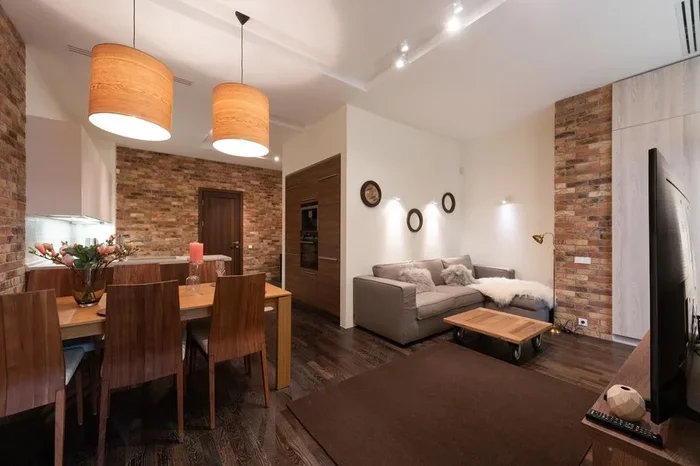
Real brick and stone are beautiful but expensive. Veneers give you the same look at a fraction of the cost. You can find thin brick panels that install right over drywall. Stone veneers come in many colors and textures.
These treatments work best in open, airy spaces. They add an industrial edge that balances cozy furniture. If your living room has large windows, a stone accent wall can create a stunning contrast with natural light.
Tongue and Groove Panels
Tongue and groove panels create a refined, cottage-core look. The interlocking boards run vertically or horizontally. They give walls a clean, structured appearance. This treatment suits farmhouse and cottage-style living rooms perfectly.
You can stain the panels to match your furniture or paint them for a fresh, modern feel. They also hide wall imperfections better than drywall. This makes them a smart choice for older homes with uneven walls.
How to Choose the Right Wall Treatment
With so many options, picking the right one can feel overwhelming. Use these guidelines to narrow down your choices and find the perfect fit.
Consider Your Room Size
Small living rooms benefit from light-colored treatments. They make walls feel farther away and the room more open. Large rooms can handle bold, dark, or textured treatments without feeling crowded.
If you have a compact space, look at how to maximize seating in a small living room. The same principles apply to wall treatments. Keep things light, simple, and uncluttered. Avoid busy patterns that shrink the perceived space.
Match Your Decor Style
Your wall treatment should complement your existing furniture and decor. Here is a quick guide to matching styles:
- Modern: Smooth plaster, concrete-look panels, or single-color accent walls
- Farmhouse: Shiplap, tongue and groove, or reclaimed wood panels
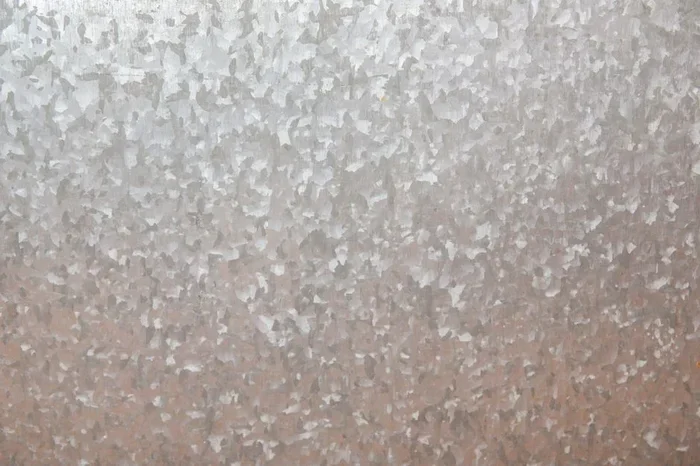
- Industrial: Exposed brick, metal panels, or concrete accents
- Bohemian: Textured wallpaper, woven wall hangings, or colorful paint
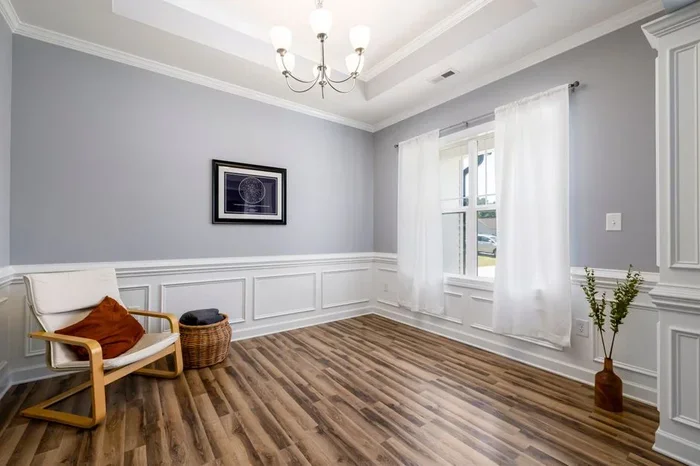
- Traditional: Wainscoting, raised paneling, or classic wallpaper patterns
Think About Maintenance
Some wall treatments require more care than others. Painted walls are easy to clean and touch up. Wallpaper may need replacement after several years. Wood panels need occasional polishing. Stone and brick are low maintenance but hard to change. Consider your lifestyle when choosing.
Budget Wisely
Wall treatments vary widely in cost. Paint is the most affordable option. Shiplap and paneling fall in the mid-range. Custom wallpaper and stone veneers can be pricey. Set a budget before shopping. Remember that DIY installation saves you a lot of money. Many treatments are beginner-friendly with basic tools.
Combining Wall Treatments with Room Decor
The best living rooms do not treat walls in isolation. Your wall treatment should work with everything else in the room. This includes furniture, lighting, rugs, and accessories.
Pair with Accent Pieces
Accent pieces for living room items like vases, sculptures, and decorative trays gain more impact against a textured wall. A shiplap wall makes ceramic vases look artisan. A stone accent wall makes metal decor feel at home. Think of your walls as the backdrop that elevates every other piece in the room.
Use Shelves to Extend the Design
Wall treatments and shelving go hand in hand. Open shelves on a treated wall create a cohesive look. You can style shelves with books, plants, and art to complement your wall treatment. Learning how to style open shelves living room setups helps you create a layered, designer look without professional help.
Similarly, knowing how to decorate shelves in living room spaces adds another dimension. Mix framed photos with textured objects. Vary heights and group items in odd numbers. This creates visual flow that ties the wall treatment to the rest of the room.
Lighting Matters
Lighting changes how your wall treatment looks. Natural light brings out the texture of wood and stone. Warm artificial light makes painted walls feel inviting. Track lighting or wall sconces can highlight an accent wall beautifully. Consider how light hits your walls at different times of day before committing to a treatment.
Common Mistakes to Avoid
Even the best wall treatment ideas can go wrong. Here are common mistakes homeowners make and how to avoid them.
- Choosing a trend that does not match your style: Trendy treatments fade fast. Pick something you love for the long haul.
- Ignoring the ceiling and trim: Your wall treatment should connect with the rest of the room. Paint the ceiling and trim to complement the new walls.
- Overdoing texture: Too many textures create visual chaos. Stick to one or two textural elements per room.
- Skipping priming: Always prime walls before applying treatments. Skipping this step leads to peeling and uneven coverage.
- Measuring incorrectly: Measure your walls twice before buying materials. A small mistake can cost you time and money.
Expert Tips for a Stunning Finish
Professional designers know tricks that make wall treatments look effortless. Here are their top tips.
- Start with a mood board. Gather images of rooms you love. Notice what wall treatments appear most often. This gives you a clear direction before shopping.
- Test samples first. Order small samples of wallpaper or paint. Tape them to your wall and live with them for a few days. You will see how they look in different lighting.
- Use painter’s tape for clean lines. Whether you are painting an accent wall or installing panels, tape gives you crisp edges. Remove it slowly at a 45-degree angle.
- Invest in quality materials. Cheap wallpaper peels. Thin panels warp. Spending a little more upfront saves you from redoing the work later.
- Balance bold walls with simple furniture. If your wall treatment is busy, keep furniture clean-lined and neutral. Let the walls be the star of the show.
Final Thoughts
Wall treatments for living room spaces offer incredible value and transformation. They are one of the simplest ways to refresh your home without a major renovation. Whether you choose a bold accent wall, classic shiplap, or trendy wallpaper, the right treatment ties the whole room together.
Remember to consider your room size, decor style, and budget before choosing. Combine your wall treatment with thoughtful furniture placement and accent pieces for living room decor. Add shelving and lighting to complete the look. With the right approach, your living room walls will become the best part of your home.
Start with one wall. See how it changes the room. Then build from there. The best living rooms are designed one detail at a time, and your walls are the perfect place to begin.
Frequently Asked Questions
What are the most popular wall treatments for living rooms?
The most popular options include accent walls, shiplap, wood paneling, wallpaper, brick veneers, and tongue and groove panels. Each one offers a different look and feel. Accent walls are the easiest to start with if you are new to wall treatments.
How much does it cost to treat a living room wall?
Costs vary widely depending on the material. Paint is the most affordable at around $30 to $50 per gallon. Shiplap panels run $2 to $5 per square foot. Wallpaper can cost $1 to $15 per square foot. Stone veneers are the most expensive but still cheaper than real stone. DIY installation keeps costs low.
Can I combine multiple wall treatments in one room?
Yes, combining treatments adds depth and visual interest. A common approach is using shiplap on one wall and paint on the others. You can also mix wallpaper with wood panels. Just keep the color palette consistent so the room feels cohesive rather than chaotic.
What is the best wall treatment for a small living room?
Light-colored paint, subtle shiplap, or a single accent wall work best in small rooms. Avoid heavy textures and dark colors that make the space feel cramped. Pairing light walls with how to place furniture in living room tips ensures the room feels open and airy.
How do I maintain wall treatments in a living room?
Maintenance depends on the material. Painted walls can be wiped clean with a damp cloth. Wood panels need occasional dusting and polishing. Wallpaper should be spot-cleaned gently. Brick and stone are the most low-maintenance and only need occasional dusting.
Which wall treatment adds the most value to a home?
Neutral accent walls and quality wood paneling tend to add the most value. They appeal to a wide range of buyers and photograph well for listings. Avoid overly bold or niche treatments if you plan to sell soon. Stick to classic looks that stand the test of time.
=== CONCLUSION ===
Wall treatments for living room spaces are one of the most impactful upgrades you can make. They transform plain walls into design features that draw the eye and set the mood. From accent walls to shiplap to textured wallpaper, the options suit every style and budget.
Use this guide to find the right treatment for your space. Combine it with accent pieces for living room decor and thoughtful shelving to create a room that feels complete. Your living room walls deserve more than just plain paint. Give them the treatment they deserve and enjoy a space that truly reflects your style.