Wall Tapestry for Living Room Ideas That Transform Spaces
A wall tapestry for living room is one of the easiest and most affordable ways to completely refresh your space. Whether you prefer bohemian tapestry designs or modern geometric patterns, the right wall hanging adds color, texture, and personality to any room. This guide covers everything from choosing the perfect size to styling tips that make your living room decor truly stand out.
Key Takeaways
- Choose the right size: A wall tapestry should be proportional to your wall space for the best visual impact.
- Match your style: From bohemian decor to minimalist aesthetics, there is a tapestry design for every taste.
- Placement matters: Hang your tapestry above a sofa, fireplace, or open shelf for a focal point effect.
- Mix and match: Combine tapestries with accent pieces for living room to create a layered, curated look.
- Care is simple: Most woven wall art pieces only need occasional dusting or gentle spot cleaning.
- Budget-friendly upgrade: A tapestry is one of the most affordable ways to achieve a major living room makeover.
📑 Table of Contents
- Why a Wall Tapestry for Living Room Is a Game Changer
- Choosing the Right Wall Tapestry for Your Space
- Best Places to Hang a Wall Tapestry in the Living Room
- Styling Tips to Make Your Wall Tapestry Pop
- Common Mistakes to Avoid When Using Wall Tapestries
- How to Care for Your Living Room Wall Tapestry
- Where to Buy Quality Wall Tapestries for Your Living Room
- Final Thoughts on Wall Tapestries for Living Rooms
Why a Wall Tapestry for Living Room Is a Game Changer
Your living room is the heart of your home. It is where you relax, entertain guests, and unwind after a long day. But sometimes the walls feel bare and boring. That is where a wall tapestry for living room comes in. It is a simple, affordable, and incredibly effective way to completely change the feel of your space.
A wall tapestry does more than just fill empty wall space. It adds warmth, texture, and color to a room that plain paint or basic artwork simply cannot match. Whether you hang a large bohemian tapestry behind your sofa or a smaller textile art piece on a side wall, the effect is immediate and dramatic.
One of the best things about wall tapestries is that they work in almost any room style. You have a cozy boho decor living room? There is a tapestry for that. Prefer a clean, modern look? There are tapestries for that too. The variety of designs, patterns, and materials is truly endless.
Another big reason people love decorative wall hangings is that they are so easy to install. No drilling, no complicated hardware. A simple tapestry rod or even a few decorative nails is all you need. You can change your wall look in minutes whenever you want a fresh feel.
Let us dive into the best ideas and tips for using a wall tapestry in your living room. By the end of this guide, you will have everything you need to pick the perfect piece and style it like a pro.
Choosing the Right Wall Tapestry for Your Space
Not all tapestries are created equal. The size, material, and design you choose will make or break the look. Here is how to pick the perfect one for your living room.
Consider the Wall Size
The most common mistake people make is choosing a tapestry that is too small. A tiny fabric wall art piece on a large blank wall looks lost and awkward. On the other hand, a massive tapestry in a small room can feel overwhelming.
Here are some quick guidelines:
- Small walls (under 6 feet wide): Go for a tapestry that is at least 40 to 50 inches wide.
- Medium walls (6 to 10 feet wide): Aim for 60 to 80 inches wide for a bold statement.
- Large walls (over 10 feet wide): Choose a tapestry that spans 80 to 100 inches or use multiple pieces together.
Measure your wall first. Then compare that measurement to the tapestry size. You want the piece to cover at least 60 to 70 percent of the wall for the best visual balance.
Pick the Right Material
Wall tapestries come in many different materials, and each one gives a different feel. Cotton tapestries are soft and breathable, making them great for a relaxed, casual vibe. Silk tapestries have a luxurious sheen that works well in more elegant living room decor setups.
Polyester blends are durable and easy to clean, which makes them practical for homes with kids or pets. Linen tapestries add a natural, earthy texture that pairs beautifully with aesthetic living room ideas. And if you love that cozy, textured look, go for a thick woven cotton or microfiber piece.
Match the Design to Your Room Style
The design of your tapestry for walls should complement your existing furniture and decor. Here are some popular styles:
- Bohemian: Think earthy tones, mandalas, paisleys, and tribal patterns. These boho decor pieces bring warmth and free-spirited energy to a room.
- Minimalist: Solid colors, simple geometric shapes, and clean lines. These woven wall art pieces add subtle texture without cluttering the space.
- Bohemian Chic: Mix of vibrant colors, floral designs, and layered textures. This style feels playful and artistic.
- Modern: Abstract designs, bold color blocks, and contemporary patterns. These fabric wall art pieces make a sleek statement.
- Rustic: Nature-inspired motifs, woodland scenes, and warm earth tones. Perfect for cozy, cabin-style living rooms.
Best Places to Hang a Wall Tapestry in the Living Room
Where you place your wall tapestry for living room matters just as much as the tapestry itself. The right spot turns a simple piece into a room centerpiece. Here are the best locations and why they work.
Above the Sofa
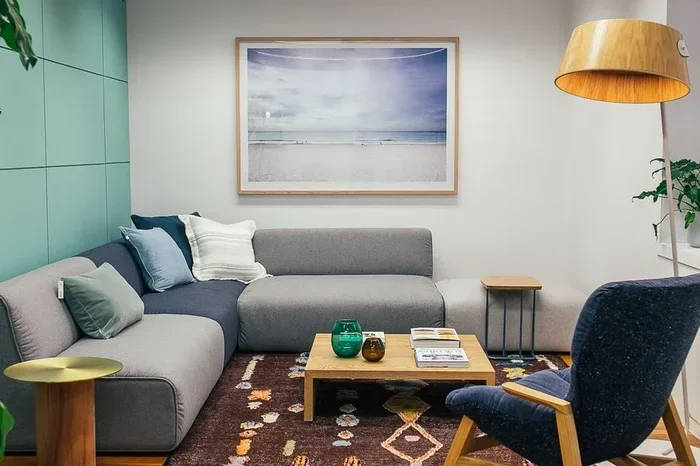
This is the most popular and effective spot for a wall tapestry. The sofa is usually the largest furniture piece in the room, and hanging a tapestry above it creates a natural focal point. Make sure the tapestry is at least a few inches wider than the sofa for balanced proportions.
For a polished look, leave about 6 to 12 inches between the top of the sofa and the top of the tapestry. This gap keeps the arrangement from feeling cramped and lets the piece breathe.
Behind a Bookshelf or Open Shelf
If you have open shelving in your living room, a wall tapestry behind it adds depth and visual interest. The tapestry becomes a backdrop that makes your books, plants, and accent pieces for living room pop even more. This is one of the easiest ways to elevate a simple shelving setup.
You can also check out our guide on how to style open shelves in your living room for more ideas on combining shelves with wall art.
On a Feature Wall
Every living room usually has one wall that stands out more than the others. Maybe it has a fireplace, a large window, or a unique architectural detail. That is your feature wall, and it is the perfect place for a bold wall tapestry.
A large tapestry design on a feature wall draws the eye immediately and sets the tone for the entire room. Pair it with a few well-placed accent pieces for living room like candles, small plants, or framed photos for a curated gallery feel.
Over the Fireplace Mantel
If your living room has a fireplace, a tapestry above the mantel creates a warm and inviting atmosphere. This placement works especially well with ethnic wall art or bohemian tapestry designs that add a cozy, gathered-around-the-fire vibe.
Styling Tips to Make Your Wall Tapestry Pop
Hanging a tapestry is only half the work. How you style around it makes all the difference. These tips will help you get the most out of your living room wall tapestry.
Pair It with Complementary Furniture
Your wall tapestry for living room should feel connected to the furniture around it. If your tapestry has warm earth tones, consider adding wooden furniture or warm-toned cushions nearby. If the tapestry features cool blues and greens, pair it with metal or light-colored furniture for contrast.
The goal is harmony. The tapestry and the furniture should feel like they belong together, even if they are different styles.
Add Lighting to Highlight the Tapestry
Proper lighting can completely change how a wall tapestry looks. A simple floor lamp or a wall-mounted sconce aimed at the tapestry creates shadows and highlights the texture of the fabric. This is especially effective with thicker woven pieces that have a lot of dimension.
For a more dramatic effect, try string lights or LED strip lights behind the tapestry. This creates a soft glow that makes the colors feel richer and more vibrant. It is a quick trick that takes any living room makeover to the next level.
Layer with Other Wall Decor
Do not be afraid to combine your wall tapestry with other wall decor. A tapestry paired with a few framed prints or a floating shelf creates a layered, interesting wall arrangement. Just make sure the colors and styles do not clash.
For example, if your tapestry is busy with lots of patterns, keep the other wall items simple and minimal. If the tapestry is a solid color, you can go bolder with frames and shelves around it.
For more ideas on mixing wall decor elements, check out our article on aesthetic living room ideas for inspiration on creating beautifully styled walls.
Use Plants and Floor Accessories to Ground the Look
A wall tapestry looks even better when it is anchored by elements at floor level. A tall plant next to the tapestry, a small side table underneath, or a cozy rug in front of it all help ground the arrangement. These accent pieces for living room items create a complete look rather than just a wall decoration floating in space.
Common Mistakes to Avoid When Using Wall Tapestries
Even though tapestries are easy to use, there are a few common mistakes that can ruin the look. Here is what to watch out for.
Hanging a Tapestry That Is Too Small
This is the number one mistake. A tiny tapestry on a big wall looks like a postage stamp. Always go bigger than you think you need. When in doubt, choose the larger size. You can always fold or layer a large tapestry, but you cannot stretch a small one.
Ignoring the Room’s Color Scheme
A tapestry that clashes with your room colors will stick out like a sore thumb. Before you buy, look at your existing furniture, rugs, and curtains. Pick a tapestry that either complements or gently contrasts with those colors. A tapestry hanging idea that works well is to pull one color from the tapestry and repeat it in your cushions or throw blankets.
Skipping Proper Hanging Hardware
A droopy or unevenly hung tapestry looks sloppy. Use a sturdy tapestry rod or a wooden dowel with rings. Make sure the mounting brackets are secure, especially if your tapestry is heavy. A properly hung piece looks clean and intentional.
Forgetting About Maintenance
Living rooms collect dust, and your tapestry is no exception. Choose a material that is easy to clean, or be prepared to gently spot-clean or hand-wash it every few months. A well-maintained wall hanging looks fresh and vibrant for years.
How to Care for Your Living Room Wall Tapestry
Taking care of your wall tapestry keeps it looking beautiful for a long time. Most pieces are low-maintenance, but a little attention goes a long way.
Dust your tapestry regularly with a soft brush or a handheld vacuum on a low setting. If the tapestry has a fringe or tassels, gently comb them with a wide-tooth comb to keep them neat. For deeper cleaning, check the care label. Many cotton and polyester tapestries can be hand-washed in lukewarm water with mild detergent.
Avoid direct sunlight when possible. Prolonged exposure to UV rays can fade the colors of your textile art over time. If your tapestry hangs in a sunny spot, consider rotating it every few months or using UV-filtering curtains to protect it.
When storing a tapestry temporarily, roll it loosely with the design facing outward. This prevents creasing and keeps the fibers from flattening. Store it in a breathable cloth bag rather than plastic to avoid moisture buildup.
Where to Buy Quality Wall Tapestries for Your Living Room
Finding the right wall tapestry for living room does not have to be hard. There are many great places to shop, both online and in person. Here are some options to consider:
- Online marketplaces: Sites like Etsy and Amazon offer thousands of options in every style and price range. You can read reviews and compare sizes easily.
- Home decor stores: Stores like IKEA and Target carry affordable tapestries that work well for beginners.
- Specialty shops: If you want unique, handwoven pieces, look for artisan shops or fair-trade stores that specialize in ethnic wall art and bohemian decor.
- Local flea markets and thrift stores: You can find vintage tapestries with incredible character and history at a fraction of the cost.
When shopping, always check the dimensions carefully. A tapestry listed as “60×80 inches” includes the fringe, so the actual fabric area may be slightly smaller. Read product descriptions and customer photos to get a realistic idea of the size and colors.
Final Thoughts on Wall Tapestries for Living Rooms
A wall tapestry for living room is one of the simplest and most rewarding ways to upgrade your home. It adds color, texture, and personality without the hassle of painting walls or buying expensive furniture. Whether you go bold with a bohemian tapestry or keep it subtle with a minimalist woven wall art piece, the impact is real and immediate.
Start by measuring your wall and choosing a size that fits well. Pick a design that matches your personal style and existing decor. Hang it with care, style around it with plants and lighting, and enjoy the transformation. A well-chosen wall tapestry turns a plain living room into a space that feels curated, warm, and uniquely yours.
So go ahead and give your walls the attention they deserve. A single wall tapestry might just be the easiest home decor upgrade you will ever make.
Frequently Asked Questions
What size wall tapestry is best for a living room?
The best size depends on your wall space. For most living rooms, a tapestry that is 60 to 80 inches wide works well. It should cover at least 60 to 70 percent of the wall for a balanced look. Always measure your wall before purchasing.
Can I use a wall tapestry in a small living room?
Absolutely. A wall tapestry can actually make a small living room feel bigger by adding vertical interest and drawing the eye upward. Choose a lighter color or a smaller-scale pattern to avoid overwhelming the space.
How do I hang a wall tapestry without damaging the wall?
Use a tapestry rod with decorative end caps. The rod sits on two brackets mounted above the window frame or on the wall. For a damage-free option, use adhesive mounting strips designed for fabric. They hold securely and remove cleanly.
What is the best material for a living room wall tapestry?
Cotton and polyester blends are the most popular choices. Cotton is soft and breathable, while polyester is durable and easy to clean. Linen adds a natural texture, and silk works well for a more luxurious feel. Choose based on your lifestyle and room style.
How often should I clean my wall tapestry?
Dust your tapestry every one to two weeks with a soft brush or vacuum. A deeper clean every three to four months is usually enough. If the tapestry is in a high-traffic area or near a kitchen, clean it more frequently to prevent dust and grease buildup.
Can I combine multiple tapestries on one wall?
Yes, layering multiple wall tapestries creates a dynamic, gallery-like effect. Mix different sizes and designs but keep a unifying color theme. This approach works especially well on large feature walls or above a sofa and side table arrangement.