Wall Picture Frames for Living Room Design Inspiration
Wall picture frames for living room spaces can completely change how a room feels and looks. The right frame choices add personality, color, and visual depth to any wall. This guide covers frame styles, sizes, arrangements, and practical tips for every budget. Whether you love minimalist designs or bold gallery walls, you will find ideas that work for your home.
Wall picture frames for living room spaces are one of the easiest and most affordable ways to refresh your home decor. A well-chosen frame turns a blank wall into a focal point. It adds color, texture, and personality to a room that might otherwise feel plain. Many homeowners underestimate how much impact a simple frame arrangement can have.
If you have been staring at bare walls and feeling stuck, you are in the right place. This guide walks you through everything you need to know about choosing and styling wall frames for your living room. From frame materials to arrangement layouts, we cover it all. By the end, you will feel confident enough to hang your own beautiful display.
Key Takeaways
- Choose the Right Style: Matching frame styles to your living room aesthetic makes a huge difference in the overall look.
- Size Matters: Using the correct frame sizes for your wall space creates balance and visual harmony.
- Arrangement Is Key: How you place frames on the wall affects the entire room’s feel and flow.
- Mix and Match: Combining different frame types adds character and keeps your decor from looking too matchy.
- Budget-Friendly Options: You do not need to spend a lot to create a stunning frame display.
- Lighting Enhances Frames: Adding light near your wall frames draws attention and elevates the room.
📑 Table of Contents
- Why Wall Picture Frames Matter in Living Room Design
- Best Frame Styles for Living Room Walls
- How to Choose the Right Frame Size
- Creative Arrangement Ideas for Wall Frames
- Practical Tips for Hanging and Styling Wall Frames
- Budget-Friendly Frame Options and Where to Find Them
- Common Mistakes People Make with Wall Frames
- Final Thoughts on Wall Picture Frames for Living Room Spaces
Why Wall Picture Frames Matter in Living Room Design
Frames do more than just hold photos. They set the tone for an entire room. The style, color, and size of your frames influence how guests perceive your space. When you invest time in choosing the right frames, the results feel intentional and polished.
Think of frames as the jewelry of your room. A living room without wall art can feel empty and unfinished. Frames filled with artwork, photographs, or even fabric add warmth and character. They give your walls purpose and your decor a centered focal point.
Here are some reasons why wall picture frames make a real difference:
- They define your room’s style. Rustic frames suggest a cozy feel. Sleek metal frames suggest modern design. The frame you choose sends a clear message about your taste.
- They create visual interest. A single frame can anchor a seating area. A cluster of frames can turn a dull hallway into a gallery.
- They are affordable. Unlike furniture, frames are budget-friendly. You can update your living room look without a big investment.
- They are easy to change. Want a new look? Swap out the artwork inside. Move the frames to a different wall. The flexibility is huge.
Matching Frames to Your Living Room Style
Every living room has its own vibe. The frames you choose should complement that vibe, not clash with it. If your room leans toward a modern aesthetic, go for clean lines and neutral tones. If your space feels cozy and eclectic, try wooden frames with warm finishes.
For rooms that feature aesthetic living room decor, slim black or white frames work beautifully. They keep the look sleek and uncluttered. In rooms with accent pieces for living room styling, you can mix in ornate gold or brass frames for an extra touch of elegance.
Best Frame Styles for Living Room Walls
Not all frames are created equal. Different styles suit different rooms and different tastes. Understanding the main frame categories helps you narrow down your options quickly.
1. Modern Minimalist Frames
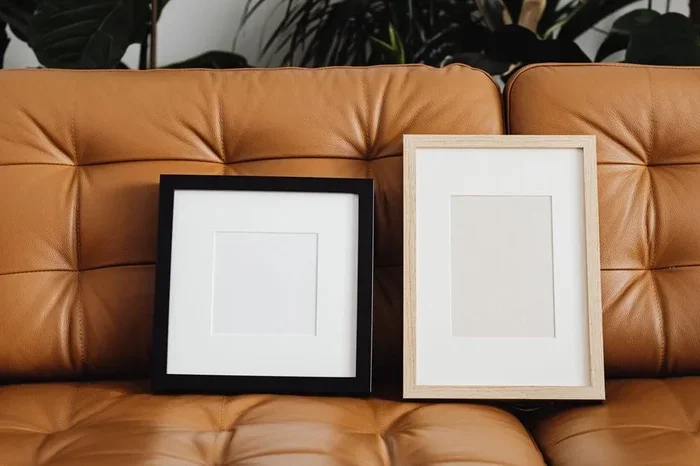
These frames feature thin profiles, clean edges, and neutral colors. Black, white, and natural wood tones dominate this category. They work best in rooms with a modern living room aesthetic or a Scandinavian design theme.
Minimalist frames let the artwork inside do the talking. They do not compete with the wall or the room’s other elements. If your living room already has bold furniture or bright colors, a simple frame keeps things balanced.
2. Rustic and Natural Frames
Rustic frames are made from reclaimed wood, bamboo, or other natural materials. They often show grain patterns and earthy tones. These frames bring warmth and a cozy feeling to any living room.
They pair especially well with farmhouse or boho-style interiors. If you love the idea of decorative wall accents that feel organic and handmade, rustic frames are a great choice.
3. Ornate and Classic Frames
Ornate frames feature detailed carvings, gilded finishes, and decorative molding. They feel timeless and elegant. These frames work beautifully in traditional or transitional living rooms.
Classic frames make a statement even when empty. They add a sense of formality and sophistication. If your room has rich wood furniture or velvet upholstery, ornate frames can tie the whole look together.
4. Mixed and Eclectic Frames
Mixing frame styles is one of the most popular trends right now. Combine thin black frames with thick wooden ones. Add a vintage brass frame into the group. The key is to find a unifying element, like a consistent color palette or a shared theme.
Eclectic frame arrangements feel personal and curated. They tell a story about the people who live in the home. If you want your living room to feel unique and full of character, this approach is worth exploring.
How to Choose the Right Frame Size
Size is one of the most overlooked aspects of wall framing. A frame that is too small gets lost on a large wall. A frame that is too large overwhelms a small space. Getting the size right makes all the difference.
General Sizing Guidelines
Follow these simple rules when selecting frame sizes for your living room:
- Measure your wall space first. Note the width and height of the area where you plan to hang frames. This prevents guessing and wasted effort.
- Use the two-thirds rule. The frame width should be about two-thirds of the furniture piece below it. For example, if your sofa is 60 inches wide, aim for frames around 40 inches wide.
- Consider the viewing distance. Frames hung higher on walls need to be slightly larger so they remain visible from a seating position.
- Scale matters. Large rooms handle oversized frames well. Small rooms benefit from a group of smaller frames arranged together.
Common Frame Size Mistakes to Avoid
Many people make the same sizing errors when decorating their walls. Here are a few to watch out for:
- Choosing frames that are too small. This makes the wall feel empty and the frames look lost.
- Using one giant frame when a group would work better. A single large frame can dominate a room if not balanced properly.
- Ignoring the space between frames. When arranging multiple frames, leave about 2 to 3 inches of space between each one.
Creative Arrangement Ideas for Wall Frames
Once you have your frames, the next step is deciding how to arrange them on the wall. The arrangement you choose sets the mood and directs the eye around the room.
The Gallery Wall Layout
Gallery walls are a favorite for a reason. They turn a blank wall into a curated display of art and memories. Start by laying out your frames on the floor first. Experiment with different shapes and spacing before you hang anything.
For a polished look, keep the spacing between frames consistent. A gallery wall works best when there is a unifying element, such as matching frame colors or a shared color theme in the artwork.
The Symmetrical Grid
If you prefer a clean and organized look, a symmetrical grid layout is perfect. Hang frames in equal rows and columns. This style works especially well with identical photo frames or frames of the same size.
The grid layout feels calm and orderly. It suits living rooms with a modern or minimalist design. It also makes a small space feel more structured and put-together.
The Asymmetric Cluster
For a more dynamic and playful feel, try an asymmetric arrangement. Group frames of different sizes and shapes together. Overlap them slightly or stagger the heights. This creates visual movement and keeps the eye exploring.
Asymmetric clusters feel artistic and relaxed. They work well in rooms that embrace a casual or eclectic style. This approach gives you freedom to experiment without strict rules.
Single Focal Point Placement
Sometimes less is more. A single large frame or a small cluster of two to three frames can serve as the room’s focal point. Place it above a sofa, a sideboard, or a console table.
This approach works beautifully when the frame contains a striking piece of art or a meaningful photograph. It draws immediate attention and anchors the seating area. For more tips on styling side tables and focal points, check out our guide on how to style a side table in living room setups.
Practical Tips for Hanging and Styling Wall Frames
Choosing and arranging frames is only half the battle. Hanging them correctly and styling them well ensures your display looks great for years to come.
Use the Right Hardware
Not all walls are the same. Drywall, plaster, and brick each require different hanging methods. Use appropriate anchors and screws for your wall type. A simple picture hanging kit from any hardware store covers most needs.
For heavier frames, always use a stud finder. This ensures your frames stay secure and safe. Nobody wants a frame falling off the wall and breaking.
Add Lighting to Highlight Your Frames
Lighting transforms how wall frames look. A small picture light above a frame draws the eye and adds drama. LED strip lights behind a frame create a soft glow that makes the artwork pop.
Even a simple floor lamp aimed at the wall can change the entire mood. Well-lit frames feel intentional and curated. They become true focal points in the room.
Refresh Your Frames Seasonally
One of the best things about wall frames is how easy they are to update. Swap out artwork with the seasons. Try floral prints in spring, warm tones in autumn, and bright colors in summer.
This simple habit keeps your living room feeling fresh without a full decor overhaul. It is a small change that makes a big impact.
Combine Frames with Shelves for Extra Depth
If your living room has open shelving, combining frames with shelf decor creates a layered, interesting look. Place small frames on the shelf itself and hang larger ones above. This vertical arrangement adds depth and makes the wall feel designed with purpose.
For more inspiration on combining shelves and frames, visit our how to decorate shelves in living room guide. It covers styling tips that complement frame displays perfectly.
Budget-Friendly Frame Options and Where to Find Them
You do not need a big budget to create a beautiful frame display. Some of the best-looking frames cost very little. Here are some affordable options to consider:
- Thrift stores and flea markets. Vintage frames often have unique character that new frames cannot replicate. Look for solid wood frames with interesting patina.
- DIY painted frames. Buy plain white or wooden frames and paint them in colors that match your room. This is an easy and inexpensive way to customize your look.
- IKEA and big-box retailers. Stores like IKEA offer frame sets at very reasonable prices. Their Ikea living room shelves and frame collections work well together for a coordinated look.
- Online marketplaces. Websites like Etsy and Amazon have thousands of frame options at every price point. Search for specific styles and sizes to find exactly what you need.
The key is to focus on consistency. A group of affordable frames that share a color or material looks far more intentional than a mix of expensive mismatched ones.
Common Mistakes People Make with Wall Frames
Avoiding common mistakes saves time, money, and frustration. Here are the pitfalls to watch out for:
- Hanging frames too high. The center of the frame should sit at eye level, usually around 57 to 60 inches from the floor. Frames hung too high feel disconnected from the room.
- Ignoring the room’s color scheme. Frames should complement the room’s palette, not fight against it. Choose frame colors that work with your walls, furniture, and accent pieces.
- Overcrowding the wall. More is not always better. Leave enough negative space so each frame can breathe and stand out.
- Forgetting about the frame’s depth. Thick frames can cast shadows on the wall. This can be charming or distracting depending on the lighting. Keep this in mind when choosing frames.
By steering clear of these mistakes, your frame display will look professional and polished. It will feel like a natural part of your living room rather than an afterthought.
Final Thoughts on Wall Picture Frames for Living Room Spaces
Wall picture frames for living room design are a simple yet powerful way to elevate your home decor. The right frames add style, color, and personality to any wall. Whether you prefer a minimalist grid or a bold gallery wall, the options are truly endless.
Start with a few frames you love. Arrange them thoughtfully. Add lighting to highlight your display. And do not be afraid to refresh your arrangement whenever the mood strikes. Your living room walls are a canvas. Frames are the tools that bring your vision to life.
Take your time, enjoy the process, and let your personality shine through every frame you hang. The best living room decor is the kind that feels authentically yours.
Frequently Asked Questions
What size wall picture frames are best for a living room?
The best size depends on your wall space and furniture. For above a sofa, aim for frames that are about two-thirds the width of the sofa. For smaller walls, a group of smaller frames arranged together works better than one oversized frame.
How many frames should I hang on my living room wall?
There is no set number. A single large frame can make a bold statement. A gallery wall with 5 to 9 frames creates a curated look. Start with fewer frames and add more until the arrangement feels balanced and complete.
Can I mix different frame styles in the same room?
Yes, mixing frame styles is a popular and effective design approach. The key is to find a unifying element, such as matching colors, a shared material, or a consistent mat color. This keeps the look cohesive even when frames vary in shape and size.
What is the best way to arrange frames on a wall?
Lay your frames out on the floor first and experiment with different layouts. For a formal look, try a symmetrical grid. For a casual feel, try an asymmetric cluster. Always maintain consistent spacing of about 2 to 3 inches between frames.
How do I choose the right frame color for my living room?
Select frame colors that complement your room’s existing palette. Neutral tones like black, white, and natural wood work with almost any color scheme. Bold frame colors can add a pop of personality but should tie into at least one other element in the room.
Are expensive frames worth the investment?
Not necessarily. The beauty of a frame display lies in how the pieces work together, not in their individual price tags. A group of affordable frames that share a style and color can look just as stunning as a collection of high-end frames.