Traditional Wall Art for Living Room That Truly Stands Out
Traditional wall art for living room spaces adds timeless elegance and warmth to any home. Whether you love classic paintings, ornate frames, or vintage wall hangings, the right pieces can completely change your room’s feel. This guide covers the best styles, placement tips, and budget-friendly ideas to help you choose art that truly stands out. You will learn how to create a cohesive look that reflects your personal taste and boosts your home’s charm.
Traditional wall art for living room spaces has a special kind of magic. It brings warmth, character, and a sense of history into your home. Whether you are redecorating from scratch or simply looking for a refresh, the right wall art can completely transform a room.
Many people underestimate how much art affects a space. A single well-chosen piece can become the focal point of your entire living area. It sets the tone, adds personality, and makes guests feel welcome the moment they walk in.
If you have been searching for ideas, you are in the right place. This guide covers everything you need to know about choosing, styling, and placing traditional wall art in your living room. Let us dive in.
Key Takeaways
- Traditional wall art brings timeless elegance: Classic styles like oil paintings, ornate frames, and vintage prints add warmth and character to any living room.
- Placement matters just as much as the art itself: Hanging pieces at eye level and grouping items thoughtfully creates a polished, intentional look.
- Mixing styles can work beautifully: Combining traditional pieces with modern elements creates a unique, personalized aesthetic.
- Budget-friendly options exist everywhere: From thrift stores to DIY projects, you can find or create stunning traditional art without breaking the bank.
- Color harmony ties everything together: Choosing art that complements your room’s palette ensures a cohesive and inviting atmosphere.
- Personal stories make art meaningful: Selecting pieces with sentimental value or cultural significance adds depth to your living room decor.
📑 Table of Contents
- Why Traditional Wall Art Matters in Living Room Design
- Popular Traditional Wall Art Styles for Living Rooms
- How to Choose the Right Traditional Wall Art
- Placement Tips for Traditional Wall Art
- Common Mistakes to Avoid with Traditional Wall Art
- Budget-Friendly Ways to Find Traditional Wall Art
- Expert Insights: Making Traditional Art Work in Modern Spaces
- Final Thoughts
Why Traditional Wall Art Matters in Living Room Design
Traditional wall art for living room spaces does more than fill empty walls. It tells a story. It reflects your taste, your heritage, and your personality. When done right, it creates an inviting atmosphere that feels both polished and personal.
Unlike trendy decor that fades quickly, traditional art stands the test of time. Think of classic oil paintings, ornate gold frames, or hand-painted murals. These pieces carry a sense of craftsmanship and history that modern prints simply cannot replicate.
Emotional Connection and Heritage
Many people choose traditional art because it connects them to something deeper. A vintage landscape painting might remind you of family trips to the countryside. An ornate mirror passed down through generations carries memories and meaning.
These emotional connections make a room feel lived-in and authentic. Guests notice it. You feel it every time you walk through the door. That is the power of meaningful decor.
Timelessness Over Trends
Trends come and go. Minimalist aesthetics, bold geometric prints, and neon accents all have their moment. But traditional art has endured for centuries. It never truly goes out of style.
This makes it a smart investment for your home. A beautifully framed traditional painting or a classic decorative plate will look just as stunning ten years from now as it does today.
Popular Traditional Wall Art Styles for Living Rooms
Not all traditional art looks the same. There are many styles to choose from, each with its own unique charm. Let us explore the most popular options that work beautifully in living rooms.
Oil Paintings and Classical Art
Oil paintings are the crown jewel of traditional wall art. They feature rich colors, deep textures, and incredible detail. Landscapes, portraits, and still-life compositions are the most common subjects.
A single large oil painting above a fireplace creates a stunning focal point. Alternatively, you can pair a smaller piece with a matching side table to create a curated vignette. The key is to let the painting breathe and shine.
Ornate Gold and Gilded Frames
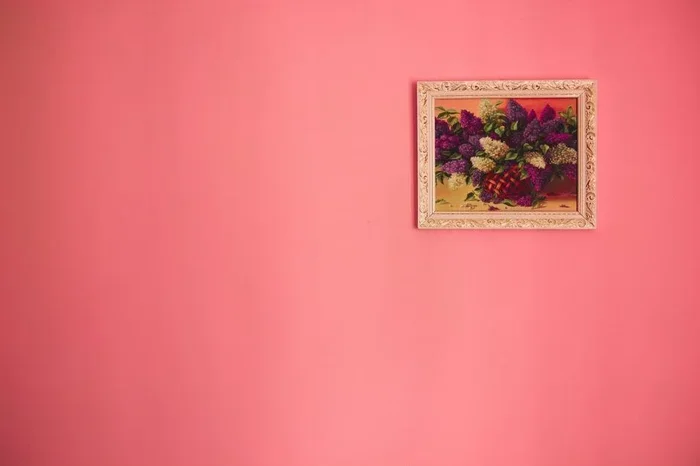
The frame matters just as much as the art inside it. Ornate gold frames add a touch of luxury and sophistication. They elevate even a simple print into something that feels gallery-worthy.
Gilded frames work especially well in rooms with warm tones. They complement wood furniture, brass accents, and rich fabrics. Together, they create a cohesive look that feels intentional and refined.
Vintage Prints and Antique Posters
Vintage prints offer a more affordable way to achieve a traditional look. Look for old botanical illustrations, vintage travel posters, or antique advertisements. These pieces add character and a sense of nostalgia to your walls.
You can find these at thrift stores, estate sales, and online vintage shops. The beauty of vintage prints is that each one is unique. No two rooms will ever look exactly the same.
Decorative Plates and Ceramic Art
This might surprise you, but decorative plates are a wonderful form of traditional wall art. Hand-painted ceramic plates with floral or pastoral designs add a charming, cottage-like feel to any room.
Arrange a collection of plates in a grid pattern for a clean, organized look. Or hang them in a cluster for a more eclectic vibe. Either way, they add texture and visual interest that flat prints simply cannot match.
Traditional Sculptural Wall Pieces
Three-dimensional art adds depth to your walls. Traditional sculptural pieces like carved wooden panels, bas-relief designs, or metal wall sculptures bring a tactile element to your decor.
These pieces work best in rooms with high ceilings. They draw the eye upward and create a sense of grandeur. Consider placing them above a console table or sideboard for maximum impact.
How to Choose the Right Traditional Wall Art
Choosing art can feel overwhelming with so many options. But a few simple guidelines can make the process much easier. Here is how to pick the perfect traditional wall art for your living room.
Consider Your Room’s Color Palette
Your wall art should complement the colors already in your room. Look at your furniture, curtains, rugs, and cushions. What tones dominate? Choose art that either matches or adds a complementary contrast.
For warm, earthy rooms, look for art with rich browns, deep greens, and warm golds. For cooler spaces, consider pieces with blues, silvers, and soft grays. Color harmony creates a polished, put-together look.
Match the Scale to Your Wall Space
A tiny print lost on a large wall looks lost and lonely. A massive painting on a small wall feels overwhelming. Choose art that fits the scale of your wall space.
As a general rule, the art should take up about two-thirds to three-quarters of the furniture it sits above. This creates visual balance and makes the piece feel like it belongs in the space.
Think About Your Personal Style
Do not choose art just because it is popular. Choose pieces that resonate with you. What do you love to look at? What makes you feel calm, inspired, or joyful?
Your living room should feel like you. If you love nature, choose landscapes and botanical prints. If you adore history, look for classical reproductions or antique maps. Personal connection is what makes a house feel like a home.
Quality Over Quantity
It is better to have one stunning piece than five mediocre ones. Invest in quality art that you truly love. A single well-chosen traditional painting can do more for a room than an entire gallery wall of random prints.
Take your time. Visit galleries, browse online collections, and explore local markets. When you find the right piece, you will just know it.
Placement Tips for Traditional Wall Art
Where you hang your art matters just as much as which art you choose. Poor placement can diminish even the most beautiful piece. Great placement elevates the entire room.
The Golden Rule: Eye Level
The center of your artwork should hang at eye level. For most people, this is about 57 to 60 inches from the floor. This is the standard used by galleries and museums for a reason. It works.
Avoid hanging art too high. Many people make the mistake of placing pieces too far up on the wall. This makes the room feel disconnected and the art feel unreachable.
Above Furniture Pieces
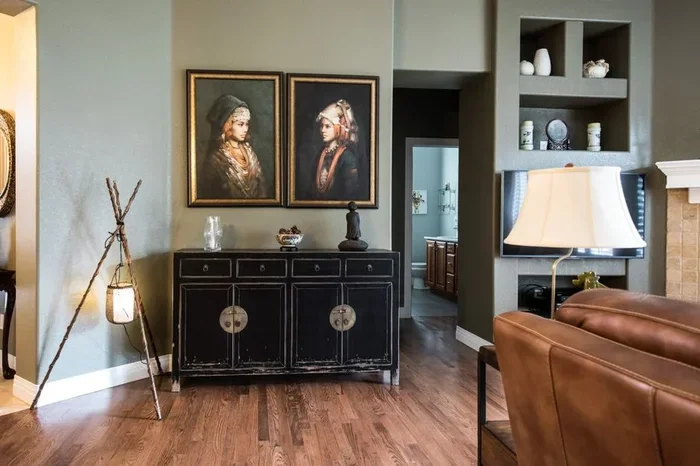
Placing traditional wall art above furniture creates a natural visual anchor. A painting above a sofa, a mirror above a console table, or a collection above a bookshelf all work beautifully.
Leave about 6 to 10 inches between the top of the furniture and the bottom of the art. This gap keeps the pieces feeling connected but not cramped. Think of the furniture and art as a single arrangement.
Creating a Gallery Wall
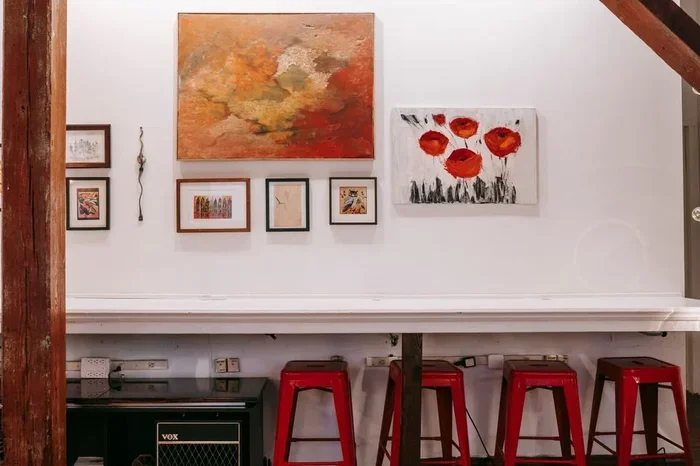
Gallery walls are a fantastic way to display multiple pieces. Mix different sizes of traditional art in complementary frames for an eclectic yet cohesive look.
Start by laying everything out on the floor first. Arrange and rearrange until you find a layout you love. Then transfer it to the wall. This saves time and prevents unnecessary holes in your walls.
Using Accent Pieces to Complement Art
Accent pieces like decorative mirrors, wall sconces, or small shelves can enhance your traditional wall art. A mirror placed beside a painting reflects light and makes the art feel more dynamic.
You can also use accent pieces to create visual balance. If your art leans heavy on one side of the room, place a complementary piece on the opposite wall. This creates symmetry and harmony.
Common Mistakes to Avoid with Traditional Wall Art
Even the best art can look wrong if it is not handled properly. Here are common mistakes that homeowners make when styling traditional wall art.
Hanging Art Too High
We mentioned this above because it is so common. Many people hang art at ceiling height rather than eye level. This makes the room feel taller but disconnected. Keep your art at a natural viewing height for the best results.
Ignoring the Room’s Lighting
Lighting can make or break your wall art. A beautiful painting in dim light looks dull and forgotten. Add picture lights, floor lamps, or track lighting to highlight your pieces.
Natural light is also wonderful for traditional art. Place pieces near windows where they can catch soft, natural illumination. Just be careful to avoid direct sunlight, which can fade colors over time.
Choosing the Wrong Frame Style
Frames should complement both the art and the room. A modern minimalist frame on a classical oil painting creates a jarring mismatch. Similarly, an overly ornate frame on a simple print can feel heavy and dated.
Choose frames that enhance the art without competing with it. When in doubt, simple and elegant almost always wins.
Cluttering the Walls
More is not always better. Too many pieces on the walls create visual noise and chaos. Leave some breathing room. Let your favorite traditional art stand out by giving it space to shine.
Less clutter also makes a room feel larger and more peaceful. Embrace negative space as a design element in itself.
Budget-Friendly Ways to Find Traditional Wall Art
You do not need a huge budget to decorate with traditional wall art. Some of the most beautiful pieces are surprisingly affordable.
Thrift Stores and Estate Sales
Thrift stores are goldmines for traditional art. You can find vintage frames, old prints, and even original paintings for a fraction of gallery prices. The key is to visit often and keep an open mind.
Estate sales are another excellent source. Families often sell entire art collections at very reasonable prices. You might discover a hidden gem that becomes the centerpiece of your living room.
DIY and Upcycling Projects
If you enjoy crafting, consider creating your own traditional wall art. Repaint old frames, create botanical prints, or try your hand at simple oil painting. DIY art adds a personal touch that store-bought pieces cannot replicate.
Upcycling is also trendy and eco-friendly. Turn an old window frame into a shadow box for small prints. Transform a vintage scarf into a framed textile art piece. The possibilities are endless.
Online Marketplaces and Local Artists
Online platforms like Etsy and eBay offer a wide selection of traditional art at various price points. You can find everything from affordable prints to original hand-painted pieces.
Supporting local artists is another wonderful option. Visit art fairs, local galleries, or community markets. You will find unique traditional pieces while helping artists in your community thrive.
Expert Insights: Making Traditional Art Work in Modern Spaces
Many people worry that traditional art will look out of place in a modern home. But design experts agree that mixing traditional and modern elements creates some of the most compelling interiors.
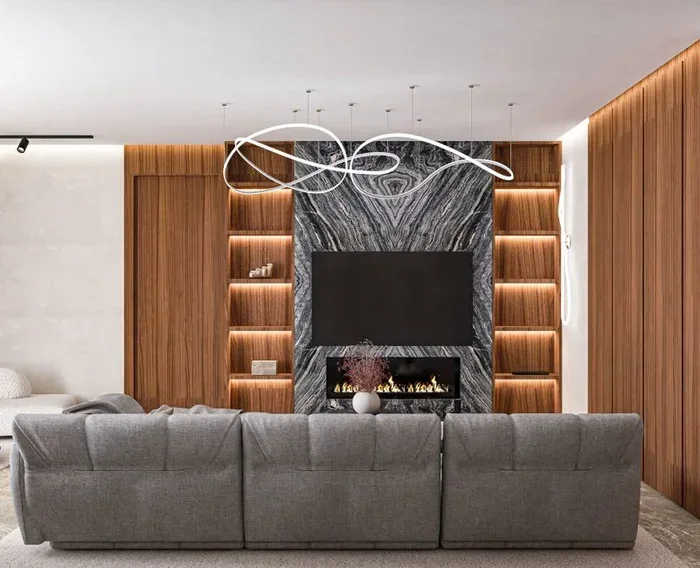
The key is balance. Pair a classic oil painting with a sleek, minimalist sofa. Hang an ornate mirror next to clean-lined furniture. The contrast creates visual interest and keeps the room feeling fresh and current.
Interior designers also recommend using traditional art to soften modern spaces. Modern rooms can sometimes feel cold or sterile. A warm, traditional painting adds instant coziness and character. It bridges the gap between old and new beautifully.
Another expert tip is to use traditional art as a grounding element. When a room has many modern and eclectic pieces, a traditional artwork provides a sense of stability and permanence. It anchors the space and gives the eye a place to rest.
Final Thoughts
Traditional wall art for living room spaces is more than just decoration. It is a way to express who you are and create a home that feels warm, welcoming, and deeply personal. Whether you choose a single masterpiece or curate a gallery wall, the right art transforms a room from ordinary to extraordinary.
Take your time choosing pieces. Trust your instincts. Hang your art with care and intention. The result will be a living room that not only looks beautiful but feels like home.
Start small if you need to. One beautiful piece of traditional wall art can spark a whole new vision for your space. Let it inspire you to keep building a home that reflects your style and your story.
Frequently Asked Questions
What types of traditional wall art work best in small living rooms?
In small living rooms, choose a single statement piece or a small gallery wall. A vintage mirror or a modest oil painting adds charm without overwhelming the space. You can also use accent pieces for living room like decorative plates to add visual interest without cluttering the walls.
How do I know if traditional wall art fits my existing decor?
Look at the dominant colors and materials in your room. If your furniture has warm wood tones and soft fabrics, traditional art with gold frames and classic subjects will blend naturally. Trust your color instincts and choose pieces that make you feel at home.
Can I mix traditional wall art with modern furniture?
Absolutely! Mixing traditional and modern creates a layered, sophisticated look. Try pairing a classical painting with a sleek modern sofa. This contrast adds depth and interest to your living room while keeping the space feeling fresh and current.
What is the best way to clean and maintain traditional wall art?
Dust your art regularly with a soft, dry cloth. For framed pieces, gently clean the glass with a mild glass cleaner. Avoid direct sunlight on oil paintings and delicate prints. Proper care keeps your traditional wall art for living room looking beautiful for decades.
How many pieces of wall art should I hang in my living room?
There is no fixed rule. A single large piece above the sofa creates a strong focal point. A gallery wall of three to five smaller pieces adds visual richness. Choose based on your wall space and personal comfort. The art should feel balanced, not crowded.
Where can I find affordable traditional wall art?
Thrift stores, estate sales, and online marketplaces like Etsy are excellent sources. You can also check local art fairs and community galleries. For a personal touch, try creating your own pieces through DIY projects. Affordable options are everywhere if you know where to look.
=== CONCLUSION ===
Traditional wall art for living room spaces brings timeless beauty and personal warmth to any home. From classic oil paintings and ornate frames to vintage prints and decorative ceramics, the options are endless. The key is to choose pieces that reflect your personality, complement your room’s palette, and are placed with care and intention.
Remember that art is deeply personal. The best traditional wall art is the kind that makes you smile every time you see it. It tells your story and makes your space uniquely yours.
Start today. Explore your options, trust your taste, and let your walls tell the story of the home you love. Your living room deserves art that truly stands out, and now you have everything you need to make it happen.