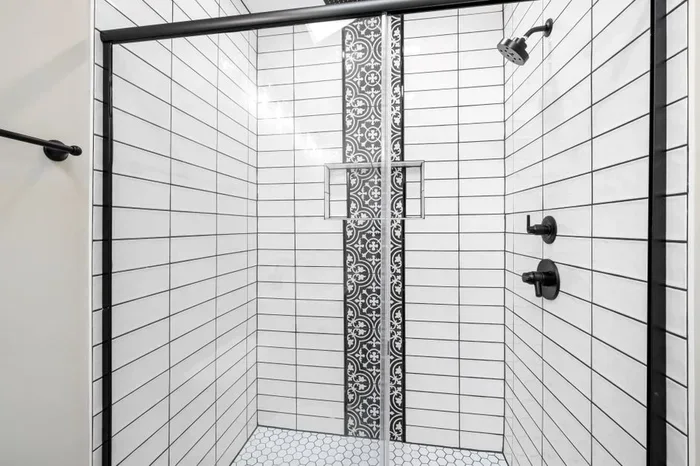
Tile Accent Wall Living Room Makeover Ideas You Need
A tile accent wall living room can completely change the look and feel of your space. Whether you prefer subway tiles, geometric patterns, or textured ceramic tiles, there is a design for every style. This guide covers the best accent wall ideas, installation tips, and living room makeover inspiration to help you create a statement wall that turns heads.
A tile accent wall living room is one of the easiest ways to breathe new life into your space. You do not need a huge budget or a full renovation to make a big impact. A single statement wall covered in beautiful tiles can become the focal point of your entire room.
If you have been searching for living room makeover ideas that feel fresh and exciting, a tile accent wall might be exactly what you need. It adds texture, color, and depth without overwhelming the space. Plus, it is a design choice that works with almost any decor style.
In this guide, we will walk you through everything you need to know. From choosing the right tile type to placement tips and design inspiration, you will find all the details here. Let us dive in and explore how a tile accent wall can completely transform your living room.
Key Takeaways
- Tile accent walls add instant personality: A well-chosen tile wall transforms any living room into a stylish, eye-catching space.
- Many tile styles work great: Subway, geometric, mosaic, and brick tiles all offer unique looks for your accent wall ideas.
- Color and placement matter: Choosing the right tile color ideas and wall placement ensures a balanced, beautiful result.
- Installation is easier than you think: With the right tools and prep, a DIY tile installation project is totally doable.
- Pair your tile wall with the right decor: Complementary accent pieces for living room and lighting make your wall shine.
📑 Table of Contents
Why a Tile Accent Wall Works So Well
A tile accent wall does more than just look pretty. It serves a real purpose in your living room design. Here are some reasons why this trend keeps growing in popularity.
It Creates a Focal Point
Every great room needs a focal point. That is the spot your eyes go to first when you walk in. A tile accent wall naturally draws attention. The texture, color, and pattern of the tiles make the wall stand out from the rest of the room.
You can place your accent wall behind a sofa, a fireplace, or even a media console. Whichever wall you choose, it will immediately become the star of the room. This is one of the simplest ways to upgrade your living room decor.
It Adds Texture and Depth
Plain drywall can feel flat and boring. Adding tiles introduces a whole new level of texture. Whether you choose smooth ceramic tiles or rough stone-look tiles, the surface detail adds visual interest.
Textured wall tiles can make a small room feel more dynamic. They catch light in different ways throughout the day, which keeps the room feeling alive. This is a big reason why tile design ideas continue to be a favorite among homeowners.
It Is Easy to Update
Unlike painting a wall or replacing furniture, a tile accent wall is relatively low-maintenance. You can swap out tiles, change grout color, or add new accent pieces for living room without a full remodel. This makes it a smart choice if you like to refresh your space often.
Best Tile Types for an Accent Wall
Not all tiles are the same. Different materials and styles give you very different looks. Here are the most popular options for a tile accent wall living room.
Subway Tile
Subway tile is a classic choice that never goes out of style. These rectangular tiles, usually 3×6 inches, create a clean and timeless look. You can lay them in a classic brick pattern or a herringbone layout for something more modern.
Subway tiles work beautifully in both traditional and contemporary spaces. They come in every color imaginable, from pure white to bold navy. For a fresh take, try adding a geometric tile pattern using subway-sized tiles.
Geometric and Hexagonal Tiles
If you want something more playful, geometric tiles are a fantastic option. Hexagonal tiles, in particular, have become very popular for accent walls. They create a honeycomb effect that adds a lot of character.
You can mix and match colors to create a real showstopper. A geometric tile pattern on one wall makes a strong design statement. Pair it with solid-colored furniture to let the wall do the talking.
Mosaic Tiles
Mosaic accent wall designs offer endless creative possibilities. These small tiles come in glass, stone, and ceramic varieties. You can create intricate patterns, floral designs, or abstract art with mosaic tiles.
Mosaic tiles are perfect for adding a pop of color. They work especially well in boho or eclectic living rooms. If you love the look of afro bohemian living room style, a mosaic tile wall could be your perfect match.
Brick and Stone-Look Tiles
For a rustic or industrial vibe, brick-look or stone-look tiles are a great pick. These tiles mimic the look of real brick or stone but are much easier to install and maintain. They add warmth and a cozy feel to any living room.
Brick tile accent walls pair wonderfully with wooden furniture and warm lighting. They give the room a grounded, earthy feel. This style fits right into industrial living room furniture aesthetics.
How to Choose the Right Tile for Your Space
Choosing tiles for your tile accent wall living room is more than just picking a color you like. There are a few important factors to consider.
Consider Your Room Size
In a small living room, light-colored tiles make the space feel larger. White, cream, and soft gray tile color ideas reflect light and open up the room. Dark tiles, on the other hand, work best in larger rooms where they add drama without making the space feel cramped.
If your room is narrow, consider running the tiles horizontally. This simple trick can make the wall appear wider. Vertical tile layouts work well in rooms with low ceilings because they draw the eye upward.
Match Your Existing Decor
Your accent wall should complement the rest of the room, not fight against it. Look at your furniture, flooring, and window treatments. Choose a tile color and material that ties everything together.
For example, if your room has warm wood tones, a ceramic wall tile in a warm terracotta or beige would blend beautifully. If your decor is cool and modern, a glossy white subway tile might be the better fit.
Think About Maintenance
Some tiles require more care than others. Glossy tiles show fingerprints and smudges more easily. Matte and textured tiles hide dirt better but can be harder to clean in the grout lines.
If you have kids or pets, consider durable porcelain tiles. They resist scratches and stains much better than softer materials. A tile finish options guide can help you decide what works best for your lifestyle.
Placement Ideas for Your Tile Accent Wall
Where you place your tile wall matters just as much as the tile you choose. Here are some popular placement ideas for a tile accent wall living room.
Behind the Sofa
This is the most common placement for an accent wall. The wall behind your sofa becomes the backdrop for your seating area. A bold tile design here sets the tone for the entire room.
Make sure the wall is wide enough to extend beyond the sofa on both sides. This creates a framed effect that looks intentional and polished. Add a shelf above the sofa to display decorative items for extra visual interest.
Behind a Fireplace or Mantel
If you have a fireplace, the surrounding wall is a natural place for tile. A tile accent wall around a fireplace adds warmth and texture to the room. You can use the same tile as the fireplace surround or mix it up for contrast.
This placement works especially well with brick-look or stone tiles. The combination of fire and stone creates a cozy, inviting atmosphere. It is one of the most timeless accent wall ideas you can try.
As a Room Divider
In open-concept spaces, a tile accent wall can act as a subtle room divider. It defines the living area without blocking light or sightlines. Open shelves on either side of the tile wall add functionality and style.
If you use this approach, consider styling the shelves with plants, books, and accent pieces for living room items. This creates a layered look that feels intentional and curated. For more shelf styling tips, check out our guide on how to style open shelves in your living room.
Design Inspiration for a Tile Accent Wall
Need some visual ideas to get started? Here are a few design directions that work beautifully for a tile accent wall living room.
Modern Minimalist
For a clean, modern look, use large-format tiles in a single neutral color. White or light gray subway tiles laid in a simple grid pattern create a sleek backdrop. Keep the rest of the room minimal with sleek furniture and aesthetic living room ideas.
Add a few statement light fixtures to highlight the tile texture. A single piece of wall art above the tile wall keeps the look refined. This style works great in apartments and modern homes alike.
Boho and Eclectic
Mix different tile shapes, colors, and patterns for a boho-inspired wall. Combine hexagonal tiles with Moroccan-style mosaic pieces. Layer in rattan furniture, woven rugs, and plants for a fully cohesive look.
This style celebrates individuality and creativity. There are no strict rules, so you can have fun with it. If you love this vibe, explore our collection of african decor for living room ideas for even more inspiration.
Traditional and Classic
A classic look calls for timeless materials and restrained patterns. Marble-look tiles or elegant ceramic tiles in soft tones create a refined atmosphere. Pair them with traditional furniture and warm wood accents.
This style never feels outdated because it relies on enduring design principles. A tile accent wall in a traditional palette adds sophistication without feeling stuffy. It is a choice that ages beautifully.
Tips for Installing a Tile Accent Wall
Installing a tile accent wall might sound intimidating, but it is more manageable than most people think. Here are some practical tips to help you get great results.
Prep the Wall Properly
Before you start tiling, make sure the wall surface is clean, dry, and smooth. Remove any old wallpaper or loose paint. If the wall is uneven, apply a thin layer of joint compound and sand it smooth once dry.
A well-prepped wall ensures your tiles stick properly and look even. Take your time with this step. It makes a big difference in the final result.
Plan Your Layout First
Dry-lay your tiles on the floor before mounting them on the wall. This lets you experiment with different patterns and see how the colors work together. Adjust the layout until you are happy with the design.
Start tiling from the center of the wall and work outward. This approach keeps the pattern balanced on both sides. Use a level and spacers to keep your rows straight and even.
Use the Right Tools and Materials
You will need a tile cutter, trowel, spacers, level, and grout float. Do not skip the primer or adhesive either. Using the right products ensures your tiles stay in place for years.
If you are new to tiling, start with a small section to build your confidence. Once you get the hang of it, the rest of the wall goes quickly. For more home improvement tips, visit our aesthetic living room decor section for additional inspiration.
Common Mistakes to Avoid
Even with the best intentions, mistakes can happen. Here are a few common pitfalls to watch out for when creating your tile accent wall living room.
- Choosing the wrong tile size: Oversized tiles can overwhelm a small wall. Undersized tiles may look busy on a large wall. Measure your space before you buy.
- Ignoring grout color: Grout is a design element, not just a filler. A contrasting grout can make your tile pattern pop, while matching grout creates a seamless look.
- Skipping sealant: Especially with natural stone or porous tiles, a sealant protects against stains and moisture. Apply it after grouting for the best results.
- Forgetting about lighting: A tile wall can look completely different under warm versus cool lighting. Test your lighting setup before you finalize the design.
- Overcomplicating the design: Sometimes less is more. A simple tile pattern with great color can be more impactful than a complex design that feels cluttered.
Final Thoughts
A tile accent wall living room is one of the most rewarding home improvement projects you can take on. It transforms your space, adds value, and gives you a sense of pride every time you walk into the room. Whether you choose subway tiles, geometric patterns, or a bold mosaic accent wall, the result will be a room that feels uniquely yours.
Start with a clear plan, choose tiles you love, and do not be afraid to experiment. Your living room deserves a makeover that reflects your personal style. With the right tile accent wall, you will create a space that is both beautiful and timeless.
Ready to start your project? Gather your inspiration, pick out your tiles, and take the first step toward a stunning living room transformation. You will be glad you did.
Frequently Asked Questions
What is the best tile for a living room accent wall?
Subway tiles, geometric tiles, and mosaic tiles are all excellent choices for a tile accent wall living room. The best tile depends on your style, room size, and budget. Subway tiles offer a clean classic look, while mosaic tiles add more color and pattern.
How much does it cost to install a tile accent wall?
Costs vary based on tile type and wall size. A DIY tile installation can cost as little as $100 to $300 for materials. Hiring a professional may double the cost. On average, expect to spend between $200 and $800 for a standard living room accent wall.
Can I install a tile accent wall myself?
Yes, many homeowners successfully install tile accent walls as a DIY project. You will need basic tools like a trowel, tile cutter, and level. If you have never tiled before, practice on a small section first to build your confidence.
How do I clean and maintain a tile accent wall?
Wipe your tile wall with a damp cloth and mild soap every few weeks. For textured tiles, use a soft brush to clean grout lines. Apply a sealant annually if your tiles are porous to protect against stains and moisture.
What color tile is best for a small living room?
Light-colored tiles like white, cream, or soft gray work best in small spaces. They reflect light and make the room feel open and airy. Avoid dark or busy patterns on small walls, as they can make the space feel cramped.
How do I pair furniture with a tile accent wall?
Keep the furniture simple and let the tile wall be the focal point. Neutral-colored sofas and solid wood furniture complement most tile designs. Add accent pieces for living room like cushions, rugs, and wall art to tie the look together without competing with the tile.