Small Living Room Floor Tiles Design Inspiration Guide
Small living room floor tiles design can completely transform a compact space into a stylish and inviting area. The right tile choice makes rooms look larger, adds texture, and boosts your home’s overall feel. This guide covers the best patterns, colors, materials, and layout tips for small living room floors.
Key Takeaways
- Light-colored tiles make small rooms feel bigger: Pale tones reflect light and open up tight spaces naturally.
- Herringbone and chevron patterns add depth: These layouts create movement and make floors look more spacious than they are.
- Large tiles with thin grout lines reduce visual clutter: Fewer seams mean a cleaner, more open feel in compact rooms.
- Mixing tile sizes creates visual interest: Combining formats adds personality without overwhelming a small area.
- Proper planning and measurement matter: Mapping out your layout before buying saves time, money, and wasted materials.
- Budget-friendly options exist for every style: Vinyl, porcelain, and ceramic tiles offer great looks at affordable prices.
📑 Table of Contents
- Small Living Room Floor Tiles Design: The Complete Inspiration Guide
- Why Floor Tiles Matter in Small Living Rooms
- Best Tile Patterns for Small Living Rooms
- Choosing the Right Tile Material
- Layout and Installation Tips for Small Rooms
- Styling Your Small Living Room with Tiles
- Common Mistakes to Avoid
- Quick Tips for a Stunning Small Living Room Floor
- Conclusion
Small Living Room Floor Tiles Design: The Complete Inspiration Guide
Your small living room floor tiles design sets the tone for the entire space. The floor is the largest visual surface in any room, so getting it right matters a lot. Whether you love sleek modern looks or cozy traditional vibes, the right tiles can make a tiny room feel open and welcoming.
Many people underestimate how much impact floor tiles have on a small living room. The wrong choice can make a space feel cramped and dark. The right choice, though, creates the illusion of more space and adds real style. This guide walks you through everything you need to know, from picking the best materials to choosing patterns that work in tight areas.
You will learn about color tricks, layout patterns, material options, and practical tips that real homeowners use. By the end, you will feel confident picking tiles that match your taste and your room size. Let us dive in and explore the world of small living room floor tiles design together.
Why Floor Tiles Matter in Small Living Rooms
Tiles do more than just cover your floor. They shape how a room feels, how light moves through it, and how big or small it appears. In a small living room, every design choice carries extra weight. The floor is the first thing people notice when they walk in.
Light-colored tiles bounce natural light around the room. This makes walls and ceilings feel farther away. Dark tiles absorb light and can shrink a space fast. So choosing the right floor tile colors is one of the most important decisions you will make.
The Psychology of Floor Color in Small Spaces
Colors affect how we perceive room size. Cool tones like soft whites, light grays, and pale blues recede visually. They make walls seem to pull back. Warm tones like beige and cream feel cozy but can close in a room if overdone.
Here are some quick color tips for small living rooms:
- White and off-white tiles reflect the most light and open up tight spaces.
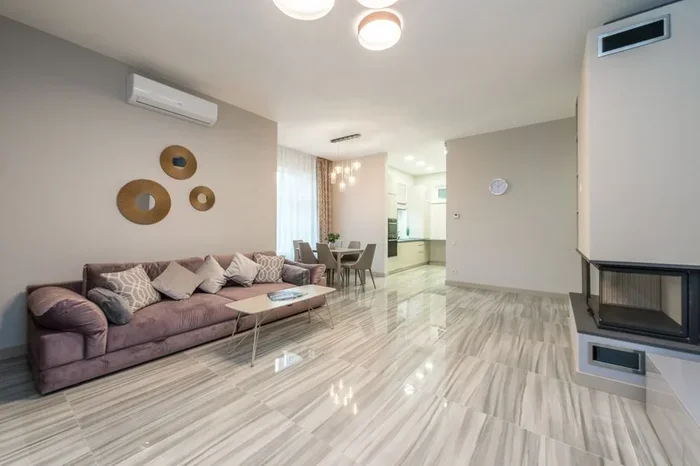
- Light gray tiles add a modern feel without shrinking the room.
- Pale wood-look tiles bring warmth while keeping things bright.
- Soft blue or green tiles add a calming touch and work well with natural light.
Avoid very dark tiles unless you have plenty of windows and artificial lighting. Even then, use them sparingly or as an accent border rather than across the whole floor.
Best Tile Patterns for Small Living Rooms
The pattern you choose affects how the eye moves across your floor. Some patterns make rooms feel larger. Others add texture and personality without taking up visual space. Let us look at the best options for small living room floor tiles design.
Herringbone Pattern
The herringbone pattern is a top choice for small rooms. It creates a sense of movement and draws the eye along the length of the room. This makes walls feel farther apart. Rectangular tiles laid at 45-degree angles form a zigzag pattern that looks elegant and works on any budget.
Herringbone tiles come in many sizes. Smaller tiles create more lines, which adds visual interest. Larger tiles keep things cleaner and simpler. Either way, this pattern is a proven winner for tight spaces.
Chevron Pattern
Chevron looks similar to herringbone but with a key difference. The tiles meet at a sharp point rather than a straight edge. This gives a more polished, intentional look. Chevron patterns guide the eye in one direction, which helps stretch the perceived length of a small room.
If you want a geometric tile design that feels sophisticated, chevron is a great pick. It works well with both classic and modern furniture styles.
Straight Lay (Grid Pattern)
The straight lay pattern is the simplest and most common. Tiles are placed in straight rows and columns. This creates a clean, orderly look that never feels busy. For small rooms, a straight lay with large tiles and thin grout lines keeps the floor looking smooth and uncluttered.
This pattern also costs less in labor because it is the fastest to install. If you are on a budget, straight lay is a smart starting point for your tile flooring ideas.
Staggered Brick Pattern
The staggered brick pattern offsets each row by half a tile. It adds subtle texture without the complexity of herringbone. This pattern works well with square and rectangular tiles alike. It gives a casual, friendly feel that suits relaxed living spaces.
Mixed-Size Tile Layouts
Mixing tile sizes can add real character to a small room. For example, you can use larger tiles in the center and smaller tiles as a border. This creates a frame effect that draws attention to the middle of the room. It also makes the floor feel more intentional and designed.
Just be careful not to overdo it. Too many different sizes can create visual noise. Stick to two or three tile sizes at most for the best results in a compact space.
Choosing the Right Tile Material
The material you pick affects durability, maintenance, cost, and look. Each option has pros and cons. Let us compare the most popular choices for small living room floor tiles design.
| Material | Best For | Durability | Cost | Style |
|---|---|---|---|---|
| Ceramic | Budget-friendly projects | Good | Low | Versatile |
| Porcelain | High-traffic areas | Excellent | Medium | Modern and classic |
| Vinyl (LVT) | Water-resistant needs | Very Good | Low to Medium | Realistic wood/stone looks |
| Natural Stone | Luxury finishes | Excellent | High | Elegant and organic |
| Mosaic | Accent details | Good | Medium | Artistic and colorful |
Ceramic Tiles
Ceramic tiles are the go-to choice for many homeowners. They are affordable, easy to find, and come in countless styles. A ceramic tile can mimic the look of stone, wood, or concrete without the high price tag. For a small living room floor tiles design on a budget, ceramic is hard to beat.
Ceramic works well in dry areas. If your living room gets heavy foot traffic, choose porcelain instead, which is denser and more water-resistant.
Porcelain Tiles
Porcelain tiles are fired at higher temperatures, making them denser and stronger than ceramic. They resist moisture, stains, and wear better. This makes them ideal for living room tile ideas that need to last for years.
Porcelain also comes in larger formats. Big tiles with thin grout lines make a small room look more open. You can find porcelain tiles that look just like natural stone or hardwood, giving you the style you want without the upkeep.
Vinyl and LVT Tiles
Luxury vinyl tiles (LVT) have become hugely popular in recent years. They are waterproof, soft underfoot, and easy to install. Many LVT products feature realistic wood or stone textures. If you want the look of real materials at a fraction of the cost, vinyl is worth considering.
Vinyl tiles are also great for renters because they can be installed as a floating floor. No glue or grout is needed in many cases. This makes them a flexible option for anyone who wants to update their floor tiles for small spaces without a permanent commitment.
Natural Stone and Mosaic Tiles
Natural stone tiles like marble, travertine, and slate bring a luxurious feel to any room. They are durable and unique, with natural variations that no two tiles share exactly. The downside is that stone requires sealing and more careful maintenance.
Mosaic tiles are perfect for adding a pop of personality. Use them as an accent strip or a small rug area in your living room. A mosaic accent adds color and texture without overwhelming the space. Pair mosaic tiles with a neutral main floor for the best balance.
Layout and Installation Tips for Small Rooms
How you lay your tiles matters just as much as which tiles you pick. A smart layout can make a small room feel twice as big. Here are practical tips to get the best results from your small living room floor tiles design.
Start With a Layout Plan
Before you buy a single tile, measure your room carefully. Sketch the floor plan on paper or use a free online room planner. Mark where doors, closets, and vents are located. This helps you figure out the best tile direction and avoid awkward cuts.
Always start laying tiles from the center of the room. Work outward toward the walls. This keeps cut tiles hidden along the edges where they look neater. A centered layout also prevents narrow slivers of tile on one side, which can make a room feel unbalanced.
Direction Matters
The direction you lay your tiles changes how a room feels. Running tiles parallel to the longest wall makes the room look longer. Diagonal layouts add drama and make the floor feel more dynamic. Both approaches work well in small spaces.
If your living room has a focal point like a fireplace or a large window, consider laying tiles to draw the eye toward it. This creates a natural flow that makes the room feel intentional and well-designed.
Grout Line Width
Thin grout lines create a seamless look that makes floors appear larger. Wide grout lines break up the floor visually and can make a small room feel busy. For the cleanest result in compact spaces, use grout lines that are 1/16 inch to 1/8 inch wide.
Choose a grout color that closely matches your tile color. When grout blends with the tile, the floor looks like one continuous surface. This is one of the simplest tricks to make a small room feel more open.
Tile Size Selection
Many people think small tiles are best for small rooms. But large tiles with fewer grout lines actually make a floor look smoother and more expansive. Tiles in the 12×12 inch or 12×24 inch range work beautifully for small living rooms.
If you love the look of smaller tiles, use them as an accent or in a border rather than across the entire floor. This gives you the detail you want without the visual clutter.
Styling Your Small Living Room with Tiles
Once you have your tiles installed, the next step is styling the room around them. Your tile choice sets the foundation, and the rest of the room should build on that base. Here are some practical tips to tie everything together.
Coordinate with Furniture
Your furniture should complement your floor tiles, not compete with them. If you have bold patterned tiles, keep furniture colors neutral. If your tiles are plain, you can add personality through colorful cushions, rugs, and throws.
When arranging your small living room, keep pathways clear. Leave enough space between furniture pieces for easy movement. A well-arranged room makes the floor tiles the star of the show. For more tips on furniture arrangement, check out our guide on how to arrange furniture in a small living room.
Use Rugs Strategically
A well-placed rug can anchor your seating area and add warmth to tile floors. Choose a rug size that fits within your furniture arrangement. The front legs of your sofa and chairs should rest on the rug for a cohesive look.
Rugs also help define different zones in an open-concept space. In a small living room, this zoning effect makes the space feel more organized and intentional.
Add Storage Without Clutter
A clean floor makes tiles look their best. Use smart storage solutions to keep items off the floor. Shelves, cabinets, and storage ottomans all help reduce visual clutter. For inspiration on maximizing storage in a small living room, explore our Ikea living room storage ideas.
Lighting and Tile Interaction
Good lighting enhances your tile floor beautifully. Natural light shows off tile colors and textures in the best way. Add floor lamps or wall sconces to brighten corners where natural light does not reach. The right lighting makes your tiles look more vibrant and your room feel more spacious.
Common Mistakes to Avoid
Even with the best intentions, small mistakes can ruin a tile project in a compact room. Here are common pitfalls to watch out for when planning your small living room floor tiles design.
- Choosing dark tiles without enough light: Dark floors in dim rooms make spaces feel like caves. Always check how much natural light your room gets before committing to a dark color.
- Using too many tile patterns: Mixing too many patterns creates visual chaos. Stick to one main pattern and one accent if needed.
- Ignoring grout maintenance: Dark grout shows dirt quickly. Light grout stains easily. Pick a grout color that matches your lifestyle and cleaning habits.
- Skipping the layout dry-run: Always do a dry layout on the floor before grouting. This helps you spot problems early and saves materials.
- Forgetting about transition strips: If your living room connects to other rooms, plan how the tiles will transition. Clean transitions make the whole home feel more cohesive.
Quick Tips for a Stunning Small Living Room Floor
Here are some fast, actionable tips you can use right away:
- Pick light tiles for small, dark rooms. They reflect light and make spaces feel open.
- Use large tiles with thin grout lines. This creates a smooth, seamless look.
- Lay tiles diagonally for a bigger feel. Diagonal patterns add visual width.
- Add a border or accent strip. A contrasting tile border frames the room nicely.
- Keep grout color close to tile color. This makes the floor look like one continuous surface.
- Test samples in your actual room. Order a few sample tiles and place them on your floor. Check them in morning and evening light before committing.
For more design inspiration, you might enjoy our article on how to maximize seating in a small living room or explore ideas for arranging living room furniture in small spaces. These resources pair perfectly with a great tile floor to create a fully cohesive room.
Conclusion
Small living room floor tiles design is one of the most impactful upgrades you can make to your home. The right tiles, pattern, and material can turn even the tiniest living room into a stylish and comfortable space. From choosing light colors that open up the room to selecting patterns that add depth, every decision matters.
Remember to plan your layout carefully, pick materials that fit your lifestyle and budget, and style the rest of the room to complement your beautiful new floor. Whether you go with ceramic, porcelain, vinyl, or natural stone, the key is to keep things simple and cohesive. A well-designed tile floor ties the whole room together and gives you a foundation to build on for years to come.
Take your time, explore different options, and trust your instincts. Your small living room deserves a floor that looks great and feels amazing every single day. Start planning your small living room floor tiles design today and enjoy the transformation.
Frequently Asked Questions
What is the best tile size for a small living room floor?
Large tiles in the 12×12 inch or 12×24 inch range work best for small rooms. They create fewer grout lines, which makes the floor look smoother and more open. If you prefer smaller tiles, use them as an accent or border rather than covering the entire floor.
Are light or dark tiles better for small living rooms?
Light tiles are generally better for small living rooms because they reflect more light and make the space feel larger. White, off-white, and light gray tiles are popular choices. You can add dark tiles as an accent or border for contrast without closing in the room.
Can I use wood-look tiles in my small living room?
Absolutely. Wood-look tiles bring warmth and texture to a small space without the maintenance of real hardwood. Porcelain and vinyl LVT products offer incredibly realistic wood textures. They are durable, easy to clean, and work well with many decor styles.
How do I make my tile floor look bigger in a small room?
Use large tiles with thin grout lines and a light color palette. Lay tiles in a diagonal or herringbone pattern to create a sense of movement. Choose grout that matches your tile color for a seamless look. Keep the floor clear of clutter and add strategic lighting to enhance the effect.
What is the cheapest tile option for a small living room floor?
Ceramic tiles are the most affordable option and come in a wide range of styles. Vinyl LVT tiles are also budget-friendly and offer realistic looks at a lower price point. Both materials are durable and easy to maintain, making them great choices for homeowners on a budget.
Do I need professional help to install floor tiles in a small living room?
Not always. Small living rooms with simple layouts are very doable as a DIY project if you follow layout plans carefully. Large-format tiles and complex patterns may benefit from professional installation. Always do a dry layout first to check your fit and cut list before committing to adhesive and grout.