Rustic Sage Green Living Room Ideas and Inspiration
A rustic sage green living room blends earthy tones with natural textures to create a calm, inviting space. This guide covers everything from choosing the right sage green shade to selecting rustic furniture and decor pieces. You will learn how to style shelves, pair colors, and bring the outdoors inside with simple, actionable tips.
A rustic sage green living room has a way of making any home feel instantly calmer and more welcoming. The soft, muted green tone brings a touch of nature indoors, while the rustic elements add warmth and character. Whether you are redecorating from scratch or just refreshing your current space, this color palette offers endless possibilities.
The beauty of sage green lies in its flexibility. It works with modern, farmhouse, and eclectic styles alike. Pair it with natural wood, soft textiles, and earthy accents, and you have a living room that feels both stylish and deeply comfortable. This guide walks you through everything you need to create that look.
Key Takeaways
- Sage green is a versatile neutral that pairs beautifully with warm wood tones, ivory, and earthy accents for a rustic feel.
- Layering textures like linen, jute, and wood adds depth and warmth to a sage green living room.
- Natural light and greenery enhance the rustic sage aesthetic and make the space feel fresh and alive.
- Choosing the right furniture pieces—especially rustic or distressed wood—anchors the room’s theme.
- Accent pieces like woven baskets, botanical prints, and earth-toned pillows complete the look with minimal effort.
- Color pairing matters—ivory, cream, warm white, and soft gold complement sage green perfectly.
📑 Table of Contents
- Why a Rustic Sage Green Living Room Works So Well
- Choosing the Right Sage Green Shade for Your Living Room
- Rustic Furniture and Decor for a Sage Green Living Room
- How to Style Shelves and Surfaces in a Sage Green Room
- Color Pairings That Bring Out the Best in Sage Green
- Bringing the Outdoors In with Rustic Sage Decor
- Common Mistakes to Avoid When Designing a Rustic Sage Green Living Room
- Expert Tips for a Polished Rustic Sage Green Look
- Final Thoughts
Why a Rustic Sage Green Living Room Works So Well
Sage green is more than just a pretty color. It belongs to the green family of neutral tones, which means it goes with almost anything. When you add rustic elements to the mix, the room gains a grounded, organic feel that is hard to replicate with other palettes.
This combination taps into a growing trend of nature-inspired decor. People want their homes to feel like a retreat from the busy world outside. A sage green walls with rustic wooden furniture and plenty of natural textures creates exactly that kind of sanctuary.
The color also has a calming effect on the mind. Studies show that green tones can reduce stress and improve mood. So not only does a rustic sage green living room look beautiful, but it also makes you feel good every time you walk in.
The Psychology Behind Sage Green
Sage green sits somewhere between green and gray on the color wheel. This gives it a balanced, peaceful quality. Unlike bright greens, which can feel overwhelming, sage green whispers rather than shouts. It invites relaxation without demanding attention.
When you combine this with rustic textures, you create a layered look that feels earned and authentic. Think worn wood, chunky knit throws, and aged metal accents. Each piece tells a story, and together they build a room that feels personal and grounded.
Choosing the Right Sage Green Shade for Your Living Room
Not all sage greens are the same. The color can range from a pale, almost white green to a deeper, more muted forest tone. Choosing the right shade depends on your room size, lighting, and the other colors you plan to use.
Light Sage Green for Small Spaces
If your living room is on the smaller side, a light sage green is your best friend. It reflects light and makes the room feel open and airy. Think of it as a softer alternative to white or cream walls. It still adds color without closing the space in.
Look for shades with a hint of gray in them. This keeps the green from looking too yellow or too blue. A neutral green palette like this blends seamlessly with rustic wood tones and warm neutrals.
Deeper Sage Tones for Larger Rooms
Larger living rooms can handle a darker, richer sage green. This creates an intimate, cozy feel that is perfect for a rustic aesthetic. A deeper tone also adds drama and depth without making the room feel heavy.
You can use a dark sage green on a single accent wall and keep the other walls lighter. This gives you the best of both worlds. The bold wall becomes a focal point, while the lighter walls keep things balanced.
Rustic Furniture and Decor for a Sage Green Living Room
Furniture choices make or break a rustic theme. You want pieces that feel natural, aged, and grounded. Wood is the star here, but you can mix in other materials to add interest.
Wood Furniture as the Foundation
Rustic wood furniture sets the tone for the entire room. Look for pieces with visible grain, knots, and natural edges. Reclaimed wood or distressed finishes add character that new furniture simply cannot replicate.
A wooden coffee table with a live edge, a solid wood bookshelf, or a weathered wooden TV stand all work beautifully against sage green walls. The warm wood tones complement the cool green and create a harmonious balance.
When choosing furniture, think about function too. A how to choose furniture for a living room approach ensures you pick pieces that look good and serve your daily needs. Stick to a rustic or farmhouse style for the most cohesive look.
Textiles and Soft Furnishings
Textiles add warmth and comfort to any room, and they are especially important in a rustic sage green scheme. Look for materials like linen, cotton, burlap, and wool. These natural fabrics reinforce the organic feel of the room.
- Linen curtains in a cream or ivory tone filter light beautifully.
- Wool throw blankets in warm beige or soft gold add coziness.
- Cotton accent pillows in muted gold, cream, or deeper forest green tie the room together.
- A jute or sisal rug anchors the seating area with natural texture.
How to Style Shelves and Surfaces in a Sage Green Room
Open shelves and surfaces are the perfect place to bring your rustic sage green vision to life. They are like a canvas where you can layer in colors, textures, and personal touches.
Decorating Open Shelves with Rustic Flair
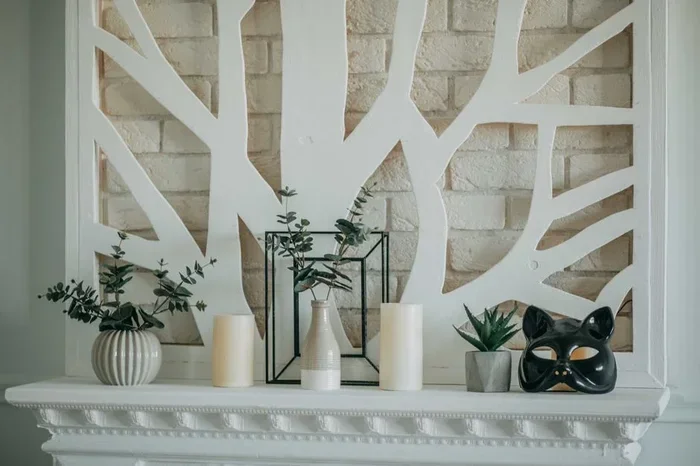
When styling open shelves in a sage green living room, think in layers. Start with a few books in earthy tones—browns, creams, and muted greens. Then add small plants, ceramic vases, and woven baskets. These elements reinforce the natural, grounded feel of the room.
A how to style open shelves living room approach works perfectly here. Keep the arrangement asymmetrical and avoid crowding. Leave some space on each shelf so the items breathe. This creates a curated look that feels intentional rather than cluttered.
Side Tables and Surface Styling
Side tables are small but mighty when it comes to room styling. A rustic wooden side table with a ceramic lamp, a small stack of books, and a trailing plant creates a lovely vignette. It also gives the room a lived-in feel that is central to the rustic aesthetic.
Follow a how to style a side table in living room routine: start with a base item like a lamp or a small tray, add a natural element like a plant or a candle, and finish with a personal touch like a framed photo or a small book. Keep the color palette consistent with the sage green theme.
Color Pairings That Bring Out the Best in Sage Green
Sage green is a chameleon. It looks stunning on its own, but it truly shines when paired with the right complementary colors. The key is to stick with warm, muted tones that echo the rustic vibe.
Sage Green and Ivory
Ivory and sage green are a match made in design heaven. The warm white of ivory softens the green and keeps the room feeling bright and fresh. This pairing works on everything from walls to furniture to textiles.
If you are exploring this combination, look at an ivory living room set for inspiration. An ivory sofa or armchair against sage green walls creates a soft, elegant contrast that feels both modern and timeless.
Sage Green with Warm Wood and Gold Accents
Warm wood tones like oak, walnut, and pine bring natural warmth to a sage green room. Gold or brass accents add a touch of elegance without breaking the rustic mood. Together, these elements create a layered, sophisticated look.
Use gold sparingly—a few picture frames, a mirror with a brass frame, or a set of candle holders. Too much gold can tip the room into a more formal style, and that is not the rustic vibe you are going for.
Bringing the Outdoors In with Rustic Sage Decor
The best rustic sage green living rooms feel connected to nature. You can achieve this by incorporating natural materials, botanical elements, and organic shapes throughout the space.
Plants as Living Decor
Plants are the ultimate rustic decor accessory. They bring life, color, and fresh energy into the room. Choose plants with soft, organic shapes like pothos, ferns, or trailing ivy. Place them on shelves, side tables, and windowsills.
Even if you do not have a green thumb, there are plenty of low-maintenance options. A few potted succulents or a single tall plant like a snake plant can make a big impact. The green of the plants also ties in beautifully with the sage green walls.
Botanical Prints and Natural Art
Artwork is an easy way to reinforce the theme. Botanical prints featuring leaves, ferns, or wildflowers complement a sage green palette perfectly. Look for pieces in natural frames made of wood or rattan.
For a budget-friendly option, you can create your own gallery wall using pressed flowers, leaf prints, or even simple line drawings of plants. This adds a personal touch that makes the room feel uniquely yours.
Accent Pieces That Complete the Look
Small details make the biggest difference. Woven baskets for storage, a ceramic vase with dried pampas grass, or a set of wooden coasters all add to the rustic charm. These pieces are easy to find at thrift stores, craft markets, or even around your own home.
Think about adding an accent chest for living room as a functional decor piece. A weathered wooden chest can serve as a coffee table, extra storage, or a display surface for books and plants. It fits the rustic sage theme perfectly and adds practical value to the room.
Common Mistakes to Avoid When Designing a Rustic Sage Green Living Room
Even with the best intentions, it is easy to make missteps. Here are a few common mistakes to watch out for:
- Using too much green at once. Let sage green be the dominant tone, and use other colors as accents. A room that is all green can feel monotonous rather than calming.
- Skipping texture. Rustic design relies heavily on texture. Without it, the room can feel flat. Always include at least three different textures in the space.
- Choosing the wrong wood tone. Cool-toned woods like ash or birch can clash with sage green. Stick to warm woods like oak, pine, or walnut for the best results.
- Overlooking lighting. Warm, soft lighting enhances the cozy rustic feel. Harsh overhead lights can make the room feel sterile and unwelcoming.
Expert Tips for a Polished Rustic Sage Green Look
Design professionals often share a few tricks that take a room from nice to stunning. Here are some expert insights to keep in mind:
- Stick to a three-color rule. Choose sage green as your base, ivory or cream as your secondary color, and warm wood or gold as your accent. This keeps the room cohesive.
- Mix old and new. A truly rustic room is not about buying everything new. Vintage finds, heirloom pieces, and thrifted treasures add soul and authenticity.
- Layer your lighting. Combine floor lamps, table lamps, and candles to create a warm, inviting glow that changes throughout the day.
- Add scent. Candles or essential oils with earthy scents like cedar, pine, or eucalyptus complete the sensory experience of a rustic sage green room.
For more ideas on creating a cohesive look, check out our guide on aesthetic living room ideas for additional inspiration.
Another great resource is our article on accent pieces for living room to find the perfect finishing touches for your space.
Final Thoughts
A rustic sage green living room is more than just a design trend. It is a way of creating a space that feels grounded, peaceful, and deeply personal. The combination of soft sage tones, natural wood, and organic textures builds a room that welcomes you every time you enter.
Start with the walls, add the right furniture, layer in textures, and finish with thoughtful accent pieces. You do not need a big budget or a designer to make it work. A little intention and a love for natural beauty is all you need.
Take your time, enjoy the process, and let the room evolve naturally. The best rustic spaces are the ones that feel like they grew over time, filled with things that tell your story. Your rustic sage green living room can be exactly that—a reflection of you, your taste, and your connection to the natural world.
Frequently Asked Questions
What colors go best with a rustic sage green living room?
Sage green pairs beautifully with ivory, cream, warm white, and soft gold. Warm wood tones like oak and pine also complement the palette. Stick to muted, earthy accents to keep the rustic feel intact.
Can I use sage green in a small living room?
Absolutely. Light sage green works especially well in small rooms because it reflects light and makes the space feel open. Pair it with white or ivory trim and keep furniture minimal for the best results.
What type of furniture works best for a rustic sage green theme?
Rustic wood furniture with visible grain and natural textures is ideal. Look for reclaimed wood, distressed finishes, or farmhouse-style pieces. Avoid sleek, modern designs that clash with the organic feel.
How do I add texture to a sage green living room?
Layer in natural fabrics like linen, burlap, wool, and cotton. Add a jute rug, woven baskets, chunky knit throws, and wooden accessories. Mixing at least three textures creates a rich, inviting look.
Are there plants that work especially well with sage green decor?
Yes. Plants with soft, organic shapes like pothos, ferns, trailing ivy, and succulents complement sage green perfectly. Their natural green also ties in beautifully with the wall color.
Where can I find affordable rustic decor pieces?
Thrift stores, craft markets, and online vintage shops are great sources. You can also look for affordable options at retailers that specialize in farmhouse and rustic styles. Even DIY projects like painted wooden accents can add charm on a budget.