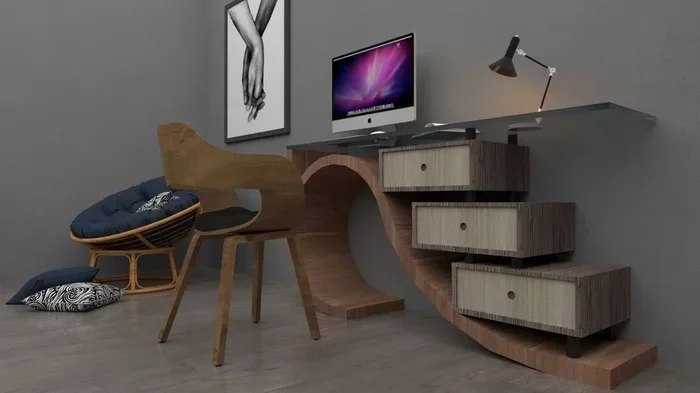
How to Choose the Perfect Office Desk in Living Room
Choosing the perfect office desk in living room starts with understanding your space, style, and work needs. This guide walks you through every decision, from desk types and sizes to materials and organization tips. You will learn how to create a functional and stylish workspace that fits seamlessly into your living area.
More people than ever are working from home. And for many of us, the living room has become the go-to spot for a daily workspace. A well-chosen office desk in living room setup can completely change how you work, relax, and move through your home. But with so many options out there, finding the right one feels overwhelming.
This guide breaks everything down in simple terms. You will learn about desk types, sizes, materials, styles, and smart organization tricks. By the end, you will feel confident picking a desk that looks great and works even better. Let us dive in.
Key Takeaways
- Measure your space first: Knowing your room dimensions prevents buying a desk that is too big or too small.
- Choose the right desk type: L-shaped, floating, and compact desks each offer unique benefits for living room setups.
- Match your desk style to your decor: A cohesive look makes your workspace feel like a natural part of the room.
- Prioritize ergonomics: A comfortable desk setup protects your posture and boosts productivity.
- Storage matters: Built-in shelves and drawers keep clutter hidden and your workspace organized.
- Consider cable management: A clean desk area looks better and reduces daily frustration.
- Set a budget before shopping: Great options exist at every price point when you know what to look for.
📑 Table of Contents
- Why an Office Desk in Living Room Makes Sense
- Types of Office Desks for Living Rooms
- How to Choose the Right Size and Style
- Best Materials for a Living Room Desk
- Desk Organization and Storage Solutions
- Ergonomics and Comfort for Your Living Room Desk
- Common Mistakes to Avoid When Setting Up a Living Room Desk
- Quick Tips for the Best Living Room Desk Setup
- Comparing Top Desk Types for Living Rooms
- Conclusion
Why an Office Desk in Living Room Makes Sense
Setting up a workspace in the living room is not just a trend. It is a practical choice for many households. The living room often has the most space, the best lighting, and the most comfortable seating. Plus, it keeps your work area close to family life, which can be a real plus.
The Benefits of a Living Room Workspace
There are several reasons people choose to work in the living room instead of a dedicated office. First, it keeps you connected to the rest of the household. You can keep an eye on kids or pets while staying productive. Second, living rooms usually have large windows, which means plenty of natural light. Natural light boosts mood and reduces eye strain during long work hours.
Third, using the living room for work avoids the need for a separate room. Not every home has a spare bedroom to dedicate as an office. A well-placed desk in the living room turns a shared space into a functional home office setup without sacrificing style.
Who Benefits Most from This Setup
Remote workers, freelancers, and students all benefit from a living room workspace. If you work from home full-time or part-time, having a desk in a common area keeps your routine flexible. Students doing online classes also find that a desk in the living room offers a quiet, focused environment away from bedroom distractions.
Even if you only work from home occasionally, a small office desk in the living room gives you a ready-to-use setup whenever you need it. No more working from the couch with a laptop on your lap!
Types of Office Desks for Living Rooms
Not all desks are the same. The right type depends on your room size, work habits, and personal style. Let us explore the most popular options for a desk for living room setup.
L-Shaped Desks
An L-shaped desk is a favorite for many home workers. It fits neatly into a corner and gives you a large surface area. You can use one side for your computer and the other for writing or paperwork. This shape also helps define a workspace zone within a larger living room.
L-shaped desks come in many sizes. Some are compact enough for small living rooms, while others are ideal for bigger spaces. If you need plenty of room to spread out, this is a strong choice.
Floating Wall-Mounted Desks
A floating desk mounts directly to the wall. It takes up zero floor space, which makes it perfect for small apartments or cozy living rooms. When you are not working, you can clear the area and free up floor space for other activities.
These desks give a clean, modern look. They also make the room feel open and airy. However, you will need sturdy wall anchors and enough wall space to make this work. A floating desk is a great option if you want a space saving desk that doubles as a stylish piece of furniture.
Compact and Small Desks
If your living room is on the smaller side, a compact desk is your best friend. These desks are designed to fit into tight spaces without sacrificing function. A compact desk can still hold your laptop, a lamp, and a few essentials.
Look for desks with a small footprint but smart storage. Some compact models include built-in shelves or drawers. This way, you get a functional workspace without cluttering the room.
Writing Desks and Traditional Styles
A classic writing desk offers a simple, clean design. It works well in living rooms with a traditional or rustic aesthetic. Writing desks are usually lightweight and easy to move around. They do not always come with storage, so you may need a nearby bookshelf or cabinet for supplies.
How to Choose the Right Size and Style
Size and style are two of the most important factors. A desk that is too large will overwhelm the room, while one that is too small will feel cramped. Getting the balance right is key.
Measuring Your Living Room Space
Before you buy anything, grab a tape measure. Measure the area where you plan to place the desk. Leave enough room to walk around it comfortably. A good rule of thumb is to keep at least 30 inches of clearance on each side of the desk.
Also, think about how the desk will affect traffic flow in the room. You do not want your workspace to block the path to the couch or the TV. A living room office should feel integrated, not disruptive.
Matching Your Desk to Your Room Decor
Your desk should look like it belongs in the room. If your living room has a modern vibe, go for a sleek, minimalist design. If the style is more warm and cozy, consider a wooden desk with soft edges.
Think about the color palette too. A desk in a matching or complementary color blends in beautifully. Bold colors or unique shapes can serve as a statement piece. Either way, the goal is a home office decor that feels intentional and put-together.
Choosing Between Modern and Traditional Designs
Modern desks often feature clean lines, metal frames, and neutral colors. They work well in contemporary living rooms. Traditional desks may include carved wood details, rich finishes, and ornate hardware. These fit best in classic or farmhouse-style interiors.
Do not be afraid to mix styles, either. A modern desk in a traditional room can create an interesting contrast. Just make sure the desk’s color and material tie in with the rest of the furniture.
Best Materials for a Living Room Desk
The material of your desk affects its durability, look, and feel. Different materials suit different lifestyles and budgets.
Wood Desks
Wood is a timeless choice for a desk in living room setup. It feels warm, natural, and sturdy. Solid wood desks last for years, even decades, with proper care. Engineered wood or MDF desks are more affordable and still offer a nice look.
Common wood types include oak, walnut, pine, and birch. Each has a unique grain pattern and color. Oak is strong and durable. Walnut has a rich, dark tone that adds elegance. Pine is lightweight and budget-friendly.
Metal and Glass Desks
Metal desks often pair with glass tops for a sleek, industrial look. They are lightweight and easy to clean. Glass desks make a room feel more spacious, which is great for smaller living rooms.
However, glass can show fingerprints and dust easily. Metal desks may also feel cold to the touch. If you prefer a warmer aesthetic, wood might be a better fit.
Laminate and Particleboard Options
Laminate desks are affordable and come in many finishes. They resist scratches and moisture well. Particleboard desks are the most budget-friendly option. They work well for temporary setups or if you plan to upgrade in a few years.
Keep in mind that laminate and particleboard desks may not last as long as solid wood or metal. They are a great starting point, especially if you are new to setting up a workspace at home.
Desk Organization and Storage Solutions
A cluttered desk makes any workspace feel chaotic. Good organization keeps your area tidy and your mind focused. The right storage solutions make a big difference in how functional your desk really is.
Built-In Storage Options
Many desks now come with built-in shelves, drawers, or cubbies. These keep essentials within arm’s reach and hide clutter from view. A desk with built-in storage is especially helpful in a shared living room where everything needs to look neat.
Look for desks with at least one drawer for pens, chargers, and other small items. Shelves above or beside the desk are perfect for books, folders, or decorative items.
Adding External Storage
If your desk does not have enough storage, you can add external pieces. A small bookshelf next to the desk works wonders. Rolling carts are another great option. They give you extra storage on wheels, so you can move them wherever you need them.
Desk organizers, trays, and bins also help keep the surface clear. A clean desk leads to a clear mind. This is one of the simplest ways to boost productivity in your living room workspace.
Cable Management Tips
One of the biggest challenges with a home desk is managing cables. A mess of cords looks unsightly and can be frustrating to deal with. Use cable clips or a cable tray to keep wires neat and tucked away.
Wireless devices, like a wireless keyboard and mouse, reduce the number of cables you need. A wireless charging pad on the desk surface is another simple upgrade. Keeping cables under control makes your workspace look polished and professional.
Ergonomics and Comfort for Your Living Room Desk
Comfort matters more than most people realize. A desk that is the wrong height or a chair that does not support you properly can lead to back pain, neck strain, and fatigue. Setting up an ergonomic desk area protects your health and helps you work more efficiently.
Desk Height and Chair Pairing
The ideal desk height is about 28 to 30 inches from the floor. This allows your forearms to rest parallel to the ground while typing. If your desk is too high or too low, you may experience wrist or shoulder discomfort over time.
Pair your desk with a supportive chair. An ergonomic office chair with adjustable height, lumbar support, and armrests is ideal. If you prefer a different look, look for chairs that offer ergonomic features but match your room’s style.
Monitor Placement and Lighting
Your monitor should sit at eye level, about 20 to 26 inches from your face. Use a monitor stand or a laptop riser if needed. Proper placement reduces neck strain and keeps you comfortable throughout the day.
Lighting is just as important. Position your desk near a window for natural light, but avoid placing the screen directly in front of it to reduce glare. A desk lamp with adjustable brightness helps during evening work sessions. Good lighting reduces eye fatigue and keeps your energy up.
Common Mistakes to Avoid When Setting Up a Living Room Desk
Even with the best intentions, people make mistakes when setting up a workspace in the living room. Avoiding these common pitfalls saves time, money, and frustration.
Choosing a Desk That Is Too Big
The most common mistake is picking a desk that overwhelms the room. Always measure your space before shopping. Leave room for walking, seating, and other furniture. A space saving desk often works better than a large traditional office desk.
Ignoring Storage Needs
It is easy to underestimate how much stuff you need to store. Papers, files, office supplies, and tech accessories add up fast. Choose a desk with enough storage or plan for additional storage solutions nearby.
Neglecting Style and Decor
A desk that clashes with the room’s style can make the whole space feel off. Take the time to find a desk that complements your existing furniture and decor. Your workspace should feel like a natural part of the home, not an afterthought.
Forgetting About Power Outlets
Where you place your desk matters when it comes to electrical outlets. A desk placed far from outlets means relying on extension cords, which creates clutter and safety hazards. Plan your desk placement near a wall outlet for easy access to power.
Quick Tips for the Best Living Room Desk Setup
- Start with a measurement: Always measure the available space before shopping.
- Pick a desk with purpose: Think about what you will do at the desk every day.
- Invest in a good chair: Your chair affects your comfort more than the desk itself.
- Add personal touches: A plant, a photo, or a small decor item makes the desk feel inviting.
- Keep it tidy: Spend five minutes at the end of each workday clearing your desk.
- Use a rug to define the area: A small rug under the desk visually separates the workspace from the rest of the room.
- Test before buying: Visit a store or check reviews to make sure the desk meets your expectations.
Comparing Top Desk Types for Living Rooms
| Desk Type | Best For | Space Needed | Storage | Style |
|---|---|---|---|---|
| L-Shaped Desk | Multitasking, large projects | Medium to large | Often includes shelves | Modern, functional |
| Floating Wall Desk | Small spaces, minimalists | Minimal floor space | Usually none | Clean, modern |
| Compact Desk | Small living rooms, occasional use | Small | Some models include drawers | Versatile |
| Writing Desk | Traditional decor, light work | Small to medium | Minimal | Classic, elegant |
| Standing Desk | Active work, health focus | Medium | Varies | Modern, sporty |
This comparison helps you see at a glance which desk type fits your needs. Consider your room size, work style, and aesthetic preferences when making your choice. The best office desk in living room is the one that meets your practical needs while looking great.
Conclusion
Choosing the perfect office desk in living room is all about balance. You need the right size, style, material, and storage to create a workspace that is both functional and beautiful. Measure your space, think about your daily work habits, and pick a desk that fits your lifestyle and your room’s decor.
Remember that a great workspace does not have to break the bank. Budget-friendly options exist at every desk type and material level. What matters most is that the desk supports your comfort, keeps you organized, and feels like a natural part of your home.
Take what you learned from this guide and start planning your living room workspace today. A thoughtful setup makes all the difference in how you work, relax, and enjoy your home. You deserve a desk that works as hard as you do.
Frequently Asked Questions
What is the best desk size for a living room?
The best desk size depends on your available space. For small living rooms, a compact desk around 40 to 48 inches wide works well. For larger rooms, an L-shaped desk or a standard 60-inch desk provides more surface area. Always measure the area first and leave at least 30 inches of clearance around the desk for comfortable movement.
How do I hide a home office desk in the living room?
You can hide a desk by placing it in a corner or against a wall that faces away from the main seating area. Use a folding desk or a floating wall-mounted desk that can be tucked away when not in use. A decorative room divider or a bookshelf between the desk and the sofa also helps create a visual separation without closing off the space entirely.
What material is best for a living room desk?
Wood is the most popular and versatile material for a living room desk. It feels warm, looks classic, and suits most decor styles. Metal and glass desks work well for modern or industrial aesthetics. Laminate desks are a budget-friendly option that still offers a clean, polished look. Choose based on your style, budget, and how much wear and tear the desk will face daily.
Can I use a dining table as an office desk in the living room?
Yes, a dining table can work as a work from home desk in a pinch. It offers a large, flat surface and fits naturally in many living spaces. However, dining tables are often too high for comfortable long-term work and lack built-in storage. If you go this route, consider adding a monitor riser, a supportive chair, and a small side cart for supplies.
How do I keep my living room desk area looking tidy?
Start by choosing a desk with built-in storage or adding nearby shelves and organizers. Use a desk tray for papers, a cable management system for cords, and small bins for supplies. At the end of each workday, spend five minutes clearing your desk surface. A consistent tidying routine keeps your living room workspace looking clean and inviting every single day.
Do I need a special chair for a living room desk?
You do not need a traditional office chair, but you should prioritize comfort and support. An ergonomic chair with adjustable height and lumbar support is ideal. If you prefer a more stylish look, many brands now offer ergonomic chairs in modern designs that blend seamlessly with living room furniture. The key is to avoid working from the couch or a dining chair for extended periods, as these do not support proper posture.