Mixing Leather Furniture in Your Living Room Like a Pro
Mixing leather furniture in your living room is easier than you think. With the right pairing and color choices, you can create a warm, inviting space that looks designer-level. This guide covers everything from choosing pieces to avoiding common mistakes. You will learn practical tips that make the process simple and fun.
Mixing leather furniture in your living room is one of the best ways to elevate your home’s look. Leather brings a timeless feel that works with almost any style. Whether you love modern minimalism or cozy traditional vibes, leather pieces fit right in.
But here is the thing many people get wrong. They think all leather in a room has to match perfectly. That is simply not true. In fact, mixing different leather types, colors, and textures often looks better than a full leather set. The key is knowing how to do it with confidence.
This guide will walk you through everything you need to know. From choosing the right pieces to pairing them with other materials, you will find practical tips you can use today. Let us dive in and make your living room look amazing.
Key Takeaways
- Leather pairs beautifully with fabric, wood, and metal accents: combining different materials adds depth and visual interest to any living room.
- Stick to a cohesive color palette: choosing 2-3 main tones keeps your mixed leather furniture looking intentional and polished.
- Vary leather finishes for contrast: mixing matte and glossy leather pieces creates a dynamic, layered look.
- Start with a statement leather piece: anchor your room with one bold leather item and build around it.
- Avoid over-matching: using too many identical leather pieces can make a room feel flat and boring.
- Proper care extends the life of mixed leather: regular conditioning and cleaning keeps all your leather pieces looking great.
- Scale matters: balance large leather furniture with smaller accent pieces for a well-proportioned room.
📑 Table of Contents
- Why Mixing Leather Furniture in Your Living Room Works So Well
- Choosing the Right Leather Pieces for Your Space
- Pairing Leather with Other Materials
- Color and Style Coordination Tips
- Common Mistakes to Avoid When Mixing Leather Furniture
- Maintaining and Caring for Mixed Leather Furniture
- Expert Insights on Mixing Leather Like a Designer
- Conclusion
Why Mixing Leather Furniture in Your Living Room Works So Well
Leather has a special quality that few materials can match. It looks sophisticated yet feels warm and welcoming. When you mix leather pieces together, you create a room that feels both curated and relaxed.
One of the biggest reasons this approach works is versatility. A leather sofa can sit next to a fabric armchair and still look cohesive. The natural texture of leather adds depth without competing with other materials. It acts as a bridge between different design elements.
Another reason is durability. Leather furniture lasts for years, often looking better with age. When you invest in quality leather pieces, you are building a living room that stands the test of time. This makes mixing and matching even more worthwhile.
Leather Creates a Focal Point
Every great living room needs a focal point. A leather sofa or a leather accent chair can pull the whole room together. When you mix in other materials, the leather piece naturally draws the eye. This gives your room a clear center of attention.
Think about it this way. A room full of matching fabric furniture can feel flat. But add a leather sofa to the mix, and suddenly there is visual interest. The contrast in texture and material makes the space feel more dynamic.
The Warmth Factor
Leather brings a warmth that cold materials like metal or glass cannot provide. When you combine leather with wood or soft textiles, the room feels inviting. This balance of warm and cool elements is what separates good design from great design.
Many interior designers recommend mixing leather with natural materials. Wood coffee tables, woven rugs, and linen curtains all pair well with leather. The result is a room that feels grounded and comfortable.
Choosing the Right Leather Pieces for Your Space
Not all leather furniture is the same. Before you start mixing, it helps to understand the different types available. This knowledge will make your decisions much easier.
Full-grain leather is the highest quality. It has a natural surface with minimal processing. This type ages beautifully and develops a unique patina over time. Top-grain leather is slightly sanded for a smoother look. Both are excellent choices for a living room.
Corrected-grain leather has a more uniform appearance. It is more affordable but still durable. Bonded leather is the most budget-friendly option but wears out faster. For mixing leather furniture in your living room, full-grain and top-grain options give the best results.
Deciding on Leather Finishes
Leather comes in different finishes, and this matters a lot when mixing pieces. Matte leather has a subtle, understated look. It works well in rustic or modern farmhouse settings. Glossy leather, on the other hand, adds a sleek, polished feel.
Suede is another option to consider. It has a soft, velvety texture that contrasts nicely with smooth leather. However, suede requires more care and protection. If you want a low-maintenance mix, stick with matte and glossy leather finishes.
Sizing Your Leather Pieces
Scale plays a big role in how your room looks. A large leather sofa needs smaller accent pieces around it. A leather loveseat works well in smaller rooms where a full sofa would feel cramped.
Measure your space before buying anything. Leave enough room for traffic flow. A good rule of thumb is to keep at least three feet between furniture pieces. This ensures your room feels open and comfortable.
Pairing Leather with Other Materials
The real magic happens when you mix leather with other materials. This combination adds layers and personality to your living room. Here are some of the best pairings to consider.
Leather and Fabric
Combining leather with fabric is one of the most popular approaches. A leather sofa paired with a soft fabric armchair creates a balanced look. The smooth leather contrasts with the texture of the fabric, making both pieces stand out.
Choose fabrics that complement your leather color. Linen, cotton, and velvet all work well. Avoid matching the fabric exactly to the leather. Instead, pick a shade that is either lighter or darker. This subtle difference creates a more interesting visual.
Leather and Wood
Wood and leather are a classic combination. A leather sofa with a wooden coffee table feels natural and grounded. This pairing works in almost every design style, from Scandinavian to mid-century modern.
Pay attention to the wood tone. Dark wood pairs well with dark leather. Light wood looks great with medium or warm-toned leather. The key is to keep the wood tones consistent throughout the room.
Leather and Metal
Metal accents add a modern edge when paired with leather. Brass, chrome, and matte black metal all complement leather furniture. Use metal in side tables, lamp bases, or picture frames.
Do not overdo the metal. A few well-placed metal pieces are enough. Too many shiny surfaces can make the room feel cold and disconnected from the warmth of leather.
Color and Style Coordination Tips
Color is where most people struggle when mixing leather furniture in their living room. But it does not have to be complicated. A few simple rules will guide you to a cohesive look.
Stick to a Color Palette
Choose two or three main colors for your room. Let one of them be the leather tone. Then pick complementary colors for your fabric and accent pieces. This keeps the room looking intentional rather than chaotic.
Neutral leather colors like brown, tan, and black are the easiest to work with. They go with almost any palette. If you want to add a pop of color, use throw pillows or artwork in a bold shade.
Create Contrast with Shades
Using different shades of the same color family adds depth. For example, pair a dark brown leather sofa with a tan leather accent chair. The contrast makes each piece distinct while staying harmonious.
You can also mix warm and cool tones. A warm brown leather piece next to a cool gray fabric chair creates an interesting tension. Just make sure there is something else in the room that ties the colors together, like a wooden side table or a neutral rug.
Match the Style, Not the Exact Look
Your leather pieces do not need to look identical. In fact, slight differences make the room more interesting. A traditional leather sofa can pair well with a modern leather lounge chair. The key is keeping the overall style consistent.
If your room leans mid-century modern, choose leather pieces with clean lines and tapered legs. If you prefer a more eclectic look, you can mix different leather styles more freely. Trust your instincts and choose pieces you genuinely love.
Quick Tip: Before buying any leather piece, hold it next to your existing furniture in natural light. This simple step helps you see if the colors and textures truly work together. It saves time, money, and regret later.
Using Accent Pieces to Tie Everything Together
Accent pieces are the secret weapon of a well-designed room. Throw pillows, blankets, and area rugs can connect different leather pieces. They add color, texture, and personality without overwhelming the space.
Choose accent pieces that reference both your leather tones and your other materials. A rug with hints of brown and gray bridges a leather sofa and a fabric chair. Pillows in complementary colors pull the whole look together.
Common Mistakes to Avoid When Mixing Leather Furniture
Even with the best intentions, mistakes can happen. Knowing what to avoid saves you from costly design errors. Here are the most common pitfalls people face.
Using Too Many Matching Leather Pieces
Buying a full leather furniture set might seem convenient, but it often looks generic. When every piece is the same leather, the room loses its character. Instead, choose one or two leather pieces and mix them with other materials.
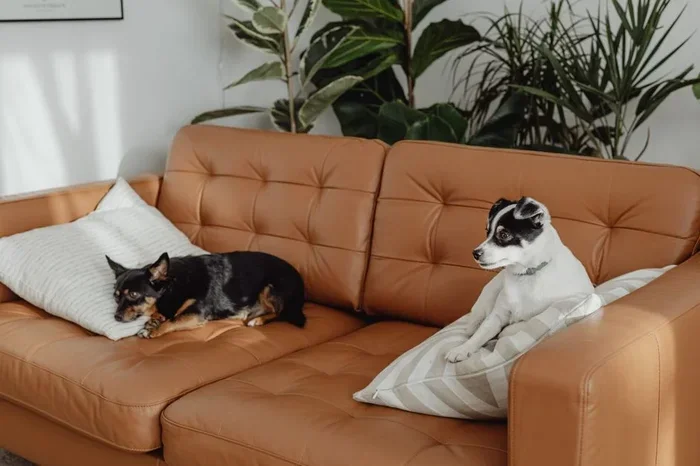
A leather sofa with a fabric armchair and a wooden coffee table creates a much more interesting space. The variety keeps the eye moving and gives the room personality.
Ignoring the Room’s Existing Style
Your leather pieces should complement your room’s overall style, not clash with it. A sleek, shiny leather sofa might feel out of place in a rustic cabin. A worn, distressed leather chair might look odd in a ultra-modern loft.
Consider your room’s architecture, flooring, and wall color before choosing leather furniture. Everything should work together as a unified whole.
Forgetting About Scale and Proportion
A tiny leather accent chair next to an oversized sofa creates an unbalanced look. Similarly, a massive leather sectional in a small room makes the space feel cramped. Always consider the size of each piece relative to the room and to other furniture.
Use a floor plan or tape measure to map out your space before shopping. This simple step prevents expensive mistakes and ensures a well-proportioned room.
Neglecting Leather Care
Different leather types require different care routines. Neglecting this can lead to cracking, fading, or uneven wear. Keep conditioning supplies on hand and clean your leather pieces regularly.
When you have mixed leather furniture, check the care instructions for each piece. Some leathers need specialized cleaners. Taking a few minutes each month to maintain your furniture pays off in the long run.
Maintaining and Caring for Mixed Leather Furniture
Once you have styled your perfect leather mix, keeping it looking great is essential. Proper care ensures your leather furniture ages gracefully and stays beautiful for years.
Daily and Weekly Care
Dust your leather pieces regularly with a soft, dry cloth. This prevents buildup that can dull the surface. Wipe up spills immediately with a slightly damp cloth. Leather is porous, so liquids can cause stains if left too long.
Avoid using harsh chemicals or household cleaners on leather. Stick to products specifically designed for leather care. A gentle leather cleaner and conditioner applied every few months keeps the material supple and hydrated.
Protecting from Sun Damage
Direct sunlight can fade and dry out leather over time. Position your leather furniture away from windows that receive harsh afternoon sun. Use curtains or blinds to filter the light when needed.
If you cannot move your leather pieces, consider UV-protective window film. This simple addition blocks harmful rays without dimming your room. Your leather will thank you for the extra protection.
Dealing with Scuffs and Wear
Leather naturally develops character with use. Small scuffs and marks can often be buffed out with a soft cloth. For deeper marks, use a leather repair kit designed for your specific leather type.
Remember that some wear adds to the beauty of leather. Many people love the way leather looks better with age. This natural patina is one of the reasons mixing leather furniture in your living room is such a great choice.
Expert Insights on Mixing Leather Like a Designer
Professional interior designers have some tricks up their sleeves when it comes to mixing leather. Here are a few insights that can take your living room to the next level.
Start with a statement piece and build around it. A beautiful leather sofa or a striking leather chair becomes the anchor of the room. Every other piece should support and complement that focal point. This approach creates a room that feels intentional and well-planned.
Do not be afraid of contrast. A glossy leather piece next to a matte fabric adds visual drama. Mixing warm and cool tones creates energy. The goal is not perfection but a room that tells a story and feels alive.
Layer your textures thoughtfully. Combine smooth leather with chunky knits, sleek metals, and rustic wood. The more varied the textures, the richer the room feels. Just keep your color palette consistent to maintain harmony.
Trust your personal taste above all else. Trends come and go, but your love for your space should last. Choose pieces that reflect who you are and how you want to feel in your living room. That confidence will shine through in every corner of the space.
Conclusion
Mixing leather furniture in your living room is a rewarding design choice that adds warmth, character, and lasting value to your home. By choosing the right pieces, pairing them with complementary materials, and staying mindful of color and scale, you can create a space that looks effortlessly stylish.
Remember to start simple. Pick one or two leather pieces you love and build from there. Avoid the common mistakes that trip up many homeowners. And take good care of your furniture so it continues to look beautiful for years to come.
With these tips in hand, you are ready to transform your living room into a space that feels both polished and personal. Trust your instincts, have fun with the process, and enjoy the stunning results. Your dream living room is closer than you think.
Frequently Asked Questions
Can I mix different leather colors in the same living room?
Absolutely. Mixing leather colors adds depth and visual interest to your space. Stick to a cohesive color palette and use shades that are either lighter or darker than each other. This creates a harmonious look that feels intentional rather than random.
What is the best leather color for a small living room?
Medium tones like tan or warm brown work well in smaller spaces. These colors feel inviting without overwhelming the room. Dark leather can work too, but pair it with lighter walls and accessories to keep the space feeling open and airy.
How do I care for mixed leather furniture with different finishes?
Check the care instructions for each piece, as different finishes may require different products. Use a gentle leather cleaner for all pieces, but choose conditioners suited to the specific leather type. Regular dusting and prompt spill cleanup will keep everything looking great.
Should I match my leather sofa with a leather or fabric armchair?
Mixing leather with fabric often creates a more dynamic and interesting look. A leather sofa paired with a fabric armchair adds texture contrast and makes the room feel more layered. Choose a fabric that complements your leather tone for the best results.
What other materials pair best with leather furniture?
Wood, metal, linen, and cotton all pair beautifully with leather. Wood adds warmth, metal adds a modern edge, and soft textiles add comfort. The key is balancing these materials so no single element overpowers the others in your living room.
How many leather pieces should I include in my living room?
Two to three leather pieces is usually the sweet spot for a balanced look. This gives you enough variety without making the room feel overdone. Use the remaining furniture in complementary materials like fabric, wood, or rattan to round out the space.