Living Room Furniture Design Layout Inspiration and Tips
living room furniture design layout is an essential topic that provides valuable insights.
Key Takeaways
- Start with the focal point: Anchor your layout around a fireplace, TV, or window view to create visual hierarchy.
- Choose the right style: Symmetrical, L-shaped, open zone, and floating layouts each suit different spaces and preferences.
- Prioritize traffic flow: Leave at least 30 inches of clearance between furniture pieces for easy movement.
- Avoid common mistakes: Do not push all furniture against walls, skip the rug, or overcrowd the space.
- Match scale and proportion: Furniture should fit the size of your room for a balanced, harmonious look.
- Layer your design: Combine lighting, textures, and accent pieces to add depth and warmth.
- Experiment freely: Rearranging furniture seasonally refreshes your space without extra cost.
📑 Table of Contents
Why Your Living Room Furniture Design Layout Matters
The layout of your living room affects everything. It controls how people move through the space. It determines where your eyes go when you walk in. And it shapes the mood and energy of the entire room.
A thoughtful living room furniture design layout does more than look good. It improves traffic flow so you can move freely without bumping into furniture. It creates conversational groupings that encourage connection. It also highlights your focal point decorating choices, whether that is a fireplace, a TV, or a beautiful window view.
When furniture placement feels off, the whole room suffers. You might feel cramped or disconnected. The wrong layout can make a large room feel empty or a small room feel even smaller. Getting the layout right is the foundation of great interior design.
Key Elements of a Great Layout
Every successful layout shares a few key elements. First, there is a clear focal point. This draws the eye and anchors the room. Second, there is balanced visual weight on both sides of the room. Third, there is enough space for easy movement. Finally, the furniture fits the room dimensions and overall furniture styles you have chosen.
Popular Living Room Furniture Design Layout Styles
Different styles suit different homes and preferences. Let us explore the most popular options for arranging your living room furniture.
The Symmetrical Layout
A symmetrical layout creates a formal, balanced look. You place matching pieces on either side of a central point. This works beautifully around a fireplace or a large window. Two identical armchairs flanking a sofa is a classic example. The visual balance in a symmetrical layout feels calm and orderly.
The L-Shaped Layout
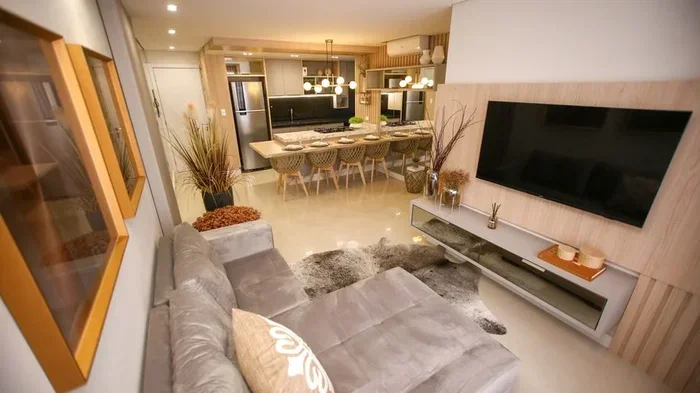
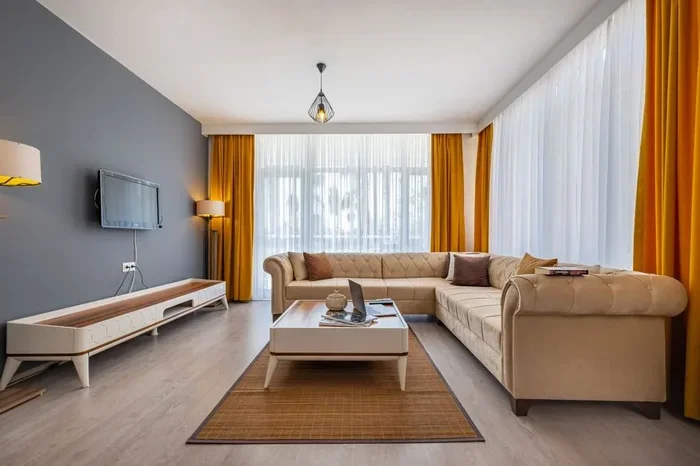
The L-shaped layout is one of the most versatile options. A sectional seating piece forms the base, and you add a chair or loveseat to complete the arrangement. This layout works well in both small and large rooms. It creates a natural conversational grouping that invites people to sit together.
The Open Zone Layout
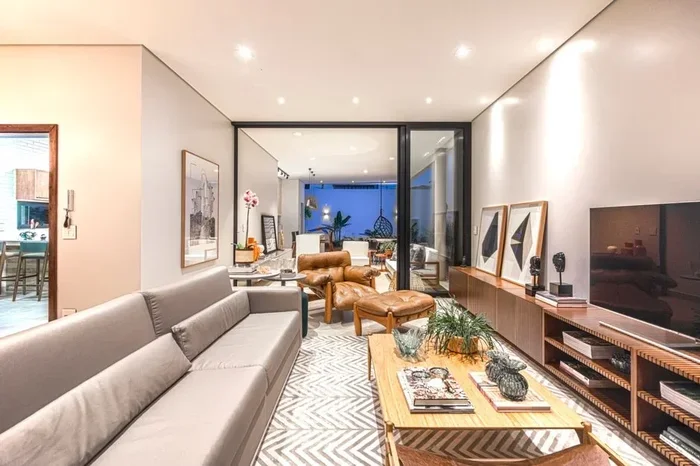
For homes with an open floor plan, the open zone layout works best. You define the living area without closing it off. Use a coffee table design and a rug to anchor the seating area. This approach keeps the space feeling airy and connected to the rest of the home.
The Floating Layout
A floating layout pulls furniture away from the walls. The sofa and chairs sit in the middle of the room. This creates a cozy, intimate feel. It also opens up pathways on the sides. The negative space around the furniture gives the room a modern, uncluttered look.
How to Choose the Right Furniture Arrangement
Choosing the right arrangement starts with understanding your room. Measure your space carefully before you buy anything. Note the room dimensions and the location of doors and windows. These factors guide every decision you make.
Start with the Focal Point
Every room needs a focal point. This is the first thing people see when they enter. It could be a fireplace, a television, a piece of art, or a stunning view. Arrange your sofa placement to face the focal point. This creates a natural visual hierarchy and makes the room feel intentional.
Consider Traffic Flow
Traffic flow is how people move through the room. You want at least 30 inches of clearance between furniture pieces. This allows comfortable passage without feeling cramped. Walk through your layout before you commit to it. Make sure doors can open fully and pathways stay clear.
Match Scale and Proportion
Furniture should match the size of your room. A massive sofa overwhelms a small space. Tiny chairs get lost in a large room. Think about scale and proportion when selecting pieces. Large rooms can handle oversized furniture. Small rooms benefit from lighter, more compact designs.
Create Conversational Groupings
People should be able to talk comfortably in your living room. Arrange chairs and sofas so they face each other. A coffee table design between seats keeps everyone connected. Avoid pushing all furniture against the walls. A slight angle or grouping creates warmth and intimacy.
Use Accent Furniture Wisely
Accent furniture adds personality and function. Ottomans, side tables, and accent chairs fill gaps in your layout. They also give you flexibility to rearrange. Choose pieces that complement your main furniture styles without competing for attention.
Common Mistakes to Avoid in Furniture Layout
Even with the best intentions, people make layout mistakes. Knowing what to avoid saves time, money, and frustration.
Pushing Everything Against the Walls
Many people place all furniture flat against the walls. This creates a cold, disconnected feel. Pulling the sofa a few inches forward changes everything. It creates depth and makes the room feel more inviting. Try a floating layout to see the difference.
Ignoring the Rug
The rug defines the living area. A rug that is too small makes the room feel choppy. All furniture legs should ideally sit on the rug. This anchors the seating group and ties the layout together. Choose a rug size that matches your room proportions.
Overcrowding the Space
It is tempting to fill every corner with furniture. But overcrowding kills the flow. Leave breathing room between pieces. Negative space gives the eye a place to rest. It also makes the room feel larger and more relaxed.
Neglecting Lighting Placement
Lighting plays a huge role in how a layout feels. A bright overhead light alone creates harsh shadows. Layer your lighting with floor lamps, table lamps, and accent lights. Place lamps near seating areas for reading and ambiance. Good lighting enhances your entire furniture arrangement.
Forgetting About Color and Coordination
Your furniture colors should work with your wall colors and decor. A color scheme coordination brings harmony to the room. Pick a base palette and stick with it. Use accent colors in pillows, throws, and artwork to add interest without clutter.
Pro Tips for a Stunning Living Room Layout
These expert tips take your layout from good to great. Apply them to see a real difference in your space.
Measure Twice, Buy Once
Always measure your room and your furniture before purchasing. Sketch a floor plan on paper or use a free online tool. This simple step prevents costly mistakes. You will know exactly what fits and what does not.
Use the Rule of Three
Group items in threes for visual appeal. Three candles, three books, or three framed prints create balance. This applies to furniture too. A sofa, two chairs, and a coffee table form a natural trio. The rule of three adds rhythm and structure to your interior design tips approach.
Anchor with a Statement Piece
Choose one statement piece to anchor the room. It could be a bold sofa, a unique coffee table, or a dramatic light fixture. Build the rest of the layout around this piece. It gives the room a clear starting point and a sense of purpose.
Layer Your Textures
Mix textures to add depth and warmth. Combine smooth leather with soft velvet. Add a woven throw to a wooden coffee table. Texture makes a room feel layered and curated. It catches the eye and invites touch.
Rotate Your Layout Seasonally
Do not be afraid to rearrange. Moving furniture around refreshes the room without spending money. Try a new seating arrangement for the seasons. A small shift can make your space feel brand new.
Quick Tips for Furniture Layout Success
- Measure your room before buying any furniture
- Start with the sofa and build around it
- Leave at least 30 inches of walking space
- Use a large rug to anchor the seating area
- Layer lighting for warmth and function
- Balance visual weight on both sides of the room
- Add plants and artwork to bring life to the space
Bringing It All Together
Designing a living room furniture design layout is both an art and a science. You need to consider style, function, and flow. Start with your focal point and work outward. Choose a layout style that matches your home and personality. Avoid the common mistakes that hold people back.
Remember that the best layout is one that serves your life. If you love hosting, create open conversational groupings. If you prefer quiet evenings, build a cozy reading nook. There is no single perfect layout. The right layout is the one that makes your space feel like home.
Take your time. Experiment with different arrangements. Use what you have learned here to make confident decisions. Your living room should reflect who you are and how you live. A well-designed layout makes that possible every single day.
Frequently Asked Questions
What is the best living room furniture design layout for small spaces?
The L-shaped layout and floating layout work best in small rooms. They maximize seating while keeping pathways open. Choose compact, multi-functional pieces like an ottoman with storage. A coffee table design that is lightweight and small also helps keep the space feeling open.
How do I determine the right furniture size for my living room?
Measure your room dimensions first. Then measure the furniture you want to buy. Leave at least 30 inches of space between pieces for traffic flow. A good rule of thumb is that your sofa should take up no more than two-thirds of the wall it sits against.
What is a focal point in furniture layout?
A focal point is the first thing the eye sees when entering the room. It could be a fireplace, a large window, a TV, or a piece of wall art. Your sofa placement should face the focal point to create a natural, inviting arrangement.
How far should furniture be from the walls?
You do not need to push all furniture flush against the walls. Pulling the sofa forward even 4 to 6 inches creates a more intimate feel. For a floating layout, furniture can sit several feet from the walls. This opens up the space and improves movement.
Can I mix different furniture styles in one layout?
Yes, mixing styles can create a unique and personal look. The key is color scheme coordination and consistent scale and proportion. Pick a unifying element like a color palette or material to tie different pieces together. This keeps the room cohesive despite the variety.
How often should I rearrange my living room furniture?
There is no set schedule. Many people rearrange once or twice a year. Seasonal changes are a great time to try a new seating arrangement. Even a small shift, like rotating the sofa 90 degrees, can refresh the entire feel of the room.
=== CONCLUSION ===
A well-planned living room furniture design layout transforms your home. It brings comfort, style, and function into one beautiful space. You do not need a large budget or professional help. With the right knowledge and a bit of creativity, anyone can create a stunning living room.
Start by understanding your space and your needs. Choose a layout style that fits your home. Avoid the mistakes that most people make. And do not be afraid to experiment. The best layout is the one that makes you feel at home every time you walk through the door.
Use the tips and ideas in this guide as your starting point. Measure your room, plan your arrangement, and enjoy the process. Your dream living room is closer than you think.