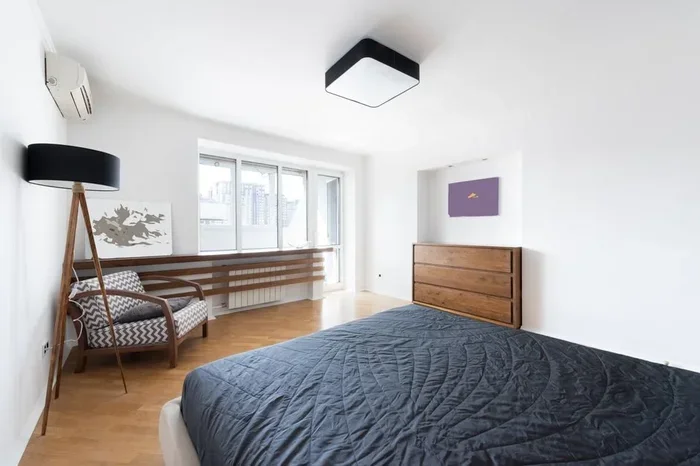
Large Horizontal Wall Art Ideas That Transform Your Space
Large horizontal wall art is one of the easiest ways to instantly elevate any room. Whether you want a modern look or a bold statement, the right piece can completely change your space. This guide covers the best styles, placement tips, and common mistakes to help you choose and hang large horizontal wall art with confidence. You will also find practical examples and expert insights to make your decorating journey simple and fun.
Large horizontal wall art has become a go-to choice for homeowners who want to make a statement without spending a fortune on a full room renovation. A single wide piece of artwork can anchor an entire wall, pull together a room’s color palette, and give your space a polished, curated feel. If you have been searching for ways to refresh your living room, this guide is for you.
In this article, we will explore the best styles, placement strategies, and design tips for large horizontal wall art. You will learn how to pick the right size, avoid common decorating mistakes, and create a look that feels both intentional and inviting. Let us dive in and turn your blank walls into a focal point your guests will notice.
Key Takeaways
- Choose the right size: Your wall art should be about two-thirds to three-quarters of the furniture width below it for a balanced look.
- Style matters: From minimalist to luxury, there is a large horizontal wall art style for every home decor preference.
- Placement is key: Hang art at eye level, roughly 57 to 60 inches from the floor, for the best visual impact.
- Avoid common mistakes: Do not hang art too high, use wrong wall colors, or pick pieces that are too small for the space.
- Mix and match: Combine different textures and materials like metal, mirror, and canvas for a dynamic and layered look.
- Lighting enhances art: Adding a picture light or track lighting above your wall art makes colors pop and adds depth to the room.
📑 Table of Contents
- Why Large Horizontal Wall Art Works So Well
- Best Styles of Large Horizontal Wall Art
- How to Choose the Right Size for Your Wall
- Placement Tips for Maximum Impact
- Common Mistakes to Avoid When Hanging Large Horizontal Wall Art
- Quick Tips for Hanging Large Horizontal Wall Art
- Expert Insights on Choosing and Styling Large Horizontal Wall Art
- Conclusion
Why Large Horizontal Wall Art Works So Well
Horizontal art has a unique ability to draw the eye across a room. Unlike vertical pieces that lead the eye up and down, horizontal artwork encourages a side-to-side flow. This makes it perfect for wide walls, above sofas, and along hallways. When you choose large horizontal wall art, you create a sense of balance and calm that smaller pieces simply cannot achieve.
There are several reasons why oversized horizontal pieces work so well in home decor:
- They fill empty wall space: A big piece of artwork turns a bare wall into a design feature rather than an afterthought.
- They create a focal point: Your eye naturally goes to the largest object in a room. A big horizontal piece becomes the anchor for your entire layout.
- They suit modern and traditional styles: Whether your home leans minimalist or classic, horizontal art adapts beautifully.
- They are versatile: You can pair them with mirrors, shelves, or lighting to add depth and dimension.
- They make a room feel larger: A wide piece of art draws the eye outward, which can make a small room feel more open.
If you have ever felt like your living room wall art looks incomplete or lost, switching to a large horizontal format might be the solution you need. The key is choosing the right wall art placement and style for your space.
The Science Behind Wall Art Placement
Interior designers often follow a simple rule: hang artwork so its center sits at about 57 to 60 inches from the floor. This is roughly eye level for most adults. When you hang large horizontal wall art above a sofa or console table, make sure the bottom edge sits about 8 to 12 inches above the furniture. This gap prevents the art from feeling cramped and gives it room to breathe.
Another important factor is the relationship between the art and the wall. A good guideline is to choose a piece that covers about two-thirds to three-quarters of the furniture below it. For example, if your sofa is 80 inches wide, your artwork should be around 55 to 60 inches wide. This creates a sense of proportion that looks intentional and balanced.
Best Styles of Large Horizontal Wall Art
Not all wall art is created equal. Different styles bring different moods to a room. Here are some of the most popular options for large horizontal pieces that work beautifully in living spaces.
Modern Abstract Art
Modern abstract art uses bold colors, geometric shapes, and expressive brushstrokes to create visual interest. A large horizontal abstract canvas can instantly make a room feel contemporary and energetic. These pieces work especially well in rooms with neutral furniture because they add a pop of color without overwhelming the space.
When choosing an abstract piece, look for one that includes colors already present in your room. For example, if your sofa has blue and beige cushions, find an abstract artwork that features those same tones. This creates a cohesive look that feels effortless.
Mirror Wall Art
Mirror wall art is a fantastic choice if you want to make a small room feel bigger. Mirrors reflect light and create the illusion of depth, which is perfect for living rooms that lack natural sunlight. A large horizontal mirror piece mounted above a console table or fireplace can make your space feel open and airy.
Mirror wall art also adds a touch of elegance. You can find framed mirrors in gold, silver, black, or wood finishes to match your existing decor. For a more dramatic effect, try grouping two or three horizontal mirrors of different sizes together for a gallery-style arrangement.
Metal Wall Art
Metal wall art brings a sleek, industrial feel to any room. Large horizontal metal pieces often feature laser-cut designs, geometric patterns, or nature-inspired motifs. They are durable, easy to clean, and available in finishes like brushed iron, copper, and matte black.
Metal art pairs beautifully with modern and minimalist interiors. If your room has metal furniture legs or fixtures, a matching metal wall piece ties the whole look together. You can also mix metals for a more eclectic vibe, just keep the color palette consistent.
Minimalist Wall Art
For those who love clean lines and simplicity, minimalist wall art is the way to go. These pieces often feature simple shapes, muted tones, and lots of negative space. A large horizontal minimalist print can make a powerful statement without being loud or distracting.
Minimalist art works best in rooms that already have a lot of visual clutter elsewhere. It gives the eye a place to rest and creates a sense of calm. Think of it as the breathing room your walls need.
Luxury Wall Art
If you want your living room to feel high-end and sophisticated, consider luxury wall art. This category includes gilded frames, textured canvases, and hand-painted pieces. Large horizontal luxury art often features rich colors like deep burgundy, navy, or gold accents.
Luxury wall art does not have to break the bank. You can find affordable reproductions of famous paintings or invest in a single statement piece that becomes the centerpiece of your room. The key is choosing quality materials and a frame that complements your furniture.
How to Choose the Right Size for Your Wall
Size is the most important factor when selecting large horizontal wall art. A piece that is too small gets lost on the wall, while one that is too large can make the room feel cramped. Here is a simple guide to help you choose the perfect dimensions.
| Furniture Below | Recommended Art Width | Best Style |
|---|---|---|
| Sofa (72-96 inches wide) | 48-72 inches | Modern abstract, panoramic landscape |
| Console table (48-60 inches wide) | 36-48 inches | Mirror art, metal wall decor |
| Bed (60-80 inches wide) | 40-60 inches | Minimalist, luxury wall art |
| Empty wall (100+ inches wide) | 60-80 inches | Gallery-style grouping or single oversized piece |
Keep in mind that these are guidelines, not strict rules. Your personal taste and the proportions of your room should always come first. If you are unsure, it is better to go slightly larger than smaller. A big piece of art makes a bolder statement and is easier to style around.
Measuring Your Wall Space
Before you buy any artwork, measure the wall space carefully. Use a tape measure to find the width and height of the area you want to fill. Then subtract about 4 to 6 inches from the width for breathing room on each side. This small gap makes a big difference in how the art looks on the wall.
Also consider the height of the wall. Low ceilings work best with art that is not too tall. If your ceiling is under 8 feet, choose a piece that is 24 to 36 inches in height. For higher ceilings, you can go up to 48 inches or more.
Placement Tips for Maximum Impact
Even the most beautiful piece of large horizontal wall art can fall flat if you hang it in the wrong spot. Placement affects how the art interacts with the rest of the room and how guests perceive the space. Here are some proven strategies to get the most out of your wall art.
Above the Sofa
The area above your sofa is the most popular spot for large wall art. A horizontal piece here creates a natural anchor for the seating area and ties the furniture together visually. Make sure the art is wide enough to span at least two-thirds of the sofa. A piece that is too narrow looks lost, while one that matches the sofa width creates a polished, pulled-together look.
In the Entryway or Hallway
Hallways and entryways are often overlooked when it comes to wall art. But these spaces offer a great opportunity to make a first impression. A large horizontal piece in the entryway sets the tone for the rest of your home. Choose something welcoming and visually interesting, like a panoramic landscape or an abstract piece with warm tones.
For hallways, consider a series of smaller horizontal pieces arranged in a row. This creates a gallery effect that guides the eye along the corridor. Just make sure the spacing between each piece is consistent, about 2 to 3 inches apart.
Above the Fireplace
The fireplace is a natural focal point in any living room, and hanging art above it draws attention to this architectural feature. A large horizontal piece above the fireplace works best when it is at least 6 inches wider than the fireplace opening. This overlap creates a sense of unity between the art and the structure.
If your fireplace is very wide, you can use two smaller horizontal pieces side by side instead of one large one. This approach adds visual interest and gives you more flexibility in choosing artwork.
As a Backdrop for Seating Areas
If your living room has a dedicated seating area or reading nook, consider using large horizontal art as a backdrop. This works especially well in open floor plans where you want to define different zones. A wide piece of art above a chair and side table creates a cozy, intentional feel that makes the space seem designed rather than accidental.
Common Mistakes to Avoid When Hanging Large Horizontal Wall Art
Even experienced homeowners make mistakes when it comes to wall art. Here are some of the most common pitfalls and how to avoid them.
Hanging Art Too High
This is the number one mistake people make. When art is hung too high, it feels disconnected from the furniture below and makes the room feel unbalanced. Always measure and use the 57 to 60 inch center rule. If you are hanging art above a sofa, the bottom edge should be 8 to 12 inches above the back of the sofa.
Choosing Art That Is Too Small
A common tendency is to buy art that is smaller than the wall actually needs. This leaves too much empty space and makes the art look like an afterthought. When in doubt, go bigger. A large piece of large horizontal wall art anchors the room and gives your decor a sense of purpose.
Ignoring the Wall Color
The color of your wall affects how your art looks. Dark walls can make light artwork pop, while light walls can cause bold art to feel overwhelming. If your walls are a neutral tone, you have more freedom to choose any color palette. If your walls are bold or dark, consider art with lighter tones or metallic accents to create contrast.
Skipping the Frame
The frame matters just as much as the artwork itself. A poorly chosen frame can clash with your decor and take away from the art. Match the frame finish to other hardware in the room, such as curtain rods, lamp bases, or furniture legs. For a modern look, skip the frame entirely and use canvas wraps instead.
Quick Tips for Hanging Large Horizontal Wall Art
Here are some fast and practical tips to make the hanging process easier and the result more polished:
- Use a template: Cut a piece of cardboard to the size of your art and tape it to the wall. Step back and evaluate the placement before making any holes.
- Mark the hanger location: Measure from the top of the frame to the hanging wire or bracket. Transfer this measurement to the wall to ensure the art hangs at the right height.
- Use a level: A crooked piece of art is one of the most noticeable decorating mistakes. Always use a level to check that your art is straight.
- Consider wall anchors: For large and heavy pieces, use proper wall anchors or studs to ensure the art stays secure and safe.
- Add lighting: A picture light or wall sconce above your art adds warmth and highlights the details of the piece. This simple addition can transform how the art looks, especially in the evening.
For more ideas on how to style your living room walls, check out our guides on mirror wall art for living room and minimalist wall art for living room. These resources offer inspiration and practical tips that pair perfectly with large horizontal pieces.
Expert Insights on Choosing and Styling Large Horizontal Wall Art
We spoke with interior designers about their favorite strategies for using large horizontal wall art. Here is what they had to say:
Think about the room’s flow. “The best wall art follows the natural movement of the room,” says one designer. “If your furniture is arranged horizontally, a wide piece of art reinforces that flow and makes the space feel cohesive.”
Layer your art with other decor. “Do not treat wall art as a standalone element,” another expert advises. “Pair it with a shelf, a plant, or a lamp to create depth. The more layers you add, the more interesting the wall becomes.”
Trust your instincts. “The best wall art is the one you love,” a third designer notes. “Trends come and go, but if a piece makes you feel something, it will always look right in your home.”
These insights reinforce a simple truth: your wall art should reflect your personal style and make you feel at home. Do not chase trends just because they are popular. Choose pieces that resonate with you and fit your space.
Conclusion
Large horizontal wall art is a powerful and accessible way to transform any room in your home. Whether you prefer modern abstracts, sleek metal pieces, or elegant mirror art, the right horizontal piece can become the centerpiece of your entire living space. By following the sizing guidelines, placement tips, and styling advice in this article, you can create a look that feels intentional, balanced, and uniquely yours.
Remember to measure your wall space carefully, choose a style that matches your personality, and avoid the common mistakes that can make even the best art look out of place. With a little planning and creativity, your blank walls can become the most talked-about part of your home. Start exploring your options today and see how a single piece of art can change everything.
For additional inspiration on living room design and furniture arrangement, explore our article on large living room furniture layout and discover how to create a harmonious space that complements your new wall art perfectly.
Frequently Asked Questions
What size should large horizontal wall art be for a standard sofa?
A large horizontal piece should be about two-thirds to three-quarters the width of your sofa. For a standard 80-inch sofa, aim for artwork that is 55 to 60 inches wide. This proportion creates a balanced and visually appealing look above your seating area.
Can I use large horizontal wall art in a small living room?
Absolutely. A single large horizontal piece can make a small room feel bigger by drawing the eye across the space. Choose a light-colored or mirror-style piece to keep the room feeling open and airy rather than cluttered.
How high should I hang large horizontal wall art above a sofa?
The bottom edge of the artwork should sit about 8 to 12 inches above the back of the sofa. The center of the piece should be at roughly 57 to 60 inches from the floor, which is average eye level for most adults.
What are the best colors for large horizontal wall art?
Neutral tones like white, beige, gray, and black work well in most rooms because they are easy to style. If you want a bold look, choose colors that appear in your existing furniture or decor, such as navy, teal, or mustard yellow.
Should I use one large piece or a group of smaller pieces?
A single large piece creates a strong focal point and a clean, modern look. A group of smaller pieces arranged horizontally creates a gallery feel and adds visual interest. Choose based on your personal style and the amount of wall space you have available.
What type of lighting works best with large horizontal wall art?
A picture light mounted above the art is the most popular choice. It highlights the artwork and adds warmth to the room. You can also use track lighting or wall sconces positioned on either side of the piece to create a balanced and dramatic effect.