Kids Room Wall Art Ideas That Will Brighten Any Space
Kids room wall art is one of the simplest and most affordable ways to transform a child’s space into a joyful, imaginative haven. Whether you prefer playful prints, nature-inspired murals, or hands-on DIY projects, the right wall art can spark creativity and make the room truly feel like theirs. This guide covers everything from choosing the perfect pieces to styling tips that keep the room looking fresh as your child grows.
Kids room wall art is more than just decoration. It is a powerful tool that shapes the mood, personality, and feel of a space. When you walk into a well-designed kids room, the wall art often tells the story first. Bright colors, playful shapes, and imaginative scenes invite curiosity and wonder.
Choosing the right pieces can feel overwhelming with so many options available. Should you go bold with a giant mural, or keep it simple with a few framed prints? The good news is that there is no wrong answer. The best kids room wall art reflects the personality of the child who lives there.
In this guide, we will walk you through the best ideas, practical tips, and creative approaches to help you pick and style wall art that truly shines. Whether you are decorating a nursery or sprucing up a toddler’s bedroom, you will find plenty of inspiration here.
Key Takeaways
- Wall art sets the mood: The right pieces instantly change the feel of a kids room, making it brighter and more inviting.
- DIY options save money: Simple crafts like handprint art and paper garlands add personal touches without breaking the bank.
- Mix and match styles: Combining different art types creates a dynamic, curated look that grows with your child.
- Safety matters: Choose non-toxic materials and secure mounting methods to keep little ones safe.
- Involve your kids: Letting children pick or create their own art builds confidence and makes the room feel truly theirs.
- Seasonal updates keep things fresh: Swapping out pieces periodically refreshes the room without a full makeover.
📑 Table of Contents
- Why Kids Room Wall Art Matters More Than You Think
- Best Types of Wall Art for Kids Rooms
- How to Choose the Right Kids Room Wall Art
- Creative Kids Room Wall Art Ideas to Try Today
- Styling Tips for a Cohesive Look
- Common Mistakes to Avoid with Kids Room Wall Art
- Where to Find Affordable Kids Room Wall Art
- Conclusion
Why Kids Room Wall Art Matters More Than You Think
Wall art does more than fill empty space. It influences how a room feels and how a child interacts with their environment. Studies show that colorful, stimulating decor can boost mood and encourage creative thinking in young children.
Think about it. When was the last time you felt happy walking into a plain, blank room? Now imagine the same room covered in cheerful colors, friendly animals, and whimsical designs. The difference is instant. kids room wall art creates an emotional connection between the child and their space.
It also helps define areas within a room. A gallery wall above a reading nook signals “this is where stories come to life.” A mural of a jungle near the bed turns bedtime into an adventure. These small visual cues matter more than most parents realize.
Building a Sense of Belonging
Children thrive when they feel ownership over their space. When a child sees their favorite character or a piece they helped create on the wall, it becomes “their” room. This sense of belonging promotes comfort, security, and pride.
You do not need expensive art to achieve this. Even a simple print of their favorite animal can make a huge difference. The key is choosing pieces that resonate with who your child is right now.
Best Types of Wall Art for Kids Rooms
Not all wall art is created equal when it comes to children’s spaces. Some types work better than others for durability, safety, and visual appeal. Here are the top options to consider.
1. Framed Prints and Posters
Framed prints are the most versatile option. You can find them in every style, from minimalist line drawings to vibrant cartoon characters. They are easy to swap out as your child’s interests change.
Look for prints on thick, durable paper or canvas. These hold up better against curious little hands. You can group smaller prints together to create a gallery wall, which adds visual interest without taking up much space.
2. Wall Decals and Stickers
Wall decals are a parent’s best friend. They are removable, repositionable, and leave no damage behind. From clouds and stars to dinosaurs and unicorns, there is a decal for every interest.
These are especially great for renters or parents who do not want to commit to permanent changes. You can create an entire scene with just a few decals. They are also very affordable compared to custom murals.
3. Canvas Art and Textured Pieces
Canvas art adds depth and texture to a wall. It feels more elevated than a flat print and tends to be more durable. Many artists now create stunning children’s canvas pieces with rich colors and playful themes.
Canvas pieces also work well as standalone focal points. One large canvas above a crib or bed creates a bold, clean look that anchors the entire room.
4. DIY and Handmade Art
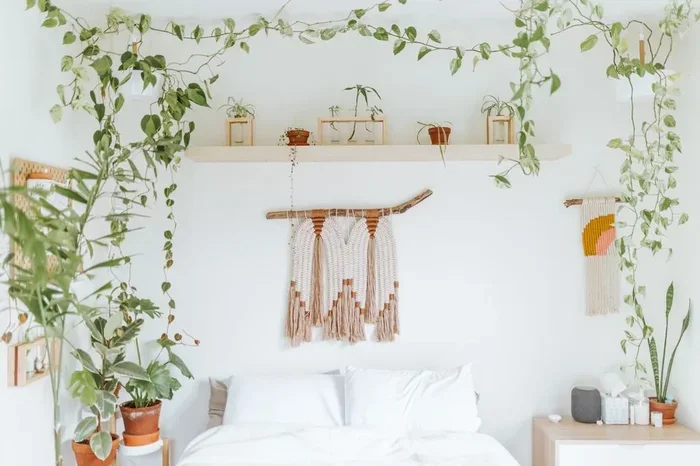
Handmade art brings a warmth that store-bought pieces simply cannot match. Think handprint trees, finger-painted landscapes, or macrame wall hangings. These projects double as keepsakes that families treasure for years.
Getting your child involved in the creation process makes the art even more meaningful. Plus, it teaches them about creativity and self-expression from an early age. The memories made during the crafting process are just as valuable as the finished piece.
How to Choose the Right Kids Room Wall Art
With so many options out there, choosing the right art can feel like a maze. Here are some practical guidelines to help you narrow things down.
Consider Your Child’s Age
Age plays a big role in what works best. For babies and toddlers, high-contrast black-and-white patterns or soft pastels are ideal. These gentle visuals are soothing and support early visual development. As children grow, they will gravitate toward bolder colors and characters they recognize.
For older kids, let them have a say in the selection process. A child who feels involved in decorating their space is more likely to take care of it. It also makes bedtime conversations more fun when they can point to their favorite piece on the wall.
Match the Room’s Color Scheme
Take a look at the existing colors in the room before buying any art. The wall art should complement the walls, furniture, and bedding rather than clash with them. You do not need to match perfectly, but aim for a cohesive feel.
A simple trick is to pull one or two colors from the room’s palette into the artwork. This creates a natural harmony that makes the whole space feel intentional and put-together.
Think About Longevity
Kids grow fast, and so do their interests. Instead of investing in art tied to a specific cartoon or trend, look for timeless pieces. Nature scenes, geometric patterns, and abstract designs tend to age well and can transition from nursery to big kid room.
This does not mean you cannot have fun, themed pieces. Just balance them with more versatile options so the room does not feel dated too quickly.
Creative Kids Room Wall Art Ideas to Try Today
Sometimes the best ideas come from thinking outside the box. Here are some creative approaches that go beyond traditional framed prints.
Gallery Wall with Mixed Frames
A gallery wall is one of the most popular trends in kids room design, and for good reason. Mix different frame sizes, shapes, and colors for an eclectic, curated look. Include a combination of prints, photos, and your child’s own artwork for a truly personal display.
Start by arranging pieces on the floor first. This lets you experiment with layouts before committing to nails and hooks. A symmetrical grid works well for a clean look, while an organic arrangement feels more playful and relaxed.
Nature-Inspired Murals
Nature-themed murals bring the outdoors inside. Forest scenes, ocean life, and mountain landscapes create a calming, adventurous atmosphere. You can paint a mural yourself using stencils or hire a local artist for a custom look.
If a full mural feels too ambitious, consider a simpler approach. A single large tree painting with hanging birds or leaves can transform a wall beautifully. Pair it with some potted plants nearby for a cohesive nature theme.
Interactive Wall Spaces
Why not make the wall itself part of the play? Chalkboard paint walls allow kids to draw and erase to their heart’s content. Magnetic paint turns a section of wall into a display area for artwork and notes.
These interactive surfaces give children a creative outlet while keeping mess contained. They also reduce the urge to draw on furniture and other surfaces around the house. It is a win-win for parents and kids alike.
String and Clip Displays
A simple string with wooden clips creates a charming, ever-changing art display. Hang artwork, photos, or even small fabric pieces. Kids love being able to swap things out themselves, and it gives them a sense of pride in curating their own space.
This approach is also incredibly affordable. All you need is a length of twine, some clips, and a few pieces of art. You can update the display whenever the mood strikes, making it perfect for kids whose tastes evolve quickly.
Styling Tips for a Cohesive Look
Once you have your pieces, the next step is styling. How you arrange and layer wall art can make or break the overall feel of the room.
Balance Is Everything
When hanging multiple pieces, aim for visual balance rather than perfect symmetry. If you have a large piece on one side, balance it with a group of smaller pieces on the other. This creates a harmonious look that feels intentional without being rigid.
Pay attention to spacing between pieces. Too close together feels cluttered, while too much distance looks disconnected. A consistent gap of about 2 to 3 inches usually works well for a polished appearance.
Layer Different Heights
Avoid hanging all art at the same height. Varying the placement creates visual interest and draws the eye around the room. A general rule is to hang the center of the artwork at your child’s eye level, especially for pieces they will enjoy looking at daily.
This approach also works well for beds and seating areas. Art placed above a reading chair or bed should be easy to see and enjoy from that spot. Think about how your child actually uses the room when deciding on placement.
Use Lighting to Enhance Art
Do not overlook the power of lighting. A small picture light or LED strip above a gallery wall can make colors pop and add a warm glow. It also extends the viewing time into the evening, which is especially nice for bedtime stories.
String lights woven through a display add a magical touch that kids absolutely love. They create a cozy atmosphere and make the wall art feel like part of a special, enchanted corner of the room.
Connect Wall Art to Other Decor
For a truly cohesive room, tie your wall art to other elements like bedding, rugs, and curtains. When the colors and themes echo throughout the space, the room feels unified and thoughtfully designed. This does not mean everything must match perfectly, but there should be a thread that connects it all.
For example, if your child’s bedding features jungle animals, consider adding a few animal-themed prints to the wall. This creates a storybook feel that brings the entire room together. The result is a space that looks expensive and curated, even on a budget.
Common Mistakes to Avoid with Kids Room Wall Art
Even the best intentions can lead to missteps when decorating a child’s room. Here are some common mistakes to watch out for.
- Choosing art that is too mature: Elegant watercolors or muted tones may look beautiful but can feel out of place in a child’s room. Opt for pieces that match the energy and personality of the space.
- Overcrowding the walls: More is not always better. Too much art can create visual chaos and overwhelm a small room. Start with a few key pieces and add more over time.
- Ignoring safety: Heavy frames or glass-covered art can be dangerous in a kids room. Choose lightweight materials and secure mounting hardware. Avoid pieces with sharp edges or small parts that could detach.
- Forgetting about maintenance: Kids can be rough on decor. Choose washable surfaces or pieces that are easy to replace. Paper prints in thin frames may look lovely but will not survive a curious toddler for long.
- Skipping the child’s input: Decorating a kids room without involving the child can lead to a space they do not feel connected to. Even young children have preferences, and honoring them builds confidence and ownership.
By avoiding these pitfalls, you set yourself up for a decorating experience that is enjoyable and results in a space your child truly loves.
Where to Find Affordable Kids Room Wall Art
You do not need a big budget to create a stunning wall art display. Some of the best pieces come from unexpected places.
Thrift stores and flea markets are goldmines for unique, affordable art. You can often find framed prints, vintage posters, and handmade pieces for just a few dollars. With a little creativity, a simple thrift find can become a standout piece in your child’s room.
Online marketplaces also offer incredible options at every price point. Many independent artists sell affordable prints and original pieces through platforms like Etsy and Society6. You can find everything from minimalist line art to bold, colorful illustrations that will bring any kids room to life.
If you are on a tight budget, consider creating your own art. Print free coloring pages, frame your child’s drawings, or make simple paper crafts. The personal touch is what makes these pieces truly special, and your child will treasure them for years to come.
For those who love the convenience of shopping in person, stores like IKEA and Target offer stylish, affordable kids room wall art options. These retailers carry collections designed specifically for children’s spaces, making it easy to find pieces that fit your style and budget. You can also explore the wide range of options at accent pieces for living room for inspiration on mixing art with other decorative elements.
Conclusion
Kids room wall art is one of the most impactful and affordable ways to transform a child’s space. From playful prints and nature murals to handmade crafts and interactive walls, the possibilities are truly endless. The key is choosing pieces that reflect your child’s personality, complement the room’s design, and stand the test of time.
Remember to involve your child in the process, prioritize safety, and have fun with it. The best kids room wall art is not about perfection, it is about creating a space that feels alive, warm, and full of imagination. Start with a few pieces you love, add more over time, and watch your child’s room come to life in the most wonderful way.
Whether you go bold with a gallery wall or keep it simple with a single statement piece, the right wall art will brighten any space and create memories that last a lifetime. Your child’s room is their sanctuary, and the art on the walls should celebrate that in every way possible.
Frequently Asked Questions
What is the best wall art for a toddler’s room?
For toddlers, choose high-contrast, simple designs with bold colors and friendly shapes. Wall decals and soft canvas prints work great because they are safe and easy to clean. Avoid glass frames or heavy pieces that could pose a hazard.
How do I hang wall art safely in a kids room?
Use lightweight mounting hardware like adhesive strips or command hooks for lighter pieces. For heavier items, always anchor into wall studs using appropriate screws and brackets. Avoid glass frames and opt for shatter-proof acrylic instead.
How often should I update kids room wall art?
There is no set rule, but many parents update art every one to two years as their child’s interests evolve. Easy-to-swap options like decals, string displays, and framed prints make refreshing the room simple and affordable.
Can I mix different art styles in a kids room?
Absolutely. Mixing styles creates a dynamic, curated look that feels personal and eclectic. The key is to find a unifying element, such as a consistent color palette or a shared theme, to keep the space feeling cohesive rather than chaotic.
How much does kids room wall art typically cost?
You can find great options at every price point. DIY pieces cost almost nothing, while framed prints range from $10 to $50 each. Custom murals or large canvas pieces can run $100 or more, but affordable alternatives exist at most retail stores and online marketplaces.
Should I let my child choose their own wall art?
Yes, whenever possible. Involving your child in the selection process builds confidence, encourages self-expression, and helps them feel ownership over their space. Even letting them choose between two options you pre-select can make a big difference in how much they love their room.