Japandi Style Living Room Design Tips for a Calm Home
A Japandi style living room blends the best of Scandinavian simplicity and Japanese minimalism to create a calm, inviting space. This design approach focuses on natural materials, muted tones, and functional beauty that every homeowner can achieve. Whether you are starting fresh or refreshing a room, these tips will help you build a serene retreat in your own home.
A japandi style living room is one of the hottest trends in home design right now, and for good reason. It takes the cozy warmth of Scandinavian decor and pairs it with the peaceful simplicity of Japanese aesthetics. The result is a living space that feels both welcoming and deeply calming.
If you have been searching for a way to make your home feel more serene without sacrificing style, this guide is for you. You will learn the core principles behind the japandi design movement, how to choose the right furniture, and practical tips you can start using today. Whether your living room is large or small, these ideas will help you create a space that truly feels like a retreat.
Let us dive into what makes a japandi style living room so special and how you can bring this balanced design into your own home.
Key Takeaways
- Japandi combines Scandinavian and Japanese design: The style merges hygge warmth with wabi sabi simplicity for a balanced look.
- Neutral tones and natural materials are essential: Think warm wood, linen, clay, and muted earth colors throughout your space.
- Low-profile furniture and clean lines define the room: Choose functional pieces that prioritize form and comfort without clutter.
- Lighting sets the mood: Soft, layered lighting with natural sources creates a zen atmosphere in your living room.
- Indoor plants add life and balance: Simple greenery brings organic energy without overwhelming the minimalist aesthetic.
- Less is more: A japandi style living room thrives on intentional restraint and curated simplicity.
📑 Table of Contents
What Is Japandi Style Living Room Design?
The term japandi is a blend of Japanese and Scandinavian design. Both styles share a love for simplicity, natural light, and thoughtful craftsmanship. When combined, they create a design language that feels timeless and grounded.
Scandinavian design brings warmth and comfort. It values function, cozy textures, and a sense of hygge, which is the Danish concept of finding joy in simple pleasures. Japanese design, on the other hand, embraces wabi sabi, the beauty of imperfection, and a deep connection to nature.
Together, these two traditions form a design style that is both practical and poetic. A japandi style living room is not about filling space with trendy items. It is about choosing pieces and elements that serve a purpose and bring a sense of peace.
Why Japandi Design Works So Well
One reason the japandi trend has grown so fast is its versatility. The style works in modern apartments and traditional homes alike. It also suits a wide range of budgets because it does not require expensive or ornate furniture.
Another big benefit is the calming effect. Studies show that clutter-free spaces with natural elements reduce stress and improve focus. A japandi living room naturally encourages these qualities. The clean lines, soft colors, and organic textures work together to create a serene living space that feels like a deep breath for your mind.
People who love the minimalist living room look but also want warmth and texture gravitate toward japandi. It fills the gap between cold minimalism and busy traditional decor. The style gives you the best of both worlds.
Core Elements of a Japandi Living Room
To create a true japandi style living room, you need to understand the key elements that define the style. These building blocks work together to create a cohesive and balanced look.
Clean Lines and Simple Forms
Furniture in a japandi living room features low profiles and straight or gently curved lines. Think of a low-profile sofa with slim wooden legs or a simple coffee table with smooth edges. The goal is to let each piece breathe without visual noise.
Avoid oversized armoires or heavily carved furniture. Instead, choose pieces that feel light and airy. A clean lines furniture approach keeps the room feeling open and uncluttered.
Here are some examples of key furniture pieces to consider:
- A low, rectangular sofa in a neutral fabric
- A simple wooden coffee table with tapered legs
- A slim media console made from light wood
- A minimalist floor lamp with a paper or fabric shade
- A woven storage basket for hidden clutter
Functional Simplicity
Every item in a japandi living room should earn its place. This idea comes from both Scandinavian and Japanese design philosophies. In Scandinavia, form follows function. In Japan, every object is treated with intention and respect.
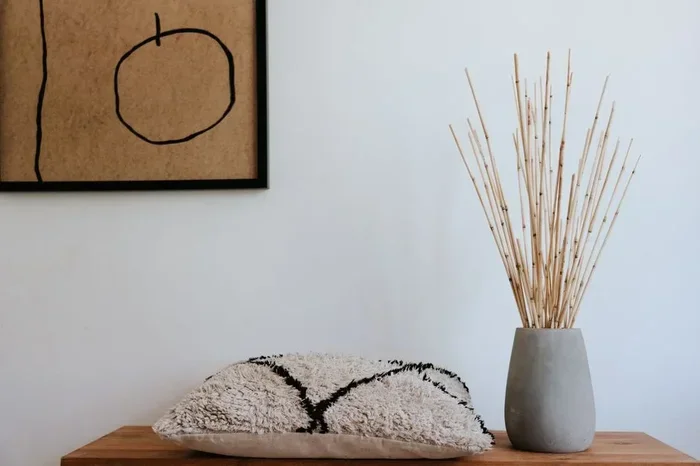
When you are choosing decor, ask yourself whether each piece serves a purpose or adds genuine joy. A simple ceramic vase with one branch of dried flowers is a perfect example. It is functional, beautiful, and uncluttered.
This principle also applies to storage. Built-in shelves, closed cabinets, and woven baskets help keep surfaces clear. A balanced design style relies on thoughtful organization as much as on the objects themselves.
Color Palette and Materials
The color and material choices in a japandi style living room set the entire mood. Both are rooted in nature and restraint, which is what gives the style its signature calm feel.
Muted Earth Tones and Neutral Hues
The neutral color palette is the backbone of japandi design. Think soft whites, warm beiges, gentle grays, and muted taupes. These colors create a quiet backdrop that lets natural textures and simple forms shine.
You can add subtle depth with warm wood tones or soft black accents. A muted earth tones approach keeps the room feeling grounded and harmonious. Avoid bright or saturated colors, which can disrupt the peaceful atmosphere.
Here is a simple color breakdown for a japandi living room:
- Base colors: White, cream, soft gray, and beige for walls and large furniture
- Secondary colors: Warm wood tones, soft black, and charcoal for contrast
- Accent colors: Muted greens, dusty blues, or pale terracotta for small touches
Natural Materials That Bring Warmth
Natural materials are at the heart of japandi design. Wood, linen, cotton, clay, stone, and bamboo are all common choices. These materials connect the indoor space to the natural world outside.
Wood is especially important. Light-toned oak, ash, or birch furniture gives the room a warm and airy feel. Reclaimed or unfinished wood adds character and honors the wabi sabi principle of embracing imperfection.
Textiles also play a big role. Linen curtains, cotton throw pillows, and wool blankets add softness without visual clutter. The organic textures of these materials make a japandi living room feel inviting and tactile.
Quick tip: When selecting materials, choose items with visible grain, subtle variation, and a natural finish. These small details make a big difference in achieving the authentic japandi look.
Furniture Selection and Layout
How you arrange furniture in a japandi style living room matters just as much as the pieces you choose. The layout should promote openness, flow, and a sense of calm.
Choosing the Right Furniture
Start with a few key anchor pieces. A low-profile sofa is the centerpiece of most japandi living rooms. Choose one with clean lines and a simple silhouette. Avoid oversized sectional sofas that fill the entire wall.
For your coffee table, look for something made of light wood with a slim base. A round table can soften the room and encourage conversation. If you need storage, a simple wooden cabinet with hidden handles keeps things tidy.
Here is a quick comparison of common furniture choices:
| Furniture Type | Japandi Style | Avoid |
|---|---|---|
| Sofa | Low-profile, neutral fabric, slim legs | Oversized, tufted, or brightly colored |
| Coffee Table | Light wood, simple shape, low height | Heavy carved or glass-top tables |
| Storage | Closed cabinets, woven baskets | Open shelves with clutter |
| Side Table | Small wood or ceramic piece | Large or ornate pieces |
As you can see, the japandi approach favors simplicity and lightness. Every piece should feel like it belongs in a calm, intentional space.
Layout Tips for a Flowing Room
Arrange furniture to create open pathways. Leave plenty of negative space between pieces. This empty space is just as important as the furniture itself in a zen living room setting.
Place your sofa against the largest wall and angle it slightly toward the main focal point, such as a window or a piece of art. Keep the coffee table close enough for easy access but far enough to allow comfortable movement.
Add a single accent chair in a natural fabric or a woven material. Place it at an angle to create a cozy conversation nook. The goal is to make the room feel balanced and unforced.
Lighting and Atmosphere
Lighting can make or break the mood of a japandi style living room. The right light creates warmth, depth, and a sense of tranquility.
Natural Light First
Scandinavian and Japanese design both prioritize natural light. Keep your windows unobstructed as much as possible. Use sheer linen curtains that filter sunlight softly rather than blocking it out completely.
If your living room lacks natural light, use mirrors to reflect what light you do have. A large mirror placed across from a window can brighten the entire space.
Layered Artificial Lighting
When the sun goes down, layered lighting takes over. Avoid a single bright overhead fixture. Instead, combine several light sources at different heights.
- Floor lamp: A simple arc or tripod lamp with a warm-toned bulb
- Table lamp: A ceramic or paper shade lamp on a side table
- Indirect light: LED strip lighting behind shelves or along the ceiling edge
- Candles: Real or LED candles on a tray for a soft, flickering glow
Warm white bulbs (around 2700K) work best for a japandi living room. They mimic the golden glow of natural sunlight and create a hygge atmosphere that is hard to resist.
Quick tip: Dimmer switches are a japandi homeowner’s best friend. They let you adjust the light to match the time of day and the mood you want to create.
Bringing It All Together
Creating a japandi style living room is about more than just buying the right furniture. It is about cultivating a feeling of calm and intention in every corner of the space.
Adding Indoor Plants
A few well-placed plants can transform a japandi living room. Plants bring life, color, and a connection to nature that is central to this design style.
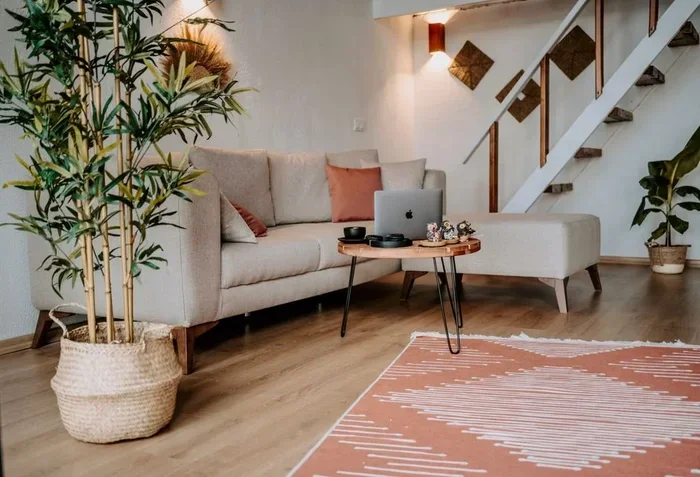
Choose simple, sculptural plants like a fiddle leaf fig, a snake plant, or a potted bamboo. Place them in plain ceramic pots or woven baskets. Avoid flashy planters or overly busy plant arrangements.
A single tall plant in a corner can add height and balance. A small cluster of plants on a coffee table adds a touch of green without overwhelming the space.
Decor with Intention
When it comes to decor, restraint is key. A japandi living room should have very few decorative items, but each one should be meaningful and beautiful.
Consider a single piece of wall art, such as an abstract ink painting or a simple black-and-white photograph. A ceramic bowl, a small stack of art books, or a single branch in a vase can serve as a focal point without cluttering the room.
The wabi sabi principle reminds us that beauty lives in the imperfect and the aged. A handmade ceramic vase with slight irregularities or a weathered wooden tray tells a story and adds character to your space.
Common Mistakes to Avoid
Even with the best intentions, it is easy to make missteps when designing a japandi living room. Here are some common mistakes to watch out for:
- Overdoing the minimalism: A japandi room should feel warm and inviting, not cold and empty. Add cozy textiles and a few personal touches.
- Mixing too many styles: Stick to a consistent aesthetic. Mixing japandi with bold modern or ornate traditional pieces can create visual confusion.
- Ignoring texture: Without texture, a japandi room can feel flat. Layer in linen, wool, wood grain, and ceramic to add depth.
- Skipping storage solutions: Clutter is the enemy of japandi design. Invest in smart storage to keep surfaces clear and the room feeling calm.
By avoiding these pitfalls, you can stay true to the japandi spirit and create a space that feels genuinely peaceful and balanced.
Final Thoughts on Creating Your Japandi Living Room
A japandi style living room is more than a design trend. It is a way of living that values simplicity, intention, and harmony with nature. By combining the warmth of Scandinavian hygge with the quiet beauty of Japanese aesthetics, you can create a home that nourishes your mind and spirit every single day.
Start small. Choose one or two key pieces of furniture, select a calm color palette, and add natural materials and soft light. As you build your space, remember that less is always more. Every choice should feel deliberate and peaceful.
Your living room should be a place where you can breathe, relax, and recharge. With the japandi approach, you are not just decorating a room. You are designing a home that supports a calmer, more mindful way of life.
Take these tips, trust your instincts, and enjoy the process. A beautiful, calm living room is well within your reach when you embrace the timeless balance of japandi design.
Frequently Asked Questions
What is the difference between Japandi and Scandinavian style?
Scandinavian design focuses on warmth, comfort, and cozy textures like hygge. Japandi blends those Scandinavian qualities with Japanese wabi sabi principles, which embrace imperfection, natural aging, and a deeper connection to nature. The result is a style that feels both warmer and more grounded than pure Scandinavian design.
Can I use color in a Japandi living room?
Yes, but keep it subtle. Stick to a neutral color palette with muted earth tones like soft beige, warm gray, and gentle greens. You can add small pops of dusty blue or pale terracotta as accents. The key is to use color sparingly so the room maintains its calm, balanced feel.
What kind of furniture works best for a Japandi living room?
Low-profile furniture with clean lines and natural materials is ideal. Think light wood frames, slim legs, and simple silhouettes. A low sofa, a wooden coffee table, and closed storage pieces form the foundation of a japandi furniture setup.
How do I make my living room feel more zen?
Start by decluttering and keeping surfaces clear. Use natural light, soft layered lighting, and indoor plants. Choose organic textures like linen, cotton, and wood. Add a few intentional decor pieces and let plenty of empty space breathe. These steps create a truly zen atmosphere.
Is Japandi design expensive to achieve?
Not at all. One of the strengths of japandi design is its affordability. You can achieve the look with simple, well-chosen pieces from affordable retailers. Focus on natural materials, neutral colors, and clean lines rather than price tags. A few thoughtful additions can transform any room.
What plants are best suited for a Japandi living room?
Choose sculptural, low-maintenance plants like snake plants, fiddle leaf figs, or potted bamboo. Keep planters simple with plain ceramic or woven baskets. One or two well-placed plants add life and balance without disrupting the minimalist aesthetic of a japandi style living room.