Japandi Living Room Design Inspiration for Your Home
Japandi living room design merges the best of Japanese minimalism and Scandinavian coziness into one stunning style. This approach focuses on clean lines, natural materials, and a peaceful atmosphere that makes every room feel calming and intentional. You will learn the core elements, color palettes, furniture choices, and practical tips to bring this look to life. Whether you are redesigning a whole space or adding a few touches, this guide has everything you need to create a serene and beautiful living room.
Key Takeaways
- Japandi design combines Japanese minimalism with Scandinavian warmth for a balanced, calming aesthetic.
- Use a neutral color palette with earthy tones like beige, cream, soft gray, and muted greens to set the foundation.
- Choose furniture with clean lines and low profiles made from natural materials like wood, rattan, and linen.
- Natural light and warm ambient lighting are essential for creating the signature cozy yet minimal atmosphere.
- Avoid clutter, overly ornate pieces, and harsh lighting, as these go against the core principles of this style.
- Add personality through wabi-sabi inspired decor like handmade ceramics, dried flowers, and textured throws.
- Start small with a few key changes and build your japandi living room over time for a more authentic result.
📑 Table of Contents
What Is Japandi Living Room Design?
Japandi living room design is a trend that has taken the interior world by storm. It brings together two beloved styles: Japanese minimalism and Scandinavian functionality. The result is a look that feels both peaceful and practical. You get the quiet elegance of a Japanese tea room with the cozy charm of a Nordic cottage. This combination creates spaces that feel open, warm, and deeply inviting.
The word “Japandi” itself is a blend of Japan and Scandinavia. It captures the spirit of both cultures without leaning too far into either one. Japanese design brings wabi-sabi, the beauty of imperfection, and a deep respect for natural materials. Scandinavian design adds hygge, that feeling of cozy contentment, and a focus on everyday function. Together, they form a style that feels timeless and very livable.
What makes japandi living room design so appealing is its flexibility. You do not need a huge budget or a complete home makeover. Even small changes can shift your space toward this aesthetic. The key is intentionality. Every item in the room should serve a purpose or bring you joy. This mindset alone can transform how you think about decorating.
Many people are drawn to this style because it feels calming. In a world full of noise and clutter, a japandi-inspired living room offers a visual and emotional escape. It is a space where you can truly relax and recharge. That is why so many homeowners and renters alike are embracing this approach right now.
The Roots of Japandi Style
To truly understand japandi living room design, it helps to know where it comes from. Japanese interior traditions go back centuries. They emphasize simplicity, nature, and mindfulness. The idea of “less is more” is at the heart of this culture. Every object is chosen with care, and empty space is just as important as filled space.
Scandinavian design emerged in the early 20th century. It was shaped by cold climates and a need for practical, beautiful homes. Nordic designers focused on light, warmth, and craftsmanship. They believed that good design should be accessible to everyone. These values align perfectly with the Japanese approach, which is why the two styles blend so naturally.
When you combine these philosophies, you get a living room that feels both grounded and airy. There is a sense of order without feeling sterile. The space feels alive but not busy. This balance is what makes japandi design so special and so sought after in modern homes.
Key Elements of a Japandi Living Room
Creating a japandi living room starts with understanding the core elements. Each piece and detail plays a role in building the overall mood. Let us break down the most important components you need to focus on.
Clean Lines and Simple Shapes
The foundation of any japandi space is clean lines. Furniture should have smooth, uncluttered silhouettes. Avoid ornate carvings or busy patterns. Instead, look for pieces with gentle curves and straight edges that feel calm and grounded. A low-profile sofa with simple arms is a perfect starting point.
Lines in japandi design do not have to be perfectly straight. They should feel natural and flowing. Think of how a river moves gently through a landscape. That organic quality is key. You want your room to feel like it breathes, not like a rigid showroom.
Natural Materials
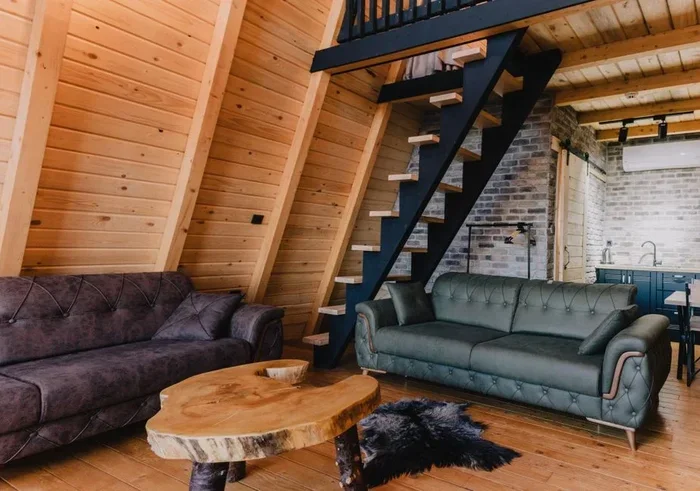
Natural materials are at the heart of this style. Wood is the star of the show. Light-toned oak, ash, and pine work beautifully. They bring warmth and texture without overwhelming the space. Pair wood with other organic elements like linen, cotton, rattan, and stone.
These materials create a sense of connection to nature. Even in a city apartment, you can bring the outdoors in. A wooden coffee table, a linen throw blanket, and a rattan chair can transform a plain room into a japandi retreat. The goal is to keep everything feeling real and tactile.
Functional Furniture
Every piece of furniture in a japandi living room should do a job. This is where Scandinavian practicality meets Japanese intentionality. A storage ottoman that doubles as a seat. A side table with a drawer for remotes and magazines. These thoughtful choices keep your space tidy and functional.
Low-profile furniture is a hallmark of this style. Sofas, chairs, and tables that sit close to the ground make rooms feel more spacious. They also create a relaxed, grounded feeling. Avoid tall, bulky pieces that dominate the room. Instead, choose furniture that lets the space flow around it.
Color Palettes and Materials
The right colors can make or break your japandi living room design. This style favors a soft, restrained palette that lets natural textures shine. Here is how to build a color scheme that feels authentic.
The Neutral Base
Start with a neutral base. White, cream, soft gray, and warm beige are your best friends. These colors create a calm backdrop that makes every other element in the room pop. Paint your walls in a warm off-white or soft gray for an instant japandi feel.
You can also use these neutral tones on large furniture pieces. A cream-colored sofa or a gray rug sets the stage nicely. The key is to keep the base muted and peaceful. This gives you a blank canvas to add personality through smaller details.
Earthy Accents
Once you have your neutral base, add earthy accents. Muted greens, soft terracotta, warm browns, and dusty blues work beautifully. These colors come from nature and feel right at home in a japandi space. Think of dried leaves, clay pots, and woven baskets.
A neutral color palette does not mean boring. It means intentional. Each accent color should be chosen with care. A single green plant or a terracotta vase can add just enough warmth without disrupting the calm. Less is more, and every color choice should feel meaningful.
Texture Over Pattern
In japandi design, texture matters more than pattern. Instead of bold prints, focus on how materials feel. A chunky knit throw, a rough linen cushion, or a smooth ceramic vase all add visual interest. These textures create depth without adding visual clutter.
Mixing different textures is one of the easiest ways to make your room feel rich and layered. Combine smooth wood with a nubby wool blanket and a woven jute rug. The contrast feels natural and inviting. This is where the true beauty of japandi living room design comes alive.
Furniture Selection for Japandi Style
Choosing the right furniture is crucial for nailing the japandi look. You want pieces that feel timeless, functional, and beautiful. Here is a guide to help you make the best choices.
Sofas and Seating
Your sofa sets the tone for the entire room. Look for low-back, slim-profile designs in neutral fabrics. Linen and cotton are ideal because they feel natural and breathe well. Avoid leather that is too shiny or synthetic fabrics that lack texture.
A modular sofa can work well if it keeps a simple shape. The goal is comfort without bulk. A japandi living room should feel open and uncluttered, even with seating. Consider adding a few floor cushions or a low armchair for extra seating that fits the aesthetic.
Coffee Tables and Side Tables
Choose coffee tables made from light wood with simple shapes. Round or oval tables soften the room and feel more organic. Avoid glass tables, which can feel cold and modern. Instead, opt for solid wood with visible grain patterns.
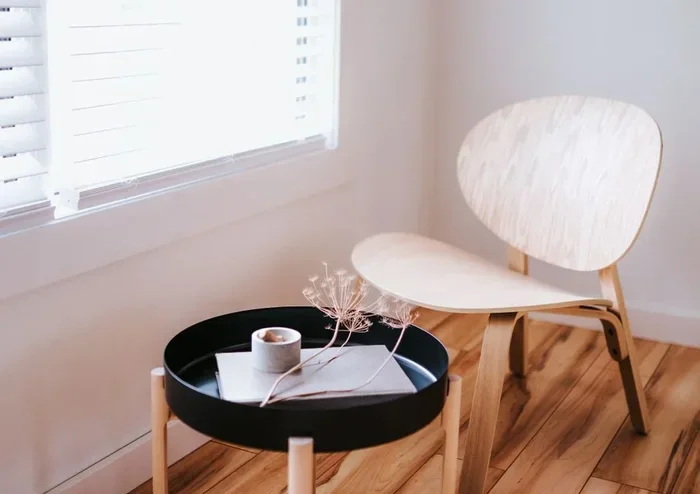
Side tables should be low and understated. A small wooden stool or a rattan side table adds character without competing for attention. These pieces should feel like they belong in the room, not like they were added as an afterthought.
Storage Solutions
Storage is essential for keeping a japandi space looking clean. Closed storage is preferred over open shelves, as it hides clutter. A wooden cabinet with simple handles or a built-in credenza works perfectly.
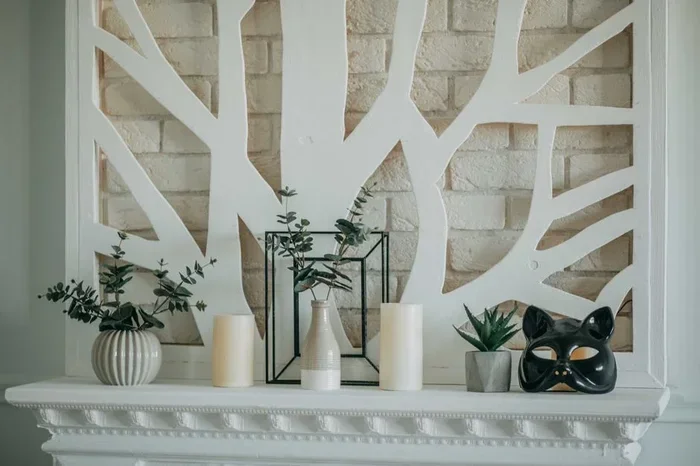
If you do use open shelves, keep them minimal. Display only a few curated items. A stack of books, a single ceramic bowl, and a small plant can create a beautiful vignette. The rule is simple: if it does not serve a purpose or bring you joy, it does not belong in a japandi living room.
Lighting and Ambiance
Lighting is one of the most powerful tools in japandi living room design. It sets the mood and can completely change the feel of a space. The right lighting makes a room feel warm, inviting, and serene.
Natural Light First
Start with natural light. Japanese and Scandinavian designs both celebrate the sun. Keep your windows uncovered or use sheer curtains that let light flow through. Light-colored walls and floors help bounce natural light around the room.
If your living room lacks windows, you can still create a bright feel. Use mirrors to reflect light from other sources. Choose light-colored furniture and decor that does not absorb too much brightness. The goal is a space that feels airy and open at any time of day.
Warm Ambient Lighting
When the sun goes down, warm ambient lighting takes over. Avoid harsh overhead lights. Instead, use floor lamps, table lamps, and candles to create a soft glow. Paper lanterns are a nod to Japanese design and work beautifully in this setting.
Dimmer switches are a great investment for any japandi-inspired living room. They let you adjust the brightness to match the time of day and your mood. Warm white bulbs with a soft color temperature create the most inviting atmosphere. Think of lighting as a way to wrap your room in a gentle embrace.
Statement Lighting Pieces
A single statement light fixture can anchor your room. Look for designs made from natural materials like bamboo, paper, or brushed metal. A large paper lantern pendant or a simple wooden pendant light adds character without feeling overdone.
Keep your lighting choices minimal. One or two standout pieces are enough. Let them do the talking. This approach aligns perfectly with the japandi philosophy of intentional simplicity. Every light fixture should feel like a piece of art in its own right.
Common Mistakes to Avoid
Even with the best intentions, it is easy to make mistakes when designing a japandi living room. Here are some pitfalls to watch out for and how to avoid them.
Too Much Clutter
The biggest enemy of japandi style is clutter. Even beautiful objects can overwhelm a room if there are too many of them. Before adding a new item, ask yourself if it truly belongs. Keep surfaces clear and surfaces clean. A few well-chosen pieces always look better than many scattered items.
Wrong Color Choices
Avoid bright, saturated colors. Neon pink, electric blue, and bright orange have no place in a japandi space. Stick to your muted, earthy palette. If you want a pop of color, choose something soft and natural like a dusty rose or sage green.
Ignoring Texture
A japandi room should not feel flat or one-dimensional. Without texture, it can look sterile. Make sure to mix different materials and surfaces. A room with only smooth wood and white walls can feel cold. Add warmth with textiles, woven elements, and natural finishes.
Overdoing the Minimalism
Minimalism does not mean empty. A japandi living room should still feel like a home, not a gallery. Add personal touches like family photos in simple frames, a favorite book on the coffee table, or a handmade craft. These small details make the space feel lived-in and authentic.
Bringing It All Together
Designing a japandi living room is a journey, not a race. Start with the basics: a neutral color palette, natural materials, and clean-lined furniture. Then add layers of texture, light, and personal touches that reflect your personality. The beauty of this style is that it evolves with you.
Remember that wabi-sabi is at the core of this aesthetic. Embrace imperfection. A handmade ceramic vase with an uneven shape tells a story. A wooden table with visible grain adds character. These small imperfections make your space feel genuine and warm.
Take your time and enjoy the process. Visit thrift stores for unique finds. Collect pieces that speak to you. Over time, your japandi living room design will become a reflection of your taste and values. It will be a space that feels calm, beautiful, and truly yours.
The most important thing is to create a room where you feel at peace. A space that welcomes you at the end of a long day. That is the true magic of japandi design. It is not just about how a room looks; it is about how it makes you feel. And when you get it right, there is truly nothing better.
Frequently Asked Questions
What is japandi living room design?
Japandi living room design is a style that blends Japanese minimalism with Scandinavian coziness. It focuses on clean lines, natural materials, neutral colors, and functional furniture. The result is a calming, intentional space that feels both peaceful and inviting.
What colors work best for a japandi living room?
The best colors for a japandi living room are soft neutrals like white, cream, warm beige, and light gray. You can add earthy accents such as muted greens, terracotta, and dusty blues. The key is to keep the palette muted and harmonious to maintain the calm, balanced feel of the style.
How do I start incorporating japandi design into my living room?
Start by decluttering and choosing a neutral color palette for your walls and large furniture. Add natural materials like a wooden coffee table, linen cushions, and a jute rug. Introduce warm lighting with paper lamps or simple floor lamps. Small, intentional changes can shift your room toward the japandi aesthetic without a full renovation.
What furniture is best for a japandi living room?
Choose low-profile furniture with clean lines and simple shapes. Light-toned wood, linen upholstery, and rattan accents work beautifully. Focus on pieces that are both functional and beautiful. Avoid oversized, bulky furniture that can make the room feel cramped and heavy.
Can japandi design work in small living rooms?
Absolutely. Japandi living room design actually works especially well in small spaces. The focus on minimalism and clean lines helps make rooms feel more open and spacious. Use light colors, mirrors, and low-profile furniture to maximize the sense of airiness. Every item should earn its place in the room.
What is the difference between japandi and Scandinavian design?
Scandinavian design emphasizes function, light, and cozy warmth. Japandi takes those qualities and adds Japanese elements like wabi-sabi, natural imperfection, and a deeper connection to nature. While both styles share a love for simplicity, japandi feels more grounded, organic, and meditative compared to the brighter, more playful feel of pure Scandinavian design.
=== CONCLUSION ===
Japandi living room design offers a beautiful way to create a space that is both calming and functional. By blending Japanese minimalism with Scandinavian warmth, you can build a living room that truly feels like home. Focus on natural materials, a neutral color palette, and intentional furniture choices. Pay attention to lighting and texture to add depth and comfort. Avoid common mistakes like clutter and harsh colors. With patience and a thoughtful approach, your japandi living room will become a peaceful retreat you love spending time in. Start small, stay true to the principles, and let the style evolve naturally. The journey to a serene, beautiful living room begins with a single intentional choice.