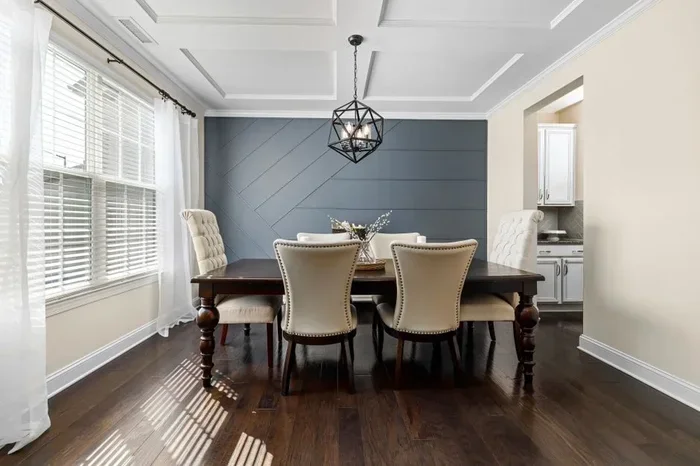
Interior Wooden Wall Design Ideas to Transform Your Space
Interior wooden wall design brings warmth, texture, and timeless charm to any room. Whether you prefer rustic wood planks or sleek modern panels, wooden walls can completely change the feel of your home. In this guide, you will learn the best wood wall ideas, materials, and installation tips to create a stunning focal point that suits your style and budget.
There is something magical about a wooden wall in a living space. It brings a sense of nature indoors. It adds texture. It creates a warm and welcoming feeling that few other materials can match.
If you are looking to refresh your home, interior wooden wall design should be at the top of your list. Wood walls work in almost every room. They suit modern, rustic, and traditional styles alike. And the best part? You do not need a huge budget to pull off a stunning wood wall.
In this article, we will walk you through the best wooden wall ideas, materials, and design tips. You will learn how to choose the right wood, which styles work best, and how to install them like a pro. Let us dive in and explore how a wood wall can completely transform your space.
Key Takeaways
- Wooden walls add warmth and character: They instantly make any room feel cozier and more inviting.
- Many styles to choose from: From rustic shiplap to modern wood tiles, there is a look for every taste.
- Works in any room: Wooden wall designs are versatile and fit living rooms, bedrooms, and even bathrooms.
- Budget-friendly options exist: You can achieve a high-end look without spending a fortune.
- Easy to maintain: Wood walls are durable and simple to clean with basic care.
- Pair with lighting for impact: The right lighting makes wood grain and texture pop beautifully.
📑 Table of Contents
- Why Choose Interior Wooden Wall Design?
- Popular Interior Wooden Wall Design Styles
- Best Woods for Interior Wall Design
- How to Install Interior Wooden Walls
- Tips for Styling Your Wooden Wall
- Common Mistakes to Avoid
- Cost Considerations for Wooden Walls
- Maintenance Tips for Wood Walls
- Bringing It All Together
Why Choose Interior Wooden Wall Design?
Wood has been a popular building material for thousands of years. It is natural. It is beautiful. And it brings a sense of comfort that is hard to replicate with paint or drywall alone.
Here are some reasons why homeowners love wood walls:
- Warmth and texture: Wood adds a cozy feel to any room. It softens hard surfaces like concrete and tile.
- Timeless appeal: Wood never goes out of style. It works with trends and still looks great years later.
- Versatility: You can stain it, paint it, or leave it natural. The options are nearly endless.
- Durability: Quality wood walls last for decades with proper care.
- Eco-friendly choice: Wood is a renewable resource. It is a greener option compared to synthetic materials.
A wood accent wall is one of the most popular ways to bring these benefits into your home. You do not need to cover every wall. A single wood wall can become the centerpiece of the room.
Popular Interior Wooden Wall Design Styles
Not all wood walls look the same. Different styles create different moods. Let us explore the most popular options for interior wooden wall design.
Rustic Wood Plank Walls
Rustic wood planks give a cabin-like feel. They are often made from reclaimed or distressed wood. The rough texture and natural imperfections add character and charm.
Rustic plank walls work great in farmhouse-style homes. They also fit beautifully in lodges and cabins. You can pair them with stone fireplaces and warm lighting for a complete look.
If you want a rustic vibe, consider using reclaimed wood wall panels. They are eco-friendly and full of history. Each plank tells a story.
Modern Shiplap Walls
Shiplap has become a huge trend in recent years. It features horizontal planks with overlapping edges. The result is a clean, layered look that feels both modern and classic.
Shiplap walls look fantastic in living room white and wood interior design schemes. They pair beautifully with white furniture and light wood tones. The contrast creates a fresh and airy feel.
You can install shiplap vertically or horizontally. Vertical shiplap makes a room feel taller. Horizontal shiplap adds width. Both options are stunning.
Wood Wall Panels and Cladding
Wood panels and cladding offer a more polished look. They come in flat sheets that are easy to install. You can find them in various sizes, grains, and finishes.
Living Room Wall Panel Design often features wood panels as the main feature. They create a sophisticated and elegant backdrop for furniture and artwork. Panels also work well in home offices and dining rooms.
Some popular panel styles include:
- Flat panels: Smooth and clean. Best for modern and minimalist spaces.
- Raised panels: They add depth and a traditional feel.
- Geometric panels: They create a trendy, contemporary look.
Wood Slat Walls
Wood slat walls feature narrow, vertical strips of wood. They create a rhythmic pattern that adds visual interest. The gaps between slats also allow light to pass through, adding dimension.
Slat walls are perfect for creating a modern accent wall living room feature. They work especially well in spaces with high ceilings. The vertical lines draw the eye upward and make the room feel more spacious.
Wood Tile and Mosaic Walls
Wood tiles bring the beauty of wood in a smaller, more manageable format. They are great for creating intricate patterns and designs. Mosaic-style wood walls can become true works of art.
Wood tiles are also practical. They are easier to clean than full planks. They are a great choice for kitchens and bathrooms where moisture can be a concern.
Best Woods for Interior Wall Design
The type of wood you choose matters a lot. Different woods have different colors, grains, and textures. Your choice will shape the entire feel of the room.
Oak
Oak is one of the most popular choices for wood walls. It has a strong grain pattern and is very durable. Oak comes in both light and dark finishes.
Light oak works well with living room wall colors for oak floors. It creates a cohesive and harmonious look. Dark oak adds richness and depth to a space.
Pine
Pine is a softwood that is affordable and easy to work with. It has a light color and subtle grain. Pine walls give a casual and relaxed feel.
Pine is a great choice for rustic and country-style homes. It ages beautifully and develops a unique patina over time.
Walnut
Walnut is a premium hardwood with rich, dark tones. It has a smooth grain that looks elegant and sophisticated. Walnut walls make a bold statement.
Walnut works best in formal spaces like dining rooms and studies. It pairs well with dark leather and brass accents.
Cedar
Cedar is naturally resistant to moisture and insects. It has a warm reddish-brown color and a pleasant aroma. Cedar walls are perfect for bathrooms and outdoor-indoor transitions.
The natural oils in cedar help it resist decay. This makes it a smart choice for humid environments.
How to Install Interior Wooden Walls
Installing a wood wall is easier than most people think. With the right tools and a bit of patience, you can do it yourself. Here is a simple step-by-step guide.
Step 1: Prepare the Wall Surface
Start by cleaning the wall. Remove any dirt, dust, or old paint. Make sure the surface is smooth and dry. If the wall is uneven, use a sander to level it out.
A clean surface ensures the wood adheres properly. It also prevents bumps and unevenness in the final result.
Step 2: Measure and Plan Your Layout
Measure the wall dimensions carefully. Plan how the wood planks or panels will fit. Start from one corner and work your way across.
Use a level to mark straight lines. This keeps your installation looking professional and even.
Step 3: Cut the Wood Pieces
Cut the wood pieces to size using a saw. Measure twice and cut once. Accurate cuts make the installation much smoother.
If you are using pre-made panels, you may not need to cut at all. Many panels come in standard sizes that fit most walls.
Step 4: Attach the Wood
You can attach wood walls using several methods:
- Adhesive: Wood glue works well for lightweight panels.
- Nails or screws: These provide a strong hold for heavier wood planks.
- Click-lock systems: These are popular for floating panels and are easy to install.
Start at the bottom and work your way up. Stagger the seams for a more natural look.
Step 5: Finish and Seal
Once the wood is installed, apply a finish. This could be a stain, varnish, or sealant. The finish protects the wood from moisture and wear.
Let the finish dry completely before touching the wall. This usually takes 24 to 48 hours.
Tips for Styling Your Wooden Wall
Installing a wood wall is only half the battle. Styling it properly makes all the difference. Here are some tips to help you get the most out of your interior wooden wall design.
Add Floating Shelves
Floating shelves look amazing on wood walls. They add functionality and display space. You can use them to showcase books, plants, and decorative objects.
For an industrial look, try industrial wall shelves for living room setups. They pair wonderfully with wood walls and add an edgy touch.
Use Strategic Lighting
Lighting can completely change how your wood wall looks. Install wall sconces or LED strip lights above or below the wood surface.
Backlighting creates a warm glow that highlights the wood grain. It adds depth and makes the wall a true focal point.
Pair with Art and Mirrors
A wood wall is the perfect backdrop for artwork and mirrors. The natural texture of wood makes colors pop and frames stand out.
For a bold statement, hang a large mirror wall art for living room piece opposite your wood wall. It reflects light and makes the room feel bigger.
Consider the Color Palette
The colors in your room should complement your wood wall. Neutral tones like white, beige, and gray work well with almost any wood type.
If your wood wall is dark, use lighter furniture and accessories to balance it out. If the wood is light, you can go bolder with your color choices.
Common Mistakes to Avoid
Even with the best intentions, mistakes can happen. Here are some common errors to watch out for when planning your interior wooden wall design.
- Ignoring moisture levels: Wood and moisture do not mix well. Always use moisture-resistant wood in humid areas like bathrooms and kitchens.
- Skipping the primer: Skipping primer can lead to uneven staining and poor adhesion. Always prime your wall before installation.
- Wrong wood for the room: Not all woods suit every room. Choose based on the room’s purpose and style.
- Poor measurements: Rushing measurements leads to gaps and misalignment. Take your time and measure carefully.
- Overcrowding the wall: Less is often more. Do not clutter your wood wall with too many decorations. Let the wood speak for itself.
Cost Considerations for Wooden Walls
The cost of a wooden wall varies widely. It depends on the type of wood, the size of the wall, and the installation method. Here is a rough breakdown:
- DIY wood planks: $5 to $15 per square foot for materials alone.
- Pre-made wood panels: $15 to $40 per square foot.
- Custom wood cladding: $40 to $100+ per square foot.
- Professional installation: Adds $5 to $20 per square foot depending on complexity.
You can save money by doing the installation yourself. Pre-made panels are the most budget-friendly option. They look great and are easy to handle.
Remember, a wood wall is an investment. It adds value to your home and improves its overall appeal. The return on investment is well worth the upfront cost.
Maintenance Tips for Wood Walls
Keeping your wood wall looking great is simple. A little regular care goes a long way.
- Dust regularly: Use a soft cloth or duster to remove dust from the wood surface.
- Avoid harsh chemicals: Use a mild wood cleaner. Harsh chemicals can damage the finish and strip the natural oils.
- Check for moisture damage: Inspect the wall periodically for warping or discoloration. Address any issues early.
- Refinish when needed: Over time, wood may need a fresh coat of stain or sealant. This keeps it looking its best.
With proper care, your wood wall will look beautiful for many years to come.
Bringing It All Together
Interior wooden wall design is one of the most impactful upgrades you can make to your home. It adds warmth, texture, and character. It works in every room and every style. And it does not have to break the bank.
Whether you choose rustic planks, modern shiplap, or sleek wood panels, the result is a space that feels inviting and unique. The key is to choose the right wood, install it properly, and style it with care.
Start small if you are unsure. A single wood accent wall can transform a room. You can always expand to other walls later once you see how beautiful wood looks in your home.
Now that you have all the ideas and tips you need, it is time to take action. Pick your favorite style, gather your materials, and start creating the wood wall of your dreams. Your home will thank you.
Frequently Asked Questions
What is the best wood for interior wall design?
Oak, pine, walnut, and cedar are among the best choices. Each has unique qualities that suit different styles and rooms. Oak is durable and versatile, while cedar works well in humid areas.
How much does it cost to install a wooden wall?
Costs range from $5 to $100+ per square foot depending on the wood type and installation method. DIY plank walls are the most affordable option. Custom cladding and professional installation cost more but deliver a premium look.
Can I install a wooden wall myself?
Yes, many wood wall systems are designed for DIY installation. Pre-made panels and click-lock systems are especially beginner-friendly. With basic tools and careful measurements, most homeowners can complete the project in a weekend.
How do I maintain a wooden wall?
Dust regularly with a soft cloth, avoid harsh chemicals, and check for moisture damage. Refinish the wood every few years with a fresh coat of stain or sealant to keep it looking its best.
Which rooms are best for wooden walls?
Wooden walls work in living rooms, bedrooms, dining rooms, and even bathrooms. Cedar and moisture-resistant woods are ideal for humid areas. Living rooms and bedrooms benefit most from the warm and cozy feel of wood.
Can I paint over a wooden wall?
Yes, you can paint over a wood wall. Make sure to sand the surface lightly and apply a primer first. This ensures the paint adheres evenly and lasts longer without peeling or chipping.