Industrial Interior Design Living Room Inspiration Guide
Explore the world of industrial interior design living room spaces that blend raw beauty with modern comfort. Learn how exposed brick, metal fixtures, and reclaimed wood create a stunning warehouse-inspired look. This guide covers furniture, lighting, color schemes, and practical tips to help you build the perfect industrial living room.
An industrial interior design living room brings the raw charm of old factories and warehouses right into your home. It is one of the most popular interior design styles today, and for good reason. The look feels bold, honest, and incredibly stylish. Whether you live in a downtown loft or a suburban house, you can pull off this aesthetic with the right approach.
The beauty of industrial design lies in its simplicity. There are no fake finishes or unnecessary decorations. Everything has a purpose and a story. Exposed bricks, metal pipes, and reclaimed wood tell a tale of authenticity that few other styles can match. If you have been searching for ideas to refresh your living space, this guide has you covered.
In this article, we will walk you through everything you need to know about creating an industrial living room. We will cover key elements, furniture choices, lighting ideas, color schemes, and common mistakes to avoid. By the end, you will feel confident enough to start transforming your room into a stylish industrial retreat.
Key Takeaways
- Exposed materials are key: Brick, concrete, and reclaimed wood form the foundation of any great industrial living room.
- Lighting sets the mood: Edison bulbs and metal pendant lights add authentic character to your space.
- Neutral palettes work best: Stick to grays, blacks, browns, and warm whites for a cohesive look.
- Mix old and new: Pair vintage industrial pieces with modern comfort for a balanced feel.
- Texture matters: Use leather, metal, wood, and woven fabrics to add depth and warmth.
- Avoid overdoing it: Too much roughness can feel cold. Add soft elements to keep it inviting.
📑 Table of Contents
- What Is Industrial Interior Design for Living Rooms?
- Essential Elements of an Industrial Living Room
- Industrial Lighting Ideas That Make a Statement
- Color Palettes and Textiles for Industrial Spaces
- Furniture Selection for an Industrial Vibe
- Common Mistakes to Avoid in Industrial Design
- Bringing It All Together
What Is Industrial Interior Design for Living Rooms?
The Origins of the Industrial Style
The industrial design movement started in the 1970s. Artists and creatives in New York City began converting old factories and warehouses into living spaces. They kept the raw building features on purpose. Exposed ductwork, brick walls, and concrete floors became the signature look. Over time, this aesthetic grew into a full-blown interior design trend.
Today, the industrial interior design living room style draws from that same spirit. It celebrates the beauty of unfinished materials and utilitarian objects. The goal is to create a space that feels open, grounded, and full of character. You do not need a real warehouse to achieve this look. With the right choices, any room can take on an industrial vibe.
Key Characteristics of Industrial Design
Several elements define the industrial aesthetic. Understanding these will help you make better design decisions. Here are the core features:
- Exposed structural elements: Beams, ducts, and brickwork stay visible.
- Raw materials: Metal, wood, concrete, and leather dominate.
- Open layouts: Furniture is arranged to keep spaces feeling airy.
- Neutral color palettes: Grays, blacks, browns, and off-whites are the foundation.
- Vintage and repurposed items: Old factory pieces find new life in modern homes.
- Minimal decoration: Less is more. Every item earns its place.
When you combine these elements thoughtfully, your industrial living room will feel both rugged and welcoming. The key is balance. You want the space to look tough but still comfortable enough to relax in every evening.
Essential Elements of an Industrial Living Room
Building an industrial interior design living room starts with the right foundational elements. These are the pieces and features that give the room its signature character. You do not need all of them, but the more you include, the stronger the industrial feel becomes.
Exposed Brick and Concrete Walls
Nothing says industrial quite like an exposed brick wall. This feature adds instant texture and visual interest. If your home has original brick walls, celebrate them. Leave them unpainted and let their natural beauty shine.
If your walls are plain, you have options. Brick veneer panels are affordable and easy to install. You can also use faux brick wallpaper for a budget-friendly alternative. Concrete walls work just as well. Polished concrete floors pair beautifully with brick accents to create a cohesive warehouse feel.
Quick Tip: If you go for exposed brick, seal it with a matte finish. This protects the surface while keeping its raw appearance intact.
Metal and Steel Furniture
Metal furniture is a staple of the industrial style living room. Think steel frames, iron bases, and blackened metal accents. These materials look tough yet elegant. They pair well with almost any other element in the room.
Popular metal furniture pieces include:
- Steel-frame sofas and armchairs
- Iron coffee tables with pipe legs
- Metal bookshelves and shelving units
- Steel-bar style side tables
The finish matters too. Matte black, brushed steel, and wrought iron all work beautifully. Avoid shiny chrome, as it can feel too modern and clash with the industrial vibe.
Reclaimed Wood Accents
Reclaimed wood adds warmth to the otherwise cool industrial palette. Old barn wood, salvaged timber, and repurposed planks bring a sense of history into your space. Use reclaimed wood for shelving, coffee table tops, wall art, or even ceiling beams.
The contrast between rough wood and raw metal is what makes industrial design so visually appealing. This combination creates layers of texture that catch the eye from every angle in your industrial interior design living room.
Industrial Lighting Ideas That Make a Statement
Lighting plays a huge role in setting the tone for any room. In industrial design, lighting is not just functional. It is a major decorative element. The right fixtures can turn a plain room into a stunning industrial space.
Edison Bulbs and Pendant Lights
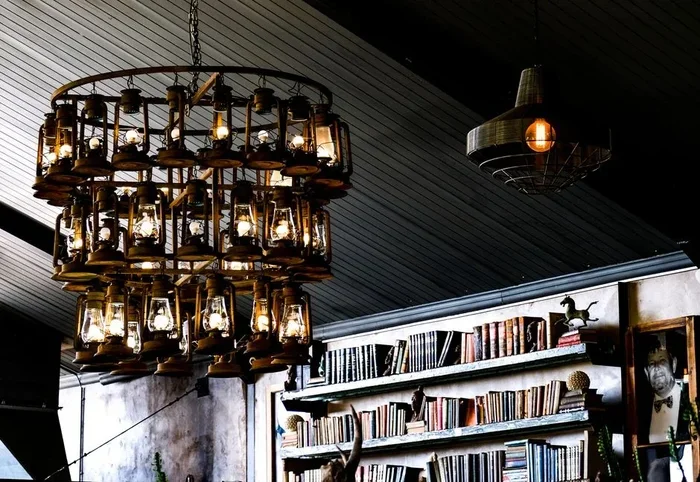
Edison bulbs are perhaps the most iconic part of industrial lighting. Their warm glow and exposed filament design scream authenticity. You will find them in pendant lights, chandeliers, and desk lamps.
Hang a cluster of Edison bulb pendants over your coffee table for a dramatic focal point. This simple change instantly pulls the room into the industrial aesthetic. Black or copper fixtures work best with this bulb style.
Quick Tip: Use dimmable Edison bulbs. They allow you to adjust the brightness based on the mood of the moment. Bright for reading, soft for movie nights.
Floor and Table Lamps
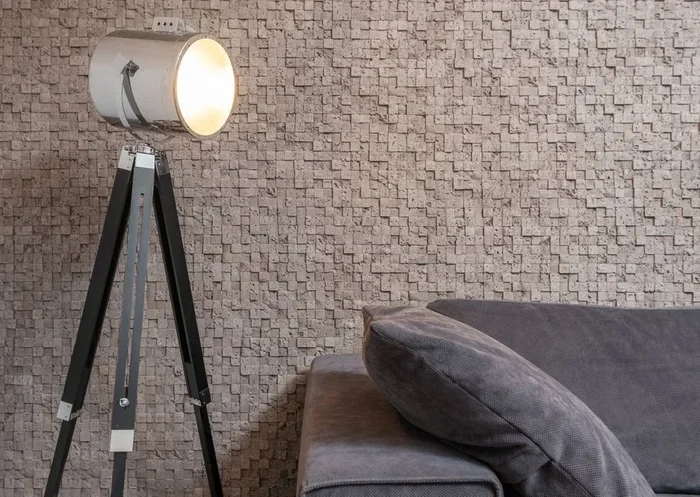
Beyond overhead lighting, consider adding industrial-style floor and table lamps. Floor lamps with tall metal stems and cage-style shades look fantastic in corners. Table lamps with brass or iron bases add a subtle industrial touch to side tables and consoles.
Think about placing lamps at different heights around the room. This creates visual depth and ensures even lighting throughout your industrial living room.
Color Palettes and Textiles for Industrial Spaces
One of the biggest misconceptions about industrial design is that it feels cold or sterile. In reality, the right color choices and textiles can make an industrial space feel warm and inviting.
Neutral Tones That Work
The industrial interior design living room color palette is rooted in neutrals. Here are the core colors you should work with:
- Charcoal gray: A deep, sophisticated base for walls or large furniture pieces.
- Matte black: Used for metal fixtures, frames, and accent pieces.
- Warm brown: Comes from wood elements and leather furniture.
- Off-white or cream: Softens the space and prevents it from feeling too dark.
- Rust or burnt orange: A subtle accent color that adds warmth and earthiness.
Stick to these tones for walls, large furniture, and major decor items. They create a solid foundation that everything else can build on.
Adding Warmth with Fabrics
Textiles are your secret weapon in an industrial room. Without them, the space can feel too hard and cold. Here are the best fabric choices:
- Leather: A leather sofa or armchair is practically made for industrial design. It ages beautifully and adds a luxurious touch.
- Woven throw blankets: Place these on sofas for texture and coziness.
- Canvas pillows: They complement the rugged industrial feel perfectly.
- Wool rugs: A large wool rug anchors the seating area and adds softness underfoot.
Mixing different textures is key. The combination of leather, wool, canvas, and metal creates a rich, layered look that keeps the room visually interesting.
Furniture Selection for an Industrial Vibe
Choosing the right furniture for your industrial living room can make or break the design. The pieces you select should reflect the raw, utilitarian spirit of the style while still being comfortable and functional.
Sofas and Seating
Your sofa is the centerpiece of the room. For an industrial look, choose pieces with clean lines and sturdy frames. Leather sofas in dark brown or black are the top choice. If leather is not your thing, look for fabric sofas in neutral gray or charcoal tones.
Consider adding a vintage leather club chair as a secondary seating option. These chairs have a timeless industrial feel and offer incredible comfort. Mix different seating types to create a layered, lived-in look.
Coffee Tables and Storage
Coffee tables in industrial design often feature metal legs and wood or concrete tops. Reclaimed wood coffee tables are especially popular. They bring character and history to the room.
For storage, open metal shelving units work wonderfully. They keep the space feeling open while providing practical storage. You can display books, plants, and vintage decor items on these shelves to personalize your industrial interior design living room.
Common Mistakes to Avoid in Industrial Design
Even with the best intentions, it is easy to make mistakes when designing an industrial living room. Here are some pitfalls to watch out for:
- Going too dark: Too many dark elements can make the room feel gloomy. Balance dark pieces with lighter accents and plenty of natural light.
- Ignoring comfort: Industrial style does not mean sacrificing comfort. Choose furniture that feels good to sit on, not just looks good.
- Overcrowding with metal: Too much metal can make the space feel cold and unwelcoming. Mix in wood, fabric, and plants to soften the look.
- Forgetting plants: Greenery is a game-changer in industrial rooms. Plants add life, color, and freshness to the space.
- Skipping personal touches: An industrial room should still feel like yours. Add personal items, family photos, and meaningful objects to make it truly yours.
Expert Insight: The best industrial living rooms feel curated, not staged. Choose pieces that you genuinely love and that tell a story. The style is all about authenticity, so let your personality shine through.
Bringing It All Together
Creating an industrial interior design living room is about more than just picking the right furniture. It is about crafting a space that feels honest, grounded, and full of character. Every material, every light fixture, and every textile should work together to tell a cohesive story.
Start with the basics. Exposed walls, raw materials, and a neutral color palette form the foundation. Then layer in lighting, furniture, and textiles to add warmth and personality. Take your time with the process. The best industrial rooms evolve over time as you find the perfect pieces.
Remember, there are no strict rules in industrial design. The style is forgiving and flexible. You can mix in modern elements, add pops of color, or incorporate pieces from other design traditions. What matters most is that the room feels authentic to you.
Now that you have all the tools and inspiration you need, it is time to start planning your industrial living room. Look around your space with fresh eyes. What raw materials could you expose? What metal fixtures could you add? What vintage pieces could you repurpose? The possibilities are endless, and the result will be a living room that is truly one of a kind.
Trust your instincts, have fun with the process, and enjoy watching your industrial vision come to life. Your new industrial interior design living room will be a space that feels both bold and comfortable, rugged yet refined. That is the magic of industrial design, and it is waiting for you to bring it home.
Frequently Asked Questions
What are the key features of an industrial interior design living room?
The key features include exposed brick or concrete walls, metal and steel furniture, reclaimed wood accents, Edison bulb lighting, and a neutral color palette. These elements work together to create a raw, authentic look inspired by old factories and warehouses.
How can I make my industrial living room feel warm and inviting?
Add soft textiles like leather sofas, wool rugs, and woven throw blankets. Incorporate plants for life and color. Use warm lighting with dimmable bulbs. Balance the hard industrial materials with cozy fabrics and personal touches to keep the space welcoming.
Do I need a loft or warehouse to achieve an industrial design?
Absolutely not. You can create an industrial interior design living room in any type of home. Focus on the key elements like exposed materials, metal fixtures, and a neutral palette. These choices will bring the industrial aesthetic to any space, regardless of size or structure.
What colors work best for an industrial living room?
The best colors are charcoal gray, matte black, warm brown, off-white, and cream. You can add subtle accent colors like rust or burnt orange for warmth. Stick to the neutral base to maintain the authentic industrial feel throughout your industrial living room.
Is industrial design expensive to achieve?
Not necessarily. Many industrial elements come from affordable or repurposed sources. Reclaimed wood, secondhand metal furniture, and DIY accents can keep costs low. The style is about authenticity, not price tags. A well-curated industrial room can be achieved on almost any budget.
Can I mix industrial design with other styles?
Yes, and many designers recommend it. Industrial style pairs well with modern, Scandinavian, and mid-century modern aesthetics. The key is to keep the core industrial elements dominant while using other styles to add variety. This creates a unique, personalized look that still feels cohesive.
=== CONCLUSION ===
An industrial interior design living room offers a unique blend of raw charm and modern sophistication. By focusing on exposed materials, metal fixtures, warm textiles, and thoughtful lighting, you can create a space that is both stylish and livable. Remember to balance the rugged elements with comfort and personal touches. Start with the basics, build layer by layer, and let your personality guide your choices. Your dream industrial living room is closer than you think.