I Need Help Decorating My Living Room Starting Today
Struggling with your living room? You are not alone. Many homeowners feel stuck when it comes to living room design and home decor ideas. This guide gives you simple, actionable steps to create a beautiful, cozy living room that reflects your style without breaking the bank.
Ever walk into your living room and just feel… stuck? You know the one. The couch faces the wrong wall. The lighting feels flat. And somehow, every time you try to fix it, nothing really changes.
If you have ever typed “I need help decorating my living room” into a search bar at 2 a.m., you are in the right place. This guide is for real people with real rooms and real budgets. We will walk through everything you need to know to turn your living space into a room you actually love.
Decorating a living room does not have to be overwhelming. It does not require a design degree or a huge budget. It just takes a clear plan, a few smart choices, and the confidence to start. So let us dive in and get your living room looking amazing.
Key Takeaways
- Start with a plan: Measuring your space and choosing a style first saves time and money.
- Furniture arrangement matters: The right layout makes even small rooms feel open and inviting.
- Color sets the mood: Picking the right living room colors instantly transforms the feel of your space.
- Budget-friendly decor works: You do not need to spend a fortune to achieve a stylish look.
- Lighting is a game changer: Layering light sources adds depth and warmth to any room.
- Personal touches matter most: Wall art, throw pillows, and accent pieces make the room feel like yours.
📑 Table of Contents
- Why Decorating Your Living Room Feels So Hard
- Step 1: Define Your Living Room Style
- Step 2: Plan Your Living Room Layout
- Step 3: Choose the Right Colors and Lighting
- Step 4: Add the Finishing Touches That Bring the Room to Life
- Step 5: Decorate on a Budget Without Sacrificing Style
- Common Mistakes to Avoid When Decorating
- Expert Insights: What Designers Wish You Knew
- Putting It All Together: Your Action Plan
Why Decorating Your Living Room Feels So Hard
The living room is the heart of most homes. It is where you relax, entertain guests, and spend quality time with family. Because it serves so many purposes, getting the living room design right feels pressure-packed. You want it to look good and feel functional at the same time.
Many people freeze up because they do not know where to begin. Should you start with the furniture? The paint? The rugs? The truth is, there is no single right order. But having a simple framework makes the whole process a lot less stressful.
Common Reasons People Get Stuck
Here are the most common roadblocks people face when they try to redecorate their living room:
- Too many options: Pinterest and Instagram flood you with endless ideas, making it hard to pick a direction.
- No clear budget: Without a spending plan, purchases feel random and scattered.
- Wrong furniture size: Buying pieces that do not fit the room throws off the entire layout.
- Ignoring the flow: A room can look pretty but still feel uncomfortable to move through.
- Copying someone else’s style: Trying to replicate a designer’s look often clashes with your real life and habits.
Once you recognize these pitfalls, you can avoid them. And that alone puts you ahead of most people attempting a living room makeover on their own.
Step 1: Define Your Living Room Style
Before you buy anything, figure out what style you actually like. This is the foundation of every great home decor idea. Without it, you end up with a mismatched room that feels like a thrift store sale.
Think about the rooms that make you feel calm and happy. Do you gravitate toward clean lines and neutral tones? Or do you love bold colors and layered textures? Your answer points you toward a style that suits your personality.
Popular Living Room Styles to Consider
Here are some of the most loved interior design tips for choosing a style:
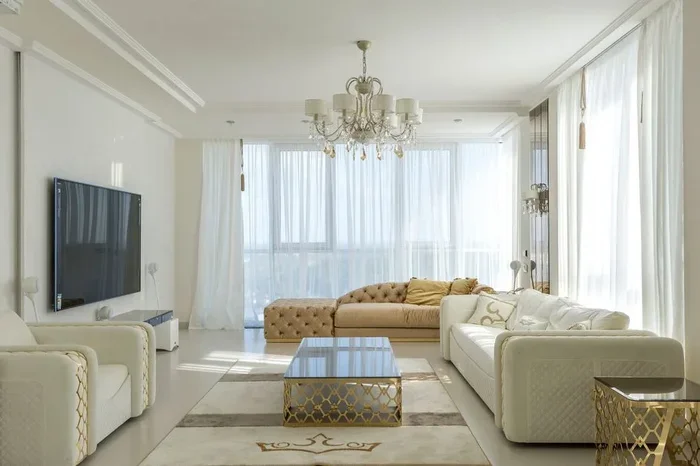
- Modern Minimalist: Clean lines, neutral palette, and very little clutter. Think white walls, sleek furniture, and open space.
- Bohemian: Warm, eclectic, and layered. Mix patterns, textures, and colors freely for a cozy, collected-over-time feel.
- Coastal: Light blues, whites, and natural textures like jute and wood. It brings a relaxed, beachy vibe indoors.
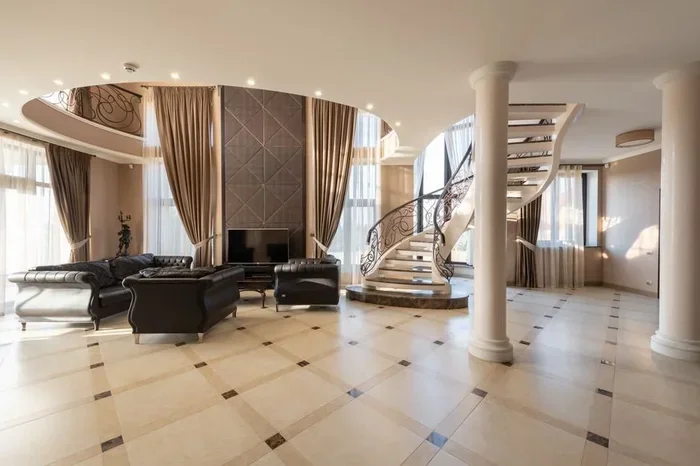
- Traditional: Rich wood furniture, classic patterns, and elegant accessories. It feels timeless and polished.
- Farmhouse: Rustic wood, neutral tones, and cozy textiles. It creates a warm, welcoming atmosphere.
Pick one style as your anchor. You can always mix in a few elements from other styles, but having one main direction keeps your home styling cohesive and intentional.
Step 2: Plan Your Living Room Layout
The layout is the backbone of any living room layout. It determines how the room flows, how comfortable it feels, and how you actually use the space every day. A bad layout can make a beautiful room feel wrong.
Start by measuring your room. Write down the dimensions of the walls, doors, windows, and any architectural features like fireplaces or built-in shelves. Then measure your existing furniture. This sounds basic, but many people skip it and end up with furniture that does not fit.
Furniture Arrangement Tips That Actually Work
Getting the furniture arrangement right changes everything. Here are proven tips to try:
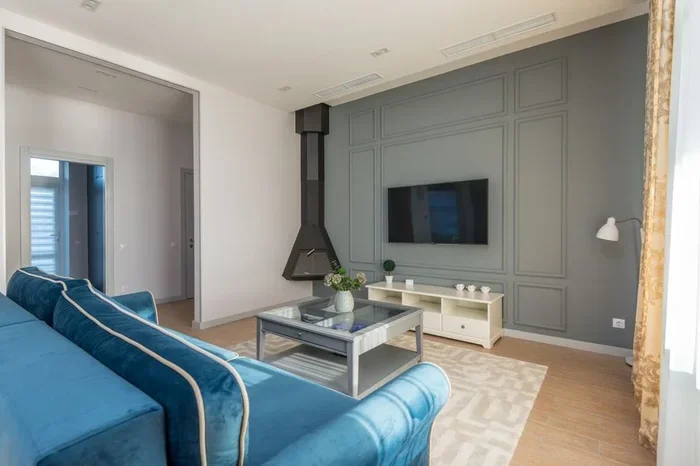
- Start with the focal point. Every room needs one. It could be a fireplace, a TV, a window with a great view, or a piece of wall art. Arrange your main seating around it.
- Create conversation areas. Pull your sofa and chairs close enough that people can talk comfortably without shouting. About 8 to 10 feet apart works well.
- Leave walking paths clear. You should be able to walk through the room without squeezing past furniture. Aim for at least 30 inches of clearance on main paths.
- Use an area rug to define zones. In open concept living rooms, a rug helps anchor the seating area and signals “this is the living space.”
- Balance the visual weight. If you have a large sofa on one side, balance it with a couple of chairs or a tall piece of furniture on the other side.
These living room design basics apply whether your room is tiny or spacious. The key is to plan before you move a single piece of furniture.
Step 3: Choose the Right Colors and Lighting
Living room colors and lighting work together to set the entire mood of the space. Get these two things right, and everything else falls into place more easily.
Picking a Color Palette
When choosing living room colors, start with something you love looking at every day. Neutrals like warm white, soft gray, and beige are timeless and work with almost any style. But do not be afraid to add a pop of color through accessories.
Here is a simple rule of thumb:
- 70% neutral base: Walls, large furniture, and main rugs.
- 20% secondary color: Curtains, throw pillows, and a sofa accent.
- 10% accent color: A bold throw blanket, a vase, or a piece of wall art.
This decorating on a budget trick keeps your room balanced without needing a lot of expensive pieces.
Layering Your Lighting
One of the biggest mistakes in living room interior design is relying on a single overhead light. Good lighting comes from layers:
- Ambient lighting: The main light source, like a ceiling fixture or recessed lights. It fills the room with general light.
- Task lighting: A floor lamp next to a reading chair or a table lamp on a side table. It helps you do specific activities.
- Accent lighting: Picture lights, LED strips, or candles that highlight artwork or architectural details.
Accent lighting especially adds warmth and depth. It makes a room feel curated rather than flat. Even a couple of affordable table lamps can completely change the vibe of your space.
Step 4: Add the Finishing Touches That Bring the Room to Life
This is where the magic happens. The finishing touches are what turn a “nice” room into a “wow” room. They add personality, warmth, and character to your home decor ideas.
Wall Art and Decor
Wall art is one of the easiest and most affordable ways to personalize a living room. A large statement piece above the sofa creates instant impact. Or try a gallery wall with a mix of framed prints, photos, and small shelves.
When hanging art, keep the center of the piece at eye level, which is about 57 to 60 inches from the floor. This interior design tip makes a huge difference in how balanced the room looks.
Throw Pillows and Textiles
Throw pillows do more than add comfort. They add color, pattern, and texture to your seating. Mix different sizes and fabrics for a layered, collected look. But avoid going overboard. Three to five pillows per seating area usually looks just right.
Add a cozy throw blanket draped over the sofa for extra warmth and visual interest. Textiles like curtains and cushions also help absorb sound, making the room feel quieter and more peaceful.
Coffee Table Styling
Your coffee table decor sets the tone for the whole room. Keep it simple and intentional. A small tray with a candle, a stack of books, and a small plant creates a polished look. Avoid cluttering the surface. Less is more.
In smaller rooms, choose a coffee table with storage underneath. This keeps essentials like remote controls and magazines hidden while still looking tidy.
Step 5: Decorate on a Budget Without Sacrificing Style
You do not need a big budget to create a stunning living room makeover. Some of the best home styling tricks cost very little or nothing at all.
Budget-Friendly Decorating Ideas
- Rearrange what you already own. Sometimes simply moving your furniture to a new position refreshes the entire room for free.
- Paint an accent wall. A single painted wall adds drama and depth without the cost of redecorating the whole room.
- Shop secondhand. Thrift stores, flea markets, and online marketplaces often have high-quality furniture at a fraction of retail prices.
- DIY wall art. Print your own photos, create a canvas with a favorite quote, or make a simple woven wall hanging.
- Refresh with textiles. New curtains, a throw blanket, or a set of cushion covers can completely change the feel of a room.
- Add plants. Greenery brings life and color to any space. Even a single potted plant makes a noticeable difference.
The secret to successful decorating on a budget is to focus on impact, not expense. A $15 throw pillow can make just as much difference as a $200 sculpture if you place it well.
Common Mistakes to Avoid When Decorating
Even the best intentions can lead to decorating mistakes. Here are a few to watch out for during your living room makeover:
- Skipping the rug: A rug anchors the furniture and defines the seating area. Without it, the room can feel disconnected.
- Matching everything perfectly: A perfectly matched set can look sterile. Instead, mix patterns and textures within the same color family for a more dynamic look.
- Choosing furniture first: Always plan the layout and style before buying furniture. The pieces should serve the room, not the other way around.
- Ignoring scale: A tiny room needs small-scale furniture. A large room needs larger pieces. Getting the scale wrong makes the space feel off.
- Forgetting about storage: A beautiful room quickly looks cluttered if you have nowhere to put things. Incorporate baskets, ottomans with storage, and shelving.
Avoiding these pitfalls keeps your living room interior design looking polished and intentional from day one.
Expert Insights: What Designers Wish You Knew
Professional interior designers use a few tricks that make a big difference. Here is what they want you to know:
- Start with a blank canvas. Clear the room as much as possible before you begin. This helps you see the space clearly and plan without distractions.
- Follow the 60-30-10 rule. This classic color rule keeps your palette balanced and visually appealing.
- Layer your textures. Combining smooth, rough, soft, and shiny surfaces adds richness and depth to the room.
- Think vertically. Use wall space for shelves, art, and hanging plants to draw the eye upward and make the room feel larger.
- Edit yourself. After you finish decorating, remove one item. Editing creates a more intentional and calming space.
These interior design tips come from years of professional experience. They are simple to apply and make a noticeable impact on any room.
Putting It All Together: Your Action Plan
Now that you have all the tools, here is a simple action plan to get started right away:
- Choose your style. Spend 30 minutes browsing for inspiration and pick a direction.
- Measure your room. Write down dimensions and sketch a rough floor plan.
- Declutter. Remove anything you do not need or love from the space.
- Plan the layout. Arrange furniture around the focal point with clear walking paths.
- Pick your color palette. Choose wall color, furniture tones, and accent colors.
- Layer the lighting. Add at least two or three light sources at different heights.
- Add finishing touches. Hang wall art, style your coffee table, and add throw pillows and blankets.
Following these steps turns the overwhelming task of decorating a living room into a manageable, even enjoyable process. You do not have to do it all in one weekend. Take it one step at a time and enjoy the journey.
Remember, the goal is not a perfect room from a magazine. The goal is a space that feels like you — a place where you can relax, connect with loved ones, and recharge. When you focus on that, the design takes care of itself.
So go ahead. Start today. Your dream living room is closer than you think, and with these tips, you have everything you need to make it real.
Frequently Asked Questions
How do I start decorating my living room if I have no idea where to begin?
Start by choosing a style you love and measuring your room. These two simple steps give you a clear direction. Then focus on the layout and color palette before buying anything new. Breaking it into small steps makes the whole process much less intimidating.
What is the best living room layout for a small space?
For small rooms, float your furniture away from the walls and use a smaller-scale sofa. Place the chairs facing each other to encourage conversation. Use a light-colored area rug and keep walking paths clear. These tricks make small spaces feel open and inviting.
How can I decorate my living room on a tight budget?
Rearrange existing furniture, add throw pillows and blankets, and refresh with new curtains. DIY wall art and secondhand finds are also great budget-friendly options. A fresh coat of paint on an accent wall can completely transform the room without a big expense.
What colors work best for a living room?
Neutrals like warm white, soft gray, and beige are timeless and versatile. You can add personality through accent colors in pillows, art, and decor. The 60-30-10 color rule helps you create a balanced and harmonious palette that never goes out of style.
How do I make my living room feel cozy and inviting?
Layer warm lighting, add soft textiles like throw blankets and cushions, and include natural elements like plants or wood accents. A well-placed area rug and a few personal items like family photos or favorite books also make the space feel warm and welcoming.
Should I hire a professional interior designer or decorate myself?
Many homeowners successfully decorate their own living rooms with the right guidance. Start with free resources like design blogs and Pinterest for inspiration. If your budget allows, even a single consultation with a designer can give you a custom plan and save you from costly mistakes.
=== CONCLUSION ===
Decorating your living room does not have to be stressful or expensive. With a clear plan, a defined style, and a few smart choices, you can create a space that looks great and feels like home. From choosing the right layout and colors to adding those final finishing touches, every step brings you closer to the living room you have always wanted.
Start with one small change today. Rearrange a piece of furniture, add a new throw pillow, or simply hang a piece of art you love. These small wins build momentum and confidence. Before long, you will look around your room and think, “I did this, and it looks amazing.”
So take that first step. Your living room makeover starts now, and you have all the tools to make it happen.