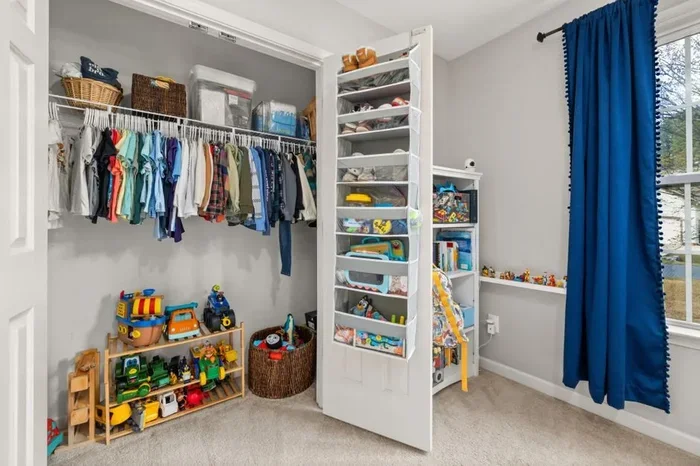
How to Organize Toys in the Living Room Without Stress
Learning how to organize toys in the living room is easier than you think. With the right toy storage ideas and a simple toy rotation system, you can keep your living room organization looking clean and inviting. These practical tips help busy families create a child-friendly storage setup that works every single day.
Let’s face it. The living room can turn into a toy explosion zone faster than you can say “clean up time.” Blocks scattered across the carpet. Stuffed animals piled on the couch. Small plastic pieces hiding under every cushion. If you have ever felt overwhelmed by the mess, you are not alone. Learning how to organize toys in the living room does not have to be a daily battle. With the right approach, you can create a space that looks great and still welcomes your kids to play freely.
The secret is finding a system that fits your family’s lifestyle. Some people love fancy storage furniture. Others prefer simple toy bins and baskets. No matter your style, there is a solution that works for you. In this guide, we will walk you through every step of living room organization with toys. You will learn practical tips, avoid common mistakes, and walk away with a plan you can start today.
Key Takeaways
- Use hidden storage solutions to keep toys out of sight while keeping them accessible.
- Set up a toy rotation system to reduce clutter and keep kids engaged.
- Choose low-profile toy storage that fits your living room decor and keeps safety in mind.
- Involve your kids in the process to teach them organization habits early on.
- Declutter regularly by donating or discarding toys your children have outgrown.
- Use multi-purpose furniture like ottomans and benches with built-in storage.
- Create dedicated zones for different types of play to keep things tidy.
📑 Table of Contents
- Why Organizing Toys in the Living Room Matters
- Assess Your Space Before You Start
- Choose the Right Storage Solutions
- Create a Toy Rotation System
- Declutter Before You Organize
- Design Play Zones in Your Living Room
- Involve Your Kids in the Process
- Common Mistakes to Avoid When Organizing Toys
- Comparison: Storage Solutions at a Glance
- Final Thoughts on Organizing Toys in the Living Room
Why Organizing Toys in the Living Room Matters
A cluttered living room affects more than just how your home looks. It affects how you feel when you walk through the door after a long day. Toys everywhere can make a space feel chaotic and stressful. On the flip side, a tidy play area creates a calm, welcoming environment for the whole family.
Beyond aesthetics, organizing kids toys in the living room has real benefits for your children. When toys have a designated place, kids learn responsibility and order. They know where things go, which makes cleanup faster and easier. Over time, this builds organization skills that will serve them well into adulthood.
The Mental Health Benefits of a Tidy Space
Research shows that clutter increases stress and anxiety. When your living room looks messy, your brain feels it too. A well-organized space promotes calm and focus. For kids, a tidy play area encourages better play habits. They are less likely to feel overwhelmed when they can see their options clearly.
Safety Benefits You Cannot Ignore
Toys left on the floor are a tripping hazard, especially for younger children and elderly family members. Small parts scattered around can be a choking risk for toddlers. Proper toy storage keeps the floor clear and reduces the chance of accidents. A safe living room is a peaceful living room.
Assess Your Space Before You Start
Before you buy any storage bins or shelves, take a good look at your living room. Every room is different. What works for one family might not work for yours. A quick assessment saves time and money in the long run.
Measure Your Available Space
Grab a tape measure and note the dimensions of your living room. Look at wall space, corners, and areas under windows. Pay attention to how much floor space your family actually uses for play. You want storage that fits comfortably without making the room feel cramped.
Identify Your Storage Challenges
What frustrates you the most about toy clutter? Is it that pieces spill out of open bins? Do toys end up scattered because there is no easy access to storage? Maybe you simply do not have enough room for everything. Writing down your biggest challenges helps you choose the right solutions.
Consider Your Family’s Unique Needs
Do you have toddlers who need low-profile storage they can reach? Do older kids have small pieces that require careful organizing? Is the living room also a guest room? Your family’s specific needs should drive every decision you make. There is no one-size-fits-all answer for how to organize toys in living room spaces.
Choose the Right Storage Solutions
This is where the fun begins. Choosing the right toy storage ideas can transform your living room completely. The goal is to find solutions that are functional, safe, and stylish. Below are some of the best options to consider.
Toy Bins and Baskets
Toy bins and baskets are the simplest and most affordable option. They come in all shapes, sizes, and materials. Woven baskets add a warm, natural look to any room. Plastic bins with lids keep dust off and contain small pieces. Place them on shelves, under tables, or in corners for easy access.
When choosing baskets, pick ones your kids can carry themselves. Lightweight options work best for younger children. Label each basket with pictures or words so everyone knows where things go. This small step makes a huge difference in play area organization.
Toy Shelves and Bookcases
Open shelving is a popular choice for living room organization. Wall-mounted shelves keep toys off the floor and create a display area. Use cube organizers to separate different types of toys. Baskets on lower shelves hold items that do not fit neatly on the shelves.
Bookcases work well too, especially if you have a mix of books and toys. Lower the shelves where your kids can reach them. Use the upper shelves for items you rotate or store seasonally. This setup keeps things accessible while maintaining a clean look.
Hidden Storage Furniture
If you want to keep toys completely out of sight, hidden storage furniture is your best friend. Ottomans with built-in compartments, benches with lift-up seats, and coffee tables with storage drawers all serve double duty. Your living room stays stylish, and your toys stay tucked away.
Look for furniture pieces that match your decor. Many brands now offer storage furniture designed specifically for family rooms. These pieces blend seamlessly into any home while providing generous hidden storage for organize kids toys quickly and easily.
Toy Caddies and Rolling Cart
A toy caddy or rolling cart offers flexibility that fixed storage cannot match. You can move it from room to room as needed. This is perfect for families who play in multiple areas of the house. Use the tiers to separate different types of toys or activities.
Rolling carts also work well for arts and crafts supplies. Markers, crayons, and paper stay contained and easy to find. When playtime is over, simply roll the cart into a corner or closet. It is one of the most versatile toy organization tips you can use.
Create a Toy Rotation System
One of the most effective ways to manage toys in the living room is to use a toy rotation system. Instead of having every toy out at once, you store most of them and rotate a selection every week or two. This keeps things fresh and exciting for your kids while dramatically reducing clutter.
How a Toy Rotation System Works
Start by sorting all your toys into groups. You might have categories like building toys, pretend play, art supplies, and puzzles. Store each group in a separate bin or box. Every one or two weeks, swap out one group for another. The toys that come out feel new and interesting to your children.
This method works because kids often lose interest in toys they see every day. When those same toys reappear after being hidden away, they feel exciting again. You also spend less time picking up and more time enjoying quality family time in a tidy space.
Step-by-Step Guide to Starting Your Rotation
- Gather all toys and sort them into categories.
- Choose a number of toys per category to keep out at one time.
- Store the rest in labeled bins in a closet, garage, or spare room.
- Set a schedule to rotate toys every 7 to 14 days.
- Involve your kids in choosing which toys to bring out next.
Following these steps creates a sustainable routine. Over time, your kids may even start reminding you when it is time for a rotation. That is the power of a good system.
Declutter Before You Organize
You cannot organize a mountain of toys. Before you set up any storage system, take time to declutter. This step is essential for long-term living room organization success. A toy decluttering session clears out what you no longer need and makes organizing much easier.
How to Decide What to Keep
Walk through your kids’ toys and ask yourself a few questions. Has your child played with this in the last six months? Is it broken beyond repair? Is it too young for your child now? If the answer is no, it is time to let it go.
Be honest with yourself during this process. You do not need to keep every toy “just in case.” Most children thrive with fewer, higher-quality toys. They play more creatively and focus better when they have less to manage.
Where to Donate or Sell Unwanted Toys
Once you have a pile of toys to give away, look for local donation centers. Many shelters, churches, and charities accept gently used toys. You can also sell items online through resale platforms or host a neighborhood toy swap. This gives old toys a second life and helps others in your community.
Design Play Zones in Your Living Room
Creating dedicated play zones is a game-changer for play area organization. When kids know where certain activities happen, cleanup becomes more natural. Each zone has its own spot for related toys, which makes putting things away second nature.
Reading Corner
Set up a cozy reading nook with a small shelf for books and a soft chair or bean bag. Keep a few stuffed animals nearby for comfort. This zone encourages quiet time and independent play. It also keeps books organized and easy to find.
Building and Construction Zone
designate a low table or a section of floor for building toys. Store blocks, LEGO pieces, and building sets in clear containers so kids can see what is inside. A nearby shelf or bin keeps everything contained. This zone works best on a hard floor for easy cleanup.
Creative Arts Station
An arts station keeps markers, crayons, paper, and craft supplies in one place. Use a caddy or a small rolling cart to store supplies. Hang a small corkboard or chalkboard on the wall for displaying artwork. This zone contains mess and makes creative play more enjoyable.
Involve Your Kids in the Process
One of the best toy organization tips is to get your children involved. When kids help organize their own toys, they are much more likely to keep things tidy. It also teaches them valuable life skills they will use forever.
Make Cleanup Fun
Turn cleanup time into a game. Set a timer and see who can pick up the most toys before it goes off. Play upbeat music and dance while you clean together. You can also make it a race between family members. When cleanup feels like play, kids actually look forward to it.
Teach Kids to Label and Sort
Use picture labels on bins and shelves so even young children can put things away correctly. Show them how to sort toys by type, size, or how often they play with them. These simple lessons build organization skills that pay off for years to come.
Set Clear Rules and Expectations
Let your kids know that playing with toys means putting them away afterward. Keep rules simple and consistent. “One toy out before another goes in” is a rule that works wonders. When everyone follows the same expectations, living room organization becomes a shared family effort rather than a parent-only chore.
Common Mistakes to Avoid When Organizing Toys
Even with the best intentions, some mistakes can derail your living room organization efforts. Knowing what to avoid saves you time, money, and frustration.
Buying Too Much Storage Too Soon
It is tempting to buy every cute bin and shelf you see online. But rushing into storage purchases often leads to wasted money and unused space. Declutter first, then buy only what you need. Measure your space carefully before purchasing any storage furniture.
Using Storage That Is Too Complicated
If your storage system is too complex, your kids will not use it. Fancy drawer systems and intricate labeling may work for adults, but children need simple solutions. Open bins, picture labels, and low shelves are much more effective for young kids. Keep your child-friendly storage easy to understand and access.
Forgetting to Maintain the System
Setting up a system is only half the battle. Without regular maintenance, clutter creeps back in fast. Make it a habit to do a quick tidy-up each evening. Review your rotation schedule monthly. Adjust your setup as your kids grow and their needs change. Maintenance is the key to lasting living room organization.
Comparison: Storage Solutions at a Glance
With so many options available, choosing the right storage can feel overwhelming. Here is a quick comparison to help you decide which solutions work best for your living room.
| Storage Type | Best For | Pros | Cons |
|---|---|---|---|
| Toy Bins and Baskets | Quick cleanup and easy access | Affordable, flexible, easy to move | Can look cluttered if overfilled |
| Toy Shelves | Display and frequent-use toys | Keeps items visible and accessible | Takes up wall space |
| Hidden Storage Furniture | Keeping toys out of sight | Stylish, multi-purpose, spacious | More expensive, heavier |
| Toy Caddies and Rolling Carts | Flexible, multi-room use | Portable, versatile, affordable | May not hold large items |
| Under-Seat Storage | Small spaces and hidden storage | Uses dead space, doubles as seating | Harder to access for small kids |
The best approach often combines two or more of these solutions. For example, use shelves for frequently played-with toys and hidden storage for items you rotate. Mix and match until you find the perfect balance for your family.
Final Thoughts on Organizing Toys in the Living Room
How to organize toys in the living room does not require a complete home makeover or hours of free time. It starts with one simple step: choosing a system that works for your family. Whether you use toy bins, hidden furniture, or a toy rotation system, the goal is the same. A living room that feels calm, welcoming, and organized.
Remember that no system is perfect from day one. You will tweak and adjust as you learn what works best. That is completely normal. The important thing is that you are taking action. Every small change you make brings you closer to a tidy, stress-free living space.
Start with decluttering. Add storage that fits your room and your budget. Get your kids involved. Build a rotation schedule. And most importantly, be patient with yourself. A well-organized living room is not a destination. It is a habit you build over time. You have got this, and your family will thank you for it.
Frequently Asked Questions
What is the best way to store toys in a small living room?
Use vertical space with wall-mounted shelves and choose furniture with built-in storage. Ottomans and benches with hidden compartments work wonders in small rooms. A toy rotation system also helps keep the number of visible toys manageable.
How often should I rotate my kids’ toys?
Every one to two weeks is a good starting point. Watch your kids to see if they seem bored with their current toys. If they are losing interest, it is time for a swap. Rotating toys keeps playtime fresh without buying new items.
How do I get my kids to actually put their toys away?
Make cleanup a routine and keep it fun. Use picture labels on bins so young children can match toys to the right spots. Turn it into a game or play music to make it enjoyable. Consistency and positive reinforcement go a long way toward building lasting habits.
What type of toy storage is safest for toddlers?
Choose low-profile storage that is easy for little ones to reach. Avoid heavy shelves that could tip over. Use bins without sharp edges and avoid small containers that pose choking hazards. Secure tall furniture to the wall with anti-tip straps for added safety.
Can I organize toys in the living room without buying new storage?
Absolutely. Start by decluttering and using what you already have. Repurpose baskets, boxes, and bins you already own. Use existing shelves and tables creatively. Even a simple cloth draped over a laundry basket can create an effective toy caddy on a budget.
How do I maintain a tidy living room with kids every day?
Build short cleanup routines into your daily schedule. A five-minute tidy before dinner or bedtime makes a big difference. Keep toy organization simple so it does not feel like a chore. When the whole family participates, maintaining order becomes second nature.
=== CONCLUSION ===
Organizing toys in the living room is one of the most rewarding things you can do for your home and your family. A well-organized space reduces stress, keeps kids safe, and creates a warm environment everyone enjoys. Use the toy storage ideas and practical tips shared in this guide to find what works best for your household. Start small, stay consistent, and remember that progress matters more than perfection. Your tidy living room is just a few simple steps away.