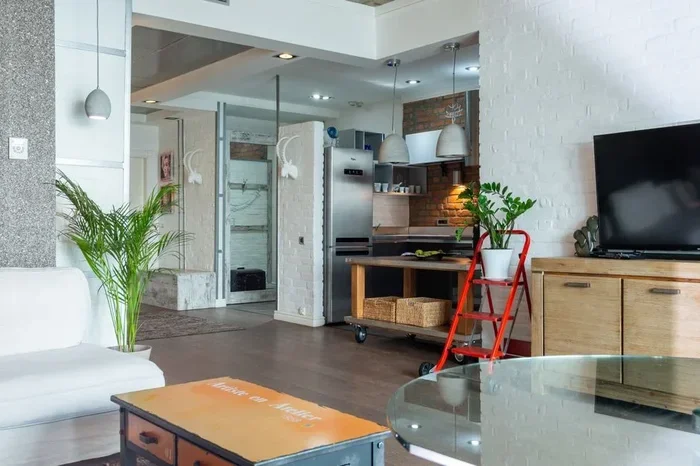
Brilliant Ways to Hide a Fridge in Your Living Room
Hiding a fridge in your living room is easier than you think. With the right fridge cover ideas, you can turn an eyesore into a design feature. This guide shares practical hiding solutions like cabinets, curtains, and built-in panels that blend your appliance into your living room decor. Whether you have a small apartment or a large open-plan space, you will find a kitchen-in-living-room strategy that works for your budget and style.
Let us be honest. A fridge sticking out in your living room can ruin the whole vibe. It breaks the flow. It clashes with your furniture. And it makes your carefully styled space feel more like a cafeteria than a home. But here is the good news. You do not have to live with it. There are so many clever ways to hide a fridge in living room settings without breaking the bank or hiring a contractor. In this guide, we will walk you through every option. From simple DIY curtains to full built-in pantry conversions, you will find the perfect solution for your space, budget, and style.
Whether you are in a studio apartment where the kitchen lives in the same room as your couch, or you have an open-plan layout that blurs the line between cooking and lounging, this article has you covered. We will explore fridge curtain ideas, appliance cabinet designs, room divider tricks, and much more. Every method is practical, tested, and easy to adapt. Let us dive in and turn that fridge from a design problem into a hidden gem.
Key Takeaways
- Curtains and screens offer the easiest and most affordable way to hide a fridge in living room spaces.
- Built-in cabinets and pantry conversions create a seamless, custom look that hides appliances completely.
- Sliding barn doors and room dividers add style while keeping your fridge out of sight.
- Fascia panels and fridge wraps let you match your appliance to your wall color or cabinetry.
- Strategic furniture placement and living room layout tricks can naturally conceal a fridge without any construction.
- DIY hacks like curtains, fabric covers, and decorative screens are perfect for renters or budget-conscious homeowners.
- Ventilation and access must always be considered when choosing any fridge-hiding method.
📑 Table of Contents
- Why Hiding Your Fridge in the Living Room Matters
- Curtains and Fabric Covers: The Simplest Solution
- Built-In Cabinets and Pantry Conversions
- Sliding Doors and Room Dividers
- Furniture and Layout Tricks to Conceal a Fridge
- Common Mistakes to Avoid When Hiding Your Fridge
- DIY Fridge Hiding Projects You Can Start Today
- Final Thoughts: Finding the Right Hide for Your Fridge
- Frequently Asked Questions
Why Hiding Your Fridge in the Living Room Matters
You might wonder why anyone would go to the trouble of concealing a fridge. The answer is simple. Living room aesthetics matter. Your living room is where you relax. It is where you entertain guests. It is the first room people see when they walk through your door. A bulky white or stainless steel fridge in the middle of that space pulls the eye away from your beautiful furniture, artwork, and lighting. It creates visual clutter that makes even the most decorated room feel incomplete.
Beyond looks, there are practical reasons too. A visible fridge can collect dust and grease splatters that are hard to match with your decor. It can also make the room feel colder, especially in winter. And let us talk about noise. Modern fridges hum and sometimes make annoying popping sounds. Hiding the fridge can reduce that distraction and help your living room feel more peaceful. When you invest in a good fridge hiding solution, you are not just improving how the room looks. You are improving how the room feels every single day.
The Rise of Kitchen-in-Living Room Layouts
Open-plan living has been a trend for years, and it is not slowing down. Many modern homes and apartments combine the kitchen and living room into one shared space. This is great for entertaining and family time. But it also means your fridge, microwave, and other appliances are on full display. Kitchenette ideas have evolved to address this challenge. Homeowners now look for smart ways to integrate appliances into the living area without sacrificing style. Appliance garage concepts and pantry conversions have become go-to strategies for anyone who wants a functional kitchen without a closed-off room.
Curtains and Fabric Covers: The Simplest Solution
If you want the easiest and most affordable option, a curtain is your best friend. A fridge curtain hangs right over the appliance and instantly hides it from view. You can use a tension rod or a curtain rod mounted above the fridge. Choose a fabric that matches your curtains or drapes, and suddenly your fridge disappears. This method works especially well in small living room layouts where you want to keep things light and airy.
One of the biggest advantages of using a curtain is flexibility. You can pull it aside anytime you need to grab a drink or rearrange items inside. It is also perfect for renters who cannot make permanent changes. Just make sure the fabric you choose is heat-resistant and does not block ventilation. A decorative fridge screen made of woven wood or bamboo is another lovely alternative. These screens add texture and warmth while doing the same job as a curtain.
Tips for Choosing the Right Fabric
- Pick a fabric that matches your existing window curtains for a cohesive look.
- Choose a lightweight material that does not trap heat around the fridge compressor.
- Use a blackout or thick linen fabric if you want extra insulation and a more polished look.
- Add a valance or swag at the top for a finished, decorator-worthy appearance.
- Consider a fridge curtain rod with a retractable design so you can easily pull the curtain aside.
Built-In Cabinets and Pantry Conversions
If you are willing to invest a bit more time and money, a built-in cabinet is the gold standard for hiding a fridge. A pantry conversion turns your fridge into a seamless part of your furniture. You build or install cabinets around the appliance so that the doors sit flush with the rest of the cabinetry. The result looks like a custom piece of furniture, not a fridge at all. This is one of the most popular appliance cabinet designs for people who want a truly integrated look.
With a built-in setup, you can add shelves above the fridge for extra storage. You can also match the finish to your existing woodwork or paint it to blend with your walls. The key is to leave enough ventilation space at the back and sides so the fridge can breathe properly. Without airflow, the compressor works harder, which raises your energy bill and shortens the life of the appliance.
Measuring for a Perfect Fit
- Measure the height, width, and depth of your fridge, including any handles or vents.
- Add at least 2 inches of clearance on each side for airflow.
- Measure the ceiling height if you plan to build floor-to-ceiling cabinets.
- Account for the space needed to open the fridge doors fully.
- Check the electrical outlet location so your cabinet design does not block access.
Fascia Panels and Fridge Wraps
Not ready for full cabinets? A fridge facade or panel is a middle-ground solution. These are flat panels that attach to the front of your fridge, covering the brand logo and the door. You can paint them to match your wall color or wrap them in the same material as your kitchen cabinets. Some companies sell custom fridge paneling kits that make the process simple and mess-free.
A fridge wrap is a step up from a panel. It covers the entire front of the appliance with a decorative design. You can find wraps that look like wood, marble, or even chalkboard paint. This is a fun way to give your fridge a fridge makeover that fits your personal style. Just remember to remove the wrap when you need to defrost or clean the fridge, and make sure the wrap does not block any vents.
Sliding Doors and Room Dividers
A sliding barn door is one of the most stylish ways to conceal a fridge. You install a door frame around the fridge and hang a sliding barn door in front of it. The door slides open when you need access and closes when you want the fridge out of sight. Barn doors come in wood, metal, and even fabric options, so you can match them to your living room decor easily.
Room dividers work in a similar way but offer more flexibility. A folding screen or a bookcase divider placed in front of the fridge creates a visual separation between the kitchen area and the lounging area. This is a great trick for studio apartments where the living room doubles as the kitchen. The divider does more than hide the fridge. It also defines zones within an open space, making the room feel more organized and intentional.
Comparing Fridge Hiding Methods
| Method | Cost | Difficulty | Best For |
|---|---|---|---|
| Curtain or Fabric Cover | Low ($15-$50) | Easy | Renters, budget projects, quick fixes |
| Decorative Screen | Low to Medium ($30-$100) | Easy | Small spaces, added texture |
| Fascia Panel or Wrap | Medium ($50-$150) | Moderate | Temporary or renter-friendly makeover |
| Sliding Barn Door | Medium to High ($100-$300) | Moderate | Stylish concealment with character |
| Built-In Cabinet | High ($300-$1,500+) | Difficult | Custom, permanent, seamless look |
| Room Divider or Bookshelf | Low to Medium ($40-$200) | Easy to Moderate | Open-plan studios, zoning |
Furniture and Layout Tricks to Conceal a Fridge
Sometimes the best way to hide a fridge is not to cover it at all. Instead, you can use your furniture and room layout to naturally draw the eye away from the appliance. Here are some clever tricks that work wonders in any living room layout.
Place a sofa or a large armchair in front of the fridge so it faces the room instead of the guests. A console table or a slim cabinet between the fridge and the seating area also helps block the view. You can position a tall plant or a bookshelf next to the fridge to create a visual barrier. Even a simple rug placed in front of the fridge can signal to the eye that this area is part of a different zone.
The goal is to make the fridge feel like it belongs in the background, not the foreground. Think of your living room decor as a stage. You are directing the audience’s attention to the focal points you want them to see. A well-placed piece of art, a statement light fixture, or a beautiful fireplace naturally pulls the eye away from any hidden appliances.
Quick Tips for Furniture Placement
- Use tall furniture like armoires or sideboards to block the fridge from main sightlines.
- Place a mirror on the wall opposite the fridge to reflect the room and draw attention elsewhere.
- Use lighting to highlight your decor and create shadows around the fridge area.
- Keep the floor area around the fridge clear of clutter so it does not draw extra attention.
Common Mistakes to Avoid When Hiding Your Fridge
Hiding a fridge is not just about making it look good. There are some important mistakes that people make, and avoiding them will save you time, money, and frustration.
First mistake: blocking ventilation. Your fridge needs airflow to work properly. If you seal it inside a tight cabinet with no gaps, the compressor will overheat. This leads to higher energy costs, faster wear and tear, and even a fire risk in extreme cases. Always leave clearance at the back and sides of the fridge, even when you hide it behind a panel or curtain.
Second mistake: forgetting about access. Your hiding solution should not make it harder to get to the fridge. If you have to move a heavy cabinet or climb over a screen every time you want a snack, the design is not working for you. Make sure doors open fully and that you can reach the handles without moving anything out of the way.
Third mistake: choosing the wrong materials. Flammable fabrics or thin plastics placed too close to a warm fridge can be a safety hazard. Stick to heat-resistant materials and keep anything combustible at a safe distance. Also, avoid heavy materials that could damage the fridge door or dent the appliance if they bump into it.
Fourth mistake: ignoring the floor. A fridge that sits on an uneven floor can wobble and vibrate. If you add a rug or a platform around the fridge, make sure it is level and stable. An unlevel fridge also uses more energy and makes more noise.
Expert Insight: Ventilation Is Non-Negotiable
According to appliance experts, every fridge needs at least 2 to 3 inches of clearance on the sides and 1 to 2 inches at the back. This space allows hot air to escape from the condenser coils. Without it, the fridge works harder and uses more electricity. When you build a cabinet or install a panel, always include ventilation gaps or use louvered doors that let air circulate freely. This small detail makes a huge difference in the lifespan of your appliance.
DIY Fridge Hiding Projects You Can Start Today
Not sure where to begin? Start with a simple DIY project that takes less than an hour. A tension rod and a curtain is the fastest way to hide a fridge. Just measure the width of the fridge, install the rod above it, and hang a curtain that covers the entire appliance. You can use a curtain you already own or pick up a cheap fabric from a craft store.
For a slightly more advanced project, try building a simple frame around the fridge and attaching a decorative screen or fabric. You can use wooden dowels and fabric to create a framed panel that slides over the fridge. This gives you a more finished look without any permanent changes. Paint the frame to match your wall color, and you will barely notice the fridge is there.
If you enjoy crafting, a fridge wrap made from contact paper or vinyl is a fun weekend project. You can create patterns, add decorative elements, or even write a fun message on the front of your fridge. This is a great way to personalize your space while keeping the appliance hidden from view. Just make sure the wrap does not cover any vents or handles.
Step-by-Step: The Tension Rod Curtain Method
- Measure the width of your fridge at the top.
- Buy a tension rod that fits snugly inside the fridge width.
- Place the rod above the fridge, resting it on the walls on each side.
- Hang a curtain that is long enough to cover the fridge from top to bottom.
- Choose a curtain that matches your room’s color scheme.
- Step back and enjoy your hidden fridge!
Final Thoughts: Finding the Right Hide for Your Fridge
Hiding a fridge in your living room is all about finding the balance between style, function, and safety. You want a solution that looks great, gives you easy access, and keeps your appliance running safely. Whether you go with a simple curtain, a stylish barn door, or a full built-in cabinet, the most important thing is that the solution works for your life and your space.
Start small if you are not ready for a big project. A curtain or a fabric cover is an easy win that gives you instant results. From there, you can explore more permanent options as your budget and confidence grow. The goal is to make your living room feel like your living room, not a storage room for kitchen appliances. With the right fridge hiding strategy, you can have both the convenience of a nearby fridge and the beauty of a well-designed living space. So pick the method that fits your needs, roll up your sleeves, and get started. Your living room will thank you.
Frequently Asked Questions
Can I hide my fridge in the living room without reducing its efficiency?
Yes, as long as you leave enough ventilation space around the appliance. Keep at least 2 to 3 inches of clearance on the sides and 1 to 2 inches at the back. Avoid sealing the fridge inside a completely airtight cabinet. Using louvered doors or leaving gaps in your design allows airflow and keeps the compressor running efficiently.
What is the cheapest way to hide a fridge in the living room?
The cheapest method is a tension rod with a curtain. You can buy a tension rod for under $15 and use any curtain you already have at home. Another budget-friendly option is a decorative fabric screen or a simple room divider from a thrift store. These solutions cost little and require no permanent installation.
Are fridge wraps safe to use long term?
Yes, fridge wraps made from vinyl or heat-resistant contact paper are safe for long-term use. Just make sure the wrap does not cover any vents, handles, or sensors on the fridge. Check the wrap periodically for peeling or wear, and replace it if it starts to look worn. Proper ventilation behind the wrap is essential for safety.
How do I hide a fridge in a small studio apartment?
In a small studio, use a sliding barn door or a room divider to create a visual separation between the kitchen area and the sleeping area. A curtain on a tension rod works well too because it takes up minimal space. You can also use a slim console table or a tall plant to partially block the view of the fridge without making the room feel cramped.
Can I paint my fridge to match my living room walls?
Yes, you can paint your fridge, but you need to use the right type of paint. Use a paint designed for appliances or refrigerators, which adheres to metal surfaces and withstands temperature changes. Lightly sand the surface, apply a primer, and use multiple thin coats for a smooth finish. Just be aware that painting may void the manufacturer’s warranty, so check your fridge’s terms first.
Will hiding my fridge affect its warranty?
It depends on the manufacturer and the method you use. Most warranties cover defects in the appliance itself, not cosmetic changes like wraps or panels. However, if a hiding method causes overheating or blocks proper ventilation and damages the compressor, the warranty may not cover the repair. Always leave adequate airflow and avoid enclosing the fridge in a sealed space.