Brilliant Ideas to Hide a Pillar in Your Living Room
Hiding a pillar in your living room is easier than you think. With the right pillar concealment ideas, you can turn an awkward structural column into a beautiful design feature. From pillar wraps and faux pillars to built-in shelves and curtains, these creative solutions blend function with style.
Key Takeaways
- Multiple Solutions Exist: You can hide a pillar using wraps, cladding, curtains, built-ins, or paint techniques.
- Budget-Friendly Options Work: Many pillar disguise ideas cost little and deliver big impact.
- Design Matters: Choosing the right living room design ideas ensures the pillar becomes a feature, not a flaw.
- DIY Is Doable: Most pillar makeover projects are simple enough for beginners.
- Lighting Enhances Results: Smart lighting placement around a structural column cover elevates the whole look.
- Professional Help Is Optional: You can achieve stunning results without hiring a contractor.
📑 Table of Contents
- Brilliant Ideas to Hide a Pillar in Your Living Room
- Why Pillars Can Be a Problem in Living Rooms
- Top Methods to Hide a Pillar in Your Living Room
- Choosing the Right Solution for Your Space
- Common Mistakes to Avoid When Hiding a Pillar
- How to Make Your Hidden Pillar a Design Feature
- Final Thoughts on Hiding a Pillar in Your Living Room
Brilliant Ideas to Hide a Pillar in Your Living Room
Do you have a pillar ruining the flow of your living room? You are not alone. Many homeowners struggle with how to hide a pillar in living room spaces. These structural elements can feel like an accident in an otherwise perfect room layout.
The good news is that pillar concealment has never been more accessible. Whether you are on a tight budget or ready for a full living room renovation, there is a solution for you. This guide walks you through proven methods that work in real homes. You will learn practical tips, creative tricks, and expert-backed strategies.
By the end, you will know exactly which approach fits your space, style, and skill level. Let us turn that awkward column into your favorite design element.
Why Pillars Can Be a Problem in Living Rooms
Pillars serve a structural purpose. They support weight and keep your home safe. But from a design standpoint, they often cause headaches. A visible pillar can block sight lines, interrupt furniture arrangement, and make a room feel cramped.
Many people try to ignore the issue. They place furniture around it awkwardly. They accept the disruption. But you do not have to live with that frustration. Understanding the problem is the first step toward a pillar makeover that actually works.
Common Challenges with Visible Pillars
Here are the most frequent issues homeowners face:
- Disrupted furniture layout: Pillars force you into awkward placements that waste space.
- Blocked traffic flow: A central column can make moving through the room feel tight.
- Visual clutter: The eye naturally lands on the pillar, pulling attention away from your decor.
- Style mismatch: A plain concrete or brick pillar clashes with modern or cozy aesthetics.
- Reduced natural light: Thick pillars can cast unwanted shadows across the room.
Once you recognize these challenges, it becomes clear why so many people search for how to hide a pillar in living room solutions. The goal is simple — make the pillar disappear or, better yet, make it look intentional and beautiful.
Top Methods to Hide a Pillar in Your Living Room
There is no one-size-fits-all answer. The best method depends on your pillar type, room size, budget, and personal taste. Below are the most effective approaches, each with real-world examples and practical advice.
Method 1: Pillar Wraps and Cladding
Pillar wraps are one of the most popular solutions. They involve covering the pillar with a decorative material that matches your room’s aesthetic. This method works especially well for pillar disguise projects because it transforms the column completely.
Popular wrap materials include:
- Wood panels: Warm, natural, and perfect for rustic or farmhouse styles.
- Stone veneer: Adds a luxurious, high-end feel to any space.
- PVC cladding: Lightweight, affordable, and easy to install yourself.
- Fabric wraps: Soft, textured, and great for a cozy or bohemian look.
- Metal sheets: Ideal for industrial or contemporary living room design ideas.
Installing a pillar wrap is a manageable DIY project. You measure the pillar, cut the material to size, and attach it using adhesive or screws. Most wraps take just a few hours. The result looks like a custom-built feature, not a cover-up.
Method 2: Build a Faux Pillar Surround
A faux pillar surround adds depth and texture while hiding the original column. This technique involves building a larger shell around the pillar using drywall, MDF, or foam board. You then finish the surround to match your wall treatment.
This approach is brilliant because it does more than hide the pillar — it turns it into a structural feature. You can add molding, trim, and even decorative panels to make it look like a designed architectural element.
Steps to build a faux pillar surround:
- Measure the pillar dimensions carefully.
- Cut drywall or MDF panels to fit around the column.
- Secure the panels with construction adhesive and screws.
- Fill seams with joint compound and sand smooth.
- Prime and paint to match your walls.
- Add decorative molding or trim for a finished look.
This method requires some basic woodworking skills, but the payoff is huge. Your structural column cover will look like it was part of the original design.
Method 3: Use Curtains or Drapes
If you want a soft, flexible solution, curtains are a fantastic choice. Hanging curtains around a pillar creates a gentle, flowing concealment. It works especially well in living room styling schemes that embrace warmth and texture.
Here is how to make curtains work for pillar concealment:
- Install a ceiling-mounted curtain rod around the pillar.
- Choose fabric that complements your room palette.
- Use floor-length curtains for an elegant, dramatic effect.
- Add a sheer inner layer for light filtering.
- Pull the curtains aside when you want to showcase the pillar.
This method is perfect for renters or anyone who wants a non-permanent fix. It also adds a layer of texture and color to your living room makeover.
Method 4: Create Built-In Shelves Around the Pillar
Turning the pillar into a functional display area is a clever move. Built-in shelves wrapped around the column give you extra storage and a focal point for your decor.
Imagine your pillar surrounded by floating shelves filled with books, plants, candles, and family photos. The pillar becomes the centerpiece of the room. Guests will compliment the design, and you will love the extra space.
Key considerations for built-in shelves:
- Use sturdy brackets or hidden supports for safety.
- Match shelf material to your existing furniture.
- Keep the arrangement balanced on all sides of the pillar.
- Add LED strip lighting for a warm glow at night.
This approach is especially effective in smaller living rooms where every square inch counts. It solves the pillar problem while adding genuine value to your home.
Method 5: Paint or Mural the Pillar
Sometimes the simplest solution is the most effective. Painting your pillar the same color as the walls makes it virtually disappear. For a bolder statement, create a hand-painted mural or geometric design directly on the column.
This pillar decoration technique works wonders in living room design schemes that embrace color and personality. A well-executed mural can turn the pillar into the most talked-about part of the room.
Tips for painting your pillar:
- Use primer first, especially on concrete or brick surfaces.
- Choose a paint color that exactly matches your wall color.
- Apply at least two coats for full coverage.
- Consider matte paint to reduce sheen differences between wall and pillar.
For those who love art, a mural adds character and charm. You do not need to be a professional artist. Stencils and templates make it easy to create stunning designs on any column surface.
Method 6: Install a Room Divider or Screen
A decorative room divider or folding screen placed around the pillar offers instant concealment. This method is ideal for home improvement pillar projects where you want flexibility and style.
Room dividers come in countless styles — from bamboo screens to upholstered panels. You can position the screen to partially or fully block the pillar from view. When you want the pillar visible, simply move the screen aside.
This approach is especially popular in open-plan living spaces where the pillar divides the room. A well-placed screen softens the division while hiding the structure behind it.
Choosing the Right Solution for Your Space
Not every method works for every home. Your choice should depend on several factors that are unique to your situation. Let us break down the key considerations.
Consider Your Pillar Type
The material and size of your pillar matter a lot. A slim wooden post is easier to wrap or paint than a thick concrete column. A round pillar needs different treatment than a square one. Assess your pillar first before committing to a method.
| Pillar Type | Best Hiding Method | Difficulty Level |
|---|---|---|
| Wooden post | Pillar wrap or paint | Easy |
| Concrete column | Cladding or faux surround | Moderate |
| Brick pillar | Stone veneer or mural | Moderate |
| Metal beam | Fabric wrap or built-in shelves | Easy |
| Square post | Faux surround or built-ins | Moderate |
Match Your Room Style
Your living room design ideas should guide your choice. A minimalist room calls for a seamless paint job or sleek PVC wrap. A farmhouse-style room benefits from wood cladding and natural textures. A bohemian space shines with curtain drapes and colorful murals.
Think about your overall aesthetic before you start. The goal is for the pillar solution to feel like it belongs in the room, not like an afterthought.
Set a Realistic Budget
Budget plays a big role in your decision. Paint and curtains are the most affordable options. Pillar wraps and built-ins cost more but deliver a premium finish. Set a budget early so you can narrow your choices and avoid overspending.
Common Mistakes to Avoid When Hiding a Pillar
Even with the best intentions, mistakes happen. Here are the most common pitfalls and how to avoid them.
Choosing the Wrong Size Materials
One of the biggest errors is buying materials that do not fit. Always measure your pillar precisely before purchasing any wrap, cladding, or panel. Leave a small margin for adjustments, but do not guess.
Ignoring Electrical Wiring
Before you start any pillar makeover project, check for electrical wiring inside or behind the pillar. Some columns contain conduit for lighting or outlets. Cutting into them without checking can be dangerous.
Skipping the Primer
Skipping primer when painting is a rookie mistake. Pillar surfaces — especially concrete and brick — absorb paint unevenly without a proper primer coat. Always prime first for a smooth, lasting finish.
Overcomplicating the Design
Sometimes less is more. An overly complex pillar disguise can look cluttered and busy. Keep your design clean and aligned with the rest of the room. Simple solutions often produce the most elegant results.
Forgetting About Lighting
Lighting transforms any design element. When hiding a pillar, add soft LED lighting around the base or behind the concealment material. This creates depth and makes the finished look feel intentional and polished.
How to Make Your Hidden Pillar a Design Feature
Here is a secret most people miss: you do not always need to fully hide the pillar. Sometimes the best approach is to make it a deliberate design feature. This mindset shift opens up creative possibilities that go beyond simple concealment.
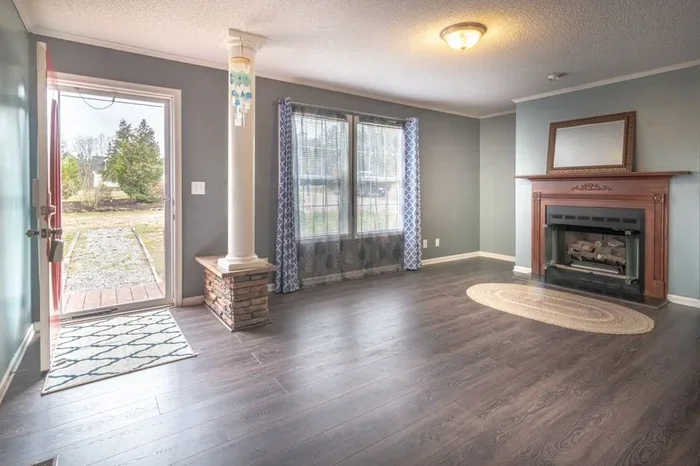
Consider adding a pillar decoration that celebrates the column rather than hiding it. Wrapping it in a bold fabric, adding a sculptural element on top, or using it as a display pedestal for art are all stylish options.
This approach works beautifully in living room styling schemes that embrace architectural character. Instead of fighting the pillar, you work with it. The result feels curated, intentional, and uniquely yours.
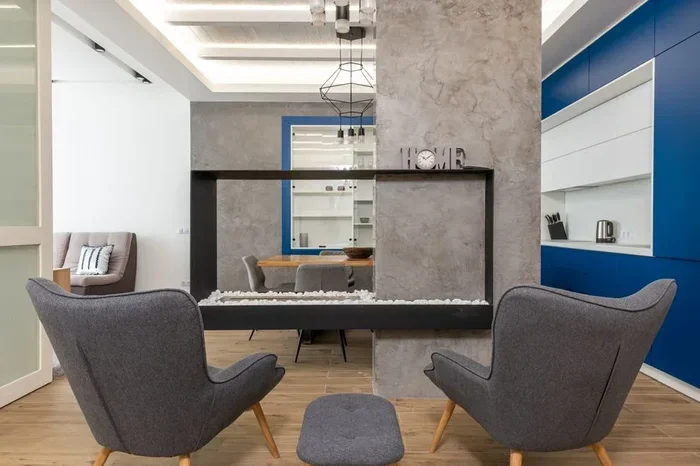
Another powerful technique is to use the pillar as a room divider. Place a sofa on one side and a console table on the other. The pillar naturally separates zones without feeling like an obstacle. This living room renovation trick is especially effective in open-floor-plan homes.
Final Thoughts on Hiding a Pillar in Your Living Room
How to hide a pillar in living room is a question with many answers — and the best one depends entirely on your space, style, and budget. Whether you choose a simple paint job, a full pillar wrap, or a creative built-in design, the key is to start with a clear plan.
Measure your pillar carefully. Choose a method that suits your skill level and aesthetic. Do not be afraid to combine techniques — a painted pillar with built-in shelves and soft lighting can create a truly stunning result.
Remember, every living room design has quirks. The pillars in your room do not have to be a liability. With the right approach, they become a highlight. Your guests will see a beautifully styled room, not an awkward column. That is the real goal of any successful pillar concealment project.
Take your time, enjoy the process, and trust your instincts. The best living room makeover is one that feels authentically yours. Start your pillar makeover today, and watch your living room transform.
Frequently Asked Questions
Can I hide a pillar without major construction?
Absolutely. Many solutions like pillar wraps, paint, curtains, and room screens require no structural changes. These DIY-friendly methods let you transform your pillar in a single weekend without hiring a contractor or making permanent alterations to your home.
What is the cheapest way to hide a pillar?
Painting the pillar the same color as your walls is the most affordable option. You can also use fabric drapes or a simple fabric wrap for very little cost. These budget-friendly pillar disguise ideas deliver impressive results without breaking the bank.
Will hiding a pillar affect my home’s structure?
No. All the methods described in this guide are purely cosmetic. They do not remove or alter the structural support the pillar provides. Your home’s safety and integrity remain fully intact while you improve the visual appearance of the space.
How do I hide a round pillar in a small living room?
A fabric wrap or PVC cladding works well for round pillars in small spaces. You can also build a slim faux surround that adds a few inches around the column. These living room design ideas keep the room feeling open while concealing the pillar effectively.
Can I use a pillar as a display area instead of hiding it?
Yes! Many homeowners turn their pillar into a showcase. Adding built-in shelves, hanging art, or placing a plant on top transforms the pillar into a charming focal point. This approach to pillar decoration works beautifully in homes with strong architectural character.
How long does a pillar concealment project take?
Simple projects like painting or hanging curtains can be done in a few hours. More involved methods like building a faux surround or installing cladding may take one to two days. Most living room renovation tasks are manageable as weekend projects for homeowners with basic tools and a bit of patience.