How Should I Decorate My Living Room For A Beautiful Look
Learning how should i decorate my living room becomes easy when you focus on style, color, and smart furniture choices. This guide covers everything from choosing a design theme to adding finishing touches that make your space shine. You will find practical tips, common mistakes to avoid, and budget-friendly ideas for a stunning living room makeover.
Your living room is the heart of your home. It is where you relax, entertain guests, and spend quality time with family. So when you think about how should i decorate my living room, the answer starts with understanding what makes a space feel both beautiful and functional. A well-decorated living room can boost your mood, increase your home’s value, and give you a sense of pride every time you walk in.
Decorating a living room might feel overwhelming at first. There are so many styles, colors, furniture pieces, and accessories to choose from. But here is the good news. You do not need a huge budget or professional training to create a stunning space. With a clear plan and a few smart decisions, you can transform any living room into a room you love. This guide walks you through every step of the process. From choosing a style to picking the right lighting, we have you covered.
Key Takeaways
- Start with a clear style: Pick a design theme like modern, cozy, or farmhouse before buying anything.
- Furniture placement is key: Arrange your sofa, coffee table, and chairs to encourage conversation and flow.
- Color sets the mood: Choose a palette of 2-3 colors and stick with it for a cohesive look.
- Layer your lighting: Mix overhead, floor, and table lights to create warmth and depth.
- Add personality with accessories: Throw pillows, art, rugs, and plants bring life to any room.
- Avoid common mistakes: Don’t overcrowd, ignore scale, or forget about functional storage.
- You do not need a big budget: Small swaps and DIY projects can dramatically change your space.
📑 Table of Contents
Why Your Living Room Decor Matters
The living room is often the first room guests see. It sets the tone for your entire home. A thoughtfully decorated living room makes a strong first impression. But beyond appearances, your living room design affects how you feel every day. A cluttered, poorly lit room can make you feel stressed. A well-organized, beautifully decorated space can help you feel calm and happy.
When you ask yourself how should i decorate my living room, think about your lifestyle. Do you love hosting movie nights? Do you need a quiet reading nook? Your living room should reflect who you are. It should serve your daily needs while looking great. That balance between form and function is what separates a generic room from a truly beautiful one.
Living Room Design Trends for 2024
Home decoration ideas change over time, but timeless principles stay the same. This year, many homeowners are leaning toward warm, natural tones and cozy textures. Biophilic design, which brings nature indoors, is very popular. Earthy colors like sage green, warm beige, and soft terracotta are trending. At the same time, modern minimalism continues to be a favorite for those who love clean lines and open space.
Another trend in living room design is the mix of old and new. Vintage furniture paired with modern art creates a unique, personal look. You do not have to follow every trend. Pick the ones that resonate with you and build your living room around them. The best living room makeover always feels authentic to the person who lives there.
How to Choose a Living Room Style
Before you buy a single piece of furniture, decide on a style. Your style is the foundation of your entire room. Without it, you risk mixing pieces that clash instead of complement each other. So how do you pick the right style? Start by looking at what you already love.
Browse home decor inspiration magazines, Pinterest boards, or interior design blogs. Save images that catch your eye. After a while, patterns will emerge. You might notice you keep saving photos with wood tones and neutral fabrics. Or maybe you are drawn to bold colors and geometric patterns. These preferences point you toward your natural style.
Popular Living Room Styles to Consider
- Modern: Clean lines, neutral colors, and minimal clutter. Focus on function and simplicity.
- Farmhouse: Warm wood, natural textures, and a cozy, rustic feel. Think shiplap and woven baskets.
- Bohemian: Bold colors, layered textures, and eclectic accessories. Perfect for creative personalities.
- Traditional: Elegant furniture, rich wood tones, and classic patterns like plaids and florals.
- Scandinavian: Light colors, simple furniture, and a focus on natural light and warmth.
- Coastal: Blues, whites, and natural materials like rattan and jute for a breezy feel.
You can also blend styles. Many beautiful living rooms combine elements from two or three styles. The key is to keep a consistent color palette and repeat certain textures or shapes throughout the room. This creates unity even when you mix different influences.
Furniture Arrangement Tips for Your Living Room
Furniture arrangement is one of the most important parts of how should i decorate my living room. Even the most beautiful sofa will look out of place if it is pushed against the wrong wall or blocks traffic flow. Good furniture layout makes a room feel open, inviting, and easy to move through.
Start With the Focal Point
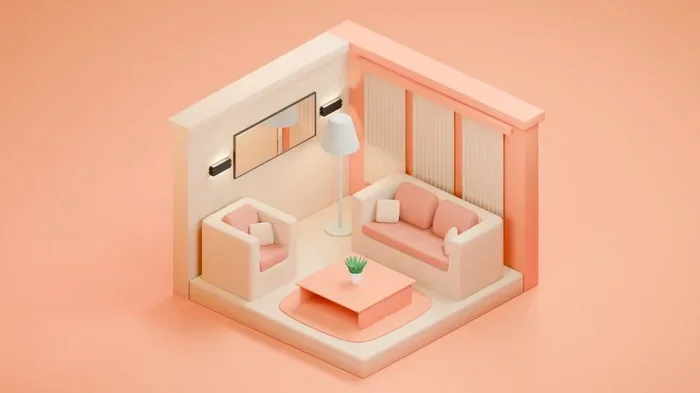
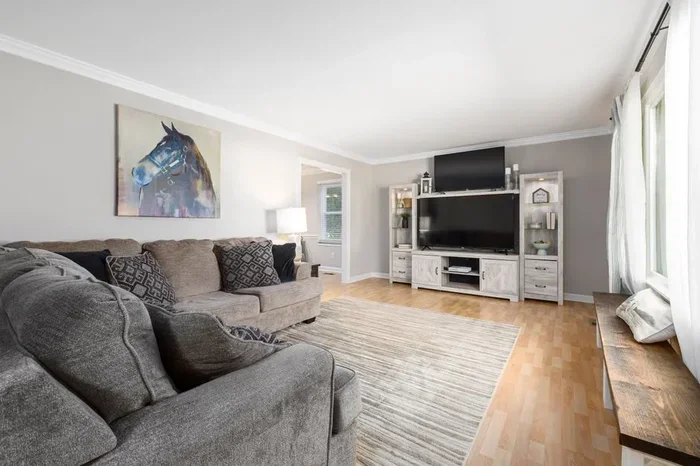
Every living room needs a focal point. This could be a fireplace, a large window with a great view, a TV wall, or a piece of art. Once you identify your focal point, arrange your main furniture pieces around it. Your sofa should face the focal point. Chairs can angle slightly inward to create a conversation area.
For example, if your living room has a beautiful bay window, place your sofa facing it. Add two accent chairs on either side and a coffee table in front. This creates a natural gathering spot that draws people in. The focal point anchors the entire room and gives your furniture arrangement a clear purpose.
Create Zones in Large Rooms
If you have a large living room, do not leave it as one big empty space. Instead, create zones. You might have a seating area near the fireplace and a reading nook by the window. Use area rugs to define each zone. A rug under your sofa and chairs instantly makes a space feel organized and intentional.
Keep pathways clear. You should be able to walk from one side of the room to the other without squeezing past furniture. A good rule of thumb is to leave at least 30 inches between furniture pieces for easy movement. This makes your living room feel spacious even when it is fully furnished.
Scale and Proportion Matter
One of the biggest mistakes in living room furniture placement is choosing pieces that are too large or too small for the space. Measure your room before you shop. A massive sectional will overwhelm a small living room, while a tiny loveseat will look lost in a large space. Always consider the scale of your furniture relative to the room size.
Also think about the height of your furniture. A tall bookshelf draws the eye upward and makes a room feel larger. A low coffee table keeps the view open. Varying heights adds visual interest and prevents the room from feeling flat. Use this principle when you decorate your living room for a balanced, polished look.
Color Schemes That Transform Your Space
Color has a powerful effect on mood and perception. The right color palette can make a small living room feel cozy or a large one feel intimate. When choosing colors for your living room design, think about the feeling you want to create.
Choosing a Color Palette
A good rule of thumb is to pick three colors: a dominant color, a secondary color, and an accent color. The dominant color covers the largest areas, like walls and large furniture. The secondary color supports it, often appearing in curtains or rugs. The accent color pops through throw pillows, art, and small accessories.
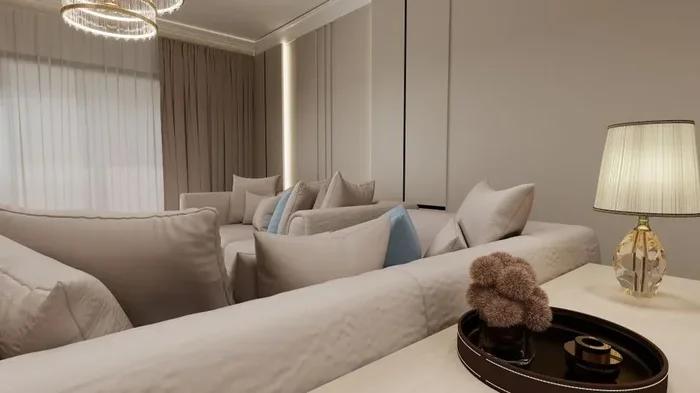
Neutral colors like white, beige, gray, and soft black work beautifully as dominant colors. They create a calm, versatile base that lets your accent pieces shine. If you want more personality, try a soft blue or sage green for your secondary color. Then add warm metallics or bold jewel tones as accents.
Living Room Colors That Work for Any Home
- Warm neutrals: Cream, taupe, and warm gray create a welcoming, timeless feel.
- Soft blues and greens: These colors evoke calm and work well in bedrooms and living rooms.
- Earthy tones: Terracotta, burnt orange, and deep brown add warmth and richness.
- Bold accents: Mustard yellow, navy blue, or emerald green add energy and personality.
- Monochromatic schemes: Different shades of one color create a sophisticated, layered look.
Before committing to a color, paint a small patch on your wall and observe it at different times of day. Natural light changes how colors look. A color that appears bright in the morning might feel moody in the evening. Test your palette before you paint the entire room.
Adding the Perfect Finishing Touches
This is where your living room really comes to life. The finishing touches are the small details that tie everything together. They add personality, warmth, and visual interest. Without them, even the most expensive furniture can feel cold and unfinished.
Lighting: The Secret to a Beautiful Room
Lighting is often overlooked in home decoration ideas, but it makes all the difference. A single overhead light creates harsh shadows and flat energy. Instead, layer your lighting for a warm, inviting glow.
Start with ambient lighting, which is your general room light. This could be a chandelier, a pendant light, or recessed ceiling lights. Then add task lighting for specific activities. A floor lamp next to a reading chair or a table lamp on a sideboard provides focused light where you need it. Finally, add accent lighting to highlight artwork or architectural features. A picture light or a strip of LED tape behind a shelf adds depth and drama.
Wall Decor and Art
Your walls are a canvas. Use them to tell your story. A gallery wall with a mix of framed photos, prints, and artwork adds character and color. You do not need expensive pieces. Print your own photos, visit local art fairs, or create your own abstract paintings. The personal touch is what makes a house feel like a home.
If a gallery wall feels too busy, try a single large piece of art above your sofa. A big, bold painting or a striking black-and-white photograph makes a strong statement. Just make sure the art is proportional to your furniture. A small print above a large sofa will look lost. Aim for the art to be about two-thirds the width of the sofa for the best visual balance.
Throw Pillows, Rugs, and Textiles
Textiles are the easiest and most affordable way to transform a living room. Throw pillows add color, texture, and comfort to your sofa and chairs. Mix different sizes, shapes, and patterns for a layered look. Combine solid pillows with patterned ones in your accent colors. This creates visual harmony without looking matchy-matchy.
An area rug defines your furniture zone and adds warmth underfoot. Choose a rug that is large enough to fit at least the front legs of your sofa and chairs. This keeps the furniture group looking anchored and intentional. Natural fiber rugs like jute or sisal add texture, while plush wool rugs create a cozy feel.
Plants and Natural Elements
Bringing plants into your living room is one of the best ways to add life and color. Plants purify the air and create a sense of calm. If you do not have a green thumb, start with easy-care plants like pothos, snake plants, or peace lilies. Place a tall plant in a corner, a small plant on a side table, and hang a trailing plant from a shelf.
Beyond plants, add natural materials throughout your space. Wooden trays, woven baskets, stone coasters, and linen curtains all bring texture and warmth. These elements connect your indoor space to the natural world, which is a core principle of living room design that never goes out of style.
Common Decorating Mistakes to Avoid
Even with the best intentions, it is easy to make mistakes when decorating. Knowing what to avoid saves you time, money, and frustration. Here are the most common pitfalls and how to steer clear of them.
Overcrowding the Room
It is tempting to fill every corner with furniture and accessories. But overcrowding makes a room feel small and chaotic. Leave breathing room. Negative space is just as important as decorated space. If a room feels cramped, remove one or two pieces and see how it feels. You might be surprised how much better it looks with less.
Ignoring the Room’s Purpose
Every living room serves a different purpose. Some families use it mainly for watching TV. Others use it for entertaining or reading. Your furniture and layout should match how you actually use the room. A beautiful living room that does not fit your lifestyle will quickly become a showroom instead of a comfortable home.
Skipping the Rug
Many people forget the rug or choose one that is too small. A rug anchors the furniture group and ties the room together. Without it, furniture can look floating and disconnected. Invest in a quality rug that fits your furniture layout. It is one of the simplest ways to elevate your living room makeover.
Using Only Overhead Light
A single ceiling light creates a flat, uninviting atmosphere. Your living room lighting plan should include multiple sources at different heights. Floor lamps, table lamps, and even candlelight add warmth and dimension. Layered lighting is one of the easiest ways to make your living room feel expensive and polished.
Forgetting About Storage
A beautiful room quickly looks cluttered if you do not have enough storage. Built-in shelves, ottomans with hidden storage, and media consoles with doors keep clutter out of sight. When everything has a place, your living room looks clean and organized. Functional storage is an essential part of any successful interior design plan.
Quick Tips for a Stunning Living Room
- Start with a plan. Sketch your room and measure everything before shopping.
- Purchase furniture first, then accessories. Build the foundation before adding decor.
- Use the 60-30-10 color rule. 60% dominant color, 30% secondary, 10% accent.
- Mix textures for visual interest. Combine wood, metal, fabric, and natural materials.
- Hang curtains close to the ceiling to make windows look taller and rooms feel larger.
- Rotate accessories seasonally to keep your living room feeling fresh and updated.
- Trust your instincts. If you love something, it will look good in your space.
Conclusion
Decorating your living room does not have to be stressful. When you know how should i decorate my living room, the process becomes enjoyable and rewarding. Start by choosing a style that reflects your personality. Arrange your furniture around a focal point with good flow. Pick a color palette that sets the mood you want. Then layer in lighting, textiles, art, and plants to bring the room to life.
Remember that decorating is a journey, not a destination. Your living room will evolve over time as you discover new pieces and new ideas. Do not aim for perfection. Aim for a space that feels like you. A beautiful living room is one that makes you smile every time you walk through the door. Start with one small change today and watch your living room transform into the beautiful space you have always dreamed of.
Frequently Asked Questions
What is the best way to start decorating a living room?
Start by choosing a style and color palette. Measure your room, then select your main furniture pieces like a sofa and coffee table. Add rugs, lighting, and accessories gradually. A clear plan prevents costly mistakes and keeps your living room design cohesive from the start.
How do I make my living room look more expensive?
Focus on quality over quantity. Choose well-made furniture with clean lines. Add layered lighting, a large area rug, and a few statement art pieces. Neutral colors with bold accent pieces create a sophisticated look that feels high-end without breaking the bank.
What colors are best for a small living room?
Light, neutral colors like white, cream, and soft gray make a small room feel open and airy. You can add warmth with wood tones and introduce color through throw pillows and art. Avoid dark wall colors in small spaces unless you have plenty of natural light.
How can I decorate my living room on a budget?
Start with what you already have and build around it. Swap out throw pillows, add a new area rug, and refresh your wall art. DIY projects like painting old furniture or creating your own gallery wall are affordable ways to update your living room design without spending much money.
How do I arrange furniture in a small living room?
Choose furniture with exposed legs to create a sense of openness. Place your sofa against the longest wall and use a smaller coffee table. Float furniture away from walls when possible. Use a single large area rug to anchor the seating area and make the room feel unified.
How often should I update my living room decor?
There is no set rule. Many people refresh their living room with small seasonal changes like new throw pillows, a change of curtains, or updated shelf decor. Major updates like new furniture might happen every 5 to 10 years. The key is to make changes that feel natural and enjoyable to you.