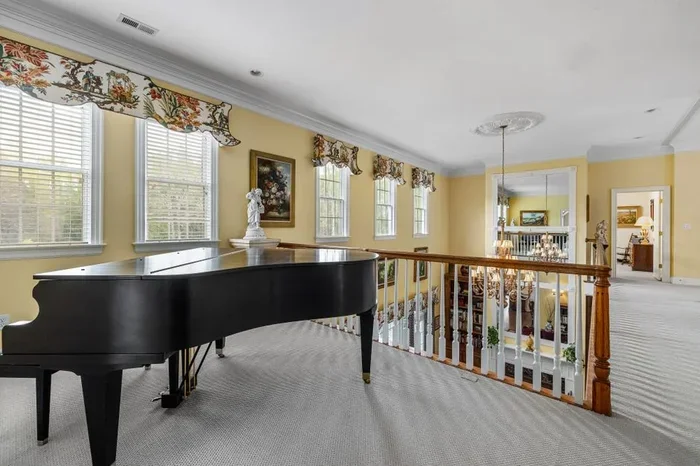
How to Make a Grand Piano in Living Room Look Amazing
A grand piano in living room spaces can become the most elegant and eye-catching feature in your home. With the right placement, lighting, and décor choices, you can turn your piano into a stunning centerpiece that blends music and style. This guide covers everything from floor protection to ambient lighting ideas. You will learn practical tips that make styling easy and fun. Let us explore how to make your grand piano truly shine.
A grand piano in living room spaces instantly adds elegance and character. It is not just a musical instrument. It is a statement piece that transforms the entire feel of a room. Many homeowners love the idea but feel unsure about how to style it properly. This guide will walk you through every step with simple, practical advice.
Whether you have a brand new piano or a vintage one, the goal is the same. You want it to look amazing and feel like a natural part of your home. The good news is that achieving this is easier than most people think. A few smart choices in placement, décor, and lighting go a long way. Let us dive into the details and help you create a space you will love.
Key Takeaways
- Placement matters most: Choosing the right spot affects both the look and sound of your grand piano in living room setups.
- Floor protection is essential: Use pads and rugs to preserve your hardwood floors and keep the piano stable.
- Décor and accessories elevate the look: Simple additions like a piano bench cover, plants, and wall art make a big difference.
- Lighting sets the mood: Ambient and accent lighting can highlight your piano and create a warm, inviting atmosphere.
- Regular care keeps it beautiful: Cleaning, tuning, and humidity control protect your instrument and its appearance.
- A piano corner adds charm: Designing a dedicated cozy nook around your grand piano in living room areas creates a personal retreat.
📑 Table of Contents
- Choose the Perfect Spot for Your Grand Piano in Living Room
- Protect Your Floors and Furniture
- Style the Piano with Décor and Accessories
- Lighting Ideas That Highlight Your Grand Piano
- Keep Your Grand Piano in Top Condition
- Create a Cozy Piano Corner in Your Living Room
- Common Mistakes to Avoid When Placing a Grand Piano
- Expert Tips for Making Your Piano the Star of the Room
Choose the Perfect Spot for Your Grand Piano in Living Room
The first and most important step is picking the right location. Where you place your grand piano in living room areas sets the tone for everything else. A bad spot can make the room feel cramped. A great spot makes the entire space feel open and refined.
Start by looking at the layout of your room. You want the piano to be a focal point, not an afterthought. The front of the piano should face the main seating area. This way, anyone sitting in the room naturally draws their eyes toward it. It also creates a natural flow in the living room design.
Avoid Direct Sunlight and Heat Sources
Sunlight can damage the finish of your piano over time. Place it away from windows that get harsh afternoon sun. Similarly, keep it far from radiators, heaters, and fireplaces. Heat and dry air can crack the wood and affect tuning. A stable environment keeps your instrument and its look in great shape for years.
Consider the Room Size and Shape
In a large living room, you have more freedom. You can place the piano against a wide wall or even in a corner. In smaller spaces, choose a spot that does not block walkways. The piano should feel like it belongs, not like it is taking over. Measure your room first and sketch a few options before deciding.
Think About Sound and Acoustics
Where you place your grand piano in living room spaces also affects how it sounds. Hard surfaces like tile or wood floors reflect sound beautifully. Soft surfaces like thick carpets absorb it. If you want the best sound, place the piano on a hard floor near a wall. This helps the music fill the room naturally.
Protect Your Floors and Furniture
A grand piano is heavy. A typical concert grand weighs over 700 pounds. That is a lot of weight on your floors. Protecting your surfaces is both practical and smart for your living room design.
Use Piano Floor Protectors
Special piano boards or floor protectors spread the weight evenly. They prevent scratches and dents on hardwood floors. You can find these at most music stores or online. They are thin, clear, and easy to place under the piano legs. This small step saves you from costly floor repairs later.
Add a Rug for Extra Protection and Style
A rug under the piano adds a layer of protection. It also looks great and ties the piano into the room’s décor. Choose a rug that complements the piano finish and your room colors. A neutral tone works well in most settings. Just make sure the rug is flat and does not create a tripping hazard.
Keep the Piano Away from Drafty Areas
Cold drafts and sudden temperature changes can harm your instrument. Avoid placing the piano near exterior doors or air conditioning vents. A stable temperature and humidity level protect the wood and strings. Consider using a room humidifier during dry winter months. Your piano will stay in tune and look beautiful longer.
Style the Piano with Décor and Accessories
Once your piano is in the right spot, it is time to style it. The right accessories and décor pieces turn a plain piano into a stunning display. Think of your grand piano in living room areas as a canvas. You can decorate it just like you would a fireplace or a bookshelf.
Choose a Beautiful Piano Bench
The bench is part of the piano’s look. A well-chosen bench adds to the overall style. Upholstered benches in velvet or leather look luxurious. Wooden benches match a classic or rustic vibe. You can also find benches in neutral tones that fit any room. Make sure the bench height matches the piano for comfortable playing.
Add Plants and Natural Elements
A small potted plant placed near the piano brings life to the space. Green plants contrast beautifully with dark or glossy piano finishes. Ferns, peace lilies, and snake plants work well indoors. They also help clean the air in your living room. Just avoid placing plants directly on the piano, as moisture can damage the wood.
Use Wall Art and Shelving Nearby
A piece of wall art above or beside the piano adds personality. Choose artwork that matches the room’s color palette. Music-themed prints or abstract pieces both work well. A small floating shelf next to the piano can hold books or a candle. These touches make the area feel curated and intentional.
Display Sheet Music and Personal Touches
A stack of classic sheet music on the piano adds charm. You can use real music books or decorative reproductions. A small framed photo or a decorative object on the piano bench personalizes the space. These little details make the area feel warm and lived in. They show that the piano is part of your daily life, not just furniture.
Lighting Ideas That Highlight Your Grand Piano
Lighting plays a huge role in how your piano looks and feels. The right setup can make your grand piano in living room spaces the star of the room. Poor lighting, on the other hand, can make it blend into the background.
Use Ambient Lighting for Warmth
Soft, warm ambient lighting creates a cozy and inviting feel. Floor lamps placed near the piano work wonders. Wall sconces on either side add a touch of elegance. Dimmer switches let you adjust the brightness based on the time of day. Warm white bulbs (around 2700K) look the most flattering.
Add Accent Lighting for Drama
Accent lighting draws attention directly to the piano. A small spotlight or track light aimed at the piano creates a gallery-like effect. LED strip lights placed underneath the piano bench add a modern touch. You can also use a picture light mounted above the piano. These small additions make a big visual impact at night.
Let Natural Light Work for You
During the day, natural light highlights the piano’s beautiful finish. Sheer curtains or blinds let soft sunlight in without causing damage. Position the piano so it catches gentle morning or late afternoon light. This keeps the instrument looking its best and fills the room with a warm glow.
Keep Your Grand Piano in Top Condition
A beautiful piano deserves proper care. Regular maintenance keeps it looking and sounding its best. Taking care of your grand piano in living room areas is simpler than you might think.
Dust and Clean Regularly
Dust settles on every surface, and pianos are no exception. Use a soft, lint-free cloth to wipe the exterior gently. Avoid harsh chemicals or ammonia-based cleaners. A slightly damp cloth works well for most finishes. For the keys, use a mild soap solution and dry them immediately.
Tune Your Piano on Schedule
A well-tuned piano sounds better and feels more enjoyable to play. Most pianos need tuning at least once or twice a year. If the piano is new or recently moved, it may need more frequent tuning. A professional piano tuner can assess the condition and make adjustments. Regular tuning also extends the life of the strings and internal parts.
Control Humidity Levels
Wood expands and contracts with changes in humidity. This can affect the soundboard and the overall structure of the piano. Use a hygrometer to monitor the room’s humidity. Aim for levels between 40 and 50 percent. A humidifier in dry months and a dehumidifier in humid months helps maintain balance.
Create a Cozy Piano Corner in Your Living Room
If you have the space, consider designing a dedicated piano corner. This turns the area into a personal retreat and a conversation starter. A well-designed piano corner makes your grand piano in living room spaces feel intentional and special.
Choose Comfortable Seating Nearby
A cozy armchair or a small sofa near the piano invites people to sit and listen. This creates a natural listening area. Soft cushions and warm throws add comfort and style. The seating should face the piano so guests can enjoy the music easily.
Add a Small Side Table
A side table next to the seating area is practical and decorative. It holds a lamp, a cup of tea, or a book. It also frames the piano corner nicely. Choose a table that matches the style of your room. A wooden or metallic side table works well in most settings.
Use Rugs and Curtains to Define the Space
A dedicated rug under the piano and seating area defines the zone. It signals to everyone that this is a special part of the room. Curtains or room dividers can add a sense of enclosure. This makes the piano corner feel intimate and inviting. Even in open floor plans, these simple touches create a distinct area.
Common Mistakes to Avoid When Placing a Grand Piano
Even with the best intentions, some common mistakes can ruin the look and function of your setup. Avoiding these pitfalls keeps your grand piano in living room spaces looking and performing at its best.
One big mistake is pushing the piano too close to the wall. This blocks the sound and can trap moisture against the back of the instrument. Leave at least a few inches of space. Another mistake is using the wrong size rug or protector. A rug that is too small does not provide adequate coverage. Measure carefully and invest in quality protectors.
Some people forget about the piano bench. A mismatched or worn-out bench drags down the entire look. Treat the bench as part of the overall design. Finally, avoid cluttering the area around the piano. Keep it clean and uncluttered. Let the piano breathe and be the centerpiece it was meant to be.
Expert Tips for Making Your Piano the Star of the Room
Interior designers and piano experts share a few insights that can elevate your setup. These tips help you get the most out of your grand piano in living room spaces.
First, always consider the piano’s finish when choosing room colors. A black grand piano pairs well with neutral and bold colors alike. A polished mahogany or walnut finish looks stunning against warm wood tones and soft neutrals. Second, use the piano as a starting point for your room’s color palette. Pull colors from the piano into your cushions, curtains, or wall art. This creates a cohesive and polished look.
Third, do not be afraid to add a personal touch. A family photo, a favorite quote, or a small musical keepsake on the piano adds warmth. It makes the space feel like yours. Finally, remember that less is often more. Let the piano speak for itself. A few well-chosen pieces of décor will enhance its beauty without overwhelming it.
A grand piano in living room spaces is a beautiful investment. With the right placement, care, and styling, it becomes more than an instrument. It becomes the heart of your home. Take your time, enjoy the process, and let your personality shine through every choice you make.
Frequently Asked Questions
Where is the best place to put a grand piano in a living room?
The best spot is against a solid wall, facing the main seating area. Avoid direct sunlight, heat sources, and drafty areas. A corner can work well in larger rooms. The key is to make the piano a natural focal point in the space.
Do I need a special rug or mat under my grand piano?
Yes, a piano floor protector or a thick, flat rug is highly recommended. It spreads the weight and protects hardwood floors from scratches. Choose a rug that complements your room’s style and is large enough to cover the piano’s footprint fully.
How often should I tune a grand piano in my living room?
Most pianos benefit from tuning at least once or twice a year. New pianos or those that have been moved may need tuning more often. A professional tuner can assess the condition and recommend the right schedule for your instrument.
What kind of lighting works best for a living room with a grand piano?
Warm ambient lighting creates a cozy atmosphere. Accent lights like spotlights or LED strips add drama and highlight the piano’s finish. Natural light during the day also enhances the piano’s beauty, so use sheer curtains to protect it from direct sun.
Can I decorate the top of my grand piano?
Yes, decorating the top of your piano adds personality and style. Keep it simple with a small plant, a framed photo, or a decorative object. Avoid placing heavy items or anything that could scratch the surface. Less is often more when it comes to piano décor.
How do I protect my grand piano from humidity changes?
Use a room humidifier during dry months and a dehumidifier when humidity is high. Aim for indoor humidity levels between 40 and 50 percent. A hygrometer helps you monitor the levels. Stable humidity protects the wood and keeps your piano in great condition.
=== CONCLUSION ===
Making a grand piano in living room spaces look amazing is easier than most people think. With the right placement, protective measures, and thoughtful styling, your piano becomes a true centerpiece. Choose a spot that balances beauty, sound quality, and practicality. Protect your floors with quality pads and rugs. Style the piano with accessories that reflect your personality. Use lighting to create warmth and drama. And never underestimate the power of regular care and maintenance.
Your grand piano is more than an instrument. It is a reflection of your taste and love for music. Take the time to create a space that honors it. Follow the tips in this guide, and you will have a living room that looks and feels absolutely stunning. Start today, and enjoy the beauty of your piano every single day.