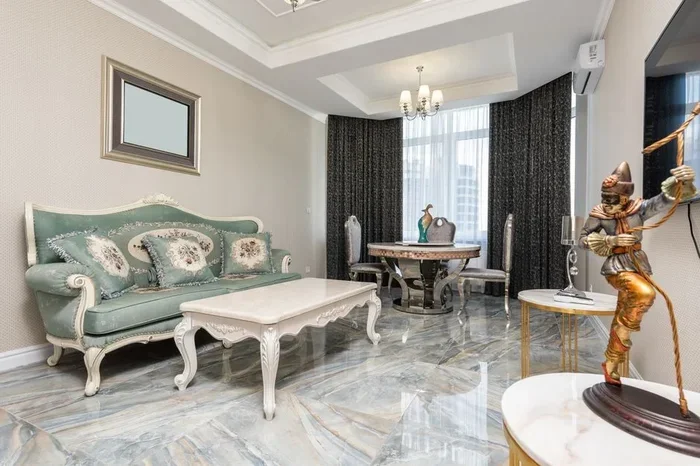
Stunning Formal Living Room Decor Ideas You Will Love
Explore gorgeous formal living room decor ideas that bring timeless elegance into any home. You will learn how to choose the right furniture, colors, lighting, and accessories to create a sophisticated and welcoming space. Whether you are redesigning from scratch or refreshing a room, these tips will help you achieve a polished, formal look with ease.
A formal living room decor ideas guide can change the way you see your entire home. Your living room is often the first room guests see. It sets the tone for everything else. A well-designed formal space feels welcoming, polished, and put-together. It shows care and attention to detail. But creating that look does not have to be hard or expensive.
In this article, we will walk you through the best formal living room decor ideas you can use right away. We will cover furniture choices, color palettes, lighting, and accessories. You will also find practical tips and real examples to help you along the way. Whether your home is large or small, these ideas will work for you. Let us dive in and make your living room shine.
Key Takeaways
- Choose a clear style direction: Decide between traditional, modern formal, or transitional looks before buying anything.
- Invest in quality furniture: A formal living room starts with well-made sofas, armchairs, and tables that feel both comfortable and refined.
- Use a cohesive color palette: Neutral tones, deep jewel tones, or soft pastels create a unified and elegant atmosphere.
- Layer your lighting: Combine chandeliers, table lamps, and floor lamps to set the right mood for formal entertaining.
- Add statement accessories: Decorative mirrors, artwork, vases, and throw pillows pull the whole room together.
- Focus on flow and arrangement: Proper furniture placement makes the room feel open, inviting, and balanced.
- Start small and build: You do not need to overhaul everything at once. Swap out accessories and make gradual upgrades for a polished result.
📑 Table of Contents
- Why Formal Living Room Design Matters
- Choosing the Right Furniture for Your Formal Living Room
- Color Palettes That Create Elegant Formal Spaces
- Lighting Ideas to Elevate Your Formal Living Room
- Accessorizing Your Formal Living Room with Style
- Common Mistakes to Avoid in Formal Living Room Design
- Quick Tips for a Beautiful Formal Living Room
- Bringing It All Together: Creating Your Dream Formal Living Room
Why Formal Living Room Design Matters
Many people underestimate the power of a formal living room. It is more than just a pretty space. A formal design creates a sense of order, calm, and sophistication. It gives your home a sense of purpose. When your living room looks intentional, you feel more confident hosting guests. You also feel more at ease every day.
A formal living room does not mean your space has to feel cold or stiff. The best formal designs balance structure with warmth. They use clean lines and quality materials but still feel comfortable. Think of it as a room that looks great for both everyday use and special occasions. That is the real beauty of formal living room design.
What Makes a Living Room Feel Formal
Several key elements contribute to a formal atmosphere. First, symmetry plays a big role. Matching furniture pairs on either side of a room create balance. Second, quality matters. Formal spaces often feature fine materials like wood, leather, and silk. Third, color coordination ties everything together. A well-planned palette keeps the room feeling unified and elegant.
Another important factor is clutter control. Formal rooms tend to be cleaner and more organized. Every piece of furniture and decoration has a purpose. Nothing feels out of place. This sense of order is what gives a formal living room its refined character.
Choosing the Right Furniture for Your Formal Living Room
Furniture is the backbone of any formal living room. The pieces you choose will define the look and feel of the entire space. You want furniture that is both beautiful and functional. Quality should always come before quantity. One well-made sofa beats three cheap ones every time.
Sofas and Sectionals
For a formal look, consider a classic sofa with clean lines. Roll-arm and camel-back styles work beautifully. They add a timeless feel to the room. If you prefer a sectional, choose one with tailored cushions and simple profiles. Avoid oversized, bulky pieces that overwhelm the space.
When selecting upholstery, go for durable yet elegant fabrics. Velvet, leather, and linen are excellent choices. They look refined and wear well over time. Stick with neutral tones or deep, rich colors like navy, charcoal, or burgundy. These shades pair well with almost any formal decorating style.
Accent Chairs and Seating
Accent chairs add visual interest to a formal living room. They also provide extra seating for guests. Choose chairs that complement your sofa in style and color. A pair of matching accent chairs placed on either side of a coffee table creates a classic, balanced look.
Wingback chairs are a popular choice for formal spaces. They add a touch of old-world elegance. You can also try slipper chairs or club chairs for variety. Just make sure the scale fits the room. Oversized chairs in a small space will make it feel cramped.
Coffee Tables and Side Tables
A coffee table anchors the seating area in your formal living room. Choose a table with a polished finish or a marble top. These materials instantly elevate the room. Round tables soften the space, while rectangular tables add structure. Pick the shape that best fits your room layout.
Side tables are just as important. They provide surfaces for lamps, books, and drinks. Look for tables with elegant legs and clean designs. Brass, wood, and glass are all great options. The goal is to keep the tables functional without sacrificing style.
Color Palettes That Create Elegant Formal Spaces
Color has a powerful effect on mood and perception. The right palette can make your formal living room feel calm, luxurious, and inviting. The wrong colors can make even the most expensive furniture look out of place. Choosing wisely is one of the most impactful decisions you will make.
Neutral Tones for Timeless Elegance
Neutral colors are the foundation of most formal living room designs. Shades like cream, beige, soft gray, and white create a clean and sophisticated backdrop. They work well with almost any furniture style and accessory color. Neutals also make a small room feel larger and more open.
To keep neutrals from feeling boring, add texture. A chunky knit throw, a silk pillow, or a woven rug adds depth and interest. These small touches make a big difference. They give the room personality without disrupting the formal feel.
Deep Jewel Tones for Drama and Richness
If you want a bolder look, consider deep jewel tones. Colors like emerald green, sapphire blue, and ruby red add drama and richness to a formal space. They work especially well in rooms with plenty of natural light. These colors make a statement without being overwhelming.
Use jewel tones as accents rather than wall colors for a safer approach. A deep green sofa, a burgundy area rug, or navy throw pillows can all add richness. Pair them with neutral walls and furniture for a balanced look. This approach keeps the room formal while adding visual depth.
Soft Pastels for a Light and Airy Feel
Soft pastels like blush pink, powder blue, and lavender create a gentle and elegant atmosphere. They are perfect for formal living rooms that need to feel light and airy. Pastels work especially well in rooms with traditional or shabby-chic decor styles.
Combine pastels with white or cream for a fresh and clean look. Add gold or brass accents to bring warmth and sophistication. This palette works beautifully in formal living rooms that face plenty of sunlight. It creates a soft, inviting glow that guests will love.
Lighting Ideas to Elevate Your Formal Living Room
Lighting is one of the most overlooked elements in formal living room design. The right lighting can transform a plain room into a stunning space. It sets the mood, highlights key features, and adds warmth. A layered lighting approach is essential for any formal room.
Chandeliers and Pendant Lights
A chandelier is the centerpiece of many formal living rooms. It draws the eye upward and adds instant elegance. Crystal chandeliers are a classic choice. They catch the light beautifully and add sparkle to the room. For a more modern look, consider a sleek pendant light with clean lines.
When choosing a chandelier, consider the size of your room. A small chandelier gets lost in a large space. A huge one can overwhelm a small room. Measure your ceiling height and room dimensions before you buy. The chandelier should hang about 30 to 36 inches above the table or seating area.
Table Lamps and Floor Lamps
Table lamps and floor lamps add warmth and function to a formal living room. Place them on side tables and in corners to create layers of light. Choose lamps with elegant bases and warm-toned shades. Brass, marble, and frosted glass are all excellent materials.
For a formal look, use matching pairs of lamps. Place them symmetrically on a console table or on both ends of a sofa. This creates balance and visual harmony. Dimmer switches are a great addition too. They let you adjust the brightness to suit any occasion, from a quiet evening to a formal gathering.
Natural Light and Window Treatments
Do not forget the power of natural light. Large windows make any formal living room feel more open and inviting. Use window treatments that filter light beautifully. Sheer curtains are a popular choice for formal spaces. They soften the light while maintaining privacy.
For a more dramatic effect, try floor-length drapes in a rich fabric. They add height and elegance to the room. Choose colors that complement your overall palette. Layering sheer curtains under heavier drapes gives you flexibility. You can adjust the light level throughout the day to suit your needs.
Accessorizing Your Formal Living Room with Style
Accessories are what turn a good formal living room into a great one. They add personality, color, and visual interest. The key is to choose accessories that complement each other and the room as a whole. Less is often more when it comes to formal decorating.
Decorative Mirrors and Artwork
A decorative mirror can do wonders for a formal living room. It reflects light and makes the space feel larger. Choose mirrors with elegant frames in gold, silver, or wood. Place them opposite windows or light sources for the best effect.
Artwork adds character and sophistication to your walls. Choose pieces that fit your style and color palette. Large statement pieces work well above sofas or fireplaces. For a gallery wall, stick to a consistent frame style and color. This keeps the look cohesive and formal. Avoid hanging art too high. The center of the piece should be at eye level.
Throw Pillows and Rugs
Throw pillows and rugs are easy ways to add color and texture to a formal living room. Choose pillows in complementary colors and patterns. Mix solid pillows with subtle patterned ones for visual interest. Avoid too many busy prints, which can make a formal room feel cluttered.
Area rugs define the seating area and add warmth underfoot. Choose a rug that is large enough to fit all the furniture legs on it. This creates a unified look. Wool, silk, and cotton rugs all work well in formal spaces. Pick a style and color that ties into your overall design.
Vases, Books, and Decorative Objects
Small decorative objects add the finishing touches to a formal living room. Vases with fresh or dried flowers bring life and color to a room. Group books on a coffee table or side table for a curated look. Add a tray with candles or a small sculpture for an extra layer of elegance.
The key is to be intentional with every object. Each piece should have a purpose or a story. Avoid filling every surface with random items. Leave some breathing room. This keeps the room feeling calm, organized, and truly formal.
Common Mistakes to Avoid in Formal Living Room Design
Even with the best intentions, it is easy to make mistakes when decorating a formal living room. Being aware of these pitfalls helps you create a better result from the start. Here are some common errors to watch out for.
Overcrowding the Room
One of the biggest mistakes is trying to fit too much furniture into the space. A formal living room needs breathing room. Each piece should have enough space to stand out. Leave open walkways and clear surfaces. This creates a sense of calm and order. If the room feels cramped, remove a piece and see how it looks.
Ignoring the Focal Point
Every formal living room needs a focal point. It could be a fireplace, a large window, or a piece of artwork. All furniture should be arranged around this focal point. When there is no clear focal point, the room feels scattered and unfocused. Take the time to identify yours before arranging furniture.
Mismatched Styles
Mixing too many different styles can make a formal living room feel chaotic. If you choose a traditional style, stick with traditional pieces. If you prefer modern formal, keep things sleek and clean. You can mix styles carefully, but there should be a unifying thread. Consistent colors, materials, and lines help tie everything together.
Skipping the Details
Details matter in formal living room design. Neglecting small touches like coasters, bookends, or decorative trays can make the room feel unfinished. These small elements add polish and refinement. Take the time to curate every surface. The difference between a good room and a great room is often in the details.
Quick Tips for a Beautiful Formal Living Room
Here are some quick and easy tips you can apply right away:
- Start with a clear vision. Decide on your style and color palette before buying anything.
- Measure your room first. Knowing the exact dimensions helps you choose furniture that fits perfectly.
- Invest in a statement piece. One bold sofa or chandelier can set the tone for the entire room.
- Use symmetry. Matching pairs of furniture and accessories create a formal, balanced look.
- Add greenery. A single large plant or a small arrangement of fresh flowers brings life to a formal space.
- Keep surfaces clean. A formal room should feel uncluttered. Limit items on tables and shelves.
- Test your lighting. Turn off all lights and add them one at a time. See how each source affects the room’s mood.
Bringing It All Together: Creating Your Dream Formal Living Room
Designing a formal living room is a rewarding project. It allows you to express your personal style while creating a space that feels refined and welcoming. The key is to plan carefully and make intentional choices. Every piece of furniture, every color, and every accessory should serve a purpose.
Start with the big pieces first. Choose your sofa, accent chairs, and coffee table. Build the foundation of the room around these core elements. Then add layers of color through pillows, rugs, and curtains. Finally, bring in accessories that add personality and charm. Take your time with each step. A beautiful formal living room is worth the effort.
Remember that formal does not mean inflexible. Your living room should still feel like home. It should be a place where you relax, entertain, and enjoy time with family. The best formal living room designs balance elegance with comfort. They look stunning and feel just as good. Use these formal living room decor ideas as a starting point. Trust your instincts and make choices that feel right for you. Your dream formal living room is closer than you think.
Frequently Asked Questions
What are the best colors for a formal living room?
Neutral tones like cream, beige, and soft gray are classic choices for formal living rooms. Deep jewel tones such as navy, emerald green, and burgundy add richness and drama. Soft pastels like blush pink and powder blue create a light and elegant feel. The best color depends on your personal style and the amount of natural light in your room.
How do I make a small living room feel formal?
Choose furniture with slim profiles and clean lines to save space. Use a light and neutral color palette to make the room feel larger. Add a decorative mirror to reflect light and create the illusion of more space. Keep surfaces uncluttered and use a few well-chosen accessories rather than many.
What type of furniture works best for formal living room decor ideas?
Classic sofas with roll arms or camel-back designs work beautifully. Wingback chairs add old-world elegance. Coffee tables with polished finishes or marble tops elevate the look. Look for quality materials like hardwood, leather, and velvet. The key is to choose pieces that are well-made and proportionate to the room size.
How important is lighting in a formal living room?
Lighting is extremely important. A layered lighting approach with a chandelier, table lamps, and floor lamps creates warmth and depth. Dimmer switches allow you to adjust the brightness for different occasions. Natural light filtered through sheer curtains or drapes also plays a key role in setting the formal mood.
Can I mix formal and casual elements in my living room?
Yes, absolutely. The best formal living rooms often blend formal and casual elements for a comfortable yet polished feel. You can pair a formal sofa with casual throw pillows or a cozy blanket. The key is to keep the overall color palette and style cohesive. This creates a space that looks elegant but still feels livable.
How often should I update my formal living room decor?
You do not need to overhaul your living room every year. Small updates like swapping throw pillows, adding a new vase, or rearranging artwork can refresh the space. Major changes like replacing furniture should happen every 5 to 10 years. Focus on quality pieces that last, and update accessories as your style evolves.
=== CONCLUSION ===
Creating a beautiful formal living room is within everyone’s reach. With the right formal living room decor ideas, you can turn any space into an elegant and inviting retreat. Start by choosing quality furniture in a style that speaks to you. Build a cohesive color palette that feels calm and sophisticated. Layer your lighting to set the perfect mood. And add accessories with intention to bring the room to life.
Remember that a formal living room should feel both beautiful and comfortable. It is a space for hosting guests and enjoying quiet moments at home. Take your time, plan carefully, and trust your instincts. Each small choice you make brings you closer to the formal living room of your dreams. Start today and enjoy the process of creating a space you will love for years to come.