Farmhouse Living Room Design Ideas to Transform Your Space
Farmhouse living room design is all about creating a warm, inviting space that feels both timeless and modern. This guide covers the best farmhouse living room design ideas, from shiplap walls and rustic furniture to farmhouse lighting and color palettes. You will learn how to mix vintage and contemporary elements, choose the right materials, and avoid common mistakes. Whether you are starting fresh or refreshing an existing room, these tips will help you transform your living room into a cozy farmhouse haven.
There is something magical about a farmhouse living room. It feels like stepping into a warm hug the moment you walk through the door. The blend of rustic textures, natural materials, and cozy furnishings creates a space that is both inviting and beautiful.
If you have been dreaming of updating your living room, farmhouse living room design might be exactly what you need. This style has grown in popularity for good reason. It works for almost any home, from tiny apartments to spacious country houses. The best part? You do not need a huge budget to pull it off.
In this guide, we will walk you through everything you need to know about farmhouse living room design. You will find practical tips, inspiring ideas, and expert advice to help you create a space you will love spending time in. Let us dive in.
Key Takeaways
- Farmhouse living room design blends rustic charm with modern comfort for a timeless look.
- Shiplap walls, barn doors, and reclaimed wood are signature farmhouse elements that add texture.
- A neutral color palette with warm accents creates the cozy atmosphere farmhouse style is known for.
- Mixing vintage finds with new pieces keeps the room feeling authentic and personal.
- Proper lighting, including statement chandeliers and natural light, sets the mood in a farmhouse living room.
- Textiles like linen, burlap, and plaid add layers of warmth and visual interest.
- Avoid clutter and over-accessorizing; farmhouse design thrives on simplicity and intention.
📑 Table of Contents
- What Makes Farmhouse Living Room Design So Popular
- Key Elements of Farmhouse Living Room Design
- Farmhouse Lighting: Setting the Mood
- Farmhouse Decor Accessories and Styling Tips
- Common Mistakes to Avoid in Farmhouse Living Room Design
- Expert Insights on Achieving the Perfect Farmhouse Look
- Conclusion
What Makes Farmhouse Living Room Design So Popular
Farmhouse style has taken the interior design world by storm. But what makes it so appealing? Unlike trendy styles that come and go, farmhouse design feels rooted in tradition. It draws from rural living and celebrates simplicity, craftsmanship, and natural beauty.
People love farmhouse living room design because it strikes the perfect balance. It is warm without being stuffy. It is stylish without being pretentious. The style welcomes imperfection and embraces the character that comes with aged materials and lived-in spaces.
The Appeal of Rustic Living Room Aesthetics
At its core, farmhouse design belongs to the broader rustic living room family. It shares many qualities with cottage core and country living room styles. However, farmhouse design has its own distinct personality. It leans into clean lines, neutral tones, and a sense of calm that feels both nostalgic and fresh.
The rise of farmhouse living room design can also be traced to social media and home renovation shows. People see these beautiful spaces and want to recreate that feeling in their own homes. The good news is that farmhouse design is incredibly adaptable. You can go all-in with a full farmhouse makeover or add a few rustic touches to an existing room.
Why Farmhouse Style Works for Almost Any Home
One of the greatest strengths of farmhouse living room design is its versatility. It looks just as stunning in a modern suburban home as it does in a century-old farmhouse. The key is understanding the core principles and adapting them to your space.
Whether your home has high ceilings or low ones, large windows or small ones, farmhouse design can work. The style is forgiving and flexible. You do not need original hardwood floors or exposed beams to achieve the look. You just need the right mindset and a few key elements.
Key Elements of Farmhouse Living Room Design
Every great farmhouse living room shares a few common elements. These building blocks come together to create that signature warm and welcoming atmosphere. Let us break them down so you can start incorporating them into your own space.
Shiplap Walls and Wood Accents
Shiplap is practically synonymous with farmhouse living room design. These horizontal wooden planks add texture and visual interest to any wall. You can install shiplap on an entire accent wall or use it more sparingly for a subtle touch.
Beyond shiplap, other wood accents play a big role too. Reclaimed wood beams, wooden ceiling panels, and exposed shelving all contribute to the farmhouse feel. The key is to choose wood with character. Look for pieces with natural grain, knots, and slight imperfections. These details tell a story and make the room feel authentic.
Rustic Furniture and Distressed Finishes
When it comes to farmhouse furniture, the goal is to find pieces that look like they have a history. Distressed wood tables, worn leather sofas, and vintage-style cabinets all fit the bill perfectly. You do not need to buy everything vintage either. Many modern furniture brands now offer farmhouse-inspired pieces with rustic finishes.
For a farmhouse living room design, look for furniture with these qualities:
- Solid wood construction with visible grain and natural edges
- Distressed or weathered finishes that mimic aged wood
- Clean lines with a rustic twist — simple silhouettes that feel grounded
- Mixed materials like wood, metal, and woven textiles
- Oversized pieces that encourage relaxation and comfort
Neutral Color Palettes and Warm Accents
The farmhouse color palette is one of the most approachable in interior design. It starts with a foundation of soft neutrals and builds warmth through accents. Think creamy whites, warm beiges, soft grays, and gentle taupes. These colors create a calming backdrop that lets other elements shine.
To add personality to your farmhouse living room design, layer in warm accents. Think mustard yellow throw pillows, burnt orange blankets, or deep olive green plants. These touches of color keep the room from feeling flat while maintaining that cozy farmhouse vibe.
| Color Role | Examples | Where to Use |
|---|---|---|
| Base Neutrals | White, cream, beige, light gray | Walls, large furniture, curtains |
| Warm Accents | Terracotta, mustard, sage green | Pillows, throws, small decor |
| Dark Contrasts | Charcoal, deep brown, black | Furniture legs, picture frames, lamps |
| Natural Touches | Wood tones, jute, linen beige | Flooring, baskets, textiles |
Farmhouse Lighting: Setting the Mood
Lighting plays a huge role in farmhouse living room design. The right fixtures can transform a room from ordinary to extraordinary. Farmhouse lighting tends to favor warm, inviting light sources that create a soft glow rather than harsh brightness.
Statement Chandeliers and Pendant Lights
A beautiful chandelier can serve as the focal point of your farmhouse living room. Look for fixtures with rustic materials like wrought iron, aged brass, or wood accents. Drum-style pendants and cage chandeliers are especially popular in farmhouse design.
When choosing a chandelier, consider your ceiling height and room size. A large fixture can anchor a spacious room, while a smaller pendant works well over a reading nook or console table. The goal is to create a warm, inviting glow that makes everyone feel at home.
Natural Light and Window Treatments
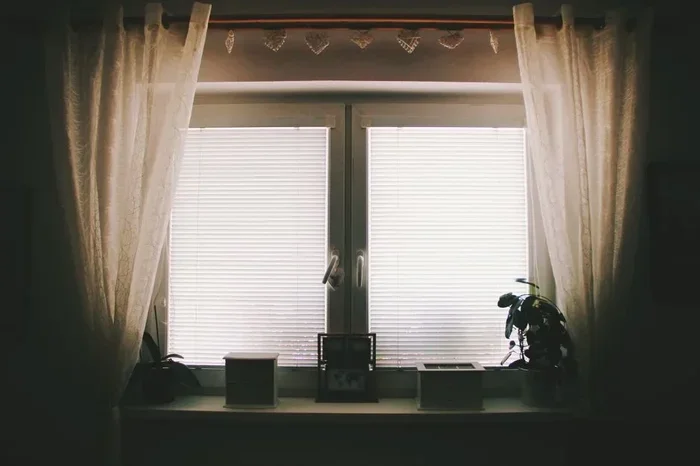
Farmhouse design loves natural light. Large windows, sheer curtains, and light-colored window treatments all help maximize the sunlight that enters your living room. If your windows are small, you can still brighten the space by choosing light-colored curtains that do not block the view.
For window treatments in a farmhouse living room design, consider these options:
- Linen curtains in white or cream for a soft, airy feel
- Rolled shades made from natural materials like bamboo or jute
- Simple panel curtains that hang from a wooden rod
- No curtains at all for a more casual, relaxed look
Farmhouse Decor Accessories and Styling Tips
Accessories are where your farmhouse living room design really comes to life. These are the finishing touches that add personality and warmth to the space. The trick is to choose items that feel intentional and curated, not cluttered.
Vintage and Antique Finds
One of the best things about farmhouse design is that it welcomes the old alongside the new. Vintage finds add character and tell a story. Visit flea markets, thrift stores, and estate sales to discover unique pieces that fit the farmhouse aesthetic.
Some popular vintage farmhouse accessories include:
- Old picture frames in mismatched styles
- Vintage books and old cookbooks
- Antique glass vases and jars
- Weathered wooden crates and boxes
- Vintage quilts and woven blankets
Natural Materials and Textures
Texture is essential in farmhouse living room design. Natural materials add depth and visual interest without feeling overwhelming. The goal is to create a room that feels layered and inviting, where every surface has something interesting to offer.
Quick tips for adding texture to your farmhouse living room:
- Use a jute or sisal rug under your coffee table
- Drape a linen throw over your sofa
- Add woven baskets for storage and decoration
- Incorporate burlap pillows or runners
- Place dried flowers or greenery in simple vases
Open Shelving and Display Surfaces
Open shelving is a staple in farmhouse living room design. It provides a place to display your favorite items while keeping the room feeling open and airy. Wooden shelves with simple brackets work best for this style.
When styling open shelves, keep these principles in mind:
- Mix heights and shapes for visual interest
- Leave some space between items — do not overcrowd
- Include a mix of functional and decorative pieces
- Add plants or small vases to soften the look
- Use the same material or finish across multiple shelves for cohesion
Common Mistakes to Avoid in Farmhouse Living Room Design
Even with the best intentions, it is easy to make mistakes when designing a farmhouse living room. Being aware of these pitfalls can save you time, money, and frustration.
Overdoing the Rustic Look
There is a fine line between farmhouse charm and farmhouse overload. Too many rustic elements can make a room feel forced or cartoonish. The key is balance. Pair rustic pieces with modern or clean-lined items to keep the room feeling grounded and sophisticated.
Ignoring Comfort for Style
Farmhouse design is all about comfort, so do not sacrifice it for the sake of aesthetics. A beautiful living room means nothing if no one wants to sit in it. Choose seating that invites you to relax. Add plenty of soft throws and cushions. Make the room a place where people naturally want to gather.
Using Too Many Trendy Pieces
Trendy decor items can date quickly. When building your farmhouse living room design, invest in timeless pieces that will stand the test of time. Trendy items can be added through small accessories like pillows, candles, and artwork — things that are easy to swap out when tastes change.
Expert Insights on Achieving the Perfect Farmhouse Look
We spoke with interior designers who specialize in farmhouse style to get their top tips. Here is what they had to say about creating a farmhouse living room that truly shines.
Start with a Strong Foundation
Designers agree that the foundation of any great farmhouse living room design starts with the walls and floors. A fresh coat of warm white paint, a well-chosen area rug, and quality lighting set the stage for everything else. Get these basics right, and the rest will fall into place naturally.
Let the Room Tell a Story
The best farmhouse living rooms feel personal. They are filled with items that mean something to the people who live there. Whether it is a family heirloom, a piece of art from a memorable trip, or a vintage find from a local shop, these items give the room its soul. Do not be afraid to let your personality shine through in your farmhouse living room design choices.
Keep It Simple
Perhaps the most important piece of advice from designers is to keep it simple. Farmhouse design thrives on restraint. Choose a few quality pieces rather than filling every inch of the room. Leave breathing room. Let the beauty of the materials and the space speak for itself.
Conclusion
Farmhouse living room design offers a beautiful way to create a space that is warm, welcoming, and full of character. From shiplap walls and rustic furniture to soft lighting and natural textures, every element works together to build a room that feels like home.
The beauty of farmhouse living room design is that it is not about perfection. It is about creating a space that feels genuine, comfortable, and uniquely yours. Whether you make small changes or go all-in with a complete makeover, the principles remain the same. Choose quality over quantity, warmth over coldness, and character over perfection.
Start with one or two elements and build from there. Add a vintage mirror here, a woven basket there, a new light fixture that catches your eye. Over time, your farmhouse living room will evolve into a space that tells your story and welcomes everyone who walks through the door.
Now you have all the inspiration and practical advice you need to get started. Your farmhouse living room transformation begins today.
Frequently Asked Questions
What are the essential elements of farmhouse living room design?
The essential elements include shiplap or wood accent walls, rustic furniture with distressed finishes, a neutral color palette with warm accents, natural materials like linen and jute, and warm lighting. These pieces work together to create the cozy, inviting feel that defines farmhouse style.
How can I add farmhouse style to a modern living room?
Start by incorporating a few key farmhouse elements into your existing space. Add a wooden coffee table, swap out throw pillows for linen or plaid fabrics, install a simple shiplap accent wall, or hang a statement chandelier. These small changes can shift the entire feel of a modern living room toward farmhouse living room design.
What colors work best for a farmhouse living room?
Neutral tones like white, cream, beige, and warm gray form the foundation of farmhouse color palettes. You can add warmth with accents in terracotta, mustard yellow, sage green, or deep olive. The goal is to create a soft, inviting atmosphere that feels relaxed and effortless.
Do I need a large space for farmhouse living room design?
Not at all. Farmhouse design works beautifully in small spaces too. Focus on light colors to make the room feel open, choose furniture that fits the scale of the room, and use vertical storage like wall shelves to maximize space. The principles of farmhouse living room design are about feel, not square footage.
Where can I find affordable farmhouse decor items?
Thrift stores, flea markets, and online marketplaces like Etsy are excellent sources for affordable farmhouse decor. You can also find farmhouse-style items at budget-friendly retailers like HomeGoods, TJ Maxx, and IKEA. Mixing high and low pieces is a hallmark of authentic farmhouse design.
What is the difference between farmhouse and rustic living room design?
While both styles share a love for natural materials and warm tones, farmhouse design tends to be cleaner and more curated. Rustic design often leans heavier into raw, rugged elements. Farmhouse living room design balances rustic charm with modern simplicity, creating a space that feels both cozy and polished.