Eating Trays for Living Room That Transform Your Space
Eating trays for living room are a simple yet powerful way to upgrade your daily routine. They bring convenience, style, and a touch of luxury to any home. These versatile pieces let you enjoy meals, snacks, and drinks without leaving the comfort of your favorite spot. Whether you want a cozy breakfast in bed feel or a stylish serving setup, the right tray makes all the difference.
Key Takeaways
- Eating trays for living room boost comfort and convenience for everyday meals and snacks.
- Multiple types exist, including wooden, marble, folding, and portable options to suit any decor.
- Material and size matter when choosing the best tray for your space and lifestyle.
- Styling your tray with candles, coasters, and trays elevates the look instantly.
- Common mistakes like ignoring weight capacity or size can ruin the experience.
- Eating trays are multifunctional and work as laptop desks, serving stations, and more.
- Budget-friendly options exist that still deliver quality and style.
📑 Table of Contents
- Why Eating Trays for Living Room Are a Game-Changer
- Types of Eating Trays for Living Room
- How to Choose the Right Eating Tray for Your Living Room
- Best Ways to Use Eating Trays in Your Living Room
- Styling Tips: Making Your Eating Tray Look Stunning
- Common Mistakes to Avoid with Eating Trays
- Comparison Table: Best Types of Eating Trays for Living Room
- Final Thoughts on Eating Trays for Living Room
Why Eating Trays for Living Room Are a Game-Changer
Let’s be honest. Most of us love the idea of a lazy Sunday morning with coffee and toast on the couch. But without the right setup, it quickly turns into a mess. Spills on the sofa. Crumbs everywhere. A mug balanced precariously on a pillow.
Eating trays for living room solve all of that. They give you a stable, flat surface right where you want it. No more balancing plates on your knees or hovering over the coffee table.
The beauty of these trays is how simple they are. You place them on your lap, on the couch arm, or right on the floor. Suddenly, mealtime feels intentional and relaxing. It is not just about food. It is about creating a small ritual that makes your living space feel more like home.
Living room dining has become a real trend in recent years. People want to eat where they feel comfortable. The couch, the floor, even the bed. A good tray table makes all of these spots feel like a proper dining area.
Beyond convenience, eating trays also add a decorative element to your room. A well-chosen tray sits beautifully on a coffee table or side table even when you are not using it for meals. It becomes part of your living room furniture story.
The Simple Joy of Eating in Your Living Room
There is something deeply satisfying about eating in your living room. Maybe it is the freedom. Maybe it is the softness of the couch beneath you. Or maybe it is just the joy of not having to rush back to the kitchen.
Portable dining trays make this experience even better. They are light, easy to move, and simple to clean. You can grab one, carry it to your favorite spot, and settle in. That is it. No fuss, no hassle.
Many people also use their trays for more than just meals. Breakfast in bed is a classic, but the living room version is just as lovely. Think weekend pancakes on a lazy Saturday. A cheese board during a movie night. A simple glass of wine after a long day.
Types of Eating Trays for Living Room
Not all trays are created equal. Different types serve different needs. Let us walk through the most popular options so you can find the one that fits your life.
Wooden Serving Trays
Wooden serving trays are the most classic choice. They bring warmth and a natural feel to any room. Oak, walnut, bamboo, pine — the options are endless. Wood trays are sturdy and work well for both meals and decorative purposes.
They are easy to clean too. A quick wipe with a damp cloth handles most spills. Many wooden trays also come with raised edges or handles, making them easy to carry.
Marble and Stone Trays
If you want a look that screams elegance, marble trays are hard to beat. They feel cool to the touch, which makes them perfect for serving cold drinks or presenting desserts. Marble adds a touch of luxury to any living room setup.
The downside? Marble is heavy. It can also stain if you leave acidic liquids on it too long. But for those who prioritize style, the tradeoff is worth it.
Folding and Portable Tray Tables
Folding tray tables are the go-to for small spaces. They collapse flat when not in use. You can slide them behind a couch or tuck them into a closet. When you need them, they pop open in seconds.
These are especially popular with TV tray table setups. They give you a stable surface for dinner in front of the television. Many also come with built-in cup holders and small shelves for extra convenience.
Metal and Glass Trays
Metal trays offer a modern, industrial vibe. They are durable and often very lightweight. Glass trays, on the other hand, bring a sleek, contemporary look. Both options are easy to wipe down and work well in minimalist or modern living rooms.
How to Choose the Right Eating Tray for Your Living Room
With so many options out there, choosing the right one can feel overwhelming. But it does not have to be. A few simple considerations will guide you to the perfect pick.
Consider Your Space
First, think about where you will use the tray. Do you have a big sectional sofa with plenty of room? Or a compact apartment setup where every inch counts? Space-saving trays like folding models work best for small rooms. Larger trays look stunning in bigger living areas.
Think About Material
Material affects everything from durability to style. Wooden trays feel warm and traditional. Marble trays look luxurious and cool. Metal trays are modern and tough. Bamboo trays are eco-friendly and lightweight.
Your choice should match your existing decor. If your room has a lot of natural wood furniture, a wooden tray blends right in. A glass tray works well in a modern, minimalist space.
Check the Size and Weight Capacity
This is where many people go wrong. A tray that looks pretty might not hold a full meal. Always check the weight capacity before buying. A tray that wobbles under a heavy plate is frustrating and unsafe.
Size matters too. You want enough room for a plate, a drink, and maybe a napkin. But you do not want something so big it takes over your entire couch. Aim for a balance that fits your needs.
Look for Extra Features
Some trays come with built-in cup holders. Others have adjustable legs or fold-out shelves. Multifunctional trays can serve as a lap desk, a standing desk, or a snack station. These extra features add real value to your purchase.
Best Ways to Use Eating Trays in Your Living Room
Here is where things get fun. Eating trays are incredibly versatile. Once you have one, you will find yourself using it in ways you never expected.
Meal Time on the Couch
The most obvious use, of course, is eating on the couch. Pop your tray on your lap or rest it on the arm of the sofa. Now you can enjoy dinner, lunch, or a midnight snack without a single worry about spills or mess.
In-bed dining trays work the same way, but for the living room version. It is all about comfort. You get to lounge, relax, and eat at the same time.
Serving Station for Guests
Have friends over for a movie night? Set up a snack tray on the coffee table. Fill it with popcorn, chips, dips, and drinks. Everyone can reach in and grab what they want. It keeps things organized and makes the experience feel special.
A stylish serving tray also makes your setup look intentional. It shows your guests that you put thought into the experience. Even simple snacks feel elevated when served on a beautiful tray.
Breakfast and Brunch Setup
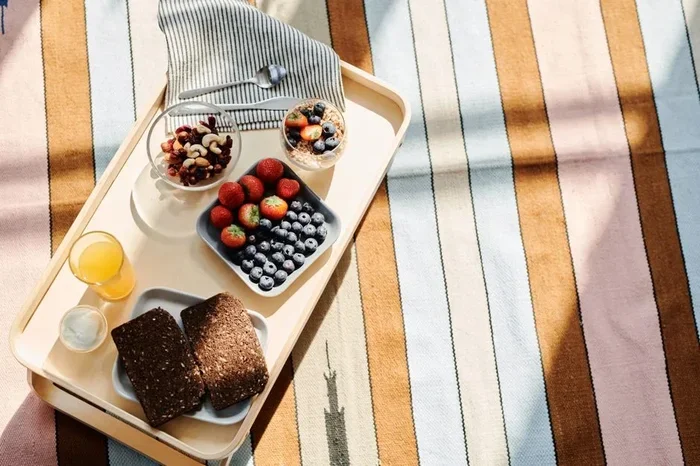
Weekend brunch in the living room is a whole vibe. Lay out a breakfast tray with pastries, fruit, yogurt, and juice. Place it on the couch or a cozy chair. Now you have a brunch spot that beats any restaurant.
Living room dining does not have to mean takeout on the coffee table. With the right tray, you can create a proper, enjoyable meal experience right at home.
Workspace and Laptop Desk
Here is a bonus use many people overlook. An eating tray doubles as a lap desk for working from home. Set your laptop on it, add a mug of coffee, and you have a portable workspace. It is especially handy if you like to change positions throughout the day.
Decorative Display Piece
When you are not using it for food, a tray still adds value. Place candles, books, or a small plant on it. A decorative tray on a coffee table or side table ties the room together visually. It creates a focal point that draws the eye.
Quick Tips for Using Your Tray Effectively
- Always use a coaster under hot or cold drinks to protect the tray surface.
- Keep a small cloth nearby for quick spills and wipe-ups.
- Rotate what you display on decorative trays to keep your space fresh.
- Match the tray size to the activity — small for drinks, large for full meals.
- Clean your tray regularly to maintain its look and feel.
Styling Tips: Making Your Eating Tray Look Stunning
A tray is only as good as how you use it. With a few styling tricks, your eating tray for living room can become a design statement.
Layer Textures and Colors
Start with a base layer. A cloth napkin or a small placemat adds warmth. Then add your plate or bowl. Finish with a drink and a small accent — a sprig of rosemary, a small candle, or a decorative coaster.
Layering creates depth. It makes a simple tray look curated and intentional. You do not need expensive items to pull this off. A simple linen napkin and a ceramic mug can look stunning on a wooden tray.
Match Your Room’s Aesthetic
Think about your room’s overall style. A minimalist living room pairs well with clean-lined glass or metal trays. A bohemian space looks great with woven or bamboo trays. A farmhouse-style room shines with rustic wood.
The goal is harmony. Your tray should feel like it belongs in the room, not like an afterthought.
Add Personal Touches
Make the tray yours. Add a small framed photo, a favorite candle, or a tiny succulent. These small details turn a functional item into something personal and meaningful.
Personalization is what turns a house into a home. It is the little things that make a space feel uniquely yours.
Expert Insights: Why Interior Designers Love Eating Trays
Interior designers often recommend trays as one of the most underrated living room accessories. They serve double duty — function and decoration. A well-chosen tray anchors a seating area and adds visual interest.
According to many design experts, the key is to treat your tray as a styling tool, not just a utility item. When you approach it with that mindset, the results can be truly transformative.
Common Mistakes to Avoid with Eating Trays
Even with the best intentions, some common mistakes can diminish your tray experience. Here is what to watch out for.
Buying the Wrong Size
A tray that is too small forces you to balance things precariously. One that is too large overwhelms your space. Measure your available area before you shop. Think about what you will place on it and size accordingly.
Ignoring Material Care
Different materials need different care. Marble needs gentle cleaning. Wood needs occasional oiling. Metal can rust if left wet. Read the care instructions for your specific tray to keep it looking great for years.
Overloading the Tray
It can be tempting to pile everything on at once. But overloading leads to spills and instability. Keep it simple. One plate, one drink, and one small snack is usually plenty.
Skipping the Comparison
Not all trays are equal in quality. Compare options before you buy. Look at reviews, check weight limits, and consider how often you will actually use it. The cheapest option is not always the best value.
Comparison Table: Best Types of Eating Trays for Living Room
| Type | Best For | Durability | Style | Price Range |
|---|---|---|---|---|
| Wooden Serving Tray | Everyday meals and decor | High | Warm, traditional | $$ |
| Marble Tray | Entertaining and luxury feel | Medium | Elegant, cool | $$$ |
| Folding Tray Table | Small spaces and portability | High | Practical, modern | $ |
| Metal Tray | Modern and minimalist spaces | Very High | Industrial, sleek | $$ |
| Glass Tray | Contemporary and light-filled rooms | Medium | Clean, airy | $$ |
| Bamboo Tray | Eco-conscious and casual use | Medium-High | Natural, casual | $ |
As you can see, there is an eating tray for every living room and every budget. The key is finding the one that matches your needs and style.
Final Thoughts on Eating Trays for Living Room
Eating trays for living room are more than just a handy accessory. They are a lifestyle upgrade. They bring comfort, style, and a sense of intention to the way you eat, work, and relax at home.
Whether you choose a rustic wooden tray, a sleek marble piece, or a practical folding table, the right tray changes how you experience your living space. It turns ordinary moments — a morning coffee, a movie snack, a lazy lunch — into something special.
The best part? You do not need a big budget or a designer’s eye to make it work. A simple tray, used with intention, transforms any corner of your living room into a place you actually want to be.
So go ahead. Pick the right eating tray for your space. Set it up. Enjoy your next meal on the couch. You will wonder how you ever lived without one.
Frequently Asked Questions
What is the best material for eating trays in the living room?
Wood is the most popular choice because it is durable, warm, and fits most decor styles. Marble is great for a luxury look, while metal and glass work well in modern spaces. The best material depends on your personal style and how you plan to use the tray.
Can I use an eating tray as a laptop desk in the living room?
Absolutely. Many eating trays double as lap desks or portable workstations. Just make sure the tray is sturdy enough to hold the weight of your laptop. Flat, stable trays without too many raised edges work best for this purpose.
How do I clean and maintain my eating tray?
Cleaning depends on the material. Wood trays do well with a damp cloth and occasional oiling. Marble trays need gentle, non-abrasive cleaners. Metal and glass trays can usually be wiped with a standard household cleaner. Always check the manufacturer’s care guide.
What size eating tray should I get for my living room?
For most people, a tray that is about 18 to 24 inches wide works perfectly. It gives you enough room for a plate, a drink, and a napkin without taking over your couch or chair. Measure your available space first to find the ideal fit.
Are eating trays only for eating?
Not at all. Eating trays are incredibly versatile. People use them for serving drinks, displaying decorations, working on laptops, holding books, and even as bedside or couch-side stations. Their usefulness goes far beyond just meals.
Where can I buy affordable eating trays for the living room?
You can find great options at home goods stores, online retailers like Amazon and Wayfair, and even thrift shops for unique vintage finds. Setting a budget before you shop helps you narrow down the best choices without overspending.