Design Your Living Room With These Creative Steps Today
Designing your living room is easier than you think when you follow the right steps. This guide covers room layout, color choices, furniture arrangement, and decor tips to transform your space. You will learn how to create a stylish and cozy living room that reflects your personal style.
Your living room is the heart of your home. It is where you relax, entertain guests, and spend quality time with family. If you have been thinking about refreshing the space, now is the perfect time to design your living room with intention and creativity.
A well-designed living room does more than look good. It feels comfortable, functions smoothly, and truly represents who you are. Whether you are starting from scratch or giving an existing room a makeover, a clear plan makes all the difference. In this guide, we walk you through every step of the process in a simple and practical way.
You do not need a huge budget or professional training. With the right ideas and a bit of confidence, you can create a stylish living room that you and your family will love. Let us dive into the creative steps that will bring your vision to life.
Key Takeaways
- Start with a clear floor plan: Measuring your space and identifying the focal point sets the foundation for every design decision.
- Choose a style that fits your life: Whether modern, traditional, or boho, picking a design direction keeps your room cohesive.
- Build a balanced color palette: Using warm or cool tones with the right accent colors creates mood and depth.
- Arrange furniture for flow and function: Sizing pieces to your room and planning traffic lanes makes the space feel open and inviting.
- Layer lighting and add accessories: The right mix of lamps, wall art, and textiles finishes the look with personality.
- Avoid common pitfalls: Skipping measurements, overcrowding furniture, and ignoring scale are mistakes you can easily prevent.
📑 Table of Contents
- Understand Your Living Room Space First
- Choose a Design Style That Feels Right
- Build a Color Palette That Sets the Mood
- Arrange Your Furniture for Flow and Comfort
- Add Finishing Touches That Bring It All Together
- Common Mistakes to Avoid When Designing a Room
- Put It All Together: Your Design Action Plan
Understand Your Living Room Space First
Before you buy anything or move a single piece of furniture, take time to understand your space. This first step in how to design your living room saves you money, stress, and regret later on.
Measure Your Room Dimensions
Grab a tape measure and write down the length and width of your room. Note the location of windows, doors, and any architectural features like fireplaces or built-in shelves. These details shape every furniture choice you make.
Create a simple floor plan on paper or use a free online room planner. This visual tool helps you see the space clearly before you commit to any design decisions. A well-drawn living room floor plan is the backbone of a successful room makeover.
Identify Your Room’s Purpose
Think about how you actually use your living room. Do you watch movies every night? Do your kids play there after school? Or is it a quiet reading nook for you?
The purpose of the room guides your furniture selection and layout. A family-friendly space needs durable, easy-to-clean materials. A formal sitting area calls for more elegant and refined pieces. Understanding your lifestyle is the key to a functional design.
Choose a Design Style That Feels Right
One of the most exciting parts of designing a room is picking a style. Your design direction sets the tone for everything from furniture shapes to color choices and accessories.
Explore Popular Living Room Styles
There are many interior design styles to choose from. Here are some of the most popular ones for living rooms:
- Modern: Clean lines, neutral colors, and minimal clutter define this look.
- Traditional: Rich woods, classic patterns, and elegant furniture create a timeless feel.
- Bohemian: Layered textures, earthy tones, and eclectic accessories bring a relaxed vibe.
- Scandinavian: Light woods, white walls, and cozy textiles make a warm yet airy space.
- Industrial: Exposed brick, metal accents, and reclaimed wood give a raw, urban edge.
Mix Styles Creatively
You do not have to stick to just one style. Many beautiful living rooms blend elements from two or more design directions. The trick is to keep a consistent thread, like a color palette or a material, that ties everything together.
For example, pairing a modern sofa with a traditional coffee table can create a balanced and interesting look. Just make sure the mix feels intentional, not random. A cohesive room design idea comes from thoughtful choices, not chaos.
Build a Color Palette That Sets the Mood
Color has a powerful effect on how a room feels. The right palette can make a small space feel larger, a dark room feel brighter, and a plain room feel full of personality.
Warm vs Cool Tones
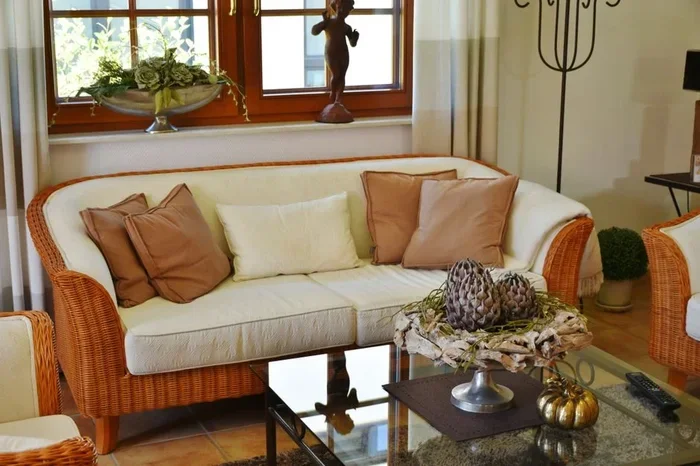
Warm colors like beige, terracotta, and soft yellow create a cozy and inviting atmosphere. Cool tones like blue, gray, and sage green bring calm and freshness to a space.
Think about the natural light your room receives. Rooms with plenty of sunlight can handle deeper, warmer shades. North-facing or smaller rooms often feel better with lighter, cooler hues. Your color palette should work with the light you already have.
Add Accent Colors and Patterns
Once you pick a main color, choose one or two accent colors to add visual interest. Accent colors appear in throw pillows, curtains, artwork, and other decor items.
Patterns also play a big role in a stylish living room. A striped rug, a floral throw blanket, or geometric wall art adds depth without overwhelming the space. Limit yourself to two or three patterns per room to keep things balanced and elegant.
Arrange Your Furniture for Flow and Comfort
Furniture arrangement is where the magic happens. A smart layout makes your room feel open, welcoming, and easy to move through. A poor layout can make even the most beautiful room feel cramped and awkward.
Find the Focal Point
Every living room needs a focal point. This is the first thing you see when you enter the room. Common focal points include a fireplace, a large window with a view, a television wall, or a striking piece of wall art.
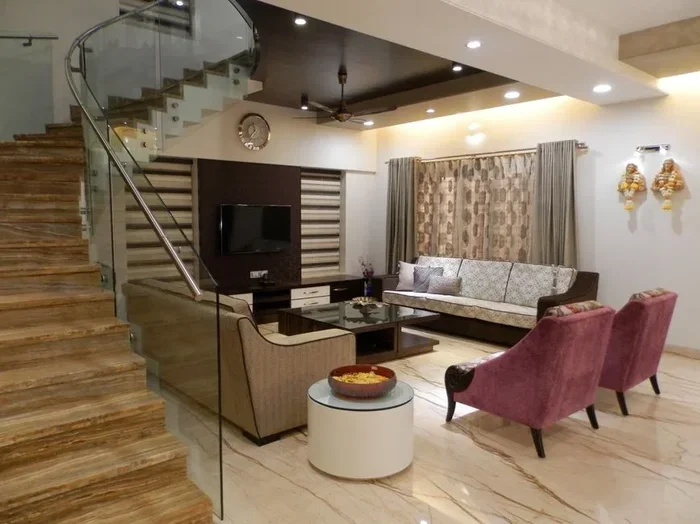
Once you identify the focal point, arrange your seating to face it. This creates a natural gathering spot and gives the room a sense of purpose. Your living room layout should guide the eye toward this central feature.
Plan Traffic Flow
Leave enough space between furniture pieces for easy movement. A walkway of at least 30 inches feels comfortable for most people. Avoid pushing all furniture against the walls. Pulling pieces slightly away from the walls can actually make a room feel larger and more conversational.
Walk through your room and imagine carrying a tray of drinks or a laundry basket through the space. If you bump into anything, adjust the arrangement. Good traffic flow is one of the most overlooked aspects of home improvement projects.
Size Furniture to Your Room
Oversized furniture in a small room is a common mistake. Measure your available space carefully before shopping for sofas, armchairs, and coffee tables.
Use your floor plan to check that each piece fits with proper breathing room. A cozy living room does not mean a crowded one. Choose furniture that fits the scale of your room and leaves enough open space to feel relaxed.
Add Finishing Touches That Bring It All Together
The final details are what turn a plain room into a beautifully designed space. These finishing touches add personality, warmth, and visual depth.
Layer Your Lighting
Good lighting design transforms a room. Relying on a single overhead light creates flat and harsh shadows. Instead, layer different light sources for a warm and inviting glow.
- Ambient lighting: A floor lamp or pendant light provides general illumination.
- Task lighting: A reading lamp next to a chair serves a practical purpose.
- Accent lighting: Candles, string lights, or wall sconces add atmosphere and drama.
Dimmer switches are a simple upgrade that gives you control over the mood at any time of day. Proper lighting design is one of the fastest ways to elevate your room.
Style Your Walls and Surfaces
Wall art, shelves, and decorative objects add character to your space. Hang artwork at eye level for the best visual impact. Group smaller frames together to create a gallery wall that tells a story.
On shelves and tables, use the rule of three. Group items in odd numbers for a more natural and appealing display. Add an area rug under your seating group to anchor the furniture and define the zone. Soft throw pillows and a textured blanket invite people to sit and stay awhile.
Common Mistakes to Avoid When Designing a Room
Even the best intentions can lead to design missteps. Knowing what to avoid helps you create a polished and lasting result.
- Skipping measurements: Buying furniture without checking sizes is the number one design mistake. Always measure your space and your doorways before purchasing.
- Ignoring the ceiling: The ceiling is the fifth wall. A fresh coat of paint or a simple fixture can change the entire feel of the room.
- Overcrowding with decor: More is not always better. Leave some empty space on walls and surfaces for a clean and calm look.
- Forgetting about storage: A beautiful room quickly loses its charm when clutter takes over. Build in hidden storage solutions to keep things tidy.
- Following trends blindly: Trends come and go. Choose pieces and colors you genuinely love and that will stand the test of time.
Avoiding these pitfalls keeps your living room makeover looking great for years to come. A thoughtful approach beats a rushed one every time.
Put It All Together: Your Design Action Plan
Now that you have all the tools and ideas, it is time to take action. Here is a simple step-by-step plan to guide you through the process of designing your living room.
- Measure your room and draw a basic floor plan.
- Choose a design style that matches your personality and lifestyle.
- Select a color palette with a main tone and two accent colors.
- Pick your key furniture pieces and arrange them around the focal point.
- Add lighting layers to create warmth and depth.
- Finish with wall art, accessories, and soft textiles like pillows and rugs.
Take it one step at a time. You do not have to do everything in a single weekend. The best rooms evolve over time as you discover what truly works for you. Trust your instincts and enjoy the creative process.
Designing your living room is a rewarding journey. It gives you the chance to shape a space that supports your daily life and reflects your unique taste. With these creative steps, you have everything you need to get started today.
Remember, the goal is not perfection. The goal is a space that feels like yours. A space where you can relax, connect with loved ones, and feel truly at home. So grab your tape measure, gather your inspiration, and begin your living room design adventure. Your dream space is closer than you think.
Frequently Asked Questions
How do I start designing my living room from scratch?
Begin by measuring your room and creating a simple floor plan. Identify the focal point, choose a design style, and pick a color palette. These foundational steps give you a clear roadmap before you buy any furniture or decor.
What are the best colors for a small living room?
Light and neutral tones like white, soft gray, and pale blue make a small room feel open and airy. You can add depth with accent colors in throws, pillows, or artwork. Avoid dark wall colors in very small spaces unless you have plenty of natural light.
How do I arrange furniture in a living room with a fireplace?
Place the seating to face the fireplace as the focal point. Arrange a sofa and two chairs in a U-shape or L-shape around it. Leave enough space for comfortable walking paths on all sides. An area rug under the seating group helps define the zone.
Can I mix different design styles in one living room?
Yes, you can! The key is to keep a consistent element, such as a shared color palette or a common material like wood or metal. Mixing styles works best when the combination feels intentional rather than random.
How much does it cost to design a living room?
The cost varies widely based on your choices and room size. You can refresh a room with affordable accessories like throw pillows, rugs, and wall art for under a few hundred dollars. Larger investments like new furniture can range from a few hundred to several thousand dollars depending on quality and brand.
What is the fastest way to update a living room?
Paint the walls, swap out throw pillows and blankets, add new wall art, and rearrange the furniture. These quick changes can completely transform the look and feel of a room without a major budget or renovation project.
=== CONCLUSION ===
Designing your living room does not have to be overwhelming. With a clear plan, the right style, and thoughtful details, you can create a space that is both beautiful and functional. From measuring your room and choosing a color palette to arranging furniture and adding the final decorative touches, every step brings you closer to the living room of your dreams.
Remember to keep your lifestyle at the center of every decision. A truly great living room is one that feels comfortable, looks inspiring, and works for the people who use it every day. Start with one small change today, and build from there. Your creative living room journey begins now.