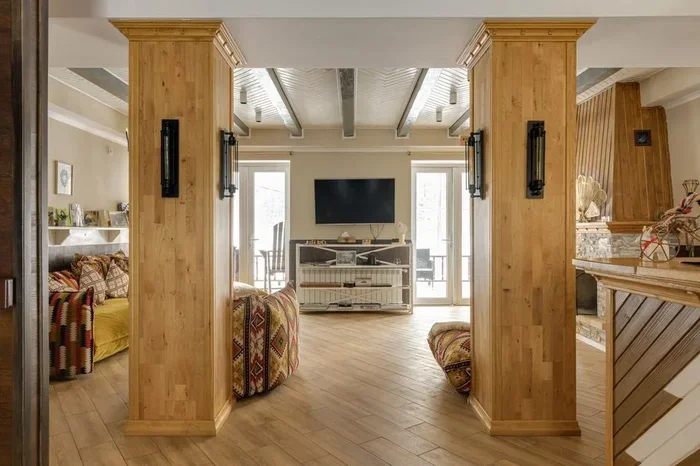
Decorative Columns for Living Room Design Inspiration
Decorative columns for living room spaces add elegance, structure, and timeless charm to any home. Whether you choose real architectural columns or lightweight faux options, these vertical supports instantly upgrade your living room design. In this guide, you will learn about different column styles, materials, placement tips, and budget-friendly ideas to bring your vision to life.
Decorative columns for living room spaces have become one of the hottest trends in home design. These elegant vertical structures bring a sense of grandeur and sophistication to any room. Whether your style is classic or contemporary, columns can transform a plain wall into a stunning focal point.
If you have been searching for ways to elevate your living room design, you are in the right place. This guide covers everything you need to know about using decorative columns for living room spaces. From material choices to placement strategies, you will find practical tips that make the process easy and fun.
Columns are not just for grand mansions anymore. Today, homeowners at every budget can enjoy the beauty of architectural columns. You do not need a massive renovation to get that polished, high-end look. A few well-placed decorative pillars can completely change the feel of your room.
Key Takeaways
- Versatile Design Element: Decorative columns work in both traditional and modern living room styles.
- Material Options Abound: Choose from wood, PVC, fiberglass, and foam based on your budget and needs.
- Placement Matters: Strategic positioning near entryways, fireplaces, or seating areas creates visual impact.
- Easy Installation: Many faux column options are DIY-friendly and require no structural work.
- Cost-Effective Upgrade: Decorative columns deliver a high-end look without the cost of a full renovation.
- Pair with Molding: Combining columns with crown molding and baseboards enhances the overall aesthetic.
📑 Table of Contents
- Why Decorative Columns Are a Living Room Game-Changer
- Types of Decorative Columns for Living Rooms
- Best Materials for Decorative Columns
- How to Place Decorative Columns in Your Living Room
- Common Mistakes to Avoid When Using Decorative Columns
- Budget-Friendly Ideas for Adding Columns
- How Decorative Columns Boost Your Home’s Value
- Final Thoughts on Decorative Columns for Living Room Spaces
Why Decorative Columns Are a Living Room Game-Changer
Columns have been used in architecture for thousands of years. The Greeks and Romans built iconic structures using decorative pillars that still inspire us today. These vertical supports bring a sense of order, balance, and beauty to any space.
In a living room, columns serve both aesthetic and functional purposes. They frame doorways, highlight architectural features, and create a sense of symmetry. Even a single wall column can make a bold design statement.
They Add Instant Elegance
Nothing says luxury quite like a beautifully crafted column. When you place decorative columns in your living room, they immediately draw the eye upward. This vertical movement makes the room feel taller and more spacious.
Columns also add texture and dimension to flat walls. A plain wall can feel boring, but adding a decorative support gives it visual interest. Guests will notice the refined detail the moment they walk in.
They Define Spaces Without Walls
Open-concept floor plans are popular, but they can feel undifferentiated. Columns help define separate zones within one large room. For example, you can use structural columns to mark the boundary between a seating area and a reading nook.
This approach works beautifully in studio apartments too. You get the openness you want while still creating a sense of organization. It is one of the smartest tricks in modern living room aesthetics.
Types of Decorative Columns for Living Rooms
Not all columns are created equal. There are many styles, materials, and designs to choose from. Understanding your options helps you pick the perfect fit for your space.
Classic Greek and Roman Columns
The Doric, Ionic, and Corinthian styles are the most famous classical columns. Each has distinct characteristics:
- Doric: Simple and sturdy with no base. Perfect for a clean, minimalist look.
- Ionic: Features scroll-like ornaments called volutes on the capital. Adds a touch of refinement.
- Corinthian: The most ornate style with elaborate leaf carvings. Ideal for formal spaces.
These traditional styles work well in homes with a classic or Mediterranean vibe. They bring historical charm and timeless beauty to any living room design.
Modern and Contemporary Columns
Not all columns need to look old-fashioned. Modern column styles are clean, sleek, and geometric. They often feature smooth surfaces and minimal ornamentation.
Many homeowners pair modern columns with neutral paint colors. White, gray, and matte black are popular choices. These modern column designs blend seamlessly with contemporary furniture and minimalist decor.
Faux and Decorative Pilasters
Faux columns are flat columns that attach directly to the wall. They look like real structural pillars from a distance but take up almost no space. Decorative pilasters are a great option for smaller living rooms.
You can find faux columns made from foam, PVC, or MDF. They are lightweight, affordable, and easy to install. This makes them a top choice for renters and budget-conscious homeowners.
Best Materials for Decorative Columns
The material you choose affects the look, feel, durability, and cost of your columns. Here is a closer look at the most popular options.
| Material | Pros | Cons | Best For |
|---|---|---|---|
| Wood | Natural beauty, very durable, can be stained or painted | Heavier, higher cost, may need professional installation | Traditional and rustic living rooms |
| PVC | Water-resistant, lightweight, affordable | Less realistic look, limited texture options | Moisture-prone areas and budget projects |
| Fiberglass | Very durable, realistic finish, weather-resistant | Moderate cost, heavier than PVC | Both indoor and outdoor use |
| Foam/Polystyrene | Lightest option, easy to cut and paint, very affordable | Less durable, not suitable for high-traffic areas | Renter-friendly projects and quick makeovers |
| Polyurethane | Realistic texture, good durability, easy to paint | Mid-range price point | High-end faux column projects |
Quick Tips for Choosing the Right Material
- Consider the humidity level in your living room. PVC and fiberglass handle moisture best.
- Think about your budget. Foam is the most affordable, while wood offers the most premium feel.
- Check the weight. Heavy materials may require wall reinforcement or professional help.
- Match the material to your existing decor. Wood columns pair well with wooden furniture and flooring.
Expert Insight: Material Selection Matters More Than You Think
Interior designers often say the material sets the tone for the entire room. A real wood column gives a warm, organic feel. A smooth polyurethane column looks sleek and polished. Choose a material that aligns with your overall home decor vision.
How to Place Decorative Columns in Your Living Room
Placement is just as important as the column itself. A well-placed column enhances the room, while a poorly placed one can feel awkward. Here are the best strategies for positioning your decorative columns for living room spaces.
Flanking the Fireplace
The fireplace is often the living room’s focal point. Placing columns on either side draws the eye toward it and creates a balanced, symmetrical look. This is one of the most popular arrangements in living room design ideas.
You can add crown molding above the columns and baseboards below to create a seamless, built-in appearance. This combination makes the columns look like a permanent part of the architecture.
Flanking the Entryway or Doorway
Columns next to the front door or a room divider create a grand entrance effect. They frame the doorway and make a strong first impression. This technique is common in both traditional and transitional home improvement projects.
Make sure the columns are evenly spaced on both sides of the doorway. Symmetry is key to achieving a polished, professional look.
Creating a Columned Alcove
An alcove with columns on three sides creates a cozy, built-in nook. This works beautifully for a reading corner or a display area. You can add a cushioned bench inside the alcove for extra functionality.
This approach turns an unused corner into a stunning architectural feature. It is a favorite among interior design columns enthusiasts who want to maximize their space.
Pairing Columns with Built-In Shelving
Combining columns with built-in bookshelves or entertainment centers adds depth and character. The columns frame the shelving unit and give it a custom, high-end feel.
This is a smart choice for families who need extra storage. The columns hide the seams between the shelves and the wall, creating a unified look.
Common Mistakes to Avoid When Using Decorative Columns
Even with the best intentions, mistakes can happen. Here are common pitfalls and how to avoid them.
Choosing the Wrong Size
Oversized columns can overwhelm a small living room. Undersized columns get lost in a large space. Measure your room carefully before purchasing. A good rule of thumb is that the column height should be at least six to eight times its width.
Take into account your ceiling height too. Low ceilings need slimmer columns to avoid a cramped feel. High ceilings can handle more substantial, wider columns.
Ignoring the Room’s Style
Mixing styles can create a confusing look. A Corinthian column in a ultra-modern room may feel out of place. On the other hand, a sleek metal column in a Victorian-style room can clash.
Choose a column style that complements your existing furniture, flooring, and architectural details. Consistency is the key to a cohesive living room makeover.
Skipping the Finishing Touches
A column that looks bare and unfinished can detract from the overall design. Add column caps at the top and base details at the bottom. Paint or stain the column to match your wall color or create a subtle contrast.
These small details make a huge difference. They elevate the column from a simple addition to a true design feature.
Budget-Friendly Ideas for Adding Columns
You do not need a huge budget to enjoy the beauty of decorative columns. There are many affordable options that deliver stunning results.
DIY Foam Columns
Foam columns are the most budget-friendly option. You can buy foam column kits online for as little as $30 to $50 per column. They are lightweight and easy to cut to size with a simple utility knife.
Prime and paint them to match your walls. For a realistic texture, you can use a stencil to add stone or brick patterns. This DIY approach lets you customize every detail.
Repurposed PVC Pipes
PVC pipes wrapped in foam or textured wallpaper can mimic the look of real stone or wood columns. This is a clever hack for renters who cannot make permanent changes. The pipes are easy to find at any hardware store.
Paint the finished columns in a color that blends with your wall. You can also add a decorative column capital at the top for a more polished finish.
Thrift Store and Salvaged Columns
Check salvage yards, architectural reuse shops, and online marketplaces for secondhand columns. You can often find beautiful wood or stone columns at a fraction of the retail price.
A little sanding and painting can transform a weathered column into a stunning focal point. This is also an eco-friendly choice that reduces waste.
How Decorative Columns Boost Your Home’s Value
Beyond their beauty, decorative columns can increase your home’s resale value. Buyers love architectural details that suggest quality and craftsmanship. A well-designed column installation is one of the most impactful home improvement projects you can undertake.
Real estate experts often note that architectural features like columns set a property apart. They signal attention to detail and a commitment to quality. Even if you are not planning to sell soon, these upgrades make your space more enjoyable every day.
Columns also photograph well for real estate listings. They create depth and visual interest in listing photos. This can lead to faster sales and better offers.
Final Thoughts on Decorative Columns for Living Room Spaces
Decorative columns for living room design are a powerful way to transform your home. They add elegance, define spaces, and boost curb appeal. Whether you choose a classic wood column or a lightweight faux option, the impact is undeniable.
Start by measuring your space and choosing a style that fits your existing decor. Pick a material that suits your budget and lifestyle. Then focus on placement to create the most visual impact.
Remember, the small finishing touches matter. Column caps, crown molding, and baseboards turn a simple column into a true architectural masterpiece. Take your time, have fun with the process, and enjoy the stunning results.
Your living room deserves to feel special. Decorative columns are one of the easiest and most effective ways to make that happen. Start your project today and see the difference for yourself.
Frequently Asked Questions
Can I install decorative columns myself?
Yes, many faux column options are designed for DIY installation. Foam, PVC, and polyurethane columns are lightweight and easy to work with. Basic tools like a saw, adhesive, and paint are all you need to get started.
How much do decorative columns for living room cost?
Costs vary widely based on material and size. Foam columns start around $30 each, while real wood columns can cost $200 or more. Fiberglass and polyurethane options fall in the middle range, typically between $80 and $150 per column.
Are faux columns as good as real columns?
Modern faux columns look incredibly realistic, especially when painted and finished properly. High-quality polyurethane and fiberglass options closely mimic the texture and appearance of real stone or wood. For most homeowners, faux columns are the best choice for beauty and affordability.
What is the best column style for a small living room?
Flat faux columns or decorative pilasters work best in small spaces. They take up minimal room while still adding architectural interest. Slim, smooth columns in a light color also help keep the room feeling open and airy.
Can decorative columns be used in a modern living room?
Absolutely. Modern column designs feature clean lines and minimal ornamentation. They pair well with contemporary furniture, neutral palettes, and minimalist decor. The key is choosing a style that complements your existing design.
Do columns require any structural support?
Most decorative columns are purely cosmetic and do not bear weight. Faux columns attach to the wall with adhesive or mounting brackets. However, if you are installing a real structural column, consult a professional to ensure proper support and safety.