Stunning Wall Painting Designs for Living Room Ideas
Wall painting designs for living room can completely change how your space feels and looks. Whether you prefer bold murals, subtle geometric patterns, or elegant ombre effects, the right paint idea brings life to any room. This guide covers the best wall painting designs for living room with practical tips, expert advice, and easy DIY inspiration. You will learn about color choices, techniques, and styling tricks that make your walls stand out.
Wall painting designs for living room offer one of the most affordable and impactful ways to refresh your home. A fresh coat of paint or a creative mural can turn a plain wall into a conversation starter. Unlike expensive furniture or accessories, paint gives you endless freedom to experiment. You can change the entire mood of a room just by choosing the right colors and patterns.
Many people worry that painting walls feels intimidating. But with a little planning and the right ideas, anyone can create beautiful results. This guide walks you through the best wall painting designs for living room, from simple accent walls to full-room murals. You will find inspiration no matter your style, budget, or skill level.
Aesthetic living room ideas often start with the walls. Your wall color sets the tone for everything else in the room.
## Why Wall Painting Designs Matter for Your Living Room
Your living room is the heart of your home. It is where you relax, entertain guests, and spend quality time with family. The walls play a huge role in defining the feel of this space. Plain white walls can feel clean, but they can also look boring after a while.
Wall painting designs for living room give your room a sense of identity. They reflect your personality and style. A well-chosen design makes the room feel intentional and curated. Even a small change, like adding a stripe or a subtle texture, can make a big difference.
### Setting the Mood with Color
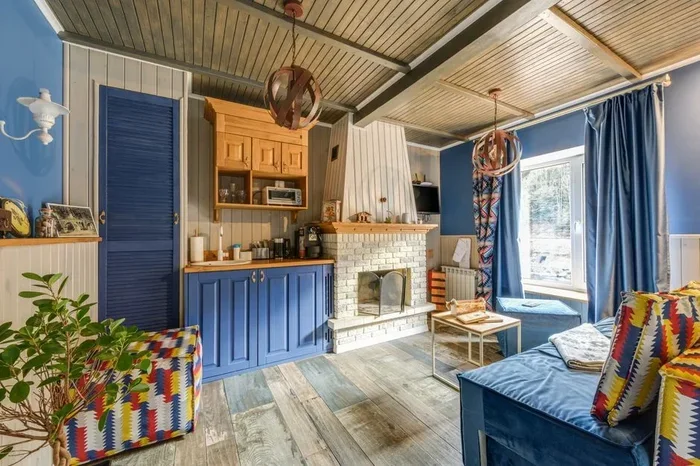
Colors affect how we feel in a room. Warm tones like terracotta and mustard create a cozy, inviting vibe. Cool tones like soft blue and sage green bring calm and relaxation. Bold colors like navy or emerald green add drama and sophistication.
Before you start painting, think about the mood you want. Do you want a relaxing retreat or an energetic, vibrant space? Your answer guides your color choices. You can also test a small patch of paint on your wall to see how it looks in different lighting.
### Adding Depth and Dimension
Paint does more than add color. It adds depth. Techniques like ombre, color blocking, and textured finishes create visual interest. They make a flat wall feel dynamic and layered. This is especially useful in living rooms with limited architectural detail.
For example, a simple ombre effect using two shades of the same color can make a wall feel like it stretches upward. Color blocking with geometric shapes adds a modern, artistic edge. These techniques turn ordinary walls into stunning features.
## Popular Wall Painting Designs for Living Room
There are so many directions you can go with wall painting designs for living room. Below are some of the most popular styles that work beautifully in any home.
### Accent Wall Magic
An accent wall is the simplest and most effective way to use wall painting designs. You pick one wall and paint it differently from the rest. This creates a natural focal point in the room.
You can make an accent wall bold with a deep color. Or keep it subtle with a slightly lighter or darker shade of your main wall color. Both approaches work well. The key is to choose the right wall. The wall behind your sofa or the first wall you see when you enter the room makes the best accent wall.
Pair your accent wall with accent pieces for living room like cushions, throws, or artwork to tie the look together.
### Geometric and Abstract Patterns
Geometric wall designs are trending right now for good reason. They look modern, stylish, and artistic. You can create triangles, hexagons, or abstract shapes using painter’s tape and two or three colors.
The beauty of geometric designs is their flexibility. You can go bold with bright colors or keep it soft with neutral tones. Abstract patterns feel even more artistic and free-flowing. They work well in creative, bohemian, or contemporary living rooms.
### Ombre and Gradient Effects
Ombre means blending one color into another. This technique creates a soft, dreamy gradient on your wall. It looks especially beautiful when you blend from light to dark, top to bottom.
Ombre walls feel elegant and sophisticated. They work well in bedrooms and living rooms alike. You need at least two shades of the same color family. A roller and a bit of patience are all you need. The result looks professional and eye-catching.
### Mural and Feature Wall Art
If you want a truly unique statement, consider a hand-painted mural. A mural can depict anything from a landscape to abstract art to botanical motifs. It turns your wall into genuine artwork.
You can hire a professional muralist or try it yourself if you enjoy painting. Even a simple botanical mural with a few painted leaves and vines can look stunning. Murals pair beautifully with aesthetic living room decor to create a cohesive look.
### Stenciled Wall Designs
Stenciling is a fantastic way to add pattern without needing artistic skill. You buy or make a stencil, hold it against the wall, and paint over it. Repeating the stencil creates a beautiful pattern across the entire wall.
Stenciled designs range from simple damask patterns to intricate Moroccan tiles. They add texture and visual interest. Stenciling works especially well on a single accent wall or as a border near the ceiling or baseboard.
## How to Choose the Right Wall Painting Design
Choosing the right design can feel overwhelming with so many options. Here are some practical tips to help you decide.
### Consider Your Room Size
Small living rooms benefit from lighter colors and simpler designs. Dark, bold patterns can make a small room feel cramped. Large rooms can handle bigger, more dramatic designs. A mural or deep accent wall works well in spacious living rooms.
### Match Your Existing Decor
Think about your furniture, rugs, and curtains. Your wall design should complement these elements, not fight them. If your furniture is minimal and modern, a clean geometric pattern fits perfectly. If your decor is warm and eclectic, an ombre or textured wall adds harmony.
### Test Before You Commit
Always test your chosen design on a small area first. Paint a section of the wall and live with it for a day or two. View it in morning light, afternoon light, and evening light. This helps you see if the color and design truly work in your space.
### Think About Longevity
Trends come and go. Bold colors and heavy patterns can feel dated quickly. If you want a design that lasts, choose something timeless. Neutral ombre, subtle texture, or a simple accent wall in a classic color rarely goes out of style.
## DIY Tips for Painting Wall Designs
You do not need to be a professional to create beautiful wall painting designs for living room. With the right approach, anyone can achieve great results.
### Prep Your Walls First
Preparation is the most important step. Clean the wall to remove dust and dirt. Fill any holes or cracks with spackle. Sand the surface smooth. Apply a primer to help the paint adhere better and look more vibrant.
Skipping prep leads to uneven texture and poor paint coverage. Take the time to do it right. Your walls will thank you with a smooth, professional finish.
### Use Quality Tools and Paint
Good paint makes a huge difference. Invest in a quality primer and a few cans of your chosen colors. Use a high-quality roller for smooth coverage and a good angled brush for edges and details. Painter’s tape is your best friend for clean lines and geometric designs.
### Work in Sections
Do not try to paint the entire wall in one go. Work in manageable sections. Blend wet edges together to avoid visible lines. This is especially important for ombre and gradient effects.
### Step Back and Assess
Frequently step back and look at your work from across the room. This helps you spot mistakes and see the overall effect. What looks up close may look different from a distance. Keep adjusting until you are happy with the result.
Once your wall is done, enhance the look by styling open shelves in your living room with complementary decor pieces.
## Common Mistakes to Avoid
Even with the best intentions, mistakes can happen. Here are some common pitfalls to watch out for.
### Skipping the Primer
Primer helps paint stick and look its best. Skipping it can lead to patchy coverage and peeling over time. Always use a primer, especially on new drywall or when painting over dark colors.
### Choosing the Wrong Scale
A design that looks great on a small sample can look completely different on a full wall. Always test at full scale before committing. A tiny geometric pattern on paper might look overwhelming when repeated across an entire wall.
### Ignoring the Ceiling and Trim
Your wall design does not exist in isolation. The ceiling and trim colors affect how the wall looks. A crisp white trim frames your wall design beautifully. A mismatched ceiling color can throw off the entire effect.
### Using Too Many Colors
More colors do not always mean better. Stick to two or three colors for a cohesive look. Too many colors can make the wall feel chaotic and busy. Less is often more when it comes to wall painting designs.
## Expert Insights on Living Room Wall Painting
Interior designers agree that wall painting is the most impactful and affordable home update. A fresh design can make a room feel brand new without replacing a single piece of furniture.
Experts recommend starting simple if you are new to wall painting. An accent wall or a subtle texture is a perfect first project. As your confidence grows, you can try more complex patterns and murals. The key is to enjoy the process and not worry about perfection.
For more ideas on combining wall art with your painted walls, check out our guide on how to decorate shelves in living room for seamless styling inspiration.
## Conclusion
Wall painting designs for living room are one of the easiest and most affordable ways to transform your home. Whether you choose a bold mural, a subtle ombre, or a clean geometric accent wall, the results speak for themselves. The right design adds personality, depth, and style to your living space.
Start with a plan, test your ideas, and enjoy the process. You do not need to be an artist to create something beautiful. With a little effort and creativity, your living room walls can become the highlight of your home.
Key Takeaways
- Accent walls are the easiest way to add personality without overwhelming your space.
- Geometric and mural designs create a bold, artistic focal point in any living room.
- Ombre and color-blocking techniques give a modern, stylish look with minimal effort.
- Stenciling and hand-painted details add texture and depth that store-bought decor cannot match.
- Neutral and earth-tone palettes work beautifully for a calm, inviting atmosphere.
- DIY wall painting saves money and lets you customize every detail to your taste.
- Proper prep and quality paint ensure your wall painting designs for living room last for years.
Frequently Asked Questions
What are the easiest wall painting designs for living room beginners?
Accent walls, color blocking, and simple ombre effects are the easiest options for beginners. They require minimal skill and basic tools like a roller, brush, and painter’s tape. You can create a stunning look with just one or two colors.
How do I choose the right colors for my living room wall painting?
Start by considering your existing furniture and decor. Choose colors that complement rather than clash. Test paint samples on your wall and observe them in different lighting throughout the day before making a final decision.
Can I paint a wall mural myself without professional help?
Yes, many mural designs are beginner-friendly. Start with simple botanical or geometric patterns and use stencils or templates for guidance. Practice on a small section first, and remember that patience and steady hands go a long way.
What wall painting technique gives the most modern look?
Geometric patterns, ombre gradients, and color blocking are the most modern techniques. They create clean lines and visual interest without feeling outdated. Pair these with minimalist furniture for a cohesive contemporary look.
How long does it take to paint a decorative wall design?
A simple accent wall takes a few hours. More complex designs like murals or ombre effects may take one to two days, including drying time. Proper preparation and working in sections help you finish efficiently without sacrificing quality.
Do wall painting designs add value to a home?
Yes, a well-designed accent wall or feature wall can increase your home’s appeal to buyers. Neutral and tasteful wall designs are more likely to appeal to a broad range of potential buyers compared to bold or highly personal choices.