Wall Mirror in Small Living Room to Make Space Feel Bigger
A wall mirror in small living room setups is one of the simplest and most effective ways to make tight spaces feel open and airy. By reflecting light and creating visual depth, mirrors transform cramped rooms into inviting, spacious-feeling areas. This guide covers the best mirror types, placement strategies, and styling tips to help you maximize your living space with confidence.
A wall mirror in small living room design is a game-changer. If you have a compact living space, you already know how quickly a room can feel cramped and closed-in. The good news is that you do not need a major renovation to fix that. A single mirror can open up a room in ways that paint, furniture, and lighting alone cannot.
Small living rooms come with real challenges. Limited wall space, tight furniture arrangements, and lack of natural light all work against you. But here is the good news. A thoughtfully chosen mirror can solve many of these problems at once. It reflects light, creates depth, and draws the eye outward. In this guide, we will walk you through everything you need to know about using a wall mirror to make a small living room feel bigger.
## Why a Wall Mirror Transforms a Small Living Room
A mirror does something no other piece of decor can do. It tricks the brain into seeing more space than actually exists. When light hits a mirror surface, it bounces back into the room. This simple physics principle makes a huge difference in how spacious a room feels.
### The Science Behind Mirror Illusions
Our brains use visual cues to judge room size. One of the biggest cues is depth. When a mirror reflects a window or a view, it adds a layer of perceived depth to the room. The brain interprets the reflection as actual space beyond the wall. This is why a small living room with a mirror instantly feels more open and welcoming.
Light reflection is the second major factor. Dark rooms feel small. Bright rooms feel large. A mirror placed near a window doubles the amount of light in the room. It sends sunshine deep into corners that would otherwise stay shadowy. Even on cloudy days, a mirror keeps the space feeling alive and airy.
### How Mirrors Affect Room Perception
Studies in interior design show that people consistently judge mirrored rooms as larger. The effect is not just visual. It is psychological. When we see more light and reflected views, we feel less confined. A wall mirror in small living room setups helps residents feel more relaxed and comfortable too.
## Best Types of Wall Mirrors for Small Spaces
Not all mirrors work equally well in small rooms. The shape, frame, and style all matter. Choosing the right type of mirror can amplify the space-making effect. Let us look at the best options available.
### Lean-To Mirrors
Lean-to mirrors are freestanding mirrors that lean against the wall. They are incredibly popular for small spaces because you do not need to drill anything. You can move them anywhere you want. A lean-to mirror works great behind a sofa or beside a narrow entryway.
These mirrors come in many sizes. For a small living room, aim for a height of at least 60 inches. This gives you a full-length reflection that adds verticality to the space. The vertical lines make the ceiling feel higher and the room feel taller.
### Round Wall Mirrors
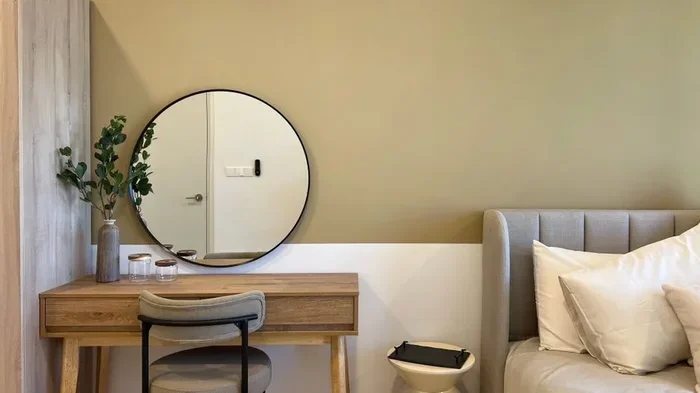
Round mirrors are a fantastic choice for small living room wall mirror ideas. The curved edges soften the room and add visual interest. Unlike rectangular mirrors, round mirrors do not create harsh lines that can make a space feel boxed in.
You can hang a round mirror above a sofa, a side table, or a console. They work especially well in rooms with modern or aesthetic living room ideas decor. A large round mirror can serve as a statement piece while still making the room feel bigger.
### Sunburst and Starburst Mirrors
Sunburst mirrors have radiating spokes around a central disc. They add a decorative touch while still serving the purpose of expanding the room. These mirrors draw the eye outward from the center, which creates a sense of movement and space.
Sunburst mirrors work best as accent pieces. Hang one on a wall that gets the most light. The spokes will catch the light and scatter it around the room. This adds both brightness and the feeling of openness.
### Full-Length Standing Mirrors
A full-length standing mirror is a powerful tool for small rooms. It reflects the entire height of the room, which makes ceilings appear higher. Place it against the longest wall to draw the eye upward and outward.
These mirrors are especially useful in apartments where wall space is limited. You can position them in a corner or behind a piece of furniture. Just make sure the mirror reflects something attractive, like a window or a plant. Avoid reflecting cluttered areas.
## Mirror Placement Strategies That Add Space
Where you hang a mirror matters just as much as which mirror you choose. The right placement can double the perceived size of your room. The wrong placement can make things feel worse. Here are the best strategies to follow.
### Hang a Mirror Across From a Window
This is the single most effective placement trick. When a mirror faces a window, it reflects the outdoor view and the incoming light back into the room. The effect is almost like adding another window. Your small apartment decor immediately feels more open and connected to the outdoors.
If your window faces a garden or a street with trees, even better. The mirror will bring that natural beauty inside. The reflection adds life and depth that plain walls simply cannot provide.
### Place a Mirror Behind Furniture
Putting a mirror behind a sofa or a console table creates the illusion of depth. The room appears to extend behind the furniture. This technique works wonders in narrow living rooms where you need every bit of extra space.
Make sure the mirror is at least as wide as the furniture piece. A mirror that is too small will look lost and will not create the desired effect. For best results, use a large wall mirror that spans most of the wall behind the sofa.
### Use Mirrors to Double Light Sources
If your room has a lamp, a chandelier, or any light fixture, place a mirror nearby. The mirror will reflect the light source and spread its glow across the room. This is especially helpful in rooms that lack windows or get very little natural light.
You can also place a mirror opposite another mirror to create a cascade of reflections. This multiplies the light effect. However, be careful not to overdo it. Too many reflections can feel dizzying and chaotic. Keep it simple and intentional.
### Mirror Above a Console or Sideboard
A mirror hung above a console table is a classic and elegant choice. It draws the eye upward and makes the ceiling feel higher. This placement also works well in entryways and narrow hallways that connect to the living room.
Choose a mirror that is slightly narrower than the console below it. This creates a balanced, proportional look. You can style the console with books, plants, and decorative objects to complete the look.
## Common Mistakes to Avoid with Wall Mirrors
Mirrors are powerful tools, but they can backfire if used incorrectly. Here are the most common mistakes people make when decorating with mirrors in small spaces.
### Reflecting Clutter and Mess
A mirror shows everything. If your room is messy, a mirror will make the mess more obvious. Before hanging a mirror, make sure the area it will reflect is tidy and attractive. A clean, well-styled reflection enhances the space. A cluttered reflection does the opposite.
### Hanging Mirrors in Dark Corners
Placing a mirror in a dark corner might seem like a good idea, but it often backfires. The mirror will reflect the darkness and make the corner feel even gloomier. Instead, position mirrors where they can catch and bounce natural light.
### Using Too Many Small Mirrors
A collection of small mirrors can look busy and scattered. In a small room, this creates visual noise that makes the space feel smaller. Stick to one or two well-placed mirrors rather than many small ones. Quality over quantity always wins.
### Ignoring the Frame Style
The frame of a mirror affects the overall look of the room. A heavy, ornate frame can overwhelm a small space. Choose slim, lightweight frames or frameless mirrors for a clean, airy feel. Modern living room ideas often favor simple, minimalist frames that blend seamlessly with the wall.
## How to Style a Wall Mirror in Your Living Room
A mirror does not have to hang alone on the wall. Styling it with other decor elements creates a polished, intentional look. Here are some ideas to make your mirror a focal point.
### Pair with a Side Table
A mirror placed above a side table creates a balanced and functional arrangement. The side table provides a surface for a lamp, a plant, or a decorative bowl. Together, the mirror and side table make the corner feel intentional and complete.
If you are looking for styling inspiration, check out our guide on how to style a side table in the living room for more creative ideas.
### Create a Mirror Gallery Wall
A gallery wall with a mix of mirrors and artwork adds personality and depth. Combine different mirror shapes and sizes for an eclectic look. Place the largest mirror at eye level and arrange the others around it.
This approach works best in rooms with high ceilings. The vertical arrangement draws the eye up and makes the room feel taller. Just keep the overall color palette consistent so the gallery feels cohesive.
### Add Shelves Around the Mirror
Floating shelves flanking a mirror create a framed effect. You can display books, candles, and small plants on these shelves. The combination of mirrors and shelves adds both function and style to a bare wall.
For more shelving inspiration, our article on Ikea living room shelves offers practical and affordable ideas for small spaces.
### Use a Mirror to Highlight a Feature Wall
If your living room has a feature wall with textured wallpaper or a bold paint color, hang a mirror on it. The mirror will catch the texture and reflect it around the room. This adds dimension and interest without overwhelming the space.
## Expert Tips for Maximum Impact
Interior designers use a few pro tricks that take mirror placement to the next level. Here are the tips we recommend for the best results in a small living room.
### Choose Mirrors with Beveled Edges
Beveled edges add a subtle shimmer that catches light beautifully. The angled edges create a soft prism effect that scatters light around the room. This tiny detail makes a big difference in how bright and spacious the room feels.
### Hang Mirrors at Eye Level or Higher
A mirror hung too low can cut the room in half visually. For the best spatial effect, hang the mirror at eye level or slightly above. This draws the eye upward and makes the ceiling feel higher.
### Combine Mirrors with Light Colors
Light-colored walls and mirrors work together to maximize the feeling of space. White, cream, and soft gray walls reflect light even more effectively. Pair them with a mirror to create a bright, open atmosphere that feels twice the size.
### Consider the Room’s Layout First
Before buying a mirror, look at your room layout. Identify the areas that feel cramped or dark. Place the mirror where it will have the most impact. Sometimes the best spot is not the most obvious one. Experiment with different positions before committing.
## Conclusion
A wall mirror in small living room design is one of the easiest and most affordable ways to transform your space. It requires no renovation, no expensive furniture, and no technical skills. Just one well-placed mirror can make a cramped room feel open, dark spaces feel bright, and bare walls feel curated.
The key is to choose the right type of mirror, place it strategically, and style it with care. Whether you prefer a lean-to mirror, a round statement piece, or a sunburst design, the principles remain the same. Reflect light, create depth, and keep the reflected area tidy and attractive.
Start with one mirror and see the difference it makes. You might be surprised at how much bigger your living room feels with just this simple change. Happy decorating!
Key Takeaways
- Mirrors create the illusion of depth: A well-placed wall mirror makes small living rooms feel twice as large by reflecting light and scenery.
- Placement matters more than size: Positioning a mirror across from a window or light source maximizes the spatial effect dramatically.
- Multiple mirror styles work for small spaces: From lean-to mirrors to round wall mirrors, each style offers unique benefits for compact rooms.
- Avoid common placement mistakes: Hanging mirrors in dark corners or directly facing clutter can make a room feel smaller, not bigger.
- Styling tips elevate the look: Pairing mirrors with side tables, shelves, and other decor creates a polished, cohesive design.
- Small changes, big impact: Even a single mirror can completely change the feel of a narrow living room or small apartment.
Frequently Asked Questions
What is the best wall mirror for a small living room?
A large lean-to mirror or a round wall mirror works best for small living rooms. Choose a mirror that reflects natural light and makes the room feel deeper. Avoid heavy frames that can make the space feel heavier.
Where should I hang a mirror in a small living room?
The best spot is directly across from a window. This reflects natural light and outdoor views back into the room. You can also hang a mirror behind a sofa or above a console table for a similar space-expanding effect.
Can a wall mirror really make a small room look bigger?
Yes, absolutely. Mirrors create the illusion of depth by reflecting light and scenery. When placed correctly, they make a room feel significantly larger and more open. This is a well-known trick used by interior designers worldwide.
How big should a wall mirror be in a small living room?
Aim for a mirror that is at least as wide as the furniture piece it hangs above. For a full-length effect, choose a mirror that is at least 60 inches tall. The mirror should feel proportional to the wall and the room.
What type of mirror frame works best for small spaces?
Slim, minimal frames or frameless mirrors work best for small spaces. They blend into the wall and do not add visual weight. Avoid heavy, ornate frames that can make a compact room feel cluttered.
How many mirrors should I use in a small living room?
One or two well-placed mirrors are usually enough. Too many mirrors can create visual noise and make the room feel busy. Focus on quality placement over quantity for the best results.