Beautiful Wall Art for Living Room Ideas and Inspiration
Wall art is one of the easiest ways to breathe life into any living room. Whether you love bold gallery walls or simple minimalist pieces, the right wall art for living room spaces can completely change the feel of your home. This guide covers styles, placement tips, and budget-friendly ideas to help you create a stunning look. You will learn how to choose art that matches your taste and makes your room feel truly yours.
Wall art for living room spaces is more than just decoration. It is a way to tell your story. Every piece you hang on your wall reflects your personality, your taste, and the energy you want your home to carry.
Maybe you just moved into a new place. Or perhaps your current walls feel a little bare and boring. Whatever the reason, finding the perfect wall art can feel overwhelming. There are so many styles, sizes, and colors to choose from.
But here is the good news. You do not need to be an interior designer to create a beautiful display. With a few simple tips and some creative ideas, you can turn any wall into a focal point. This guide will walk you through everything you need to know. From choosing the right style to hanging your pieces like a pro.
Let us dive in and explore the world of wall art for living room decoration.
Key Takeaways
- Choose the Right Style: Match your wall art to your room’s vibe, whether modern, rustic, or bohemian.
- Placement Matters: Hang art at eye level and consider the wall space for the best visual impact.
- Mix and Match: Combine different sizes, frames, and textures to create a dynamic gallery wall.
- Budget-Friendly Options: You do not need to spend a fortune. DIY art and prints work wonders.
- Color Coordination: Pick art that complements your room’s color palette for a cohesive look.
- Accent Pieces Elevate the Space: Pair your wall art with accent pieces for living room to add depth and personality.
📑 Table of Contents
- Why Wall Art Matters in Your Living Room
- Popular Wall Art Styles for Living Rooms
- How to Choose the Perfect Wall Art
- Best Ways to Hang and Display Wall Art
- DIY Wall Art Ideas on a Budget
- Common Mistakes to Avoid When Choosing Wall Art
- Combining Wall Art with Other Living Room Elements
- Key Takeaways
- Conclusion
Why Wall Art Matters in Your Living Room
Your living room is the heart of your home. It is where you relax, entertain guests, and spend quality time with family. The walls around you set the tone for the entire room. Without art, walls can feel empty and lifeless.
Wall art adds color, texture, and visual interest. It draws the eye and creates a conversation starter. A well-chosen piece can make a small room feel larger or a big room feel cozy.
Beyond aesthetics, art also affects your mood. Studies show that the images around us influence how we feel. A calming landscape can reduce stress. A vibrant abstract piece can boost energy. Your living room wall art should make you feel good every time you walk in.
Setting the Mood with Art
Think about the feeling you want your living room to give you. Do you want it to feel calm and peaceful? Or bold and energetic? The art you choose plays a big role in setting that mood.
Soft blues and greens work well for a relaxing atmosphere. Bright reds and yellows add warmth and excitement. Black and white pieces offer a sleek, modern feel. Consider the living room wall decor as part of your overall room design.
Popular Wall Art Styles for Living Rooms
Not sure where to start? Understanding different styles can help you narrow down your choices. Each style brings a unique vibe to your space. Let us look at the most popular options for living room wall art.
Abstract Art
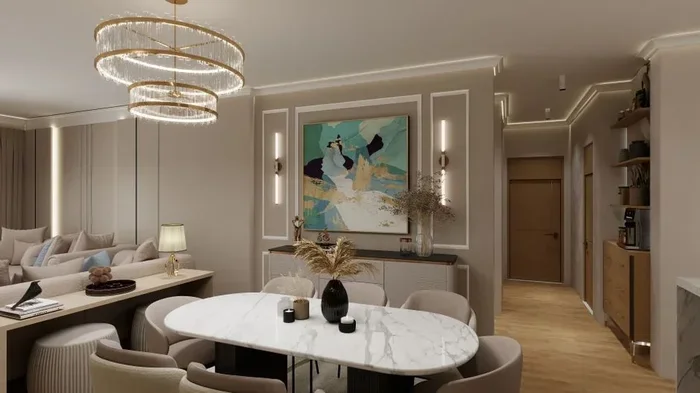
Abstract art is all about emotion and movement. It does not try to represent reality. Instead, it uses shapes, colors, and lines to create feeling. Abstract pieces work well in modern and contemporary living rooms.
They are also very versatile. A large abstract painting can anchor a whole wall. Smaller abstract prints can be grouped together for a gallery effect. If you love aesthetic living room ideas, abstract art is a fantastic choice.
Minimalist Wall Art
Less is more when it comes to minimalist design. Minimalist wall art features clean lines, simple shapes, and limited color palettes. This style works beautifully for those who prefer a clutter-free look.
Think black and white photography, simple line drawings, or geometric prints. Minimalist art keeps the focus on the piece itself. It also makes your space feel open and airy. Pair minimalist art with aesthetic living room decor for a polished look.
Gallery Walls
A gallery wall is a collection of art pieces arranged together on one wall. This style is incredibly popular because it lets you display multiple pieces in one impactful arrangement.
You can mix different frame styles, art sizes, and even add other objects like mirrors or small shelves. Gallery walls are perfect for showing off your personality. They also work great above a sofa or console table.
Nature-Inspired Art
Nature-inspired art brings the outdoors inside. Think botanical prints, landscape paintings, or animal photography. These pieces create a calming and grounded feeling in any room.
They pair especially well with warm wood furniture and natural textures. If your living room has a cozy or rustic vibe, nature art is a natural fit.
How to Choose the Perfect Wall Art
Choosing wall art can feel like a big decision. But it does not have to be. By following a few simple guidelines, you can find pieces that truly work for your space.
Consider Your Room Size
The size of your wall matters a lot. A small print on a large wall will look lost. A huge piece on a small wall can feel overwhelming.
Measure your wall space before you shop. For a large empty wall, consider one big statement piece or a group of smaller pieces arranged together. For narrow walls, a single medium-sized print works well.
Match Your Existing Decor
Your wall art should complement your room, not clash with it. Look at your furniture, rugs, and curtains. What colors and styles are already present?
If your room has warm tones, look for art with warm colors. If your furniture is sleek and modern, consider minimalist or abstract pieces. You want everything to feel connected. Think of accent pieces for living room as part of a bigger design puzzle.
Think About Frame Styles
Frames matter more than people think. They can change the entire feel of a piece. Thin white frames give a clean, modern look. Ornate gold frames add a touch of elegance.
Wood frames work well for rustic or natural styles. Black frames are versatile and go with almost anything. You can also go frameless for a sleek, gallery-style presentation.
Best Ways to Hang and Display Wall Art
Even the best art can look wrong if it is hung poorly. Placement and arrangement make a huge difference in how your wall art looks. Here are some proven tips to get it right.
Hang Art at Eye Level
The golden rule of hanging art is to place it at eye level. This means the center of the piece should be about 57 to 60 inches from the floor. This is the average eye height for most people.
When hanging art above furniture, keep it about 6 to 8 inches above the piece. This creates a natural visual connection between the art and the furniture below it.
Create Balance with Symmetry
Symmetrical arrangements feel orderly and calm. They work well above fireplaces, beds, or consoles. To create a symmetrical look, hang matching pieces on either side of a central point.
Asymmetrical arrangements feel more dynamic and casual. They work well in modern and eclectic spaces. Mix different sized pieces but balance them by visual weight.
Use Wall Shelves for Extra Display
Wall shelves are a great way to add dimension to your display. You can place art on the shelf and add small plants, books, or decorative objects in front of it. This creates a layered, interesting look.
If you want to learn more about arranging shelves, check out our guide on how to decorate shelves in living room for step-by-step tips.
DIY Wall Art Ideas on a Budget
You do not need to spend a lot of money to have stunning wall art. Some of the best pieces are the ones you make yourself. DIY art adds a personal touch that store-bought pieces cannot match.
Canvas Painting
You do not need to be a painter to create canvas art. Simple abstract designs using acrylic paints can look amazing. Try using painter’s tape to create clean geometric lines. Or sponge paint for a textured effect.
Even a single bold color on a large canvas can make a statement. It is simple, affordable, and completely unique to you.
Print and Frame
Prints are one of the easiest and most affordable ways to decorate your walls. You can find beautiful art prints online for just a few dollars each.
Buy a few frames from a dollar store or thrift shop. Suddenly you have high-quality wall art for a fraction of the cost. This is a great way to build a gallery wall without breaking the bank.
Photography and Memorabilia
Your own photographs make the most personal wall art. Print your favorite travel photos or family pictures in matching frames. Create a timeline wall that tells your story.
You can also display memorabilia like concert tickets, postcards, or small fabric swatches. These pieces add character and warmth to any living room.
Common Mistakes to Avoid When Choosing Wall Art
Avoiding common mistakes can save you time, money, and frustration. Here are the pitfalls to watch out for when decorating your walls.
- Buying art that is too small. A tiny print on a large wall looks lost and awkward. Always size your art appropriately to the wall space.
- Ignoring the color scheme. Art that clashes with your room colors can make the whole space feel disjointed. Stick to a palette that works together.
- Hanging art too high. Many people make the mistake of placing art too far up the wall. This makes the room feel disconnected and cold.
- Using only one style. While consistency is good, using only one type of art can feel boring. Mix textures, sizes, and styles for visual interest.
- Forgetting about lighting. Art in a dark corner gets lost. Consider adding a picture light or placing art near a window for natural light.
Taking the time to avoid these mistakes will make a big difference. Your walls will look intentional and polished.
Combining Wall Art with Other Living Room Elements
Wall art does not exist in a vacuum. It works best when it connects with the other elements in your room. Think about how your art interacts with furniture, lighting, and accessories.
If you have a cozy sofa, a large piece of art above it creates a perfect focal point. If your room features ikea living room furniture for small spaces, choose art that does not overwhelm the room. Lightweight frames and smaller pieces work best in compact areas.
Lighting can also transform your art. A simple picture light draws the eye and adds drama. Natural light from a nearby window can make colors pop. Consider how light hits your wall throughout the day.
For more ideas on styling your entire living room, explore our collection of aesthetic living room ideas and aesthetic living room decor guides.
You can also pair your wall art with functional storage pieces. Wall-mounted cabinets and open shelves serve double duty. They store items while displaying your favorite pieces. Learn more about using shelves effectively in our how to style open shelves living room article.
Key Takeaways
- Wall art transforms your space: The right pieces can completely change the feel of your living room and reflect your personal style.
- Choose a style that fits: Whether you prefer abstract, minimalist, gallery walls, or nature-inspired art, pick what resonates with you.
- Size and placement are key: Hang art at eye level and match the scale to your wall space for the best visual impact.
- DIY is rewarding and affordable: Create your own wall art with simple materials for a personal touch that costs very little.
- Avoid common mistakes: Size your art correctly, coordinate colors, and consider lighting to ensure your display looks its best.
- Connect art with your room: Your wall art should work with your furniture, lighting, and overall room design for a cohesive look.
Conclusion
Wall art for living room spaces is one of the most impactful and affordable ways to upgrade your home. It does not matter if you choose a single bold statement piece or a curated gallery wall. What matters is that the art feels like you.
Take your time choosing pieces. Mix styles if you want to. Experiment with arrangements until you find what feels right. Your living room should be a reflection of who you are and how you want to feel every day.
Start with one or two pieces and build from there. You will be surprised how quickly your walls come to life. The right wall art for living room can turn a plain space into a home you love to come back to.
Frequently Asked Questions
What size wall art is best for a living room?
For a standard sofa wall, aim for art that is about two-thirds the width of the furniture piece. For large empty walls, a single oversized piece or a group of smaller pieces works best. The general rule is to hang art so the center is at eye level, about 57 to 60 inches from the floor.
How do I create a gallery wall?
Start by laying out your pieces on the floor to test different arrangements. Mix various sizes and frame styles for visual interest. Then use a template or painter’s tape on the wall to map out your layout before hammering any nails. This ensures a balanced and polished result.
What colors should my wall art match?
Your wall art should pull from the colors already in your room. Look at your sofa, rugs, and curtains for inspiration. You do not need an exact match. Instead, choose art that shares at least one or two colors with your room for a cohesive and harmonious look.
Can I mix different art styles in one room?
Absolutely. Mixing styles can add personality and depth to your space. The key is to find a unifying element, such as a consistent color palette, matching frames, or a shared theme. This keeps the room feeling intentional rather than chaotic.
What is the best type of wall art for small living rooms?
For small living rooms, choose one or two medium-sized pieces rather than many small ones. This prevents the wall from feeling cluttered. Mirrors and light-colored art can also make a small space feel larger and brighter. Consider minimalist wall art for a clean, open feel.
How do I hang wall art without damaging my walls?
Use removable adhesive hooks or mounting strips for lightweight art. For heavier pieces, use wall anchors and screws. If you are renting, consider a freestanding easel or shelf that displays art without any holes. Command strips are a great damage-free option for most lightweight prints and canvases.