Vintage Paint Colors That Transform Your Living Room
Vintage paint colors for living room spaces can completely change the feel of your home. These classic tones add warmth, character, and a timeless charm that modern colors simply can’t match. Whether you love muted pastels or rich earthy hues, there is a vintage palette waiting to make your living room feel special and inviting.
Key Takeaways
- Vintage paint colors for living room designs create a warm, inviting atmosphere that feels both nostalgic and fresh.
- Muted tones like dusty rose, sage green, and mustard yellow are among the most popular vintage paint palettes for living rooms.
- Pairing your retro paint colors with the right furniture and accent pieces makes a huge difference in the final look.
- Testing paint samples on your walls before committing is one of the smartest steps you can take.
- Combining vintage color schemes with modern elements keeps your living room feeling current and balanced.
- Lighting plays a big role in how your classic wall colors look throughout the day.
- Start small with an accent wall if you are nervous about committing to a full vintage makeover.
📑 Table of Contents
- Why Vintage Paint Colors for Living Room Spaces Remain So Popular
- Best Vintage Paint Palettes for Your Living Room
- How to Choose the Right Vintage Paint Colors for Your Space
- Pairing Vintage Paint Colors with Living Room Furniture
- Common Mistakes to Avoid When Using Vintage Paint Colors
- Bringing It All Together: Your Vintage Living Room Makeover
- Conclusion
Why Vintage Paint Colors for Living Room Spaces Remain So Popular
There is something magical about vintage paint colors for living room spaces. They bring a sense of history, warmth, and personality that plain white walls simply cannot match. People all over the world are falling in love with retro-inspired palettes again, and the trend shows no signs of slowing down.
The reason is simple. Vintage tones tell a story. They remind us of cozy kitchens, sunlit porches, and homes filled with character. When you paint your living room with these classic wall colors, you are not just choosing a shade. You are creating a mood, a feeling, and a whole vibe for your home.
Another big reason is versatility. Vintage paint palettes work with almost any furniture style. Whether your home has modern lines, rustic wood pieces, or mid-century furniture, these tones fit right in. They also pair beautifully with accent pieces for living room decor, which helps you build a complete and cohesive look.
Best of all, you do not need a big budget. A fresh coat of paint is one of the most affordable ways to completely change the feel of a room. That is why so many homeowners are turning to vintage interior design ideas for their living spaces.
Best Vintage Paint Palettes for Your Living Room
Not sure where to start? Below are some of the most beloved vintage paint palettes that work beautifully in living rooms. Each one brings its own unique personality and charm.
Muted Pastels
Think soft blush pink, pale baby blue, and gentle lavender. These muted paint colors were huge in the 1950s and 1960s. They give your living room a light, airy feel that makes the space feel bigger and more welcoming.
Muted pastels work especially well in rooms with plenty of natural light. They bounce off the windows and make the whole space glow. Pair them with white trim and light wood furniture for a clean, timeless look.
Earthy Vintage Tones
If you love warmth, earthy tones are your best friend. Think warm browns, soft terracotta, and deep olive greens. These shades were inspired by nature and they make any room feel grounded and cozy.
Earthy warm vintage tones pair wonderfully with natural materials like rattan, wicker, and jute. Add some woven baskets and wooden decor, and your living room will feel like a peaceful retreat. These colors also work great with japandi living room furniture for a modern-minimalist twist.
Rich Jewel Tones
For a bolder look, consider rich jewel tones like deep emerald, sapphire blue, and ruby red. These colors were popular in the Victorian era and during the Art Deco period of the 1920s and 1930s.
Jewel tones create a dramatic and luxurious feel. They work best as accent walls or in rooms with high ceilings. If you go bold, balance the rich color with neutral furniture and plenty of natural light.
Retro 70s Shades
The 1970s gave us some of the most memorable retro paint colors ever. Think avocado green, harvest gold, burnt orange, and deep mustard yellow. These shades are making a huge comeback in modern home design.
70s-inspired tones add a fun, playful energy to your living room. They work great with wood-paneled walls and vintage accessories. If you want a full retro look, check out our guide on 70s style living room ideas for more inspiration.
How to Choose the Right Vintage Paint Colors for Your Space
Choosing the right vintage paint colors for living room walls is not as hard as it might seem. A few simple steps can help you find the perfect shade for your home.
First, consider the size of your room. Lighter vintage tones like soft cream, pale mint, and dusty blue make small rooms feel more open. Darker shades like navy, forest green, and maroon work best in larger rooms with good airflow.
Second, think about the existing furniture and decor you already have. You want your paint color to complement what is already in the room, not fight against it. Hold up paint swatches next to your sofa, coffee table, and curtains to see how they look together.
Third, test your top choices before committing. Buy small sample cans and paint a section of your wall. Watch how the color looks in the morning, afternoon, and evening. Lighting can change how a vintage shade appears, so give yourself time to decide.
Consider Your Room’s Natural Light
Rooms that face north tend to get cool, blue-toned light. Warm vintage colors like peach and soft yellow help balance this. South-facing rooms get warm, golden light, so cooler tones like sage and dusty blue can feel refreshing.
Match the Mood You Want
What feeling do you want your living room to give you? Calm and peaceful? Go with soft sage green or dusty rose. Bold and energetic? Try a warm terracotta or deep mustard. Cozy and intimate? Deep burgundy or warm chocolate brown are perfect choices.
Pairing Vintage Paint Colors with Living Room Furniture
Once you have chosen your vintage color schemes, the next step is picking furniture that works with them. This is where the magic really happens.
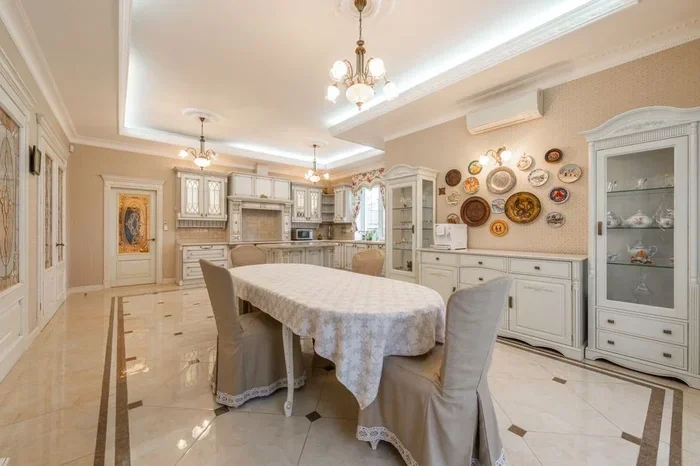
For a classic vintage look, pair your paint with wooden furniture in warm tones. Oak, walnut, and mahogany pieces look stunning against muted cream, sage, or dusty blue walls. The natural wood grain adds texture and depth that makes the room feel layered and interesting.
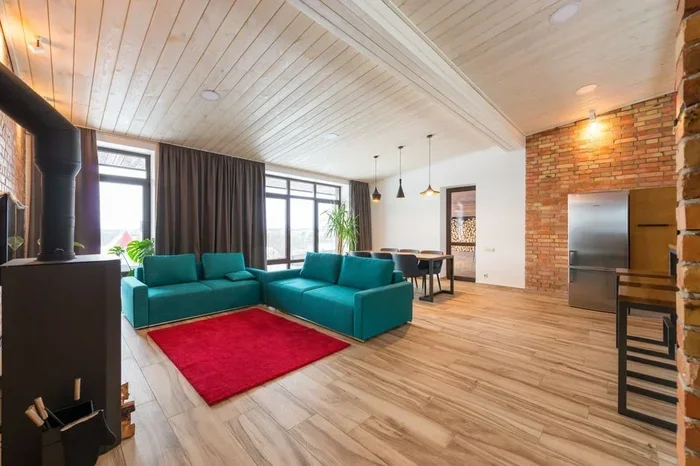
If your style leans more modern, try pairing vintage paint colors with sleek, simple furniture in white, gray, or black. This creates a beautiful contrast that keeps the room feeling fresh and current. The vintage wall color becomes the star of the show.
Do not forget about your side tables and shelving. The way you how to style a side table in living room can tie your whole vintage look together. Add a vintage tray, a small plant, and a couple of books, and your side table becomes a stylish focal point.
Open shelves are another great way to bring vintage charm into your space. Style them with colored books, ceramic vases, and old photographs to add personality. Learn more about how to style open shelves living room spaces for practical tips and ideas.
Adding Texture with Fabrics
Fabrics play a huge role in bringing vintage paint colors to life. Think velvet cushions in dusty pink, linen curtains in soft cream, or a chunky knit throw in mustard yellow. These textures add warmth and make your living room feel cozy and inviting.
Rugs are another easy way to introduce vintage-inspired patterns and colors. A Persian-style rug or a geometric vintage rug can anchor the entire room and pull all your design elements together.
Common Mistakes to Avoid When Using Vintage Paint Colors
Even the best vintage paint colors for living room projects can go wrong if you make a few common mistakes. Here is what to watch out for.
Skipping the primer. Vintage paints, especially darker shades, often need a good primer to look their best. Skipping this step can lead to uneven coverage and a washed-out finish. Always prime your walls first.
Choosing the wrong undertone. Many vintage colors have hidden undertones of pink, green, or gray. If you do not catch these, they can clash with your furniture and decor. Always check the undertone before you buy.
Overdoing it. Using too many vintage colors in one room can feel chaotic. Stick to two or three main colors and let them breathe. A good rule is to use 60% dominant color, 30% secondary color, and 10% accent color.
Ignoring the ceiling. Your ceiling is part of the room too. A soft, matching vintage shade on the ceiling can make the room feel cohesive and intentional. Otherwise, keep it white or a very light shade.
Bringing It All Together: Your Vintage Living Room Makeover
Now that you know the best vintage paint palettes, how to choose them, and how to pair them with furniture, it is time to put it all together.
Start by picking your main paint color. This will cover most of your walls and set the tone for the entire room. Next, choose a secondary color for an accent wall or architectural details like molding and trim. Finally, pick an accent color for small decor items like cushions, throws, and artwork.
Remember that vintage living room ideas are all about layering. Mix old and new pieces. Combine different textures. Add personal touches like family photos and vintage finds. The goal is to create a room that feels lived-in, loved, and uniquely yours.
Do not be afraid to experiment. Paint is one of the easiest and most affordable ways to change the look and feel of your home. So grab a brush, choose your favorite vintage paint colors for living room inspiration, and start transforming your space today.
For more ideas on creating a beautiful and stylish living room, explore our collection of aesthetic living room ideas and discover fresh inspiration for every corner of your home.
Conclusion
Vintage paint colors for living room spaces offer a timeless and affordable way to refresh your home. From soft muted pastels to rich earthy tones, there is a vintage palette for every style and taste. The key is to choose colors that reflect your personality, complement your furniture, and create the mood you want.
Take your time, test your samples, and enjoy the process. A well-painted living room can become the heart of your home, the place where family gathers, friends laugh, and memories are made. So go ahead, embrace the charm of vintage colors, and let your living room tell your story.
Frequently Asked Questions
What are the most popular vintage paint colors for living room walls?
The most popular choices include dusty rose, sage green, mustard yellow, soft cream, and muted blue. These vintage paint colors for living room spaces create a warm and inviting atmosphere that feels both nostalgic and fresh.
Can I use vintage paint colors in a small living room?
Absolutely! Lighter vintage shades like pale mint, soft blush, and warm cream work wonderfully in small rooms. They make the space feel open and airy while still adding that classic vintage charm you love.
Do vintage paint colors go out of style?
Not really. Vintage tones have a timeless quality that keeps them relevant year after year. Classic shades like sage green, dusty blue, and warm beige never truly go out of style because they are rooted in nature and design history.
How do I pair vintage wall colors with modern furniture?
Keep your furniture in neutral tones like white, gray, or black, and let the vintage wall color be the focal point. Add a few vintage-inspired accessories like ceramic vases or woven baskets to bridge the old and new styles together.
What finish is best for vintage paint colors in a living room?
A matte or eggshell finish works best for vintage paints. These finishes give a soft, authentic look that matches the vintage aesthetic. Avoid high-gloss finishes, as they can make the colors feel too modern and shiny.
How many vintage paint colors should I use in one living room?
Stick to two or three main colors for a cohesive look. Use one as your dominant wall color, one as a secondary shade for an accent wall, and one for small decor items. This keeps the room balanced and visually appealing.