Vertical Wall Art for Living Room That Transforms Your Space
Vertical wall art for living room spaces is one of the easiest ways to breathe new life into your home. Whether you have a small apartment or a large open-concept layout, the right vertical pieces can draw the eye upward and make your room feel bigger and more inviting. In this guide, you will learn how to choose, style, and arrange vertical wall art that fits your personal taste and living room size.
Have you ever walked into a living room and felt like something was missing? More often than not, the walls are to blame. Empty walls can make even the most beautifully furnished room feel flat and uninspired. That is where vertical wall art for living room spaces comes in. A single tall piece or a carefully arranged set of vertical hangings can completely change the feel of a room. It draws the eye upward, adds visual interest, and gives your walls the personality they deserve.
If you have been searching for easy ways to upgrade your living space, you are in the right place. This guide covers everything you need to know about choosing, styling, and placing vertical wall art in your living room. From small apartments to large open-concept layouts, there is a solution for every home. Let us dive in and turn those blank walls into something amazing.
Key Takeaways
- Vertical wall art makes small living rooms feel larger: Drawing the eye upward creates the illusion of height and open space.
- Choose the right size based on your wall space: Measure your wall before buying art to ensure a balanced look.
- Mix and match styles for a gallery wall: Combining different vertical pieces adds depth and personality to your room.
- Placement matters more than you think: Hanging art at eye level and using the right spacing makes all the difference.
- Pair vertical art with shelves for a layered look: This combo adds dimension and makes your walls feel curated and intentional.
- Bold colors and textures stand out: Don’t be afraid to use statement pieces that reflect your unique style.
📑 Table of Contents
Why Vertical Wall Art Works So Well
Not all wall art is created equal. Horizontal pieces spread across a wall, while vertical pieces pull the eye up and down. This simple difference has a big impact on how a room feels. Here is why vertical wall hangings are a go-to choice for so many homeowners.
They Create the Illusion of Height
One of the biggest advantages of vertical wall art for living room design is the way it makes ceilings feel higher. When you hang a tall piece on the wall, your eye naturally follows it upward. This tricks the brain into seeing more space. It is a clever trick that works especially well in rooms with low ceilings or tight layouts.
If you live in a small apartment, this is a game changer. You do not need to knock down walls or renovate to make your space feel bigger. A well-chosen vertical wall decor piece can open up a room instantly. Try placing a tall canvas or a set of framed prints in a row along a narrow wall. The effect is surprisingly powerful.
They Fill Empty Wall Space Gracefully
Many living rooms have long, narrow walls that are hard to decorate. A wide piece of art might look cramped on these walls. A vertical art piece, on the other hand, fits perfectly. It fills the space without overwhelming it. This makes vertical art ideal for hallways, stairway walls, and the narrow walls between windows and doors.
Think of it this way. A wide painting on a narrow wall is like a big couch in a tiny room. It just does not fit. A tall, slim piece of living room wall decor flows with the shape of the wall and creates balance.
They Add a Modern Feel
Vertical art lines up naturally with the way we scan a room. Our eyes move from floor to ceiling. Vertical pieces follow that natural path. This gives your wall a clean, modern look. Whether your style is minimalist, boho, or industrial, there is a vertical wall art style that fits.
Types of Vertical Wall Art You Should Consider
The world of vertical wall art for living room decor is wide open. There are so many options to choose from. Here are some of the most popular types that work beautifully in living spaces.
Canvas Prints and Paintings
Canvas prints are a favorite for a reason. They are affordable, lightweight, and come in every size and style you can imagine. A single large vertical canvas can act as the centerpiece of your wall. Or, you can group two or three smaller canvases together for a gallery effect.
When choosing canvas art, think about the colors in your room. A piece that picks up a color from your sofa or rug ties the whole look together. This is a simple trick that makes your space feel put-together and intentional.
Metal Wall Sculptures
For a more textured and three-dimensional look, consider metal wall hangings. These pieces stick out from the wall and cast interesting shadows. They add depth and a tactile quality that flat art cannot match. Metal sculptures work especially well in industrial or modern living rooms.
You can find metal wall art in all shapes, from abstract swirls to geometric patterns. A tall, sculptural piece becomes a conversation starter the moment guests walk in.
Wooden Panels and Reclaimed Art
Wooden vertical art brings warmth and natural texture to a room. Reclaimed wood pieces, in particular, have a rustic charm that pairs well with many decor styles. A wooden wall panel can serve as both art and a subtle focal point. It adds character without competing with your furniture.
These pieces also age beautifully. Over time, the wood develops a patina that adds even more personality to your space. It is a great investment if you love a lived-in, cozy look.
Photographic and Print Art
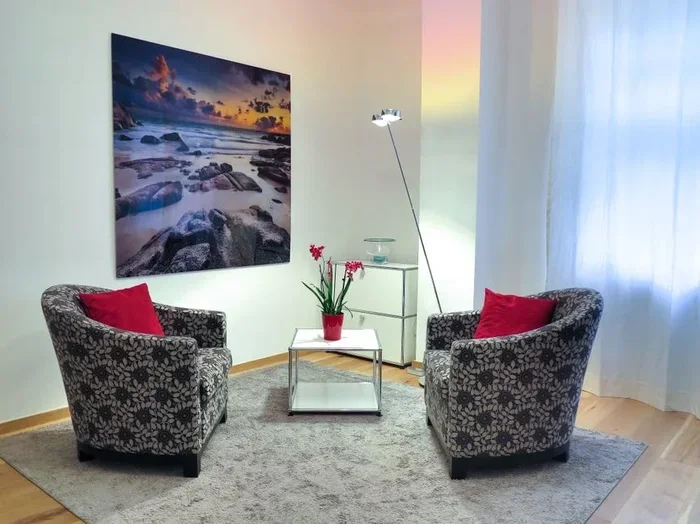
Black and white photographs are a classic choice for vertical wall art for living room spaces. They add a refined, gallery-like feel. Landscape photos with tall buildings, trees, or mountain ranges look especially striking in vertical frames. If black and white feels too stark, try sepia-toned or muted color prints for a softer vibe.
How to Choose the Right Vertical Wall Art
Picking the perfect piece is not just about what looks pretty. It is about finding art that fits your wall, your furniture, and your lifestyle. Here is a simple guide to help you choose wisely.
Measure Your Wall First
This sounds obvious, but many people skip it. Before you buy any vertical wall decor, grab a tape measure. Note the height and width of the wall you want to fill. A good rule of thumb is to choose art that covers about two-thirds to three-quarters of the wall width. This leaves enough breathing room so the piece does not look lost or crammed.
For example, if your wall is 60 inches wide, aim for a piece that is around 40 to 45 inches wide. For height, a vertical piece that is 30 to 40 inches tall usually works well on most walls. Adjust these numbers based on your specific space and furniture arrangement.
Consider Your Furniture Layout
Your wall art should relate to the furniture below it. A tall piece of vertical wall art looks best when hung above a sofa, console table, or sideboard. The art should be roughly two-thirds the width of the furniture piece beneath it. This creates a harmonious visual connection.
If you have a low sofa, a tall vertical piece draws the eye up and balances the low profile. If you have a high-backed chair or a tall cabinet, a slightly shorter piece of art can complement it without competing.
Match the Art to Your Room Style
Think about the overall vibe of your living room. Are you going for a modern aesthetic or a cozy farmhouse feel? Your wall art should support that vision.
- Modern rooms: Go for abstract vertical pieces, geometric metal art, or bold black and white photography.
- Bohemian rooms: Choose woven wall hangings, macrame pieces, or colorful tapestries in vertical formats.
- Traditional rooms: Oil paintings, vintage prints, or ornate framed artwork in tall formats work beautifully.
- Minimalist rooms: A single large vertical canvas in a neutral tone keeps things clean and uncluttered.
Think About Color and Contrast
The best living room wall art either complements your existing color palette or adds a deliberate pop of contrast. If your room is mostly neutral, a bold red or deep blue vertical piece can become the room’s anchor. If your room is already colorful, choose art with neutral tones to give the eye a place to rest.
A quick tip. Hold the art up to your furniture and check how the colors interact. If the piece feels like it belongs, you have found the right one. If it feels disconnected, keep looking.
Best Placement and Arrangement Ideas
Where and how you hang your vertical wall art for living room space matters just as much as the art itself. A great piece in the wrong spot can feel lost. Here are some proven placement strategies.
Hang Art at Eye Level
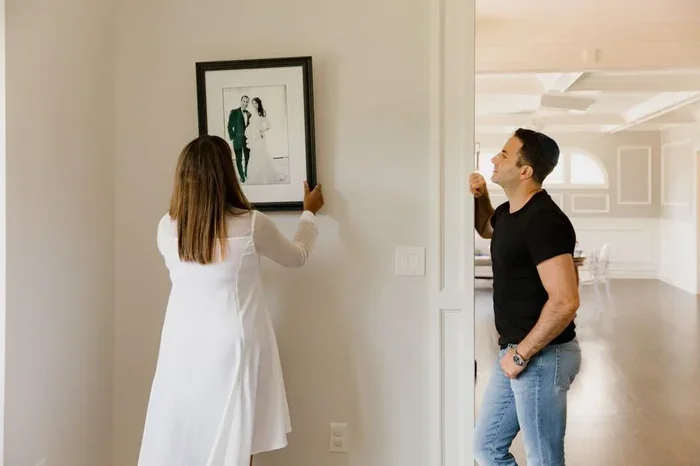
The golden rule of wall art placement is to hang the center of the piece at about 57 to 60 inches from the floor. This is average eye level for most people. It creates a natural and comfortable viewing experience. When you follow this rule, your vertical wall hangings will look polished and intentional.
If you are hanging art above a sofa, leave about 6 to 10 inches between the top of the furniture and the bottom of the frame. This gap is enough to create separation without making the art feel disconnected from the furniture below.
Create a Vertical Gallery Wall
A gallery wall is a fantastic way to display multiple pieces. For a vertical gallery wall, arrange your art in a column formation. This works especially well on narrow walls or in hallways. You can mix different sizes of vertical art pieces for a dynamic, layered look.
Start by laying everything out on the floor first. Arrange your pieces in the desired order and spacing. Once you are happy with the layout, transfer it to the wall. This saves time and prevents unnecessary holes in your walls.
For a more curated look, try pairing a large vertical piece with two or three smaller ones flanking it. This creates a focal point with supporting pieces that add depth and interest.
Pair Art with Shelves for a Layered Look
One of the easiest ways to make your walls look designer-level is to combine vertical wall art with floating shelves. Place a tall piece of art on the wall, then add a shelf below or beside it. Style the shelf with small plants, books, candles, or decorative objects. This layered approach adds dimension and makes your wall feel like a styled vignette.
Check out our guide on how to style open shelves in the living room for more creative ideas on combining shelves with wall decor. The combination of art and shelves is one of the simplest ways to add personality to any room.
Use Symmetry for a Formal Look
If your living room has a more formal or traditional style, symmetry is your best friend. Hang two matching vertical pieces on either side of a fireplace or a large window. This creates a balanced, orderly look that feels calm and sophisticated. Matching vertical wall decor pieces framed in the same style and color work especially well for this approach.
Go Asymmetric for a Casual Vibe
On the other hand, an asymmetric arrangement feels more casual and relaxed. Place a tall vertical piece off-center, then add a smaller piece nearby at a different height. This creates visual interest and a sense of movement. It works beautifully in relaxed, modern, or eclectic living rooms.
Common Mistakes to Avoid
Even with the best intentions, it is easy to make mistakes when hanging wall art. Here are the most common ones and how to avoid them.
- Hanging art too high: This is the number one mistake people make. Art hung too high makes a room feel cold and disconnected. Always aim for eye level.
- Choosing the wrong size: Too-small art on a big wall looks lost. Too-large art on a small wall feels overwhelming. Measure before you buy.
- Ignoring the furniture below: Art should relate to the furniture beneath it. A random piece floating in space looks awkward.
- Using only one style: Mixing too many styles can feel chaotic. But using only one boring style can feel flat. Find a balance that feels cohesive.
- Forgetting about lighting: A beautifully chosen piece of vertical wall art for living room decor can look dull without proper lighting. Add a picture light or a nearby floor lamp to highlight your art.
Trending Vertical Wall Art Styles for 2025
Styles change with the seasons, but some trends stand the test of time. Here are a few of the hottest trends in vertical wall art right now.
Abstract Expressionism
Bold, sweeping brushstrokes in vivid colors continue to dominate. A large vertical abstract painting adds energy and drama to any living room. These pieces work especially well in rooms with neutral furniture, where the art becomes the star of the show.
Nature-Inspired Art
Botanical prints, forest scenes, and mountain landscapes in vertical formats are incredibly popular. They bring the outdoors in and create a calming, grounded feeling. Pair nature-inspired art with wooden shelves or earthy furniture for a cohesive look.
Minimalist Line Art
Simple black line drawings on white backgrounds are a minimalist favorite. These pieces are understated yet stylish. They work in almost any room and pair well with a variety of decor styles. A single vertical line drawing above a sideboard or console table can transform the entire area.
Textile and Fiber Art
Woven wall hangings and macrame pieces in vertical formats add texture and warmth. They are perfect for boho and eclectic living rooms. A tall fiber art piece creates a soft, artistic focal point that feels inviting and unique.
Final Thoughts
Transforming your living room does not require a massive renovation or a big budget. Sometimes, all it takes is the right vertical wall art for living room space. A well-chosen piece draws the eye upward, adds character, and makes your walls feel alive. Whether you opt for a single bold canvas or a curated gallery wall, the impact is immediate and lasting.
Start by measuring your walls and choosing art that fits your space and style. Hang pieces at the right height, pair them with furniture thoughtfully, and do not be afraid to mix textures and colors. Your living room walls are a blank canvas. Make them count.
For more inspiration on decorating your living space, check out our article on aesthetic living room ideas and learn how to bring your vision to life. And if you are looking for practical storage solutions that double as decor, our piece on open shelves for the living room offers plenty of creative ideas to explore.
The right vertical wall art can turn an ordinary room into a space you love coming home to. So grab a measuring tape, find a piece that speaks to you, and start decorating. Your walls are waiting.
Frequently Asked Questions
What size vertical wall art is best for a small living room?
For small living rooms, choose a vertical piece that is about 24 to 36 inches wide and 48 to 60 inches tall. This size fills the wall without overwhelming the space. A single medium-sized canvas or a set of two smaller framed prints works beautifully in tight areas.
How many pieces of vertical wall art should I hang together?
There is no set rule, but an odd number of pieces often looks more natural and dynamic. Three vertical pieces arranged in a column create a balanced yet interesting display. Two matching pieces work well for a symmetrical, formal look.
Can I mix vertical and horizontal art on the same wall?
Yes, you can! Mixing orientations adds visual variety and depth. Just make sure the pieces share at least one common element, such as color, frame style, or subject matter. This ties the arrangement together and keeps it looking cohesive.
What is the best way to hang heavy vertical wall art?
Use a wall anchor or a stud finder to ensure secure hanging. Heavy pieces need sturdy support. If you are hanging on drywall without a stud, use a toggle bolt or heavy-duty wall anchor rated for the weight of your art. When in doubt, ask a professional for help.
Where should I hang vertical wall art in my living room?
The best spots are above a sofa, on a narrow wall between windows, or in a hallway that leads into the living room. Always aim to hang the center of the art at about 57 to 60 inches from the floor for the most pleasing display.
What colors work best for vertical wall art in a living room?
Neutral tones like white, black, beige, and gray are safe and versatile choices that fit any decor style. For a bolder look, try deep navy, emerald green, or mustard yellow. Pick a color that either matches your room’s palette or provides a striking contrast to make the art pop.