70s Living Room Decor Ideas To Transform Your Space
70s living room decor brings bold colors, textured fabrics, and nostalgic charm into any home. You will learn how to use earth tones, vintage furniture, and retro accessories to create a warm, inviting space. This guide covers everything from color palettes and furniture choices to DIY tips and styling secrets. Transform your living room with 70s-inspired design that feels fresh and modern.
There is something magical about 70s living room decor that makes any space feel warm, bold, and full of personality. The decade gave us some of the most exciting design choices in home history. From rich earth tones to wild patterns, the 70s style brings life into a room like nothing else. If you have been thinking about giving your living room a retro makeover, you are in the right place.
This guide walks you through everything you need to know. We will cover colors, furniture, accessories, and styling tips that make retro living room design feel easy. Whether you want a full 70s transformation or just a few nostalgic touches, you will find practical ideas here. Let us dive in and bring some vintage magic into your home.
Key Takeaways
- Bold earth tones define the era: Avocado green, mustard yellow, and burnt orange are core 70s colors that work beautifully today.
- Mix vintage with modern: Pair retro pieces with contemporary items for a balanced, livable look.
- Texture is everything: Shag rugs, macrame, and velvet pillows add the signature 70s feel.
- Statement furniture anchors the room: A bold sofa or wood-paneled wall creates instant retro character.
- Lighting sets the mood: Floor lamps, lava lamps, and pendant lights complete the vibe.
- Start small and build: You do not need to redo everything at once. Add a few key pieces first.
- Avoid common mistakes: Overdoing the retro look or ignoring balance keeps the space from feeling dated.
📑 Table of Contents
Why 70s Living Room Decor Is Making a Comeback
Design trends always seem to circle back. The 70s era is no exception. Today, homeowners and interior designers alike are falling in love with 70s interior design for its warmth and character. The decade was all about self-expression, and that spirit shows in every design choice.
What makes this style so appealing now? People crave spaces that feel personal and inviting. The 70s aesthetic delivers exactly that. It is not about copying the past perfectly. It is about capturing the feeling of comfort, creativity, and boldness that defined the era. Mid century modern design also plays a big role here, blending smoothly with 70s elements to create a timeless look.
Another reason for the comeback is the rise of sustainable living. Many people now prefer vintage and secondhand furniture over mass-produced pieces. This naturally aligns with retro home decor styles. You get a unique look while also making an eco-friendly choice. That is a win-win for your home and the planet.
Choosing the Right Color Palette
The Power of Earth Tones
When you think of 70s living room decor, earth tones should come to mind first. This color family includes warm browns, deep greens, golden yellows, and burnt oranges. These colors create a cozy and grounding atmosphere in any room.
The 70s color palette was all about nature-inspired hues. Designers drew inspiration from the outdoors. Think forests, deserts, and sunsets. Here are the most iconic colors to work with:
- Avocado green: A soft, muted green that adds calm and freshness.
- Mustard yellow: A warm, golden tone that brings energy and cheer.
- Burnt orange: A rich, earthy orange that feels inviting and bold.
- Brown and tan: Neutral foundations that ground the entire room.
- Deep brown: A dark, warm tone perfect for wood furniture and accents.
You do not need to use all of these colors at once. Start with one or two as your base. Then add accents in complementary shades. A room with tan walls, a mustard sofa, and burnt orange pillows already feels very 70s. Retro home decor thrives on this kind of layered color play.
Adding Pops of Color
While earth tones form the foundation, the 70s were never afraid of a pop of bright color. 70s interior design often included unexpected bursts of purple, teal, or even pink. These accents kept rooms feeling fun and lively.
A simple way to add pops is through decorative pillows and throw blankets. You can also use artwork or a colorful vase. The key is balance. Let the earth tones do the heavy lifting. Then use brighter colors sparingly to catch the eye.
Furniture: The Heart of 70s Decor
Statement Pieces That Define the Era
Furniture from the 70s has a distinct character that is hard to replicate with modern pieces. Statement furniture was a big deal back then. Sofas were deep and tufted. Chairs had bold shapes and rich fabrics. Wooden cabinets often featured walnut or teak finishes.
If you want authentic 70s living room decor, look for pieces with these features:
- Deep, low-slung sofas: These sit close to the ground and feel very relaxed.
- Teak or walnut furniture: Rich wood tones were a staple of the era.
- Round or curved furniture: Coffee tables and chairs with soft edges feel very 70s.
- Platform beds and low-profile pieces: Everything sat closer to the floor.
You do not need original vintage pieces to pull this off. Many modern brands now offer retro-inspired furniture that captures the spirit of the 70s. Look for pieces with tapered legs, tufted cushions, and warm wood finishes. This gives you the look without the high price tag of true antiques.
Vintage vs. Reproduction Furniture
One big decision in living room makeover planning is whether to buy vintage or reproduction pieces. Both have their strengths. Here is a quick comparison:
| Factor | Vintage Furniture | Reproduction Furniture |
|---|---|---|
| Authenticity | Genuine 70s pieces with real history | Inspired by 70s styles but newly made |
| Price | Can be expensive, especially rare items | More affordable and widely available |
| Condition | May need restoration or repairs | Ready to use, no wear and tear |
| Uniqueness | One-of-a-kind pieces | Mass-produced, less unique |
| Sustainability | Eco-friendly, reduces waste | Varies by brand and materials |
Many designers recommend mixing both approaches. Use one or two vintage statement pieces as anchors. Then fill in with reproductions for everyday comfort. This creates an authentic feel without breaking the bank.
Textiles and Accessories That Complete the Look
Shag Rugs and Textured Floors
No 70s living room decor guide is complete without mentioning the shag rug. These deep-pile, soft rugs were everywhere in the 70s, and they are making a strong return. A shag rug instantly adds texture and warmth to any floor.
You can find shag rugs in many colors now. Classic choices include avocado, tan, and deep brown. If a full shag rug feels too much, try a smaller rug in a high-traffic area. This gives you the texture without overwhelming the room.
Macrame Wall Hangings and Textiles
Macrame wall hanging pieces are perhaps the most iconic 70s accessory. These handcrafted textile art pieces add a bohemian touch to any wall. They come in all sizes, from small pieces to full room dividers.
Beyond macrame, look for other textured textiles. Velvet throw pillows in mustard or burnt orange add instant 70s charm. A crocheted blanket draped over a sofa feels cozy and on-theme. Bohemian decor and 70s style overlap beautifully here, so do not be afraid to mix in some boho elements.
Wall Decor and Art
Wall treatment was a big part of 70s interior design. Many rooms featured wood paneling on one or more walls. This created a warm, enclosed feeling that is very distinct to the era. If wood paneling is not your style, you can try a wood accent wall instead.
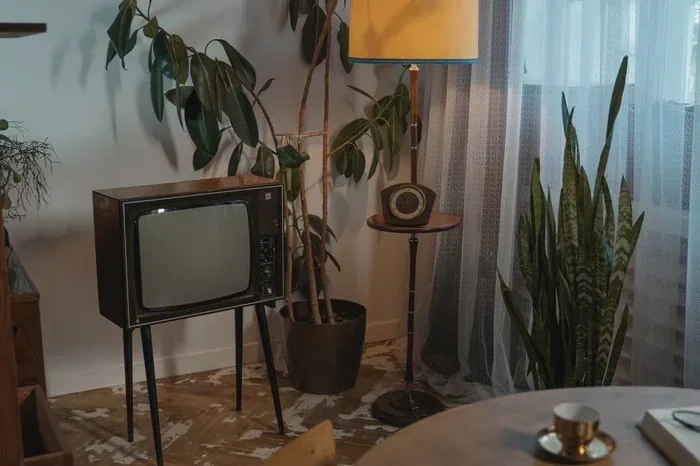
For artwork, the 70s loved bold, colorful prints. Abstract designs, psychedelic patterns, and nature-inspired art were all the rage. Gallery walls with a mix of these styles feel very authentic. You can also use retro accessories like vintage clocks, record players, or ceramic statues to add personality to your walls and shelves.
Quick Tips for Styling Accessories
- Group items in odd numbers for a more natural, curated look.
- Mix materials like wood, ceramic, metal, and fabric for visual interest.
- Use decorative pillows in different sizes and textures on your sofa.
- Add a floor lamp with a warm-toned shade for soft, ambient light.
- Place a few vintage books or objects on coffee tables and shelves.
Lighting: Setting the Retro Mood
Lighting plays a huge role in any living room makeover. In the 70s, lighting was not just functional. It was a design statement. The right light fixtures can instantly transport you back to that colorful decade.
Best Lighting Choices for a 70s Vibe
Here are the lighting styles that define 70s living room decor:
- Floor lamps: Tall, arc-style floor lamps with warm shades were very popular. They cast a soft glow across the room.
- Pendant lights: Globe-shaped or drum pendant lights hung low over seating areas. They added a modern yet cozy feel.
- Lava lamps: The ultimate 70s accessory. These glowing glass lamps create a fun, psychedelic atmosphere.
- Table lamps with tassels: Fabric or tassel-shaded table lamps add texture and warmth.
- String lights: Warm fairy lights draped along a wall or shelf add a subtle retro glow.
When choosing lighting, think about the mood you want. Soft, warm light feels cozy and inviting. This is exactly how rooms in the 70s felt. Avoid harsh, bright overhead lights. They kill the relaxing vibe that makes 70s interior design so appealing.
Common Mistakes to Avoid
While 70s living room decor is fun to design, there are some pitfalls to watch out for. Avoiding these mistakes will keep your space looking stylish rather than costume-like.
- Going overboard with retro elements: Too many vintage pieces can make a room feel like a museum instead of a home. Balance is key.
- Ignoring modern comfort: Retro style should not mean sacrificing comfort. Choose pieces that look great and feel good to sit on.
- Using only one era: Blending 70s pieces with modern elements creates a more livable and fresh look. Pure retro can feel dated quickly.
- Forgetting about storage: The 70s were not known for smart storage. Add hidden storage solutions so your room stays tidy and functional.
- Choosing the wrong scale: Oversized furniture can overwhelm a small room. Measure your space before buying statement pieces.
Expert Insights on Nailing the 70s Look
Interior designers who specialize in retro home decor agree on one thing: confidence matters. When you commit to a style, own it. Do not mix in too many conflicting trends. Pick your direction and follow through with intention.
Start with a few key pieces and build from there. A bold sofa, a shag rug, and a macrame wall hanging can set the foundation. Then add smaller retro accessories one by one until the room feels complete. This approach keeps the design cohesive and prevents overwhelm.
Bringing It All Together: Your 70s Decor Plan
Now that you understand the core elements, it is time to put a plan together. Here is a simple step-by-step approach to your living room makeover:
- Choose your color palette: Pick two or three earth tones as your base. Add one accent color for pops of interest.
- Select your statement furniture: Find one or two bold pieces that anchor the room. A sofa or coffee table works great.
- Add texture with textiles: Layer in a shag rug, velvet pillows, and a throw blanket for that classic 70s feel.
- Set up lighting: Choose warm, ambient light sources like floor lamps and pendant lights.
- Accessorize thoughtfully: Add macrame, artwork, and retro accessories without overcrowding the space.
- Step back and adjust: Live with the room for a few days. Move things around until everything feels balanced.
The beauty of 70s living room decor is that it does not need to be perfect. It should feel personal and lived-in. The 70s were all about expressing yourself, and your space should reflect that spirit. Start with what feels right to you and build from there.
Remember, the best retro living room is one that you actually enjoy spending time in. Do not chase trends blindly. Choose pieces that speak to you and fit your lifestyle. When you love your space, the design naturally comes together.
Conclusion
70s living room decor offers a wonderful way to bring warmth, personality, and bold style into your home. From rich earth tones and textured fabrics to statement furniture and retro accessories, every element works together to create a space that feels both nostalgic and fresh. You do not need a huge budget or a complete renovation to make it work. Start small, stay intentional, and let your personal style guide you.
The 70s interior design principles we covered here give you a strong foundation. Mix vintage pieces with modern comfort. Layer in textures and colors that feel authentic to you. Avoid common pitfalls like overdoing the retro look or ignoring functionality. With the right approach, your living room will become a space that turns heads and feels like home.
Now it is your turn. Pick one idea from this guide and start today. Whether it is adding a mustard pillow, swapping in a shag rug, or hanging a macrame piece, every small change moves you closer to the 70s living room of your dreams. Enjoy the process and have fun with it. Your retro-inspired space is waiting to come to life.
Frequently Asked Questions
What colors are most associated with 70s living room decor?
The most iconic colors include avocado green, mustard yellow, burnt orange, deep brown, and warm tan. These earth tones form the foundation of 70s interior design. You can add pops of brighter colors like teal or purple for extra personality.
Can I mix 70s decor with modern furniture?
Absolutely. Mixing retro home decor with modern pieces is one of the best ways to keep your room feeling fresh and livable. Use vintage items as statement pieces and modern furniture for everyday comfort. This balance prevents the room from feeling like a time capsule.
Where can I find authentic 70s furniture on a budget?
Thrift stores, estate sales, and online marketplaces like Facebook Marketplace and Craigslist are great sources. You can also find retro-inspired reproduction furniture from modern brands at more affordable prices. Always check the quality and condition before buying.
Do I need wood paneling to achieve a 70s look?
Not at all. Wood paneling was common in the 70s, but it is not required. You can achieve the same warm feel with wood accent walls, teak furniture, or warm-toned finishes. Focus on texture and color palette instead of copying every detail from the era.
What is the easiest way to start a 70s living room makeover?
Start with one or two statement pieces, like a bold sofa or a shag rug. Add decorative pillows and a floor lamp in warm tones. Then layer in accessories like macrame or artwork. Small changes add up quickly and keep the project manageable.
Is 70s decor still popular in 2025 and beyond?
Yes, 70s living room decor continues to grow in popularity. The trend toward sustainable living and vintage aesthetics supports this. As long as people value warmth, personality, and self-expression in their homes, 70s-inspired design will remain a strong choice for interior styling.