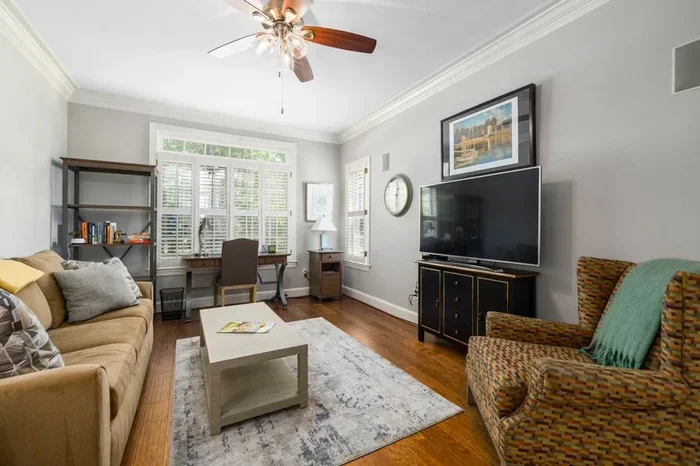
Designing the Perfect Combined Living Room Office Space
A combined living room office lets you blend comfort with productivity in one shared space. You can create a stylish home office design that works for both relaxation and focused work. The key is choosing multifunctional furniture, smart room divider ideas, and clever workspace organization tips. This guide covers every step from layout planning to decor choices. You will walk away with practical ideas you can use right away.
More people are working from home than ever before. A combined living room office offers a practical solution for those who want a workspace without dedicating an entire room. This setup blends the comfort of your living area with the functionality of a home office. It saves space, reduces costs, and keeps your daily routine flexible. In this guide, we will walk you through every step of designing a space that looks great and works even better.
Whether you live in a small apartment or a spacious house, a combined living room office can transform the way you work and relax. The right home office design makes a huge difference in your productivity and mood. You will learn how to plan your layout, pick the best furniture, and organize your space like a pro. Let us dive in and explore how to make your living room workspace truly shine.
Key Takeaways
- Zoning is essential: Use rugs, lighting, and furniture to separate your work zone from your relaxation area.
- Multifunctional furniture saves space: Think convertible desks, sofa beds, and storage ottomans.
- Natural light boosts productivity: Position your desk near windows and use sheer curtains to keep the space bright.
- Smart storage keeps clutter hidden: Shelves, cabinets, and baskets maintain a clean look in your combined living room office.
- Color and decor set the mood: Use calming tones for the work area and warm accents for the living space.
- Boundaries protect your focus: Set physical and mental rules to maintain a healthy work-life balance.
📑 Table of Contents
- Why a Combined Living Room Office Makes Sense
- Layout Strategies for Your Combined Space
- Choosing the Right Furniture for a Dual-Purpose Room
- Lighting and Decor Tips for a Productive Yet Comfortable Space
- Storage and Organization Solutions
- Maintaining Work-Life Balance in a Shared Space
- Common Mistakes to Avoid
- Quick Tips for Success
- Expert Insights
- Conclusion
Why a Combined Living Room Office Makes Sense
A combined living room office is more than just a trend. It solves real problems many homeowners face every day. When you merge your work area with your living space, you gain flexibility and save valuable square footage. This approach works especially well in apartments, small homes, and open floor plans.
One of the biggest benefits is cost savings. You do not need to build a separate office or buy a second set of furniture. A dual-purpose setup means every piece of furniture works harder for you. For example, a stylish console table can serve as your desk during the day and a display shelf in the evening.
Another advantage is convenience. Your home office design stays within arm’s reach of your favorite couch or TV. You can take quick breaks, grab a snack, or switch between tasks without ever leaving the room. This seamless flow supports a healthier work-life balance and keeps your day feeling natural rather than rigid.
Who Benefits Most from a Combined Setup
Many types of people thrive with a combined living room office. Freelancers and remote workers love the flexibility it offers. Parents working from home appreciate being close to their children while staying productive. Students who need a study area can also benefit greatly from this approach.
Even if you do not work from home full time, a combined living room office gives you a dedicated spot for hobbies, reading, or managing household tasks. It turns an underused corner into a productive zone. The key is designing the space so it feels intentional rather than cluttered.
Layout Strategies for Your Combined Space
Planning the layout is the most important step in creating a combined living room office. A thoughtful layout ensures both zones feel distinct yet connected. You want your work area to promote focus while your living area remains inviting and comfortable.
Start with the Room’s Natural Flow
Before you move any furniture, observe how you naturally move through the room. Notice doorways, windows, and entry points. Your desk placement should not block natural traffic paths. Place your workspace where it feels accessible but not in the way of daily activities.
Consider the room’s focal points. A fireplace or a large window can anchor your living area, while a blank wall might be perfect for your desk. This simple approach creates a natural division without adding physical barriers.
Use Zoning Techniques to Separate Areas
Room divider ideas are your best friend when designing a combined living room office. You do not need a wall to create two distinct areas. A stylish bookshelf placed perpendicular to the room works as both a divider and storage.
A large area rug under your desk zone instantly signals “this is the work area.” Different lighting also helps define each space. A focused desk lamp marks your productivity zone, while floor lamps or overhead lights set the mood for relaxation.
Furniture arrangement also plays a role. Position your sofa facing away from your desk to create a visual break. This simple trick helps your brain switch between work mode and relaxation mode without any extra effort.
Small Space Layout Tips
If your combined living room office is on the smaller side, every inch matters. Use wall-mounted desks to free up floor space. A fold-down desk that tucks away after work hours keeps the room feeling open and uncluttered.
Vertical storage is a game changer. Wall shelves, pegboards, and mounted cabinets keep supplies within reach without taking up precious floor space. These storage solutions help maintain a clean and open feel even in compact rooms.
Choosing the Right Furniture for a Dual-Purpose Room
Selecting furniture for a combined living room office requires smart choices. Every piece should serve at least two purposes. Multifunctional furniture is the secret ingredient that makes this setup work beautifully.
Desks That Do Double Duty
A compact office setup starts with the right desk. Wall-mounted drop-leaf desks are perfect for small living room workspaces. They fold flat when not in use, freeing up the room for family time or movie nights.
Convertible desks that transform from a narrow console into a full-size workstation are another excellent option. These pieces blend seamlessly with your living room decor while providing a proper surface for your computer and supplies.
If space allows, consider a desk with built-in storage. Drawers and shelves built into the desk keep pens, files, and tech accessories organized. This reduces clutter and keeps your workspace organization feeling effortless.
Seating That Works for Both Zones
Your seating choices make a big difference in a combined living room office. An ergonomic office chair is essential for long work sessions. Look for chairs that are comfortable and stylish enough to blend with your living room aesthetic.
For the living side, a comfortable sofa or armchair completes the space. Choose pieces with hidden storage to maximize functionality. Storage ottomans, for example, can serve as extra seating, a footrest, and a place to stash blankets or books.
Shelving and Surfaces That Serve Both Zones
Open shelving works beautifully in a combined living room office. You can display books, plants, and artwork on the living room side while using the lower shelves for office supplies. This shared storage approach keeps both zones connected and cohesive.
A large side table or credenza can anchor both areas. Use one end for a printer and office essentials, and the other end for decorative items and beverages. This kind of dual-purpose furniture ties the whole room together.
Lighting and Decor Tips for a Productive Yet Comfortable Space
Lighting and decor set the tone for your combined living room office. The right choices boost your productivity during work hours and create a warm, inviting atmosphere for relaxation.
Layered Lighting for Every Mood
Good lighting is the foundation of any great home office design. Start with natural light. Position your desk near a window whenever possible. Natural light optimization improves your mood, reduces eye strain, and helps you stay alert throughout the day.
Layer your artificial lighting for flexibility. A bright desk lamp handles task lighting for focused work. Ambient floor lamps or wall sconces create a warm glow for evening relaxation. Smart bulbs with adjustable color temperature let you switch between cool white for work and warm white for downtime.
Avoid harsh overhead lighting that makes the entire room feel clinical. Instead, use a mix of light sources at different heights. This creates depth and makes the combined living room office feel balanced and inviting.
Color Schemes That Work for Both Zones
Color coordination plays a big role in how your space feels. Neutral tones like white, beige, and soft gray create a calm backdrop that works for both work and relaxation. Add pops of color through accessories like throw pillows, artwork, and desk organizers.
Cool blues and greens promote focus and calm, making them ideal for the work zone. Warmer tones like terracotta and mustard add coziness to the living area. You do not need to paint two different colors on the walls. Simply use decor and textiles to signal the shift between zones.
Plants are a wonderful addition to any combined living room office. They purify the air, reduce stress, and add life to the space. A small desk plant keeps you grounded during work, while a larger floor plant softens the living area.
Storage and Organization Solutions
A tidy space leads to a clear mind. In a combined living room office, clutter is the biggest enemy of both productivity and relaxation. Smart storage keeps your workspace functional and your living area comfortable.
Hidden Storage Ideas
Hidden storage is the best kind of storage for a shared space. Cabinets with doors conceal office supplies, files, and tech gear from view. A storage bench or a coffee table with compartments keeps items out of sight while staying within reach.
Use baskets and bins on shelves to group similar items together. Labeled containers make it easy to find what you need without digging through clutter. These simple workspace organization habits keep your combined living room office looking polished every day.
Cable Management Made Easy
Loose cables are one of the biggest eyesores in any home office design. A cable management system keeps cords neat and out of the way. Use cable trays mounted under your desk to bundle wires together.
Wireless devices reduce cable clutter significantly. A wireless keyboard, mouse, and charger eliminate the need for multiple cords. If you must use cables, choose cord covers that match your wall color. This small detail makes a big difference in how clean and professional your space looks.
Daily Habits That Keep Things Tidy
Organization is not just about furniture and storage. Daily habits matter too. At the end of each workday, put away all office supplies and close your laptop. This simple ritual signals that the workday is over and the living space is back in play.
Keep a small tray or drawer organizer on your desk for everyday items. A clean desk at the end of each day makes the next morning feel fresh and ready. These small routines go a long way in maintaining a peaceful combined living room office.
Maintaining Work-Life Balance in a Shared Space
One of the biggest challenges of a combined living room office is setting boundaries. Without clear lines between work and personal time, it is easy to feel like you are always “on.” A few smart strategies help you enjoy both sides of the space fully.
Set Physical Boundaries
Use physical cues to mark the start and end of your workday. A room screen, a curtain, or even a specific desk lamp can signal when you are in work mode. When the lamp is off, the space shifts back to a living area.
Noise-canceling headphones are another powerful boundary tool. They block out household sounds during work hours and signal to family members that you are focused. During off-hours, remove the headphones and let the room return to its relaxed purpose.
Create a Schedule That Respects Both Zones
Set consistent work hours and stick to them. A routine helps your brain understand when it is time to focus and when it is time to unwind. Avoid working from the couch or sofa, as this blurs the line between productivity and relaxation.
Take real breaks. Step away from your desk, stretch, or enjoy a cup of tea in the living area. These breaks recharge your energy and remind you that the combined living room office serves your whole life, not just your career.
Involve Everyone in the Space
If you share your home with family or roommates, communication is key. Set ground rules about when the space is dedicated to work and when it is free for everyone. A simple signal, like a closed door or a sign on the desk, goes a long way in maintaining harmony.
Make the space enjoyable for everyone. Add a reading nook, a board game shelf, or a cozy blanket basket. When the combined living room office feels like it belongs to everyone, it becomes a space people genuinely love spending time in.
Common Mistakes to Avoid
Even with the best intentions, some mistakes can undermine your combined living room office. Avoid these common pitfalls to keep your space functional and beautiful.
- Skipping the rug: A rug is one of the easiest ways to define your work zone. Without it, the two areas can blend into one confusing space.
- Choosing a desk that is too large: Measure your available space before buying. A bulky desk overwhelms a small room and disrupts the flow.
- Ignoring ergonomics: Comfort matters. Invest in a chair that supports your back and a desk at the right height. Your ergonomic seating choices affect your health and productivity.
- Overcrowding the space: Resist the urge to fill every corner. Leave breathing room so the space feels calm and open.
- Neglecting storage: Without enough storage, clutter accumulates fast. Plan for more storage than you think you need.
Quick Tips for Success
- Use a consistent color palette across both zones to create visual harmony.
- Add a small whiteboard or corkboard near your desk for daily planning.
- Incorporate plants to improve air quality and boost your mood.
- Choose furniture with clean lines and light colors to make the room feel larger.
- Invest in a quality desk lamp that reduces eye strain during long work sessions.
- Rotate decor seasonally to keep the space feeling fresh and inspiring.
Expert Insights
Interior designers agree that the key to a successful combined living room office is intentionality. Every piece of furniture and every design choice should serve a clear purpose. “The best dual-purpose spaces feel designed, not accidental,” says interior designer Sarah Mitchell. “When you plan the layout with both functions in mind from the start, the result feels seamless and balanced.”
Another expert tip is to think about acoustics. A combined living room office can get noisy with TVs, conversations, and household activity. Soft furnishings like rugs, curtains, and upholstered furniture absorb sound and create a quieter environment for focused work.
Designers also recommend starting with a blank canvas. Clear the room of unnecessary items before arranging your furniture. This gives you a clean slate to plan the layout and ensures nothing feels out of place in your living room workspace.
Conclusion
Designing a combined living room office is a rewarding project that enhances both your productivity and your quality of life. By planning your layout thoughtfully, choosing the right multifunctional furniture, and maintaining smart workspace organization, you can create a space that works hard and feels even better. The tips and strategies in this guide give you everything you need to get started.
Remember that your combined living room office should reflect your personal style and meet your unique needs. Experiment with different arrangements, try new home office decor ideas, and adjust as you go. The perfect setup is one that makes you excited to work and happy to relax. Start small, stay intentional, and enjoy the process of building a space that truly works for you.
A well-designed combined living room office is more than just a workspace. It is a reflection of how you live, work, and thrive at home. With the right planning and a little creativity, you can turn any shared room into a sanctuary of productivity and comfort. Your dream living room workspace is closer than you think.
Frequently Asked Questions
What is the best furniture for a combined living room office?
Multifunctional furniture works best in a combined living room office. Look for wall-mounted desks, storage ottomans, and convertible sofas. These pieces serve both work and relaxation needs without taking up too much space.
How do I separate the office area from the living area?
Use room divider ideas like bookshelves, area rugs, or curtains to create visual separation. Different lighting and color accents also help define each zone clearly within the same combined living room office.
What colors work best for a combined living room office?
Neutral tones like white, beige, and soft gray create a calm and versatile backdrop. Add accent colors through pillows, artwork, and decor to bring personality. Cool tones promote focus, while warm tones add coziness to the living side.
How can I manage cables and cords in a shared space?
Use cable trays, cord covers, and wireless devices to keep cords out of sight. Cable management is essential for maintaining a clean and professional look in your combined living room office. A tidy workspace reduces distractions and improves focus.
Is a combined living room office suitable for small spaces?
Absolutely. A compact office setup with wall-mounted desks, vertical storage, and lightweight furniture fits beautifully in small rooms. The key is choosing pieces that maximize every inch without making the space feel cramped.
How do I maintain work-life balance in a combined space?
Set clear work hours, use physical cues like a desk lamp or room divider, and take regular breaks. Creating a routine helps your brain switch between work mode and relaxation mode. A well-planned combined living room office supports both productivity and rest.
=== SEO TITLE ===
Designing the Perfect Combined Living Room Office Space
=== META TITLE ===
Combined Living Room Office: Design Tips & Smart Ideas
=== URL SLUG ===
designing-perfect-combined-living-room-office
=== WORD COUNT CHECK ===
Main content (excluding meta sections, key takeaways, FAQ, and title): approximately 2,350 words.